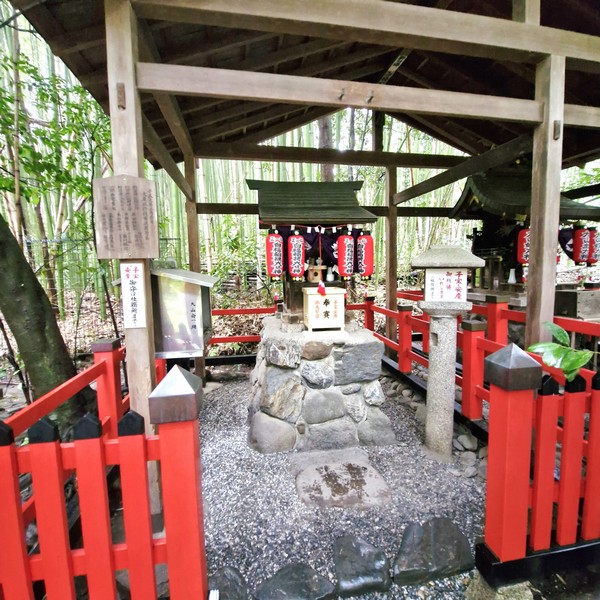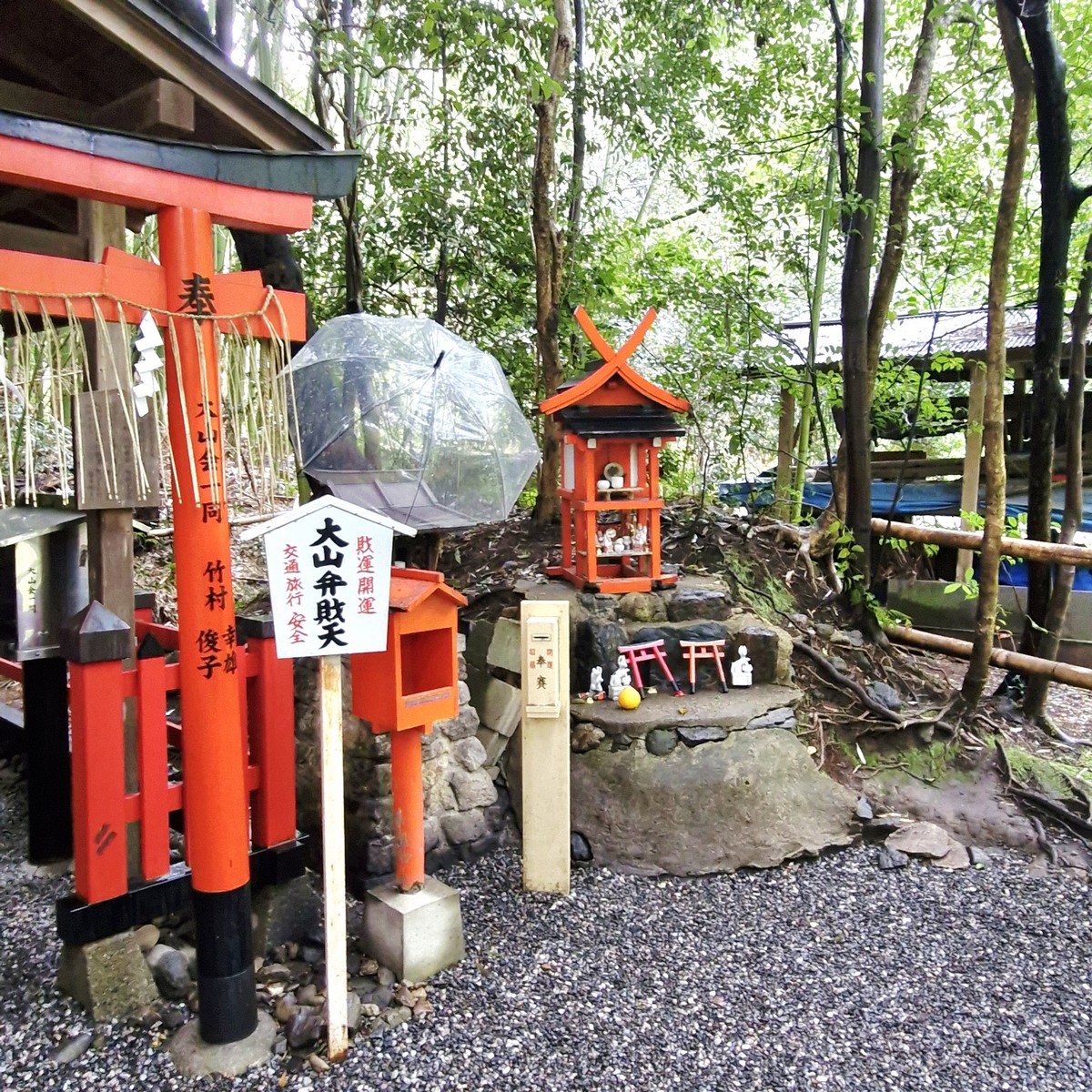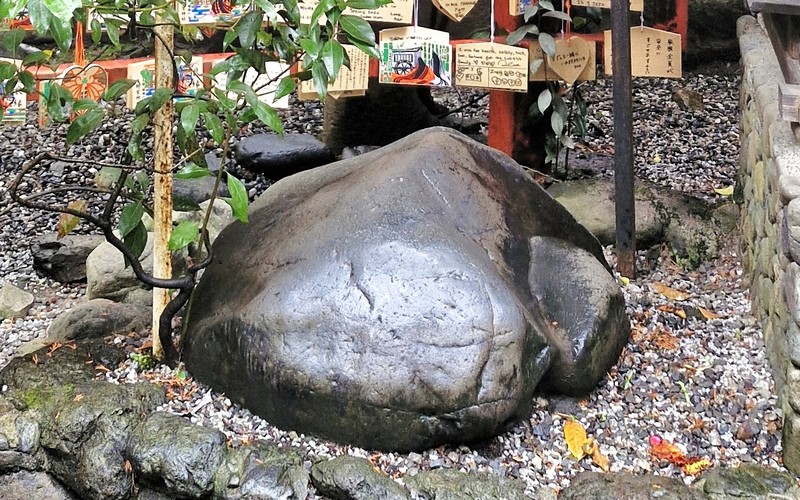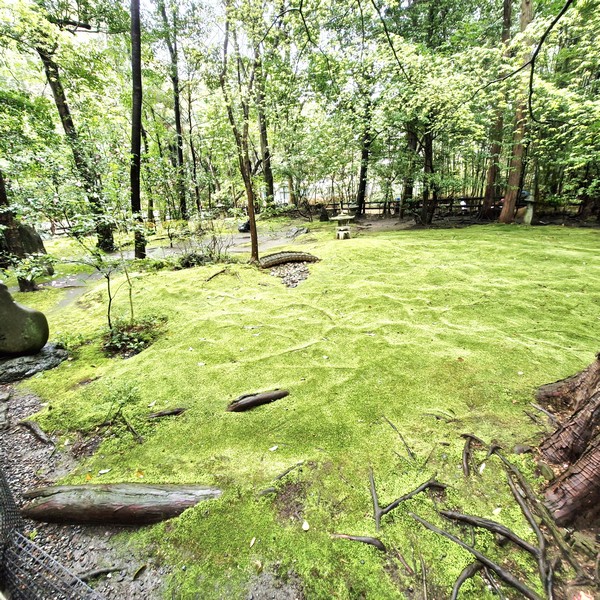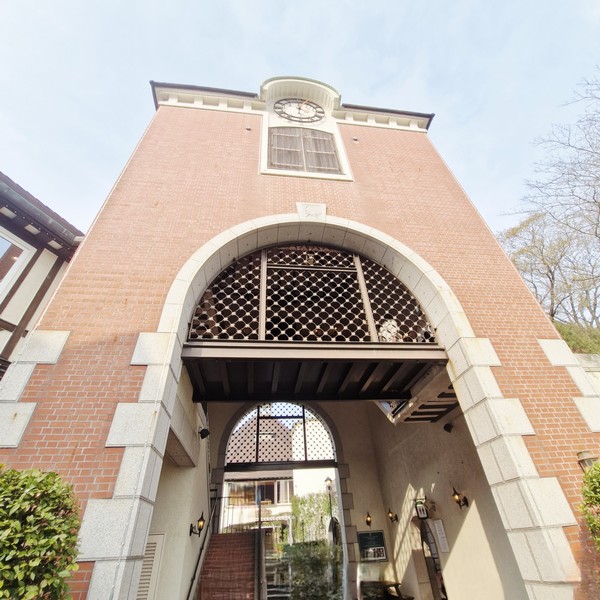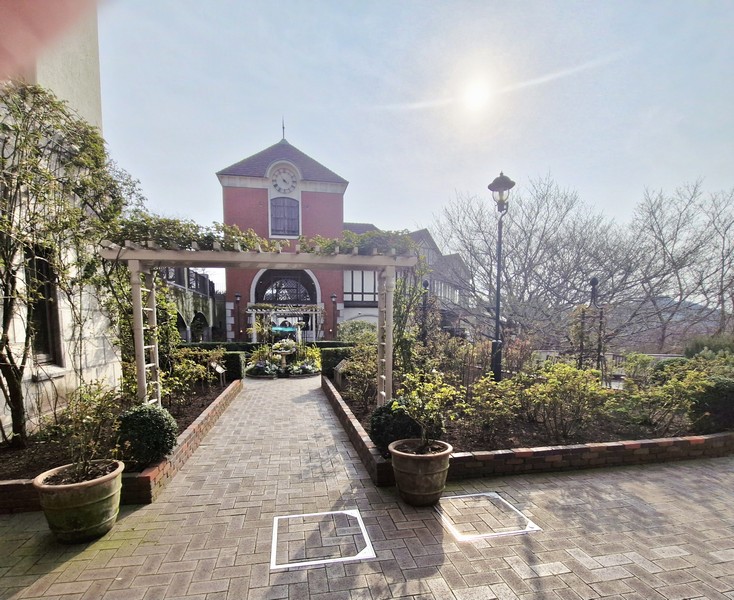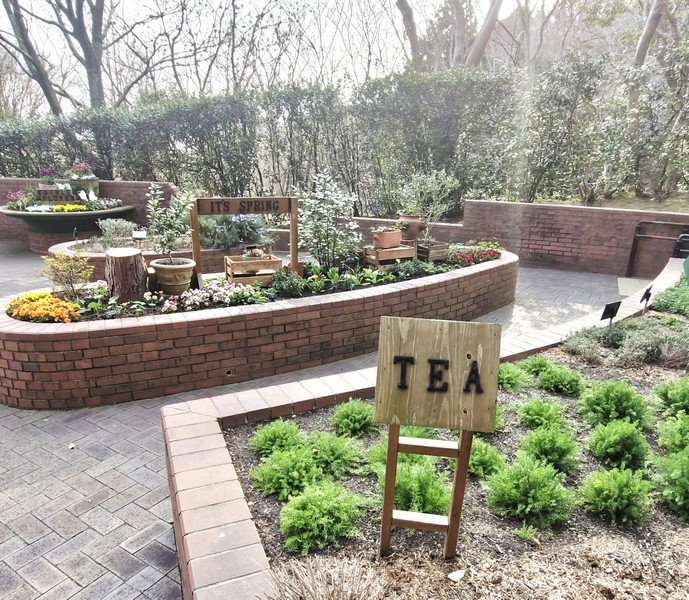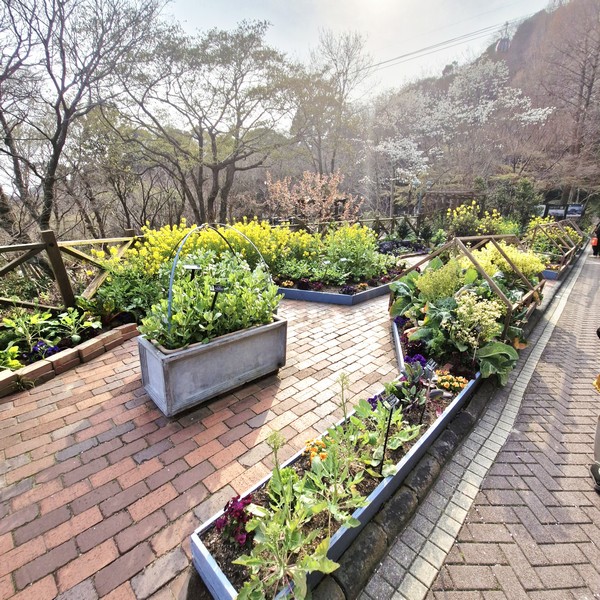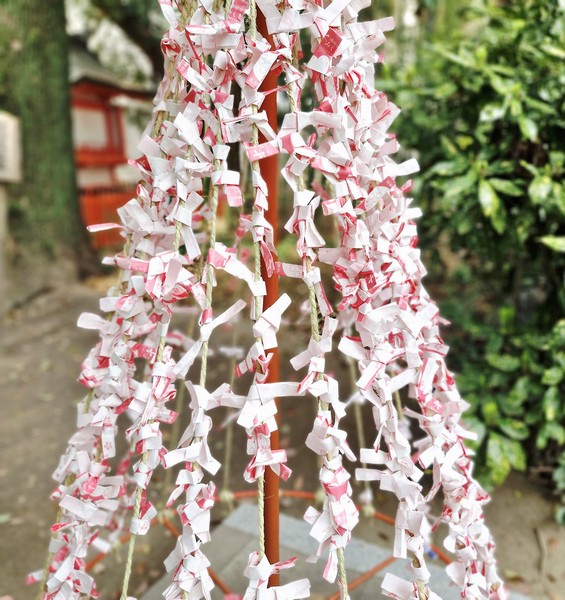
Namba Jinja Shrine (Osaka, Japan)

Namba Jinja Shrine

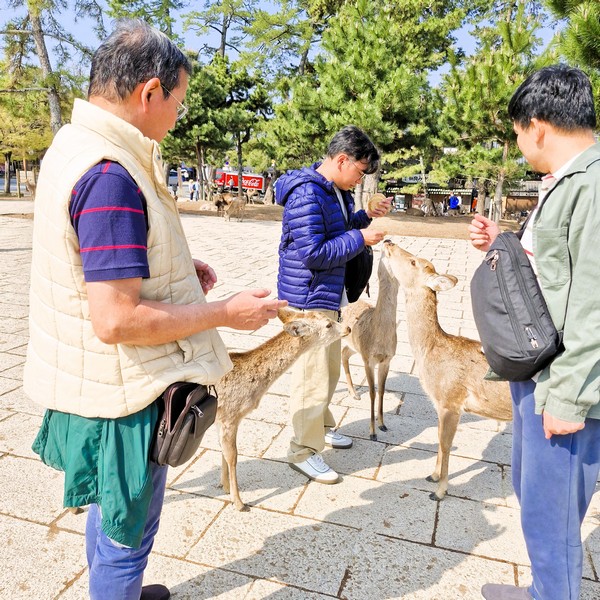
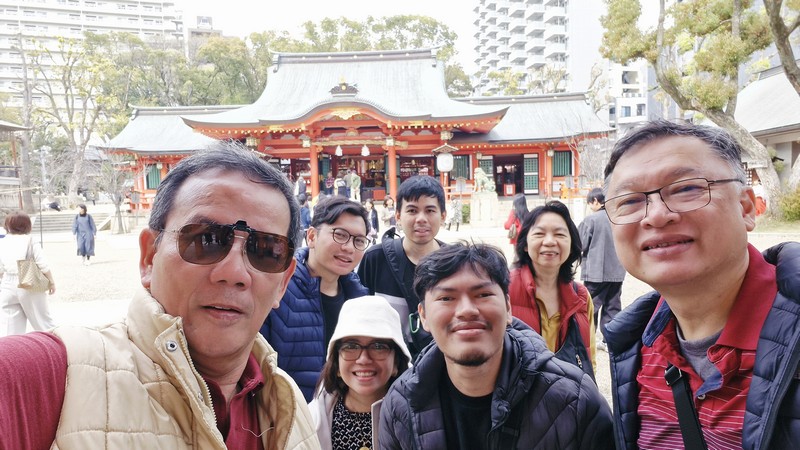
We were now on our last day in Osaka and we still had time to explore the city as our Cebu Pacific flight back to Manila was still in the late afternoon.  After breakfast at the hotel, my nephew Miguel, who was proficient in Japanese, offered to tour us around before returning to Kyoto to work and study.  We decided to walk to the nearby Namba Jinja Shrine. It was rainy that day.
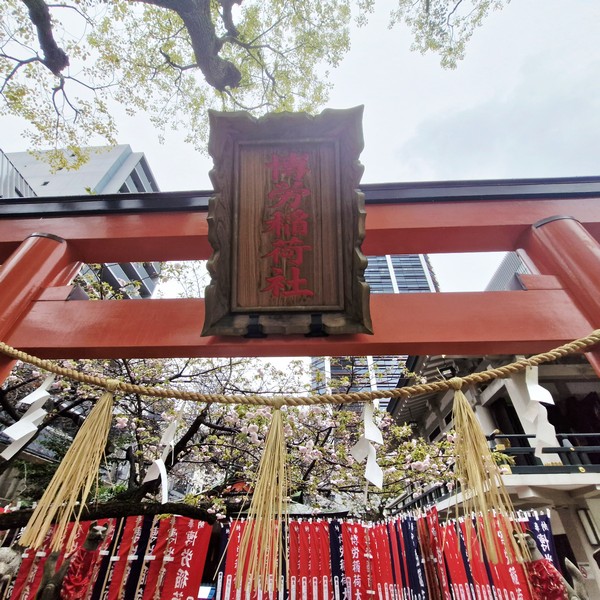
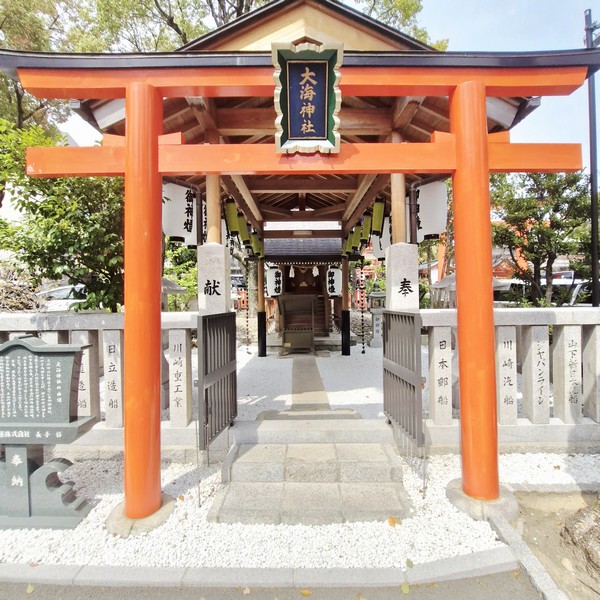
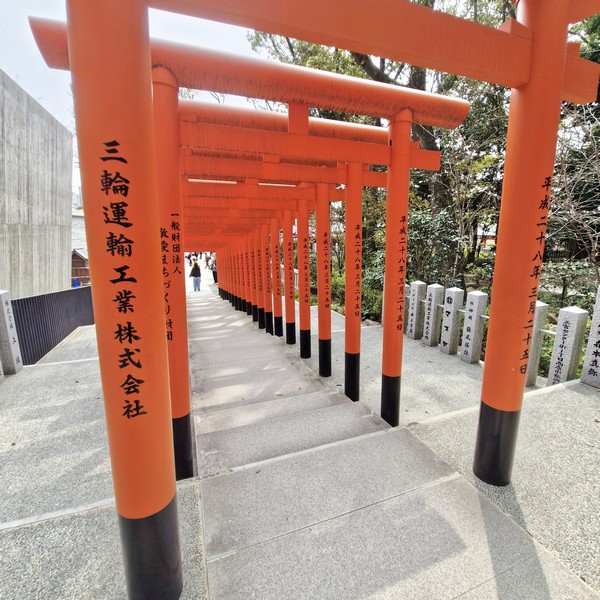
Torri (Gate)

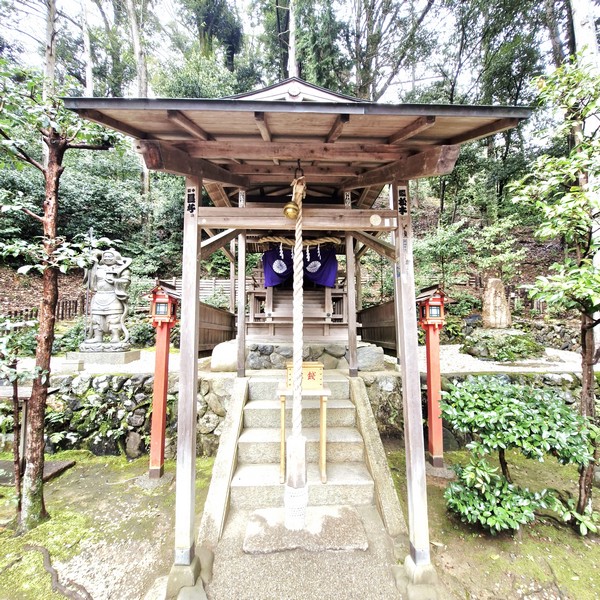
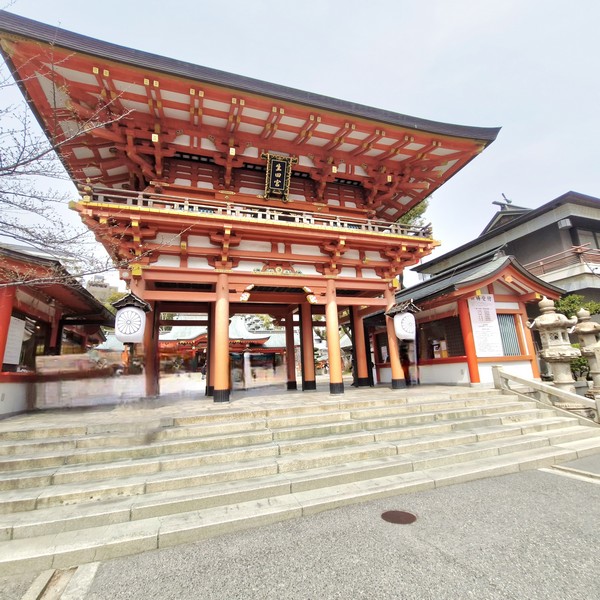
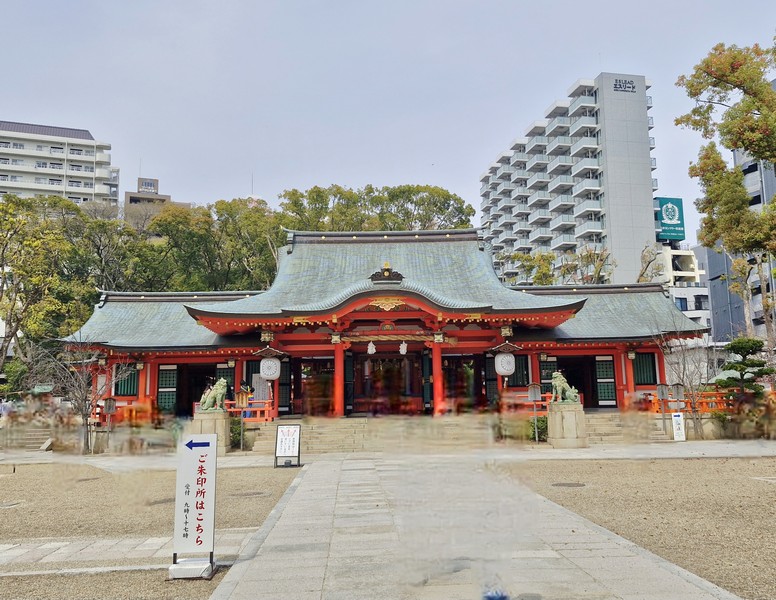
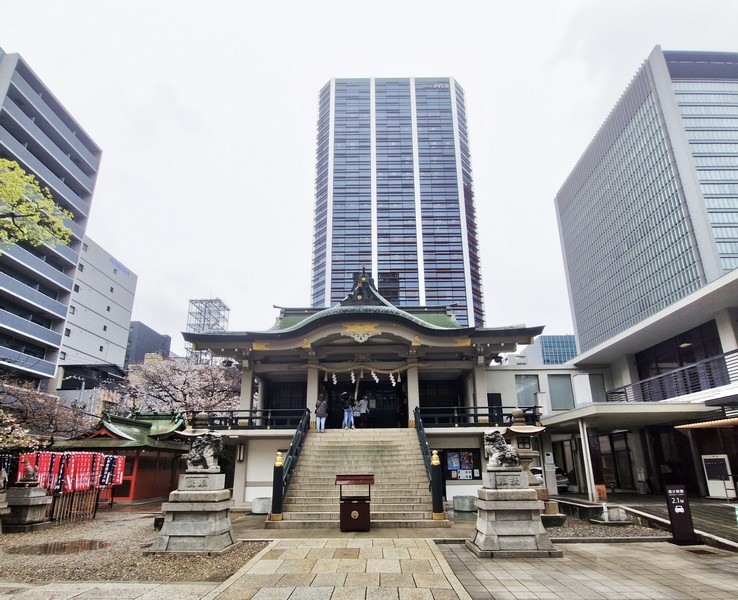
Nestled along Midosuji Avenue in Osaka’s Chūō Ward, the tranquil, restored Namba Jinja Shrine complex was said to have been founded in the 5th century by Emperor Hanzei, who established Shibagakinomiya Shrine in Matsubara City, Osaka Prefecture, to enshrine his father, Emperor Nintoku. 
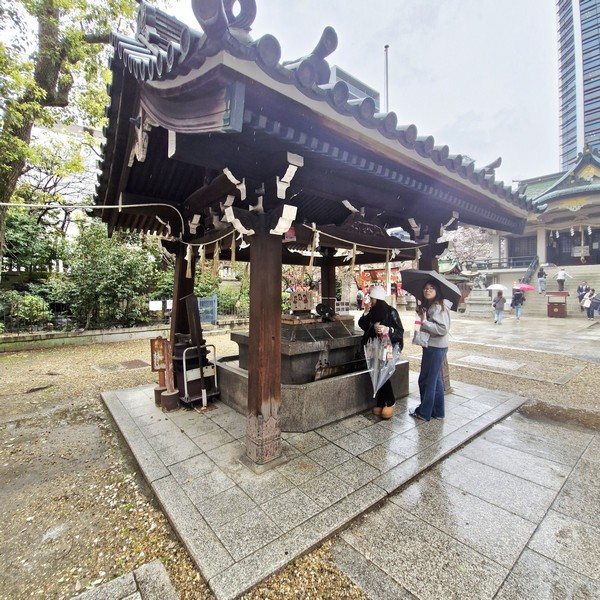
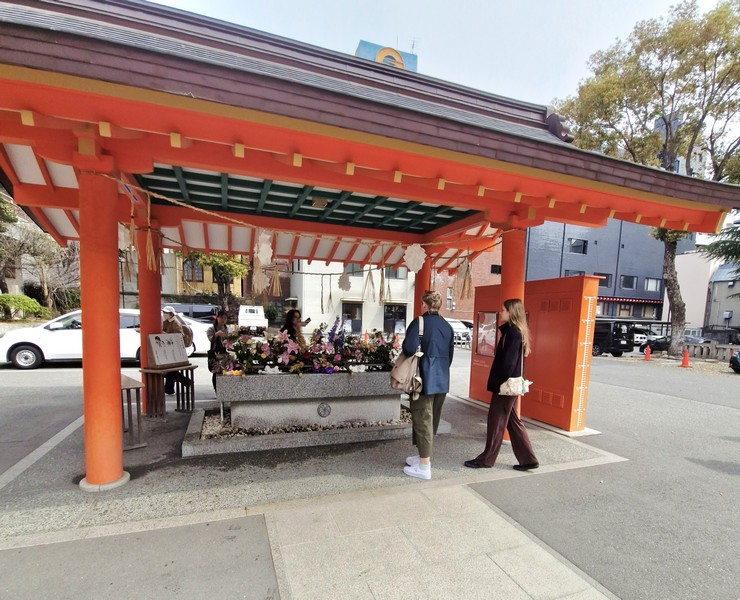
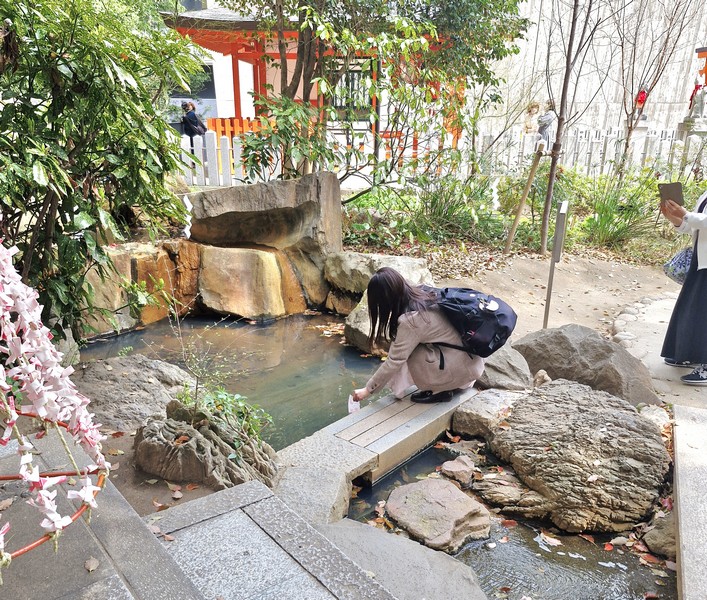
Purification Fountain (Temizuya)

It holds the weight of ancient Imperial reverence and civic memory and stands as a historical anchor amid the city’s pulse.  The shrine was later moved to Hommachi, Tennoji Ward, and then moved to its current location in 1583 (Tensho era) after Toyotomi Hideyoshi built Osaka Castle.
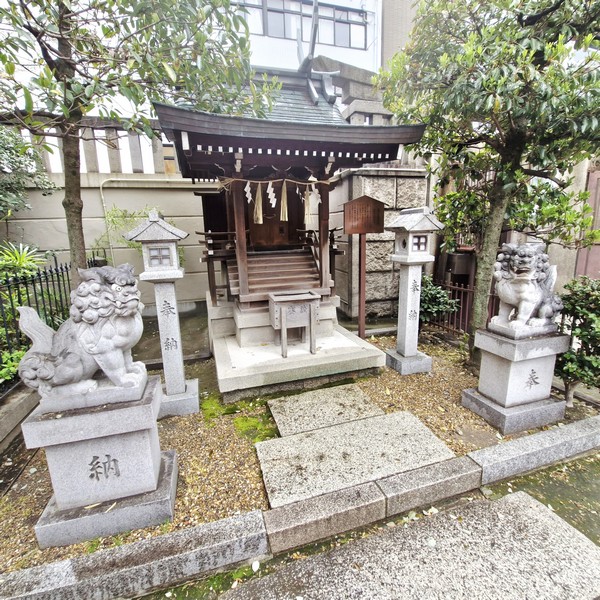
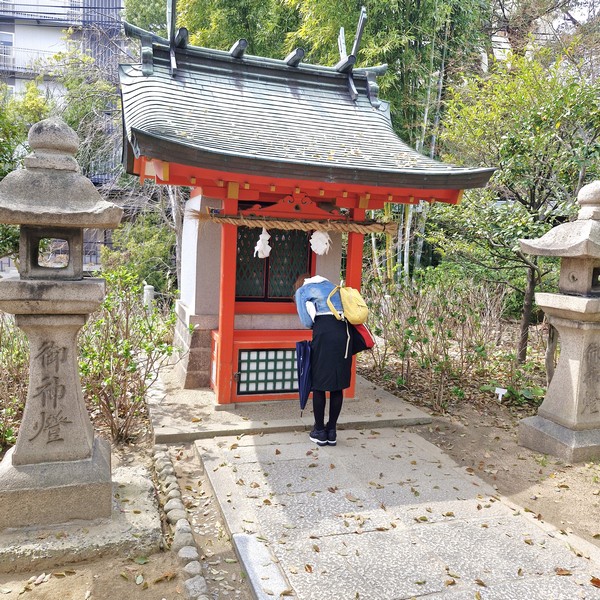
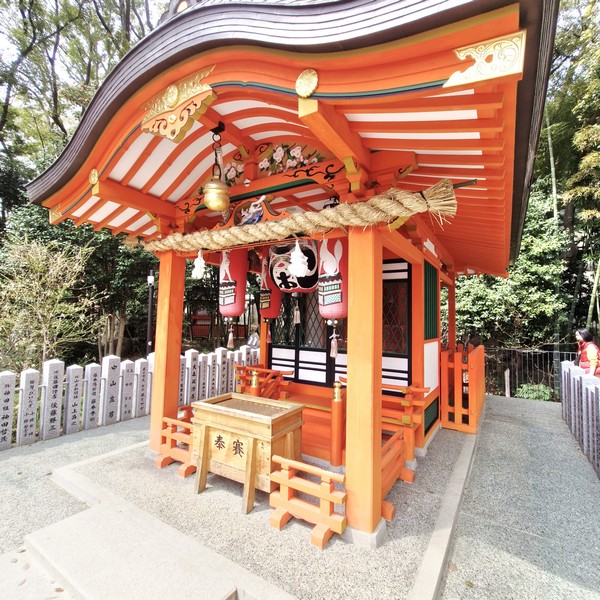
Shrine with Offertory Box (Saisen-bako)

It was named “Kami-Namba Shrine” after the area and, later, adopted its current name in 1875 (Meiji era). During the Edo period, with the rise of Inari worship, the Inari Shrine, a branch shrine within the grounds, commonly known as “Bakuromachi no Oinari-san,” became more famous than the main shrine. Uemura Bunrakuken opened a puppet theater troupe within the shrine grounds in 1811 (Bunka era 8).  Destroyed during World War II, the shrine was rebuilt in 1974, with reinforced structures that echo its pre-war architecture.
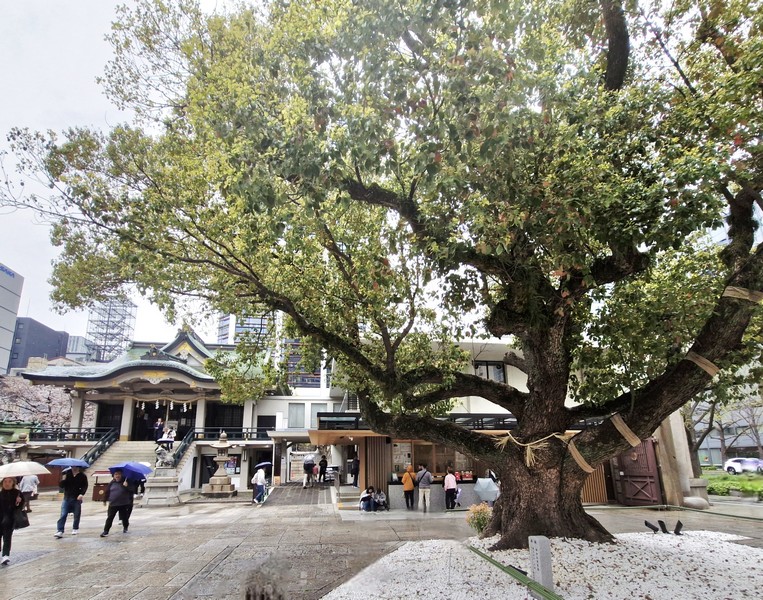
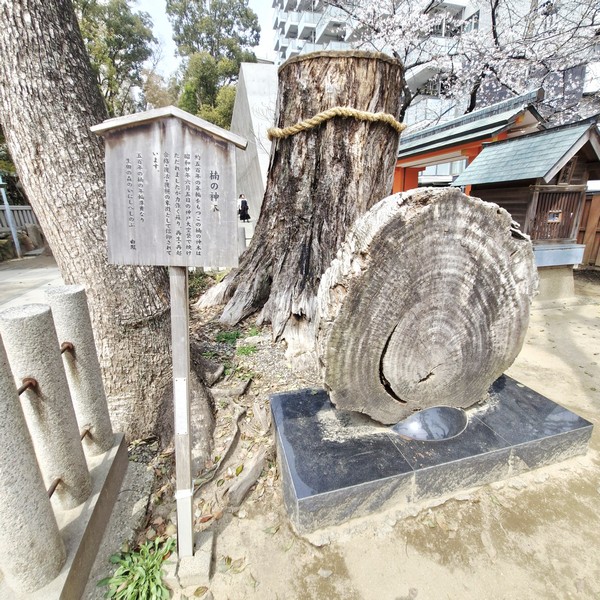
Camphor Tree

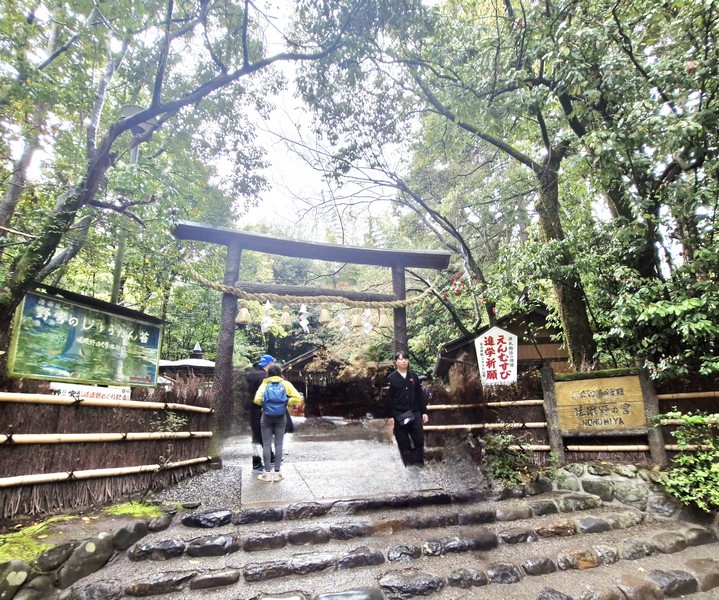
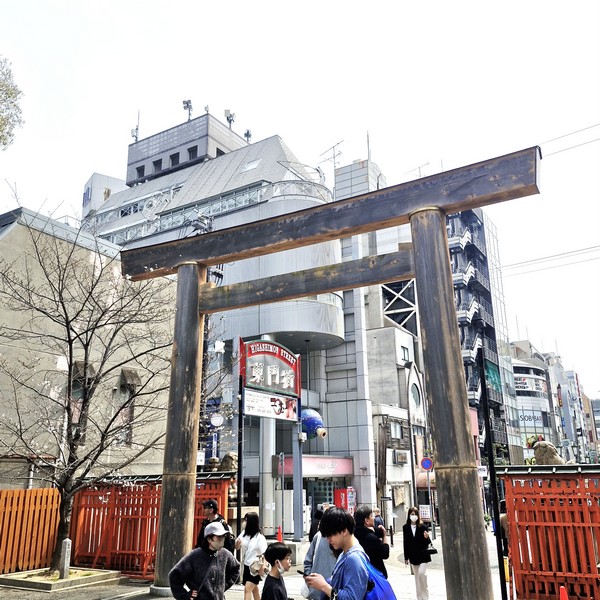
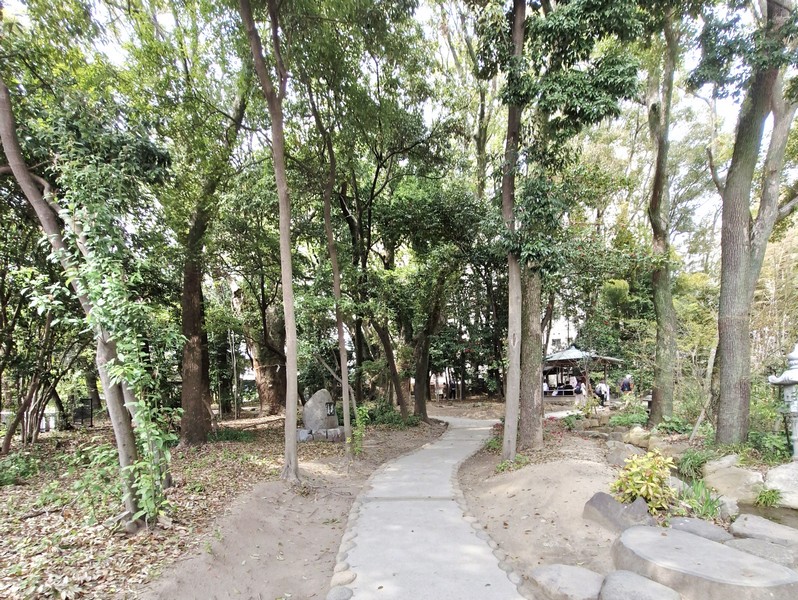
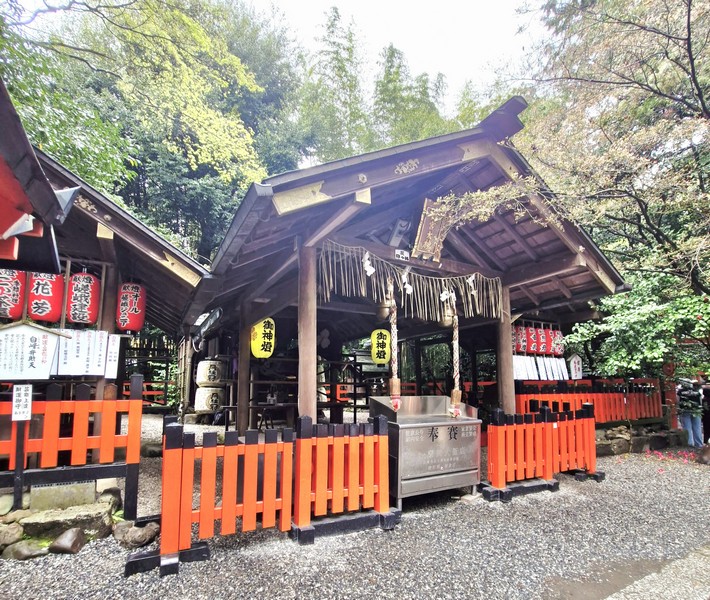
Passing through the sturdy stone torii, we were welcomed by a sacred courtyard framed by modern buildings yet rooted in centuries-old tradition. Today, it has three different shrines with different deities, offering a gentle yet powerful pause with the rustle of leaves, flicker of lanterns, and soft murmur of prayers—a tender heartbeat within Osaka’s fast rhythm.
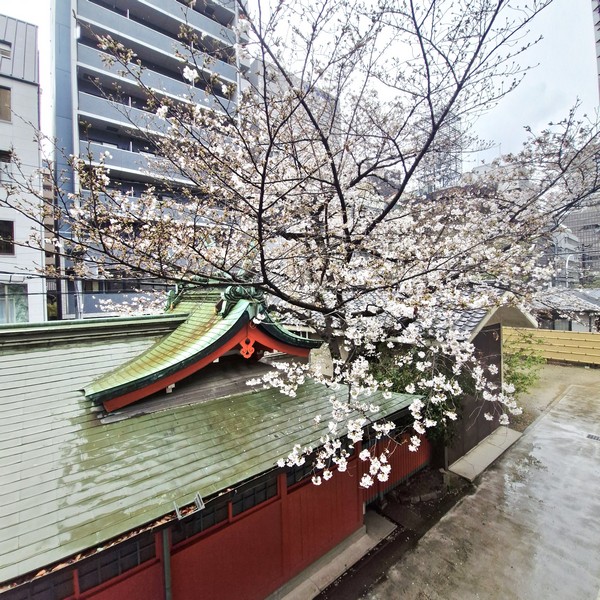
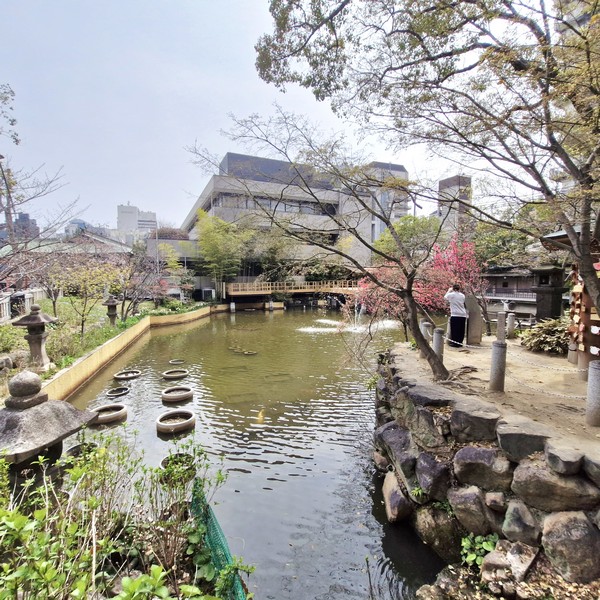
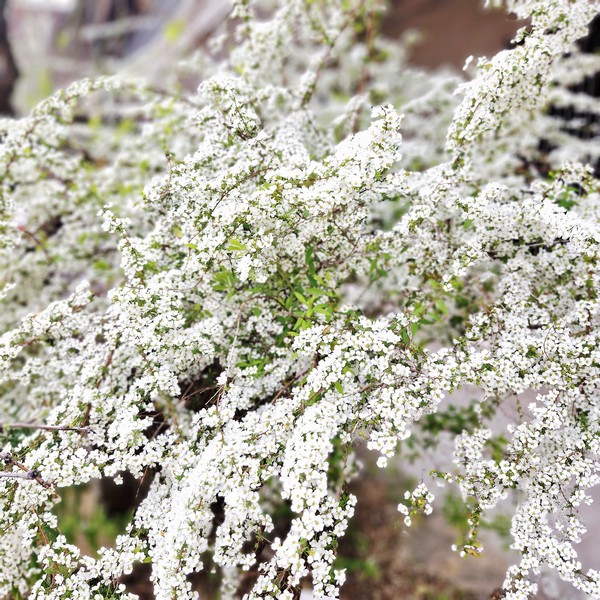
Cherry Blossom Tree

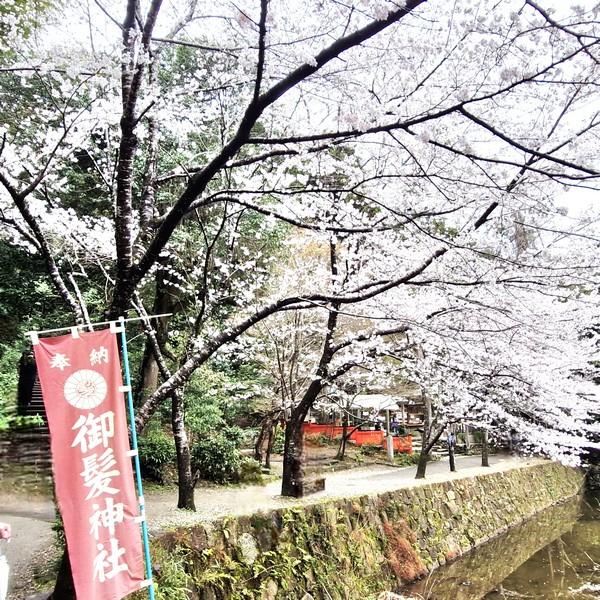
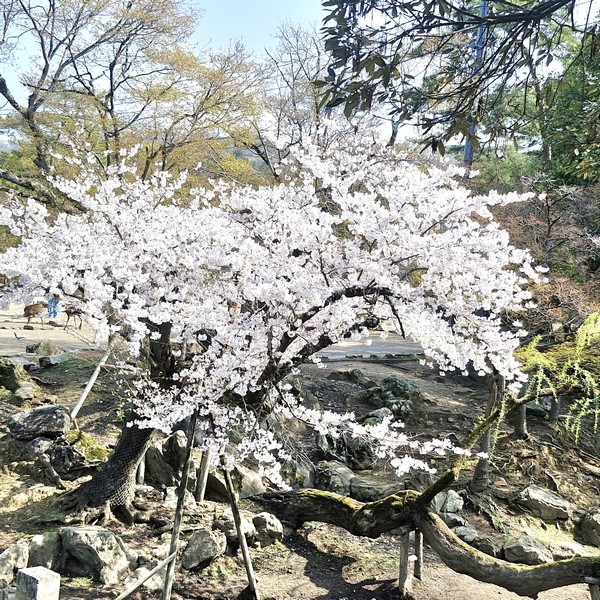
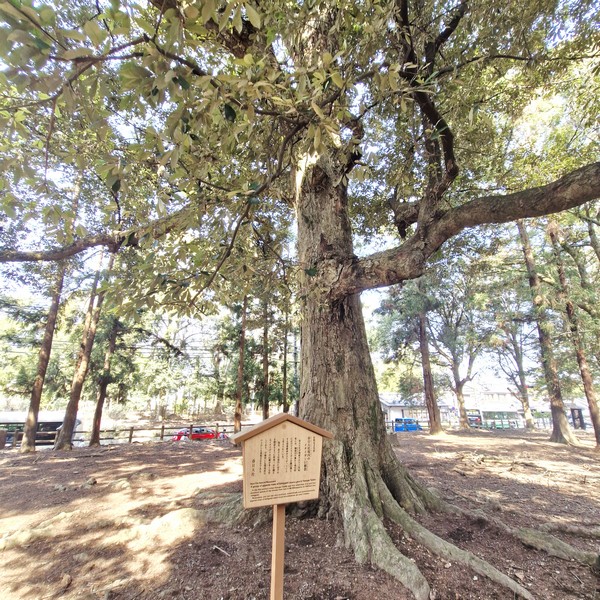
Known for its lion-dog (komainu) and fox (kitsune) statues and cherry blossom gardens, the shrine is also home to a scorched but unbowed and majestic 400-year-old camphor tree, one of the oldest in Osaka, whose trunk radiates quiet resilience and offers visitors a moment of grounding in the midst of urban haste. There is a belief that if you touch it, you will receive the “power” to rejuvenate yourself.
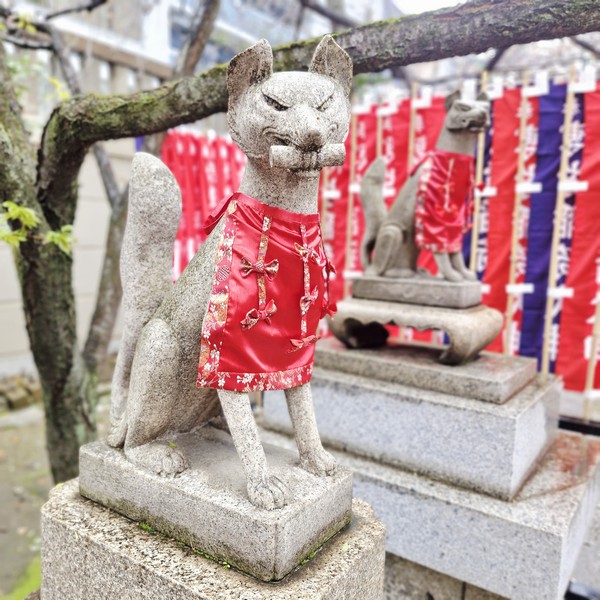
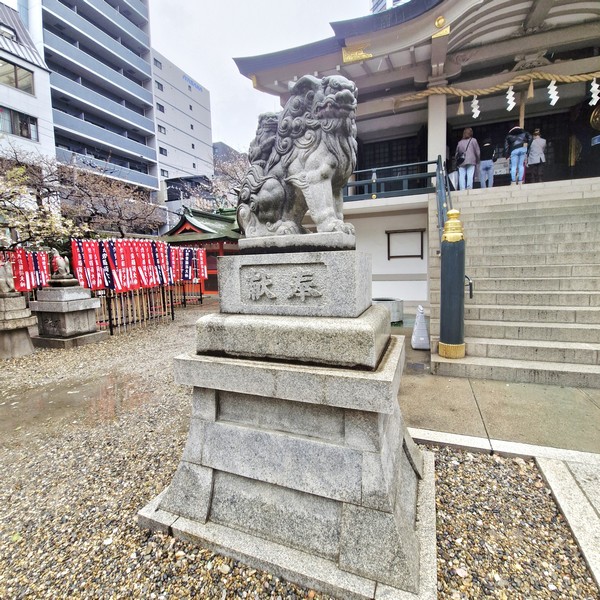
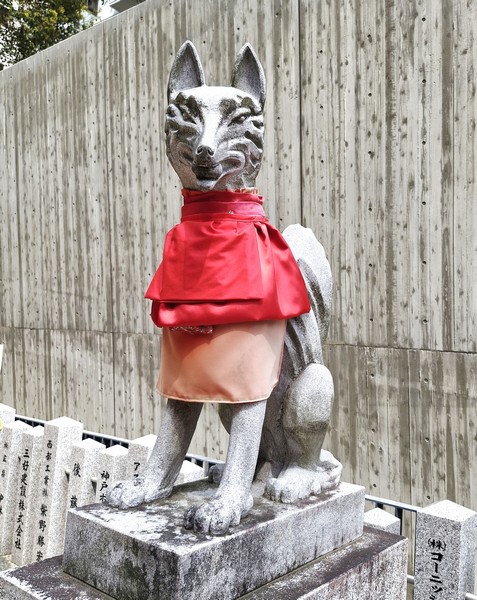
Fox Statues (Kitsune)
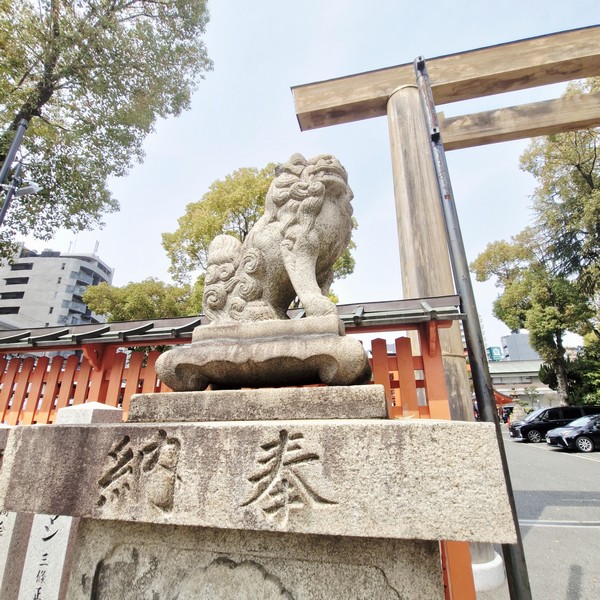
Lion-Dog Statue (Komainu)

Revered within Settsu Province’s Soja shrine network, Namba Jinja Shrine invites prayers for health, prosperity, and protection from calamities. At the beginning of the Meiji era, when Bunrakuken moved to the new development in Kujo, the “Hikorokuza” troupe opened on the site.
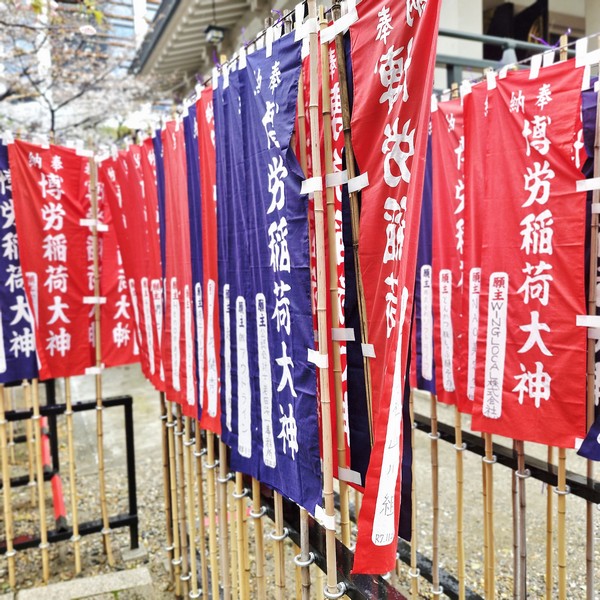
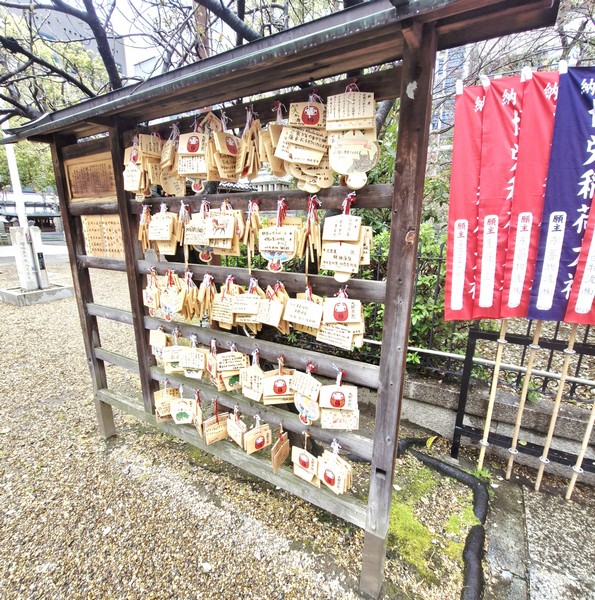
Red and Blue Banners (Nobori)
Wish Cards (Ema)

Each summer, the Himuro Ice Festival, held every year from July 20 to 21, visitors and worshippers are cooled by being given crushed kachiwari ice, a charming ritual reminding us of ancient ways to beat the heat.  It is said that if you eat this ice, you will not be defeated by the summer.
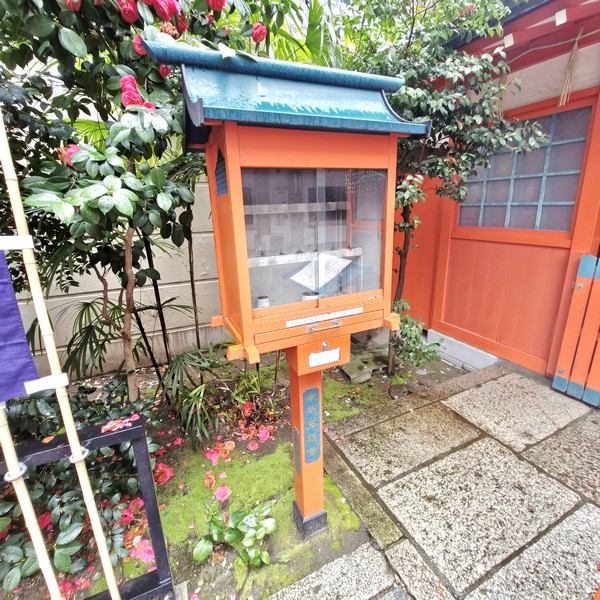
Sacred Lottery (Omikuji)

Namba Jinja Shrine: 4 Chrome 1-3 Bakuromachi, Chuo-ku, Osaka 541-0059. Tel: 06-6251-8000.  Fax: 06-6251-5110. Website: www.nanba-jinja.or.jp. Open daily, 7 AM – 6 PM. Admission is free.

How to Get There: Osaka Metro Midosuji Line “Shinsaibashi Station” Exit 3.  It is a 5-min. walk from Exit 13 of Osaka Metro Hommachi Station.
Dotonbori District (Osaka, Japan)

Dotonbori District

The 4-star Candeo Hotels Osaka Shinsaibashi, the hotel that we stayed in, happened to be just 250 m. from Dōtonbori District, the vibrant, popular, neon-lit entertainment and dining district of Osaka for visitors to the city, boasting of a number of well-known restaurants offering a range of traditional and modern Japanese dishes.  Known as one of Osaka’s principal tourist and nightlife areas, the area runs along the Dōtonbori Canal, from Dōtonboribashi Bridge to Nipponbashi Bridge in the Namba district of the city’s Chūō Ward.

Check out “Hotel and Inn Review:  Candeo Hotels Osaka Shinsaibashi

Shinsaibashi Shopping Mall

Dōtonbori traces its history back to 1612, when merchant Nariyasu Dōton, the administrator of local canals, joined by Yasui Jihē, Yasui Kuhē, and Hirano Tōjirō, began construction of the canal on the southern edge of Osaka, aiming to increase commerce by widening the river.

View towards Shinsaibashi Shopping Mall

To get there, we passed through the huge tunnel of the Shinsaibashi shopping mall. We then proceeded to the main gathering spot, often called “Hina-dan,” which offers the best views of the iconic signs. Here, we encountered Kim Jong Un lookalike Howard X (Howard (X) Lee), a well-known professional Australian-Chinese impersonator and political activist.  Considered the world’s first professional Kim Jong Un impersonator, he is frequently spotted in Dotonbori and other Japan locations, holding a toy missile and attracting large crowds.

Kim Jong Un impersonator Howard X

When taking photos with crowds, he often appears in costume and is sometimes paired with Donald Trump impersonators, notably around major events like the 2019 G20 Summit in Osaka. Creating satirical scenes to promote democracy, his appearance sometimes leads to deportation or detention due to political sensitivities. To provoke reactions from North Korean delegations beyond Japan, he has appeared at the PyeongChang Olympics and the Paris Olympics and has a significant presence on social media platforms such as Instagram. 

View from Midosuji Avenue

Evenings are the best times to experience the dazzling, futuristic neon cityscape reflected on the canal.  Here, you can also take a Dotonbori Canal Cruise or city cruise, to see the neon lights from the water, or visit the massive Don Quijote store by the canal.  Though now mostly a dining and nightlife area, the Theater District is historically known as a hub for Kabuki and Bunraku puppet theaters. 

Dotonbori Canal

Centered along the Dotonbori Canal, Dōtonbori (bori from hori, meaning “canal”) is famous for its eccentric atmosphere and extravagant signage (including the iconic Glico Running Man Sign and the massive. 6.5 m. long moving crab sign at Kani Dōraku) and is a top tourist spot for nightlife, shopping, popular spots including Ichiran, and various street food stalls selling takoyaki (octopus balls), kitsune udon and ramen. 

Check out the “Glico Running Man Sign

The author and Grace with the Glico Running Man Sign in the background

Dotonbori is considered as the city’s food capital or kuidaore, a Japanese word meaning to “ruin oneself or go bankrupt by extravagant spending on food” or, more pithily, “eat until you drop.” It is part of a larger proverb: “Ruin yourself with fashions in Kyoto, ruin yourself with meals in Osaka,” reflecting local priorities (and artistry) in the clothing and food of Kyoto and Osaka, respectively.  This phrase, associated with Dōtonbori, is often used in tourist guides and advertisements.

Rows of restaurants at Dotonbori District

On our first night in Osaka, we decided to dine at Botejyu (founded in 1946), located at the second floor of the Comrade Doton Building.   We waited in line for several minutes before finally being seated.  The menu and ordering are accessed on your smartphone via a QR code. 

Botejyu Restaurant

Here, we tried out, among other dishes, the okonomiyaki, a savory Japanese pancake consisting of wheat flour batter and other ingredients (shredded cabbage, eggs, meat, etc.). This specialty’s classic mayonnaise ingredient was developed by Botejyu. 

Ganko Sushi

On another evening, we tried out Ganko Sushi (since 1963) and Torikizoku (a popular, affordable yakitori chain. The latter is located at the Kuidaore Building, in front of which is Kuidaore Taro (also known as the Kuidaore Ningyo), a mechanical drum-playing clown, installed in 1950 as a mascot for the now closed Kuidaore Taro Restaurant which moved to a new location slightly east of his old haunt. Every March the visiting rikishi for the Osaka Grand Sumo tournament used to line up with Kuidaore Taro for photos.

L-R: Jandy, Miguel, Matthew, Nenette, Mark, the author and Grace at Torikizoku Restaurant
The mechanical, drum playing clown Kuidaore Taro

How to Get There: Located in the Minami district, Dotonbori, adjacent to the Shinsaibashi-suji shopping street, is easily accessible near Namba Station.

Glico Running Man Sign (Osaka, Japan)

They say that any visit to Osaka is never complete without a photo-op with the Glico Running Man Sign, one of the most well-known and recognized landmarks in Osaka, in the background.  This iconic, huge, brightly lit neon/LED billboard, located in Osaka’s Dotonbori district, has glowed over the Dotombori Canal in Osaka‘s premier shopping and entertainment district for more than 90 years now. 

Check out “Dotonbori District

Glico Running Man Sign

It shows a runner, against a blue track with Osaka landmarks, reportedly inspired, in part, by the winning form of Fortunato Catalon, an early 20th century Filipino champion sprinter, from Tolosa, Leyte, known in the 1910s and 1920s, as “Asia’s Fastest Man,” in the 100-yard and 220-yard dashes during the 1917 Far Eastern Games held in Tokyo, as well as Japanese marathoner Shizu Kanaguri. It was first installed in 1935 by Ezaki Glico (manufacturer of one of Asia’s most famous confectioneries) company founder Ri-ichi Ezaki, to represent his energy-boosting caramel Glico candy that, according to lore (the Japanese love a backstory), could give you “enough energy to run 300 meters.” This energy product was created in 1922 by adding glycogen from oysters to the snack and, to this day, this running man has been used as the company’s mascot and logo.

Ezaki Glico’s most popular product is Pocky, confectionery-coated pretzel sticks, which comes in a number of tasty flavors, very popular in Japan and abroad (it is known as Mikado in some parts of the world). Glico’s other confectionery products include Pretz, Caplico, Bisco and Karujaga. Glico also makes ice-cream products and a few processed foods and curry roux blocks.  Glico has a museum, at their Osaka headquarters, featuring all sorts of nostalgic packaging and a collection of the free toys that are given away with each box. Currently on display, part of a special exhibition, is a selection of diorama’s of Dotombori and the Running Man billboard.

The sign, which now serves as a symbol of perseverance, energy, health, victory and the spirit of Osaka, has had several overhauls. Since 1972, the huge neon has shown the Running Man on a running track. In 1998,  some of Osaka‘s best-known landmarks, such as Osaka Castle and the Tsutenkaku Tower, were added to the background.  The previous five versions were all neon. The 2014 LED version follows a similar theme, with the landmarks taking a more dynamic role.

The author

Also, through the years, it has been occasionally altered to support the mighty Hanshin Tigers, Osaka’s baseball team (when Japan hosted the Soccer World Cup), and to celebrate various sporting triumphs or celebratory images, such as in 2020, to celebrate Takuma Sato and his second Indy 500 victory (the sign changed every 15 minutes to an image of Sato performing the “Glico Man Pose”).  The current 6th generation sign, installed in October 2014, is the first to use the new high-resolution LED technology which allows even more special events celebrated via the huge billboard.  It is 20 m. high, 10.38 m. wide and is illuminated from sunset until 12 midnight.

Jandy

A popular meeting place and spot to take photos, here visitors, both local and foreign, often mimic the runner’s pose (arms raised, one leg up). For the best experience, visit during the week or earlier in the day, though the sign is truly spectacular at night when the bridge is jam packed, especially at weekends, with people entering the Dotombori entertainment area.  A central point for shopping and food in Dotonbori, the area around the sign is crowded, with other bright, large signs.

Just east of the Glico Man billboard is Ebisubashi, originally constructed to provide access to the nearby Ebisu Shrine.  The bridge, more practically, provides a link between the Shinsaibashi-suji and Ebisubashi-suji shopping districts.  The bridge is also the location of a legendary curse, on Osaka’s baseball team, the Hanshin Tigers, which was considered broken in 2023.

Ebisubashi also makes for a convenient gathering point, due to the familiarity of the Glico Man, hence its nicknames, nanpa-bashi (mostly used by foreigners) and hikkake-bashi (“the pulling bridge”), mostly used by native Japanese.

Glico Running Man Sign: 1 Chrome-10-4Dotonbori Sistrict, Chuo Ward, 542-0071 Osaka.  Tel: +81 120-917-111.

How to Get There: The sign is located at the South bank of the Dotonbori Canal, near Ebisubashi Bridge.

Mitsutera Temple (Osaka, Japan)

Mitsutera Temple

Japan is known for being a heady mix of the old and new, and this is perhaps best exemplified by the way some of its high-rise blocks are carefully built around, or integrated with, ancient temples.  One such example is the ancient, charming Mitsutera Temple, known affectionately as Mittera-san by local residents.  Located along bustling Midosuji Avenue, a major artery in the center of Osaka, its main hall, dating back to the early 1800s, has been neatly embedded at the base of the large, 15-storey, 180-room Candeo Hotels Osaka Shinsaibashi, in the city’s Chuo Ward. The first few floors are atrium-style to provide ample space for the hall.

Check out “Hotel and Inn Review: Candeo Hotels Osaka Shinsaibashi

Entrance to hotel and temple

Mitsutera Temple, founded in the Nara Period (710-784) by the renowned monk Gyōki (one of 49 temples established by him during this period) to serve as a burial site for Emperor Ojin (Japan’s 15th emperor), on the orders of Japan’s 45th emperor, is a member of the Omuro school of the Shingon sect of Buddhism headquartered at Ninnaji temple in Kyoto. After it burned down in the late Edo Period (1603-1867), the current main hall was rebuilt in 1808 and, in 1945, remarkably survived the Great Osaka Air Raid unlike many other wooden structures in the city.

View of temple from Midosuji’s sidewalk
Temple bell (bonsho or tsurigane)

A decline in parishioner numbers and an increasing demand for simplified funerals have made it difficult for the temple to financially survive.  In a rare partnership and an attempt to pass down the temple to posterity, Mitsutera temple entered into a fixed-term land leasehold agreement, of 50 years, with Candeo Hotels Osaka Shinsaibashi wherein Mitsutera will tap into the rent to cover expenses, such as repairs to the main hall and altar fittings.  The construction project was undertaken jointly by Mitsutera and Tokyo Tatemono Co., a property developer based in Tokyo’s Chuo Ward.

The 11-faced statue of the Kanzeon Bodhisattva

From 2020 to 2023, it was physically merged and incorporated into the hotel, which was built directly above the temple. The entire main hall structure was jacked up and, to facilitate the new construction, relocated within the site and moved in one piece to sit alongside Midosuji’s sidewalk, allowing the tower block to be constructed behind and around it. On November 26, 2023, the temple’s main hall was opened there, creating a unique blend of traditional architecture and modern development.

For the aging temple, this creative solution preserved the history and architecture of this centuries-old temple, allowing hotel guests a special experience of staying almost at a temple, participating in religious practices, including morning prayers, eshakyo (transcription of sutra and Buddha images) and meditation. The main hall is within the first three floors.

Mitsutera Temple houses precious Buddhist statues and paintings that Osaka City designates as cultural properties. Decorated in lacquer, gold leaf, and flower petals, the main hall’s center is dominated by an 11-faced statue of the Kanzeon Bodhisattva, with eight other Buddhist statues (including figures such as the Buddhas Yakushi Nyorai and Kobo Daishi, among others) arrayed to the sides. 

This temple offers a black and white goshuin where you need to trace the lines and words color the picture and write your own wish. After that, they will help to stamp the special ink on the completed goshuin. Today, it is a pleasant experience to stroll in the area as the aroma of incense floats next to the fragrance of perfume from the boutiques of high fashion brands which line Midosuji.

Kannon Sacred Lottery (Omikuji) – fortune-telling paper slips found offering guidance on aspects like love, health, and work

Mitsutera Temple: corner of Midosuji Avenue and Mitsudera-suji Sts., 2 Chome-7-12 Shinsaibashisuji, Chuo Ward, Osaka, 542-0085, Japan. Tel: +81 6-6211-1982.

How to Get There: Mitsutera Temple, located near Shinsaibashi-suji and Dotonbori, conveniently situated within walking distance from both Namba Station and Shinsaibashi stations on the Osaka Metro Midosuji Line.

Nakamise-Dori (Tokyo, Japan)

Nakamise-Dori

After our visit to Senso-ji Temple, we proceeded to the approximately 250 m. (880-ft.) long Nakamise-dōri (仲見世通り), the best place in Tokyo to buy souvenirs.  One of Japan’s oldest streets, this shopping street leads, from the gorgeous Kaminarimon (“Thunder Gate”), to Sensō-ji temple itself.  Items sold here range from outrageously cheesy items to authentic and useful souvenirs.  For centuries, Japanese pilgrims and tourists who visit Sensō-ji every year flock here to shop at its small stores.   This stone-paved pedestrian street, retaining the feeling of old downtown Edo and the cultural florescence of the Meiji era, started during the Genroku and Tempo periods of the Edo era when horse carriage operators were granted the right to set up shops next to the east side of Niomon as compensation for cleaning the temple compound through forced labor.

Shops near the Kaminarimon Gate of Senso-ji Temple

In the early 18th century, Nakamise-dōri (translated as “inside street”) was said to have come about when neighbors of Sensō-ji were granted permission to set up shops on the approach to the temple. However, on May 1885, the government of Tokyo ordered all shop owners to leave but, on December of that same year, the area was reconstructed in Western-style brick. During the 1923 Great Kantō earthquake, many of the shops were destroyed.  In 1925, the shops were rebuilt using concrete, only to be destroyed again during the bombings of World War II.

The surrounding area had around 89 small traditional shops, many of them run by the same family for many generations.  I admired the shutters painted with different seasonal vistas. Stores sold traditional Japanese items such as chopsticks, yukatageta, wooden combs, maneki neko cat statuettes (a traditional good luck charm), hair accessories, elegant fans of all colors and sizes; handmade umbrellas; geta (traditional footwear), masks, folding fans, ukiyo-e (woodblock prints); kimono and other robes; samurai swords; and Buddhist scrolls.  You can also shop here for Godzilla toys, t-shirts and mobile phone straps. The shops at both sides of the last stretch near the temple sell official Senso-ji merchandise – omamori amulets, scrolls, incense to burn at the huge burner in front of the temple’s stairs, books about the temple (in Japanese) and o-mikuji fortunes.


Nakamise-Dori is a good place for visitors to try tabearuki (“walk-and-eat”) and enjoy Japanese street food such as tempting traditional kibi dango (sweet and soft rice cakes in a stick covered with millet flour), oden, (a winter snack), imo yokan (sweet potato jelly), odango (a sweet snack), kaminari okoshi (sweet puff rice crackers), colorful candies sold in beautiful traditional patterned cases; ningyo yaki (little sponge cakes filled with red bean paste and shaped like dolls, birds and the famous Kaminarimon, Asakusa’s symbolic lantern), deep-fried manju (a bun stuffed with red-bean paste), kibidango (a millet dumpling), freshly toasted sembei crackers, juicy fried meat croquettes, sweet melon pan bread, cooling matcha green tea ice cream and other green tea-flavored treats.

Trying out vanilla ice cream in a melonpan at Asakusa Sakura

Vanilla ice cream in a melonpan bun

There are also eating places that feature traditional dishes (hand-made noodles, sushi, tempura, etc.). For lunch, we dined at Tatsumiya Restaurant. Here, we were seated in a traditional Japanese setting – no shoes and on low tables with mats.

Check out “Restaurant Review: Tatsumiya Asakusa

Dining, Japanese style, at Tatsumiya Restaurant

During the holidays, the arcade is decorated with seasonal trappings – silk plum blossoms and kites during New Year’s Day, bright foliage during fall and cherry blossoms in spring. Running perpendicular to Nakamise-Dori is Shin-Nakamise (“New Nakamise”), a covered shopping arcade lined by various shops and restaurants.

Shin-Nakamise (New Nakamise)

Nakamise-Dori: 1 Asakusa, Taitō-ku, Tokyo, Japan. Open daily, typically from 10 AM to 7 PM but hours depend on the individual shops.

How to Get There: Nakamise-Dori, a 2 minute walk from Asakusa Station, is served by the Tokyo Metro Ginza Line, Toei Asakusa Line and Tobu railway lines. It is also a 10-min. walk from Tawaramachi Station on the Ginza Line. Take A3~A5 exit for Nakamise. This shopping street is traditionally approached via the Thunder Gate.


Asakusa Shrine (Tokyo, Japan)

Torii (Japanese gate) leading to Akasusa Shrine

The Asakusa Shrine (浅草神社 Asakusa-jinja), one of the most famous Shinto shrines in the city, is also known as Sansha-sama (Shrine of the Three gods, san means “three” and sama means “shrine”). The shrine. popular among the public, stands only a few dozen meters to the left of the main hall on the east side of Sensō-ji Temple, down a street marked by a large stone torii.

Akasusa Shrine

Part of a larger grouping of sacred buildings in the area, the shrine honors the three men who founded the Sensō-ji. According to legend, on May 17, 628, two fishermen brothers, named Hinokuma Hamanari and Hinokuma Takenari, picked up a bosatsu Kannon statuette of Sensoji Temple caught in a fishing-net in the Sumida River.  Hajino Nakatomo, the third man, was a wealthy landlord who, upon hearing about the discovery, approached the brothers.

Shrine Pavilion

He delivered an impassioned sermon about the Buddha to the brothers who were very impressed and subsequently converted to the Buddhist religion and devoted their lives to preaching the way of Buddhism. Nakatomo consecrated the Kannon statue in a small temple. These three men are worshiped here as Sanja Gongen.

The shrine, commissioned by Tokugawa Iemitsu, the third shogun of the Tokugawa dynasty, was built in 1649 during the Edo Period.  It was integrated with Sensoji Temple until the Edo period.  However, when the Gods and Buddha separation ordinance was promulgated in the Meiji period, it was separated from Sensoji and renamed Asakusa Shrine. Its beautiful, vermillon-lacquered shrine pavilion was built in the same style as the Nikko Toshogu, in the gongen-zukuri style of Shinto architecture.

Statue of Lion-Dog (Kumainu)

Unlike many other structures in the area, including the Sensō-ji Temple, the shrine, along with the Nitenmon Gate, where the only two buildings in the area to survived the  World War II Tokyo air raids of 1945.  In 1951, because of this rich and long history, both were designated as an Important Cultural Property by the Japanese Government.

Nitenmon Gate

The Niten-mon Gate, located to the east of the main hall and to the right of Asakusa Shrine, was erected in 1618 (the current gate was said to have been rebuilt in 1649) as a shrine gate, with statues of Toyoiwamado no Mikoto and Kushiiwamado no Mikoto placed on either side.

Ablution Fountain

The gate was left standing after the deity enshrined in Toshogu was moved to Koyozan, inside of Edo Castle. After the separation of the Buddhist and Shinto religions during the Meiji Restoration, Shinto deities were removed to Asakusa Shrine. In their place, a statue of Tatenmon was enshrined, but this has subsequently been lost. This massive, 8.13 m. wide (at the beam) structure has 8 pillars and was built in the mitsumune zukuri style with a tiled roof in built in the kiritzuma zukuri style.

Prayer Wall

The shrine‘s annual,  popular Sanja Matsuri festival, one of the Three Great Festivals of Edo (the old name of Tokyo), is held in late spring for 3 days (Friday to Sunday) every third weekend of May. which takes place over 3–4 days .  During the festival, the surrounding streets are closed to traffic, from dawn until late evening.  Well known for the “soul swing,” the festival vividly demonstrates the traditional Edo style, depicted in the old saying “fights and fireworks are Edo’s flowers.” During the festival, portable shrines called mikoshi are wildly swung around in a wild parade, reaching a climax when three mikoshi called ichi-no-miya, ni-no-miya and san-no-miya leave and return to Asakusa Shrine.  The procession includes 120 mikoshi from a total of 44 parishioner associations affiliated with Asakusa Shrine, making it Tokyo’s most spectacular festival.

A mikoshi (portable shrine) on display at Asakusa Station

Asakusa Shrine: 2-26-1, AsakusaTaitō-ku, Tokyo 111-0032, Japan. Tel: 03-3844-1575.  Website: www.asakusajinja.jp/english/

How to Get There:  The shrine is a 7-min. walk from Asakusa Station (Toei Asakusa Line, Tokyo Metro Ginza Line, Tobu Isesaki Line, Tsukuba Express.

Sensō-ji Temple (Tokyo, Japan)

Senso-ji Temple

It was our last day in Tokyo but we still had time for sightseeing before departing on our evening flight back to Manila, so we visited the Sensō-ji (金龍山浅草寺 Kinryū-zan Sensō-ji) Kannon temple, an ancient Buddhist temple dedicated to Kannon Bosatsu (the Bodhisattva of compassion who is believed to take away the people’s suffering and make their wishes come true).

Jinrikisha (Ricksaw)

“Senso” is an alternative reading for Asakusa and “ji” means temple. Asakusa (浅草) is the center of Tokyo‘s shitamachi (literally “low city”), one of Tokyo’s districts.  Here, an atmosphere of the Tokyo of past decades is said to survive. From our hotel, we walked to the nearby Akasaka-Mitsuke Station and took the train to Asakusa Station. The trip took all of 30 mins.

Strolling into Asakusa

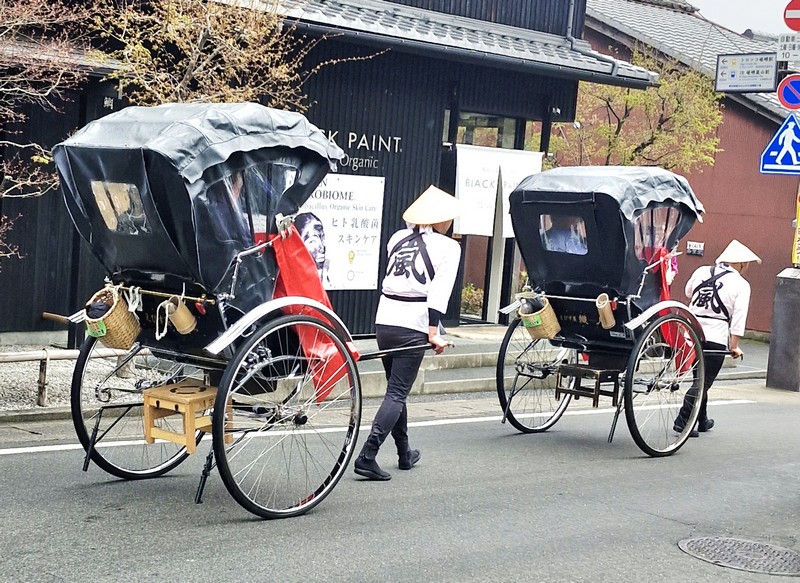
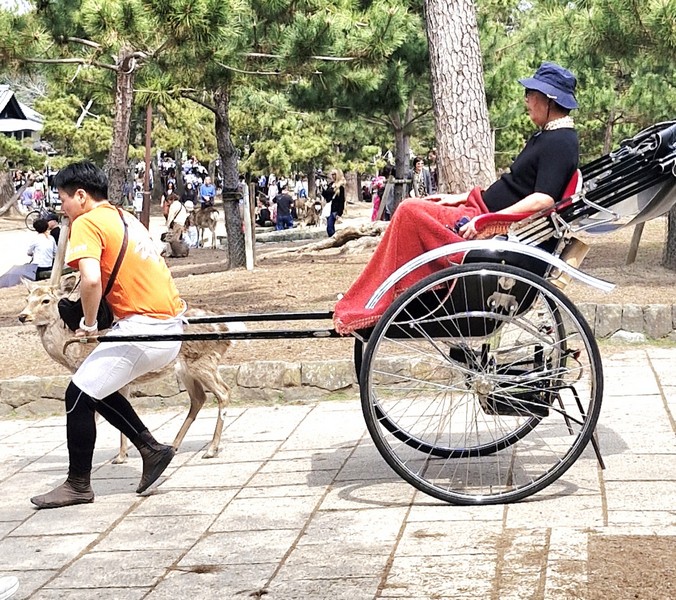
Outside Asakusa Station was a number of jinrikisha (literally “man powered vehicle”). A 30-min. tour, for two persons, on board these rickshaws costs around JP¥9000.  The temple was a short 10-min. walk from the station.  Surprisingly, even for a Monday, there were lots of people on the street.  Adjacent to the temple is a five-story pagoda, a Shinto shrine, the Asakusa Shrine, as well as many shops with traditional goods in the Nakamise-dōri. Some visitors buy the charms sold at the temple.

Check out “Asakusa Shrine

The author at the temple grounds

The temple’s official name is Kinryuzan (Mountain of Golden Dragon), but it is also known as Asakusa Kannon and the residential building is called Denpo-in.  During the 10 March air raid on Tokyo in World War II, the temple was bombed and destroyed but was rebuilt later.  Today, it is a symbol of rebirth and peace to the Japanese people. In the courtyard there is a tree that is a similar symbol to the temple itself.  During the air raid, it was hit by a bomb but has regrown in the husk of the old tree.

Residents in traditional kimonos

Here are some interesting trivia regarding this temple:

  • Founded in 645 AD, it is Tokyo’s oldest temple and one of its most significant. In the early years of the Tokugawa shogunateTokugawa Ieyasu designated Sensō-ji as tutelary temple of the Tokugawa clan.
  • According to legend, two fishermen, the brothers Hinokuma Hamanari and Hinokuma Takenari, found a statue of the bodhisattvaKannon (Avalokiteśvara) in the Sumida River (Miyato River) in 628. Hajino Nakamoto, the chief of their village in Asakusa, recognized the sanctity of the statue.  To enshrine it, he remodeled his own house into a small temple so that the villagers could worship Kannon.
  • Formerly associated with Hiezan Enryakuji, the head temple of the the Tendaisect of Buddhism, it became independent as the head temple of the Seikannon sect after World War II.
  • With over 30 million visitors annually, Sensoji is the second most widely visited spiritual site in the world after the Vatican.
  • In the New Year, it ranks among the top 10 temples in Japan for the number of visitors.

Kaminarimon Gate

Dominating the entrance to the temple is the vermillon Kaminarimon (“Thunder Gate.”)  In 942, it was built as the main gate of Sensoji Temple by Kimimasa Taira in Komagata, rebuilt in 1635 but burned down in 1639. In 1649, Iemitsu Tokugawa donated the main hall, Niomon Gate (Hozomon), the five-story pagoda, and Kaminarimon Gate. Over the years, Kaminarimon Gate was destroyed by fire several times, the last time in 1866.

Nakamise-Dori heading towards Kaminarimon Gate

The existing gate dates from 1960. Konosuke Matsushita, a founder of Panasonic Corporation, contributed to its reconstruction.  An imposing Buddhist structure, its official name is Fujin- Raijin Gate.  It features a chochin, a massive paper lantern dramatically painted in vivid red-and-black tones, suggesting thunderclouds and lightning. When facing front, on the left is the statue of Rajin-sama, the god of thunder and lightning, while on the right is the statue of Fujin-sama, the god of wind. Facing the rear, on the left is the statue of Tenryu while on the right is the statue of Kinryu, both dragon gods in human form.

Hozomon Gate

Beyond the Kaminarimon is Nakamise-dori, with its shops, followed by the two-storied, dynamic Hōzōmon  which is bigger than Kaminarimon Gate and provides the entrance to the inner complex. The Hozomon, called Niomon Gate since the olden days, was destroyed by fire in 1631, rebuilt by Iemitsu Tokugawa in 1636 but burned down in the massive air raids of 1945.  In 1964, it was rebuilt with a donation from the late Eitaro Otani, third chairman of the Asakusa Tourist Federation.

Check out “Nakamise-Dori

Cochin of Hozomon Gate

It houses a pair of Ni-Ou figures in front, both guardian deities. It is said that the models for these fierce looking deities where 1960’s sumo wrestlers Kitanoumi (on the left) and Myobudani Kiyoshi (on the right).

Ni-Ou

The chicken wire keeps people from touching the statues.  The gate’s upper storey houses the temple’s Buddhist sutras that include Hokke-kyo (Lotus Sutra), which is designated as a National Treasure, and the Issai-kyo, a complete collection of Buddhist scriptures that is an Important Cultural Property. This is why the gate is called Hozomon Gate (“Treasure House Gate”).

O-Waraji (Straw Slipper)

At the back of the gate is a huge, 4.5 m. high pair of o-waraji (traditional straw slippers) weighing 2,500 kgs. Symbolic of the power of Ni-Ou, they are charms against evil. Before visiting the Main Hall, cleanse your hands and mouth at the ablution fountain of the Omizuya (generally called as Chozusha). It has a bronze statue of Sakara, the King of Water, designed by Kotaro Takamura.

Ozimuya

Within the precincts are a stately, eye-catching five-storey pagoda (Gojunoto) built, together with a lecture hall, in the new toinzukuri style in 1973; and the main hall (Hondo, also called Kannondo), devoted to Kannon Bosatsu.

Five-Storey Pagoda

The 53.32 m. tall pagoda is the second highest in Japan after the 56-m. high pagoda of Toji Temple in Kyoto. The original pagoda, built in 1648 on a different site, was destroyed by an air raid in 1945. The top of the pagoda houses Buddha’s ashes ceremonially transferred from a temple in Sri Lanka. You can’t go inside the pagoda as it is a graveyard that contains memorial tablets of thousands of families and individuals.

Main Hall (Hondo)

The impressive Main Hall, with its high-pitched roof, enshrines a principal image of Buddha, known as Kannon Bosatsu (Kannon Bodhisattva). Built in 1644, it was destroyed in 1945 and rebuilt with the same design as the old one in 1958.

Jokoro, the main incense censer, is a large bronze vessel filled with sand and ash. Bundles of incense sticks, about 2 cm in diameter and 15 cm long, are lit here. Pilgrims stop here to wave the cleansing smoke, “the breath of the gods,” over their face and body.

Giant vase with a gold Buddhist manji cross.  It is the reverse of the right-facing German swastika.

On the west side of the Main Hall is Yogodo Hall where Buddhist divinities who support Kannon Busatsu are enshrined.  At the left side of the hall is a hexagonal building (Rokkakudo), the oldest wooden structure (it was built in the 16th century).

Yogodo Hall

The Yogodo’s quiet contemplative garden, kept in the distinctive Japanese style, features an old stone bridge, the oldest in Tokyo (it was built for the Asakusa Toshogu Shrine in 1618), that spans a small pond stocked with colorful koi and fed by a rushing stream.

Stone bridge (the oldest in Tokyo) over a koi-filled pond

At many places on its approach and within the temple itself are o-mikuji stalls where, for a suggested donation of JP¥100, visitors may consult the oracle and divine answers to their questions.

Maigo-shirase Sekihyo (Mark Stone for Lost Child). Carved with “Namu Daijihi Kanzeon-bosatsu Mayoiko-no Shirube,” it had been used for exchanging information about lost children in the Edo period.

Querents shake labelled sticks, from enclosed metal containers, and read the corresponding answers they retrieve from one of 100 possible drawers.

An 8 m. high, bronze Hokyoin-to, a tiered tower or pagoda, was cast by Fijiwara Masatoki in 1761. The largest one left in Tokyo, it was damaged during an earthquake in 1855 but was restored in 1907 to commemorate Japan’s victory in the Russian – Japanese War.

Saibutsu Itabi, raised from the late Kamakura period to the early Muromachi period, measures 217.9 cm. high and 46 cm. wide. It is the largest Aoishi Toba (blue stupa) in Tokyo.

Statue of Amitabha Tathagata

The Tori No Ichi Fair, held for over 300 years in front of Sensoji on the days of the rooster in November (according to the Chinese zodiac calendar), is an interesting special event held to sell kumade bamboo rakes which are supposed to be lucky for business.

Seated bronze statue of Kannon Bodhisattva, attendant of Amida Buddha, sitting on lotus pedestal.

The Clock of Peace, a gift of the Lions Club International, originally had a square Seiko clock mounted on the pagoda but has been replaced by an ordinary National Panasonic clock.

Attracting a large number of local small business owners, when a rake is sold, the buyer and seller perform a tejime (a ritual hand clapping ceremony) together.

Hato Poppo Song Monument. Hato Poppo, is a children’s song written by Rentaro Taki and Kume Higashi. Kume came up with the lyrics for the song as she observed children play with pigeons on the grounds of Sensoji Temple. In 1962, a monument was raised at Sensoji in honor of this famous Japanese nursery song. The monument is inscribed with the words and the score for the song, with lifelike bronze pigeons resting on top.

Sensō-ji Temple: 2-3-1 Asakusa, Taitō-ku, Tokyo, Japan. Open daily, 6 AM to 5 PM (6:30 PM, October to March).  Admission is free.

How to Get There: The temple is a 10-min. walk from Asakusa Station which is served by the Tokyo Metro Ginza Line, Toei Asakusa Line and Tobu railway lines. It is also a 10-min. walk from Tawaramachi Station on the Ginza Line.

Samurai Museum (Tokyo, Japan)

Samurai Museum. L-R: Bryan, Cheska, Kyle, the author, Grace and Jandy

The Samurai Museum (侍ミュージアム), an urban entertainment museum centrally located in the Kabukicho district of Tokyo’s Shinjuku (an area known more for its nightly entertainment than cultural facilities) ward, displays, under dramatic lighting, more than 70 examples of samurai armor, kabuto helmets and weapons gathered from Japanese and foreign collections.

A row of yoroi sets of armor

The rooms here are as Japanese as the museum creators can make it, with tatami mats, paper screens, very atmospheric lighting, Japanese music, etc..

The author beside a set of armor

The museum has two areas.  At the ground floor is the gift shop, the reception desk and an array of very beautifully arranged rows of yoroi sets of armor, mostly from the Muromachi (1336-1573) and Edo (1600-1868) periods.

Armor Sewn with Dark Blue Thread with 2-Piece Cuirass (Edo Period)

Facing them is a traditional painting depicting the Battle of Sekigahara. As soon as we entered the museum, we were transported into the world of Japan’s samurai culture.

Armor Sewn with Navy-Blue Thread (End of Muromachi Period)

At the first floor (or “second floor” in Japanese) are six smaller areas specializing in the Kamakura period.

Brown-Lacquered Armor (Beginning of Edo Period)

On display are swords and other bladed weapons, kabuto helmets, yoroi armor, matchlock guns and the passage to the modern era.

Brown-Lacquered Armor (Beginning of Edo Period)

The enthusiastic English-speaking guide first demonstrated a number of samurai sword moves and, for good measure, lets out a blood-curdling scream. The detailed explanation included information on the weapons on display.

Chiossone (Samurai helmet)

The actual number of exhibits wasn’t that big but it was enough to illustrate some of the main points of the history of the samurai. 

Copy of Iron Armor with 2-Piece Cuirass of Yukimura Sanada (Heisei Period)

We learned the meaning of the word “samurai;” what differentiates a samurai’s katana from other kinds of swords; that guns were also used in Japan during the time of the samurai; what was bushido (the “way of the samurai”); which animals and colors were thought to represent strength and why the samurai shave their heads.

Copy of the Armor of Kanatsugu Naoe (Heisei Period)

The guide also cleared some basic misconceptions regarding the samurai.  We learned that samurai warriors used disposable blades (after a few strikes, the blade was no longer sharp); that the sword was not “the soul of the samurai” (the bow and arrow was) and how important firearms were for the samurai who actually went to war. 

Gold Lacquered Armor with 2-Piece Cuirass (Late Edo Period)

Description of Armor Wearing

We also learned what was happening in Japanese history at the time of the rise of the samurai, including the Mongol invasion of Kyushu in the 13th century. We found out more about Japan’s three most famous samurai (Oda Nobunaga, Toyotomi Hideyoshi, and Tokugawa Ieyasu); learned what kind of armor each wore to battle and how the style of each has been expressed through haiku poetry.

Image of Ieyasu Tokugawa

Golden Armor of Ieyasu Tokugawa (Heisei Period)

Portrait of Nobunaga Oda Shihon Choku Shoku

Copy of the Armor of Hideyoshi Toyotomi (Heisei Period)

Image of Hideyoshi Toyotomi

Even for someone who is somewhat familiar with the subject, some of the exhibits were indeed very interesting and friendly to the casual visitor, especially to us who came from abroad (about 60% of the museum’s visitors are Westerners, 35% are Asians and only 5% are Japanese)

Gold Lacquered Armor with 2-Piece Cuirass (Late Edo Period)

The exhibitions displayed in the second floor were in chronological order and so, to easily understand and appreciate the artifacts, each item on display had detailed descriptions written in English, Chinese and Korean.

Cheska and Bryan

The super popular Samurai Photo-Shooting corner was the piece de resistance of the tour. Jandy and Bryan had their pictures taken wearing a samurai helmet (kabuto), battle coat (jinbaori) then wielding a sword and trying their hands in Samurai cosplay.  Cheska wore a kimono.  Unfortunately, there were no outfits for Kyle.

Bryan

Jandy

Overall, the Samurai Museum was a fun way for young people and parents to spend a couple of hours to further understand what it truly means to be a samurai, one of the most well-known icons of Japanese culture, rather than for serious scholars of samurai culture and history.

Gold-Lacquered Saddle Seat with Unryu-zu (Ise Ise No Kami Sadamune)

As it was already late in the evening when we visited, we missed the 10-15-min. special afternoon performance of a quite intense and realistic sword battle featuring the instantaneous drawing of the sword (if you’re lucky you can catch a glimpse of a ninja).  Started since March 12, 2016, it was performed by professional actor Shinichiro Matsuura. Show times were 2PM, 3PM, 4PM and 5PM.

Katana (Japanese Sword, Oumo no Kami Tadayoshi, Middle of the Edo Period)

Japanese Sword (Dengassan, Middle of Muromachi Period)

Every Tuesday and Thursday, calligrapher Ms. Shiho Kurabayashi, designer of the logos for both the movie Sadako 3D as well as the Japanese Aerospace Exploration Agency, will give Japanese calligraphy lessons, an art form practiced, through the centuries, by samurai and nobles. Ink, paper and writing brush will be provided.

Mutsu no Kami Yoshiyuki (Heisei Period)

Nagamaki -Sword Blade with a Long Hilt (End of Edo Period)

Visitors who will take this course will learn the fundamentals, including how to hold a brush, the right posture for writing calligraphy, how to write three kinds of letters used in Japanese language (Hiragana, Katakana and Kanji), the meanings of some Kanji characters, and your name in Japanese letters. Afterwards, they can take their work home as a souvenir.

Naginata – Pole Sword (Hakuryu Yoshikazu)

Tachi (Sword, Middle of Kamakura Period)

Started since December 17, 2015, the approximately 1-hour lecture starts at 7PM. Shiho taught Japanese calligraphy (shodo) at an elementary school in the U.S.  She won a prize at Mainichi Shodo Exhibition and a special award at Taito Shodo Exhibition in Tokyo. Her prize-winning pieces also appeared on the Saitama Newspaper.

Large Armor Sewn with Red Thread (Heisei Period)

Satsuma Armor Sewn with Navy Blue Thread (Edo Period)

A Japanese sword lecture is also presented by Mr. Paul Martin, former curator at the British Museum and an expert on samurai swords.  He will teach you about Samurai history, as well as how to handle swords correctly. The talk lasts about 45 mins., with 45 mins. for viewing and additional questions.

Zohyo Monogatari (Stories of Common Soldiers)

Chiyoda no Oooku Ukiyoe (Japanese Woodblock Print)

For an additional fee of JP¥32,000 – 44,000 (depending on the armor chosen), visitors can opt for a “Sengoku” style, fully armed, photo shoot which includes photos as well as a CD-ROM containing the images. 

Matchlock Gun

Smith & Wesson, II – 32 Pistol (Heisei Period)

The Gift Shop offers a full range of original samurai gift items (authentic Japanese swords, sword stands, sword fittings, samurai armor, etc.) and samurai-themed souvenirs (dolls, replica swords, etc.)for sale as well as kitchenware, Japanese cooking knives and T-shirts.

Battle of Kawanakajima Ukiyoe (Japanese Woodblock Print)

A Crisis of Japan (Kano Seiseinin)

Samurai Museum: 1/F Eiwa Dairoku Bldg., 2 Chome-25-6 Kabukicho, 160-0021, Shinjuku, Tokyo.  Tel: +81 3-6457-6411.  Admission: JP¥1,900 (adults) and JP¥800 (children under 12 years of age).  Children 3 years old or under enter free if accompanied by an adult.
The sword show and samurai costume are included with museum admission. Open daily, 10:30AM to 9PM. (No admissions after 8:30 PM). Admission to the Japanese sword lecture (starting time: 7PM)and calligraphy lessons is JP¥5,000 (museum admission included). Advance reservation of two or more required. Website:  www.samuraimuseum.jp.  Gift Shop email: info@samuraigift.jp. Facebook: www.facebook.com/samuraimuseum.jp.

How to Get There: The museum is an 8-min. walk from Shinjuku Station’s East Exit on the JR Yamanote Line, a 4-min. walk from Seibu Shinjuku Station, a 6-min. walk from Higashi-Shinjuku Station Exit A1 and a 10-min. walk from Shinjuku Sanchome Station.

Meiji Jingu Shrine (Tokyo, Japan)

The Meiji Jingu Shrine

As we delved deeper into Yoyogi Park, we soon came across the entrance to the Meiji Shrine. Located directly in front of the entrance to the shrine was the temizuya (font), a cleansing station where visitors used wooden ladles to spiritually cleanse themselves by pouring water over their hands (left before right) and rinse mouths with their left hand.

The temizuya (hand wash pavilion)

The Meiji Shrine (明治神宮 Meiji Jingū), the largest and one of the Japan’s most popular Shinto shrines, is dedicated to the deified spirits of Emperor Meiji (the shrine, however, does not contain the emperor’s grave, which is located at Fushimi-momoyama, south of Kyoto) and his wife and consort, Empress Shōken.

Torii (Japanese gate) at the entrance of the Meiji Jingu Shrine.  Devotees usually bow once here upon entering and exiting the shrine.

After the emperor’s death in 1912, the Japanese Diet passed a resolution to commemorate his role in the Meiji Restoration, choosing an iris garden, in an area of Tokyo where Emperor Meiji and Empress Shōken had been known to visit, as the building’s location. The building of the shrine, a national project, mobilized youth groups and other civic associations from throughout Japan, who contributed labor and funding. In 1915, construction began under Itō Chūta.

The Minami-Shinmon Gate

The shrine, built in the traditional nagare-zukuri style, primarily uses Japanese cypress and copper. On November 1, 1920, eight years after the passing of the emperor and six years after the passing of the empress, it was formally dedicated and completed in 1921.  Its grounds were officially finished by 1926. Until 1946, the Meiji Shrine was officially designated one of the Kanpei-taisha (官幣大社), meaning that it stood in the first rank of government supported shrines.

The author at Minami-Shinmon Gate

During the Tokyo air raids of World War II, the original building was destroyed and the present iteration of the shrine was funded through a public fund raising effort and completed in October 1958. The shrine has been visited by numerous foreign politicians, including U.S. Pres. George W. Bush, U.S. Secretary of State Hillary Clinton, and German Foreign Minister Guido Westerwelle.

Kyle, Grace and Jandy in front of the Honden (Main Hall)

The entrance to the shrine complex, marked by a massive torii gate (one of the largest in Japan) in the Myojin style, constructed from a more than 1,500 year old hinoki (Japanese cypress from Taiwan), leads through the Jingu Bashi bridge. Upon entry into the shrine grounds, the sights and sounds of the busy city are replaced by a tranquil forest and Meiji Jingu’s buildings, at the middle of the forest, that have an air of tranquility distinct from the surrounding city.

A lady worshiper praying at the Main Hall. In front of her is an offertory box where coins are dropped

Visitors to the shrine can take part in typical Shinto activities – making offerings at the main hall, buying charms and amulets, writing out one’s wish on an ema (piece of paper) and tying them on a prayer wall, etc. On the first days of the New Year, Japanese usually visit a Shinto shrine to prepare for the Hatsumōde (初詣), the year’s first prayers, and the shrine is the most popular location in Tokyo for this, regularly welcoming more than three million visitors. During the rest of the year, traditional Shinto weddings can often be seen taking place there.

Visitors shopping for omamori (lucky charms, talismans and amulets for all kinds of occasions) or ofuda (emblems bearing the name of the shrine or enshrined deities distributed by the shrine)

The shrine itself is composed of two major areas – the Naien and the Gaien. The Naien, the inner precinct, is centered on the shrine buildings, dating from 1958. The buildings, all great example of Japanese Shinto architecture, are made from Japanese cypress wood from the Kiso region of Nagano (regarded as the best in Japan) with green cooper plates used for the roofs.

Interior of the main hall

It consists of the honden (The Main Hall, the main shrine building proper and the innermost sanctuary of the shrine), noritoden (The Prayer Recital Hall where Shinto liturgy is recited), naihaiden (The Inner Shrine Hall), gehaiden (The Outer Shrine Hall), shinsenjo (the consecrated kitchen for the preparation of the food offerings) and shinko (The Treasure House).

A prayer wall where ema are hung on hooks. An ema is a wooden tablet, obtained at the juyosho (amulet offices), where wishes are written.  There are two main types of ema – Kigan-Ema (bear the crest of the shrine on their front and the word Kigan on their back) and the Eto-Ema (depicting this year’s Eto  or zodiac).

The Treasure House, at the northern end of the shrine grounds, was built in the Azekurazukuri style one year after the shrine was opened.  It displays many interesting personal belongings of the Emperor and Empress, including the carriage which the emperor rode to the formal declaration of the Meiji Constitution in 1889. The Museum Annex Building, just to the east of the main shrine buildings, displays temporary exhibitions.

Kaguraden (Hall of Shinto Music and Dance). Goshuin (Meiji Jingu Memorial Seal), to remind you of your visit to Meiji Jingu,  are stamped and hand-painted here.

The quite beautiful, simple and classic Minami-shin Mon, the main shrine gate to the inner precinct, was built in 1921.  Made entirely of Japanese cypress, it has a copper plate roof. You reach it upon passing the final myojin torii gate. This gate and one of the amulet offices (shukueisha) were the only constructions in Meiji Shrine not destroyed by the World War II raids.

The reception and registration area of the Kaguraden Hall

The Kaguraden (Hall of Shinto Music and Dance), built to commemorate the 70th anniversary of the establishment of Meiji Jingu, was started in 1990 and completed in October 1993. This 3-storey building (one floor is above the ground and the other two floors below ground level) follows the traditional Irimoya-Nagarezukuri architectural style The front entrance, with the reception and registration area, is slightly below ground level. One flight of stairs leads down, and another flight of stairs leads up to the waiting area and the hall for ceremonies.

The Gaien, the outer precinct, includes the Meiji Memorial Picture Gallery (housing a collection of 80 large murals illustrative of the events in the lives of the Emperor and his consort); a variety of sports facilities, including the National Stadium (Meiji Jingu Gaien Stadium and later, since 1956, on the same site, Tokyo Olympic Stadium); the Meiji Kinenkan (Meiji Memorial Hall).  The latter, originally used for governmental meetings (including discussions surrounding the drafting of the Meiji Constitution in the late 19th century), is now used for Shinto weddings as well as meeting rooms for rent and restaurants services.

The Meiji-jingu Gyoen (Inner Garden), a large area of the southern section of the shrine grounds, becomes particularly popular during the middle of June when the beautiful irises here are in bloom. Kiyomasa’s Well, a small well located within the garden visited by the Emperor and Empress while they were alive, was named after a military commander who dug it around 400 years ago. The well has become a popular spiritual “power spot.”

Meiji Shrine: 1-1, Kamizono-chō, YoyogiShibuya-kuTokyo 151-0053.  Open daily, from sunrise to sunset.  Admission to the shrine precinct is free. The Inner Garden, open from 9 AM to 5 PM, requires an entrance fee of JP¥500 to enter.

How to Get There: From JR Tokyo Station, get on the Yamanote Line and get off at the busy Harajuku Station on the JR Yamanote Line or Meiji-jingu-mae Station on the Chiyoda and Fukutoshin Subway Lines. It is about a 25 minute train ride. The approach to Meiji Shrine starts a few steps from Harajuku Station.  The main complex of shrine buildings is a 10-min. walk from both the southern entrance near Harajuku Station and the northern entrance near Yoyogi Station.
Yoyogi Park (Tokyo, Japan)

Yoyogi Park

Yoyogi Park (代々木公園 Yoyogi kōen), adjacent to the Meiji Jingu Shrine, is located in a forest within the densely built-up city.  A popular Tokyo destination, it covers an area of 54.1 hectares (134 acres).  The park is covered by an evergreen forest that consists of 120,000 trees of 365 different species, which were donated by people from regions across the entire country when the shrine was established.

The author under the park’s massive, 40 ft. high torii (Japanese gate)

This popular Tokyo destination stands on the site where, on December 19, 1910, Capt. Yoshitoshi Tokugawa made the first successful powered aircraft flight in Japan. Later, the area became an army parade ground. From September 1945, during the Allied occupation of Japan, the site housed “Washington Heights,” the military barracks for U.S. officers.
In 1964, the area was used for the Tokyo Olympics, housing the main Olympic village and the distinctive Yoyogi National Gymnasium (designed by Kenzo Tange, it hosted the swimming and diving, with an annex for the basketball). On October 20, 1967, most of the area north of the gymnasium complex and south of Meiji Shrine was turned into Yoyogi Park.

On Sundays, the landscaped park, with its picnic areas, bike paths, cycle rentals and public sport courts, is especially busy when it is used as a gathering place for Japanese rock music fans, jugglers, comedians, martial arts clubs, cosplayers and other subculture and hobby groups. During hanami, thousands of people visit the park to enjoy the cherry blossoms.

Street performer at Jingu Bashi Bridge

Rock band performing at same bridge

The forest is visited by many as a recreation and relaxation area in the center of Tokyo and the spacious shrine grounds offer walking paths that are great for a relaxing stroll.

Cheska and Bryan admiring the colorful karadizu, wrapped in straw and having wonderful unique graphics, containing sake

Along the path to Meiji Shrine is a great wall of colorful kazaridaru (which means “decoration barrels”) containing saké (Japanese rice wine), all wrapped in straw and having wonderful unique graphics. These sake barrels, offered every year to the enshrined deities at Meiji Jingu Shrine, were donated by sake brewers from around Japan. The sake is used for shrine ceremonies and festivals.
Across are barrels of wine to be consecrated at Meiji Jingu.  These have been offered by the celebrated wineries of Bourgogne in France on the initiative of Mr. Yasuhiko Sata, Representative, Hourse of Burgundy in Tokyo, Honorary Citizen of Bourgogne and owner of the Chateau de Chailly Hotel-Golf.

Provenance of the Bourgogne Wine for Consecration

Yoyogi Park: 2-1 Yoyogikamizonocho, ShibuyaTokyo 151-0052, Japan.  Tel: +81 3-3469-6081.

How to Get There: The park is located near the JR Line’s Harajuku Station or Yoyogi Station, or Tokyo Metro’s Meiji-Jingumae Station.