Dipnaysuhuan Japanese Tunnel (Basco, Batanes)

Dipnaysuhuan Japanese Tunnel

After our tour of the PAGASA Radar Station, we again boarded our van for the short drive to the Dipnaysuhuan Japanese Tunnel, making a short stopover to see the Basco idjang.  This was my second visit to both.

Check out “PAGASA Radar Station” and the “Idjangs of Batanes”
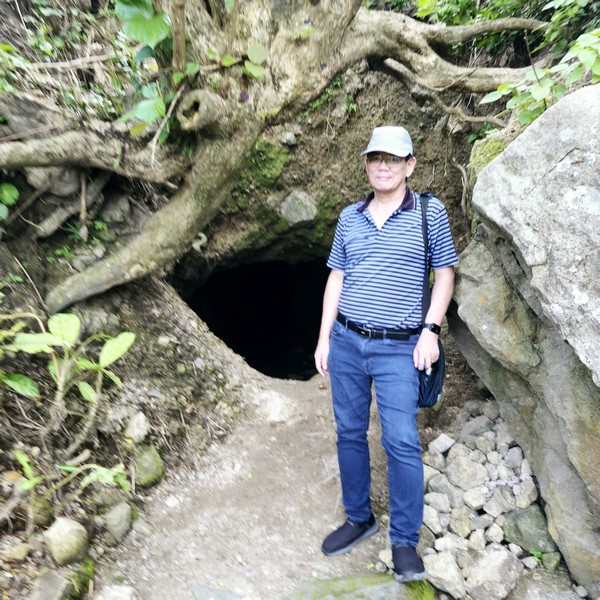
 

The author at second lower level tunnel entrance

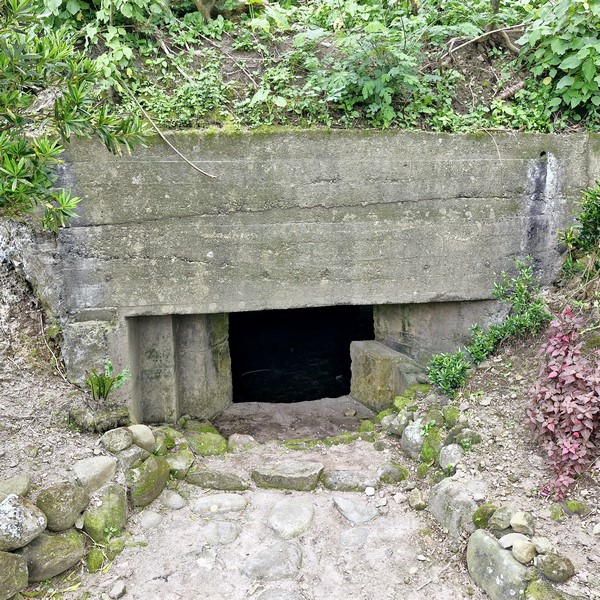
This abandoned 250-m. long interconnected network of six 8-ft. high and 6-ft. wide bat-filled tunnels running deep in the Tukon Hills, carved by local Ivatans out of volcanic rocks and plastered with cement, served as a shelter and lookout for Japanese soldiers during World War II (1941 to 1945).
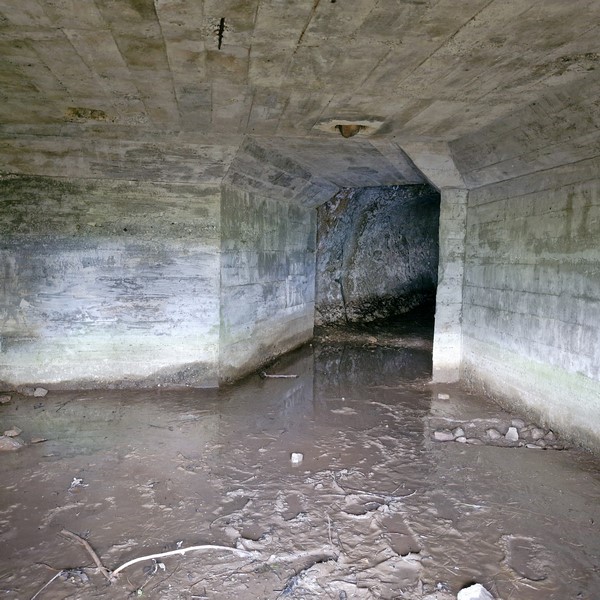
Water-logged and muddy interior of first lower level tunnel entrance
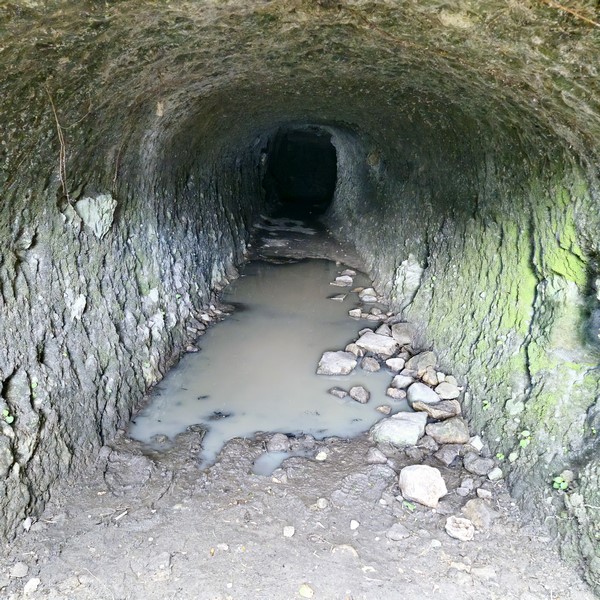
Moss-coated, water-logged and muddy inter of second lower level tunnel entrance

It has a series of chambers, bunkers, a water reservoir and five openings; three on the upper level (serving as observation points overlooking Baluarte Bay) and the remaining two are on the lower levels.  A concrete bunker on top of the network served as a machinegun nest.
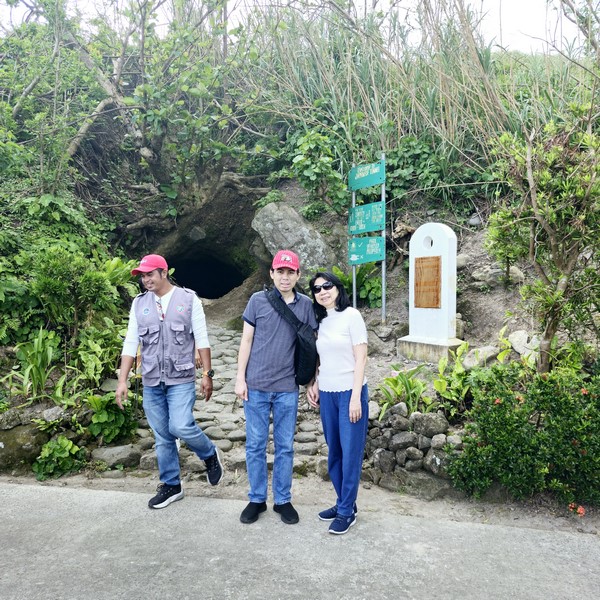
L-R: our guide Harvey Gutierrez, Jandy and Grace

We were able to see the two openings on the lower level along the road but didn’t bother to enter the tunnels as it muddy and water logged inside both openings.
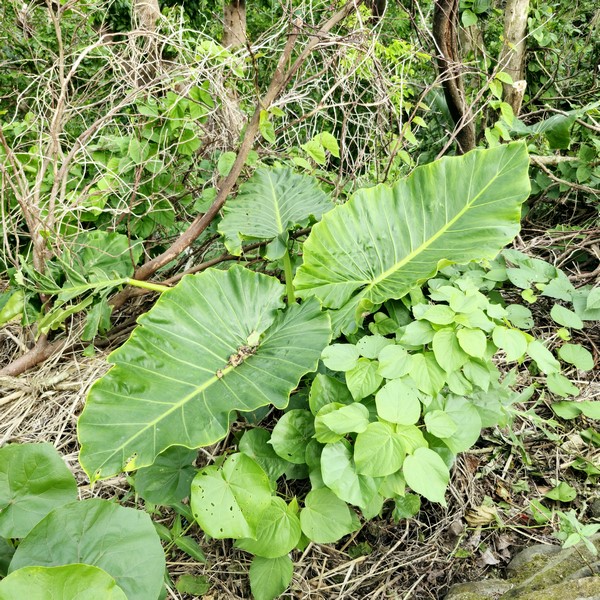
Breadfruit (Tipuho)

Lining the road are a number of breadfruit trees, arius (Podocarpus costalis) trees and angel,s trumpet (katuvang).  The very popular breadfruit, sometimes called abaya or bread leaves, is used to wrap cooked food with (much like the usual banana leaf), giving it a mild aroma and flavor. 
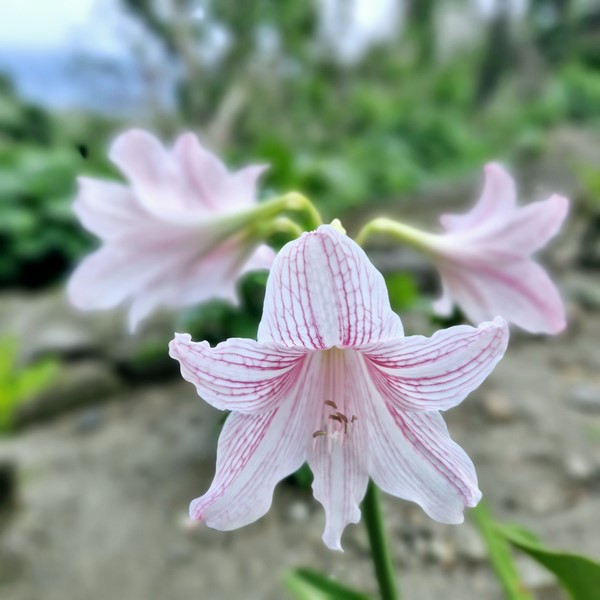
Angel,s Trumpet (Katuvang)

The endemic arius, an excellent ornamental tree, bears edible berries (comparable to that of the duhat) during the months of July to October.
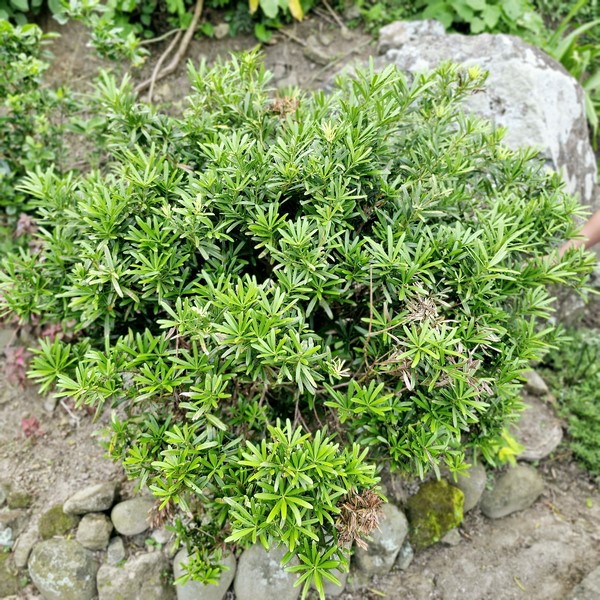
Arius (Podocarpus costalis)

Dipnaysujuan JapaneseTunnels: Tukon Hills, Sitio Tukon, Brgy. Chanarian, 3900 Basco.  Open daily, 8 AM to 4 PM. Admission is free.

How to Get There: Located on Mt. Iraya, below the idjang of Basco, it is along the route from Radar Tukon weather station to Valuga Boulder Beach and is accessible via the Vajangshin Road.   The quickest route is via tricycle, from Basco town, to Dipnaysupuan Japanese Tunnel. For a more convenient trip, join a Batanes guided tour that includes this tourist spot.  Bring a reliable guide and a lamp. From Basco town, head north toward Contra Costa Rd., continue to La Fuenta St., and turn left to National Rd. Continue straight. Japanese Tunnel is on the left side.
The Idjangs of Batanes

Thousands of years before Spanish colonization, about a thousand pre-Hispanic Ivatans utilized the strategic high ground, living in villages on fortified cliffs and hilltops scattered across today’s Uyugan. These fortified settlements near rocky natural fortresses were called idjangs, derived from the Ivatan word idi or idian, which means “home” or “hometown.” Much of what is known now about idjangs, only initiated in the 1990s, comes from the oral tradition of Ivatans.  These were compiled by native Ivatan Dr. Florentino Hornedo of UST, leading historian on anything relating to Batanes.

These castle-like structures, on elevated rock formations, resemble the gusuku castles of Okinawa (Japan) and some stone-terraced formations in Taiwan.   Pre-Hispanic Ivatans lived in communities of small clans.  During tribal wars for possessions or territory, the clans would climb the idjangs when attacked and throw stones down upon their attackers.

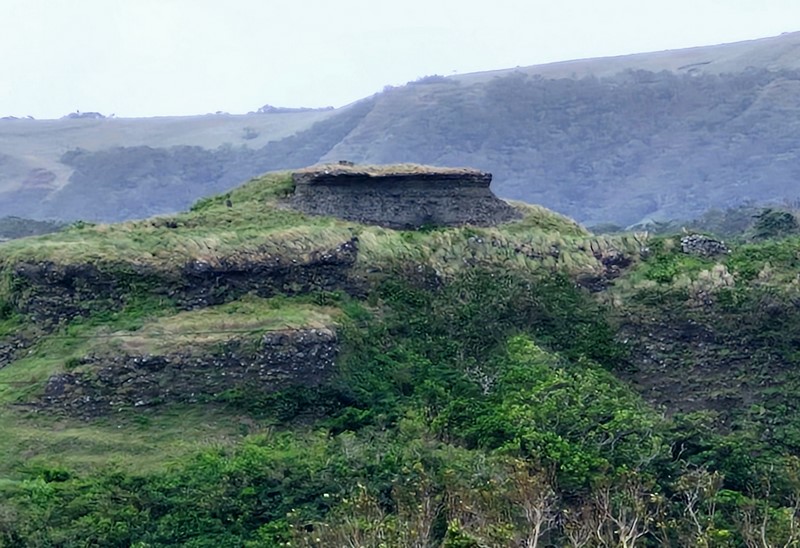
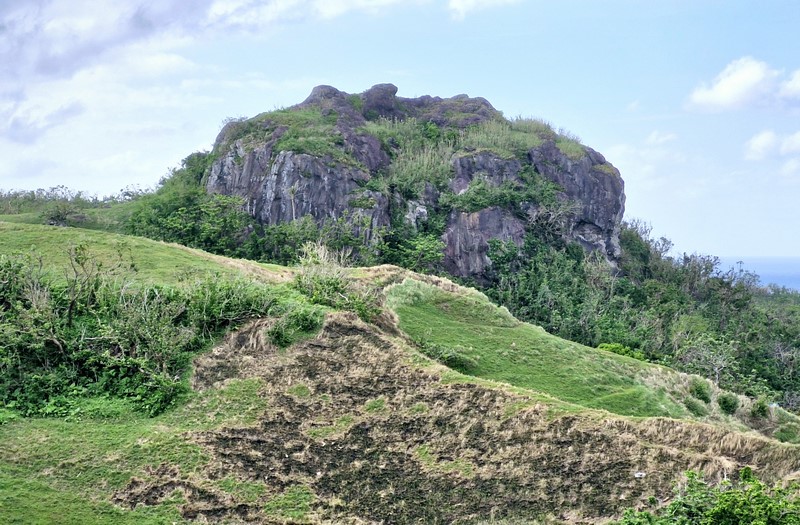
The idjang of Basco

There are 17 of these remnants of stone fortresses on large stone outcrops.  They are located at Brgy. Savidug (Sabtang), Itbayat, Ivana, Mahatao, Brgy. Itbud and Chapidan in Uyugan, Basco and Ivuhos Island (Chuhangin) and Adekey Island off Sabtang.  Artifacts found here include stone tools and implements, earthenware beads, pottery, glass, Chinese ceramics, and human and animal bones. boat-shaped burial markers.

Geologists surmise that the idjang in Basco is molten magma from Mt.  Iraya that cooled off to form a plug for an extinct volcanic crater.  The idjang in Brgy. Itbud (Uyugan) is located at a promontory at the southern end of a beach.

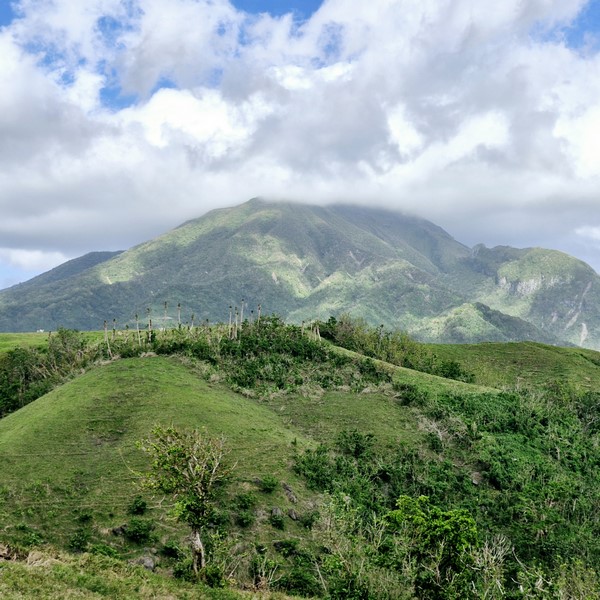
Mt. Iraya

Ancient limestone columns, with holes drilled at one end, are found littered on the idjang slopes.  They may have served as king posts for dwellings or may have once held down cogon dwellings against strong, battering winds.  Some have been recycled as posts for stone houses on Batan Island.  A wall at the idjang’s base (where a creek forks), was made with stones piled on top of each other.  Instead of mortar, they are just held together by pressure from the adjacent stones.

The Chuhangin idjang, in Ivuhos Island (Sabtang), is located on a ledge overlooking the sea and the island’s famed burial grounds.  This idjang is the only one whose sides were built by the ancient Ivatans with stones placed on top of the other without the use of mortar. The Nahini Votox idjang of Itbayat Island has a spectacular view of Dinem and the island’s eastern coast.

The idjang of Brgy. Savidug in Sabtang

The picturesque Savidug idjang, considered to be the most beautiful and perfectly shaped among the idjangs, appears to have been terraced by human hands to assume a castle-like formation. It is distinctly different from all the others in the province because its sides were carved to make entry more difficult.

Here, archaeologists have recovered, from different levels of the site, various earthenware shards, remains of wild boar and deer teeth, glass beads, shell, coral and bone fragments and some 12th century Sung type greenware.

Savidug Idjang: Brgy. Savidug, 3904 Sabtang.

PAGASA Radar Station (Basco, Batanes)

PAGASA Radar Station

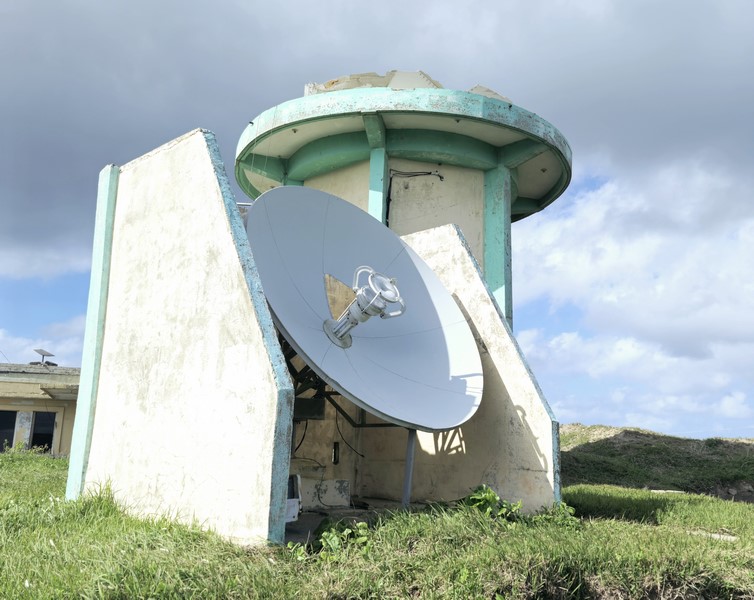
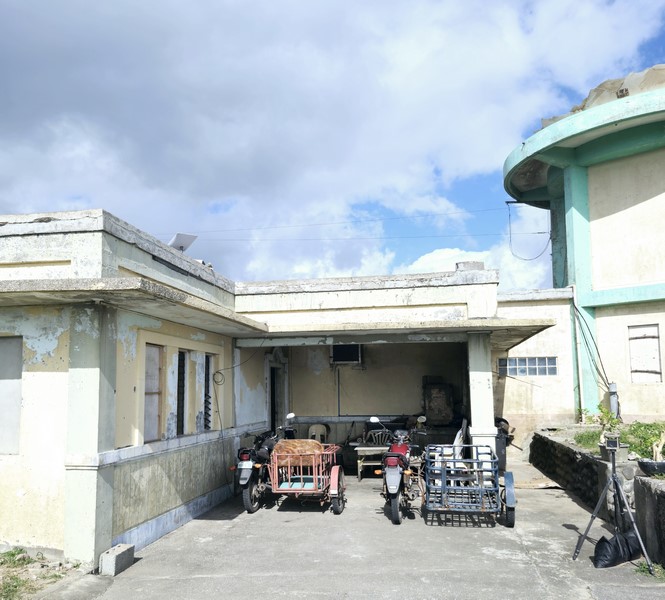
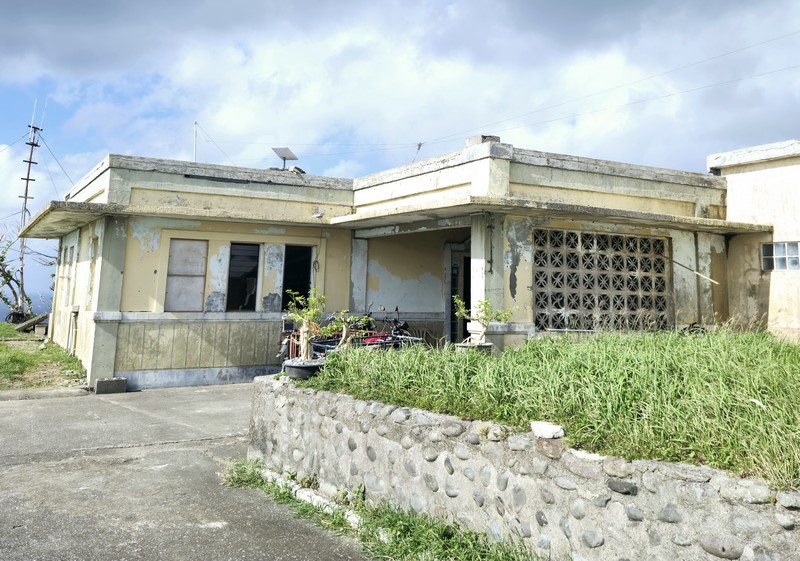
After our tour of Our Lady of Mt. Carmel Chapel, we again boarded our van for short drive, uphill, to the PAGASA Radar Station, also known as Radar Tukon.  This radar station, located on a hilltop about 300 m. above sea level, is the northernmost weather station of PAGASA (Philippine Atmospheric Geophysical and Astronomical Services Administration).

Check out “Our Lady of Mt. Carmel Chapel

Formerly a site of a lighthouse and an abandoned pre-war hilltop U.S. weather station, it monitors typhoons that enter and leave the country’s area of responsibility.  However, its huge satellite disk was ripped off by gale-force winds during September 13, 2016 super typhoon Ferdie (international name: Meranti) even before it was put to effective use.


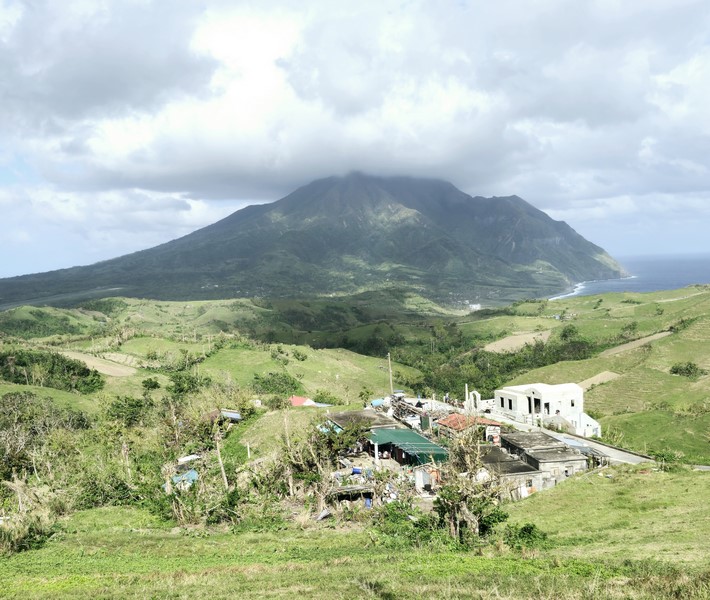
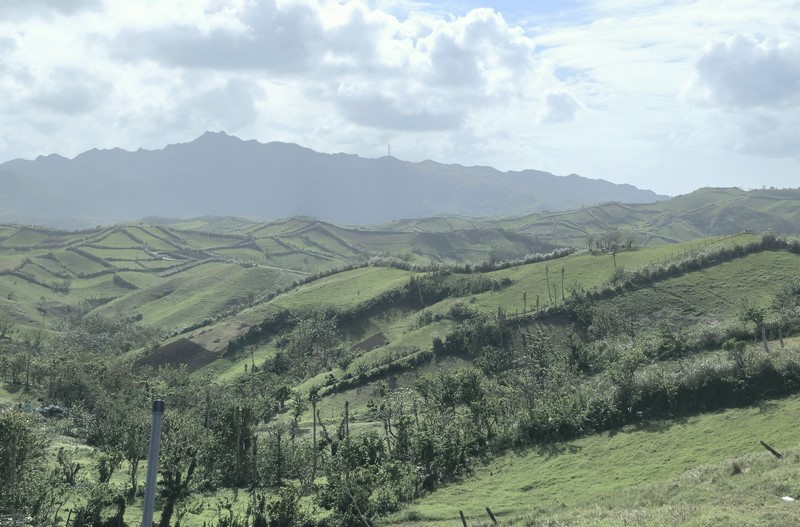
From its top, we had a magnificent and breathtaking 360-degree view of Batan Island, the West Philippine Sea, the boulder-lined cliffs, Mt. Iraya, rolling hills and the magnificent pastoral beauty of labyrinth-like hedgerows (liveng) and fields on one side and the Pacific Ocean on the other side.

Mt. Iraya

Hedgerows (liveng)

On a clear day, you can see Dinem Island in the distance and, behind it, the faint silhouette of Itbayat Island,

Our Lady of Mt. Carmel Chapel (Tukon Chapel)

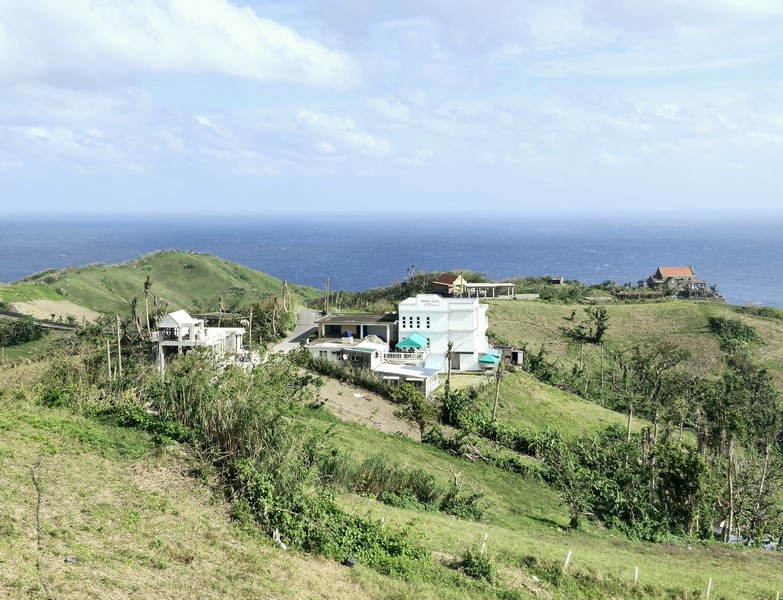
Ukuy’s Place, in the foreground, and Fundacion Pacita, in the background

PAGASA Radar Station: Sitio Tukon, Brgy. Chanarian, 3900 Basco.

How to Get There: From Basco it’s a a 2.75-km. (1.5-hour) hike, a tough 30-minute bike ride or an easy tricycle jaunt up to the Radar Station.  It is also a short 5-min. walk to Our Lady of Mt. Carmel Chapel (Tukon Chapel)

Our Lady of Mt. Carmel Chapel (Basco, Batanes)

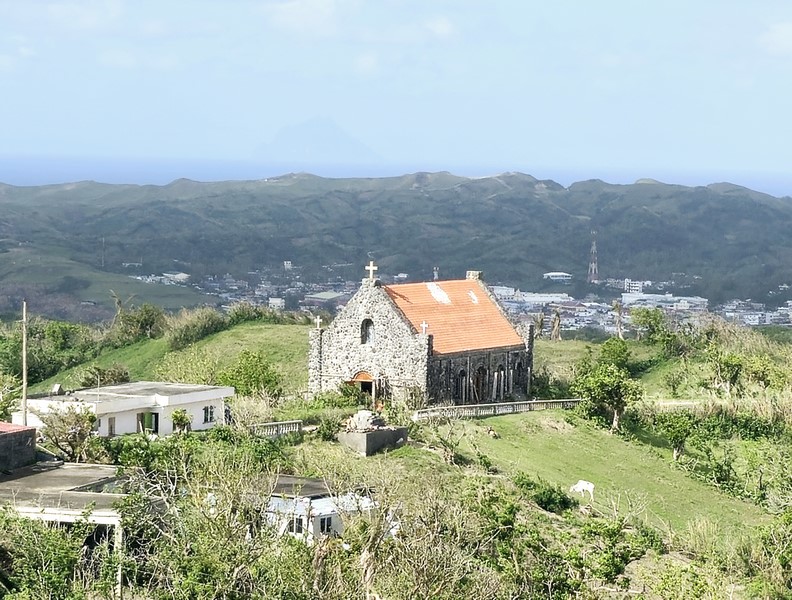
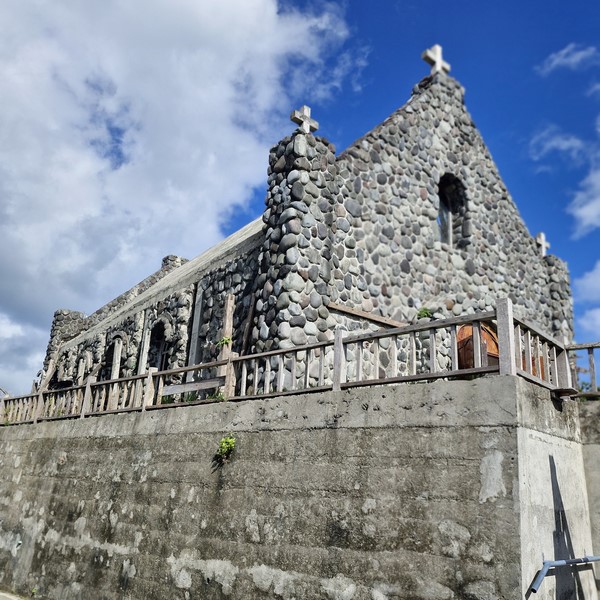
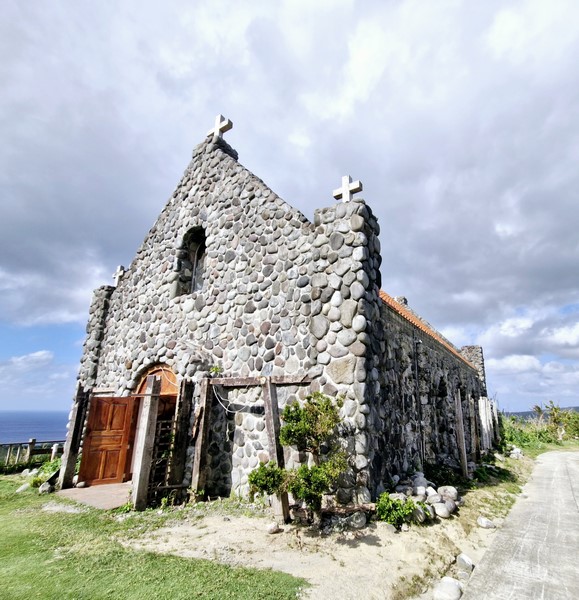
Our Lady of Mt. Carmel Chapel (Tukon Chapel)

After checking in and having a breakfast of fried dibang (flying fish) with pako salad, fried egg and rice at Bernardo’s Lantia Hotel, we were all picked, at 12 noon, by our guide Harvey Gutierrez for our North Batan Tour on board a Toyota van of A.A.B. Travel and Tours.

Check out “Hotel and Inn Review: Bernardo’s Lantia Hotel”

Harbour Cafe

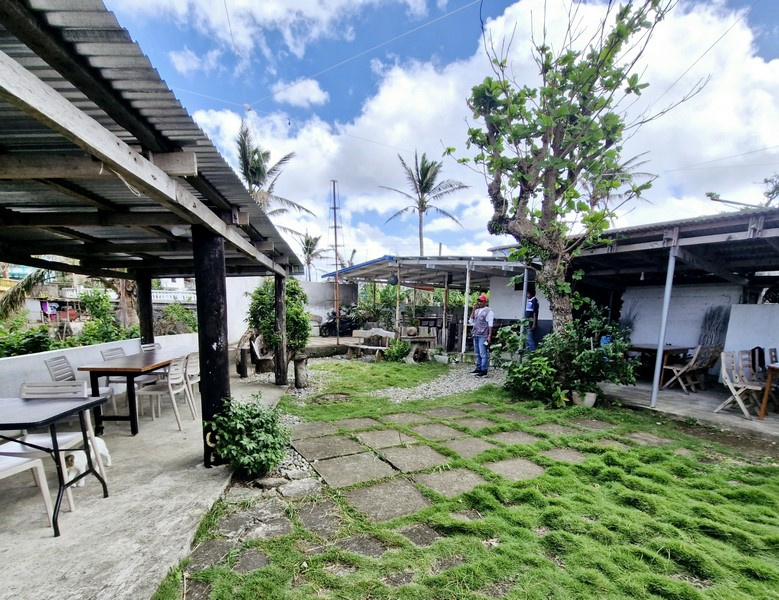
A short 2.3 km. (5-min.) drive brought us to Harbour Café where we had lunch before starting our tour.  The café has a good view of Basco Port.

After lunch, we again boarded our van for another short, 2.9-km. (7-min.) drive to Our Lady of Mt. Carmel Chapel.  Parking along the road, we climbed a short flight of steps to get to the chapel.

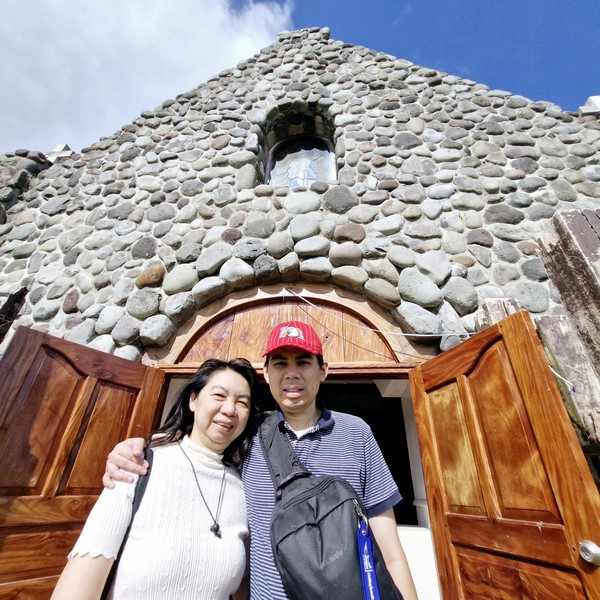
Grace and Jandy

Also known as Tukon (tukon means “mountain” in the Ivatan dialect) Chapel, this project of the late Henedina “Dina” R. Abad (former Batanes Congresswoman) and her husband Florencio “Butch” B. Abad (former Department of Education Secretary) was built to help Tukon’s residents, especially the older ones, avoid the long walk to Basco to attend church services.

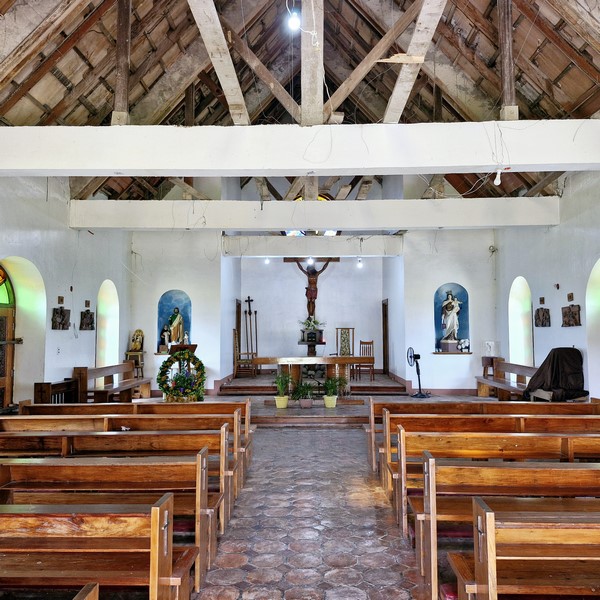
Interior of the chapel

Adopting the design of a traditional Ivatan house (stacking and bonding boulders to make a wall), local craftsmen, masons and carpenters built the church and it is the only chapel embodying such design.

Continue Reading →