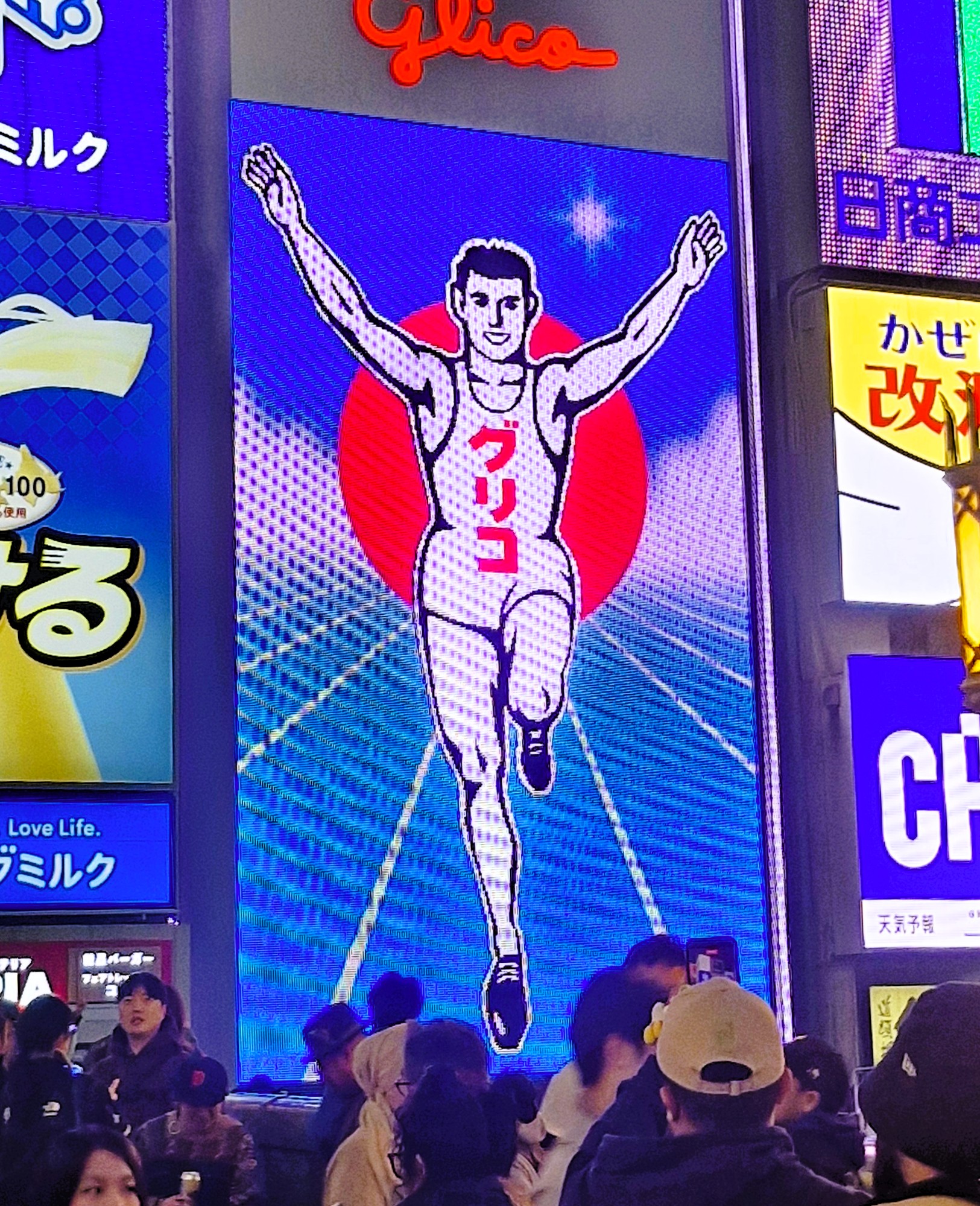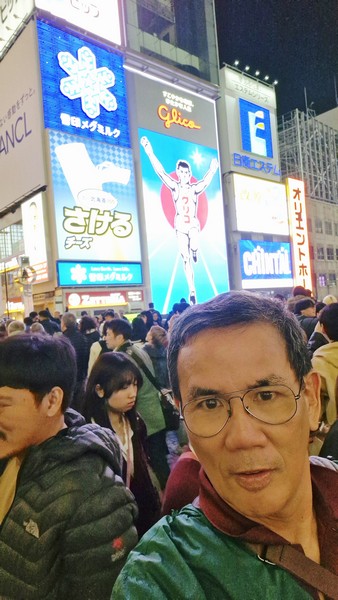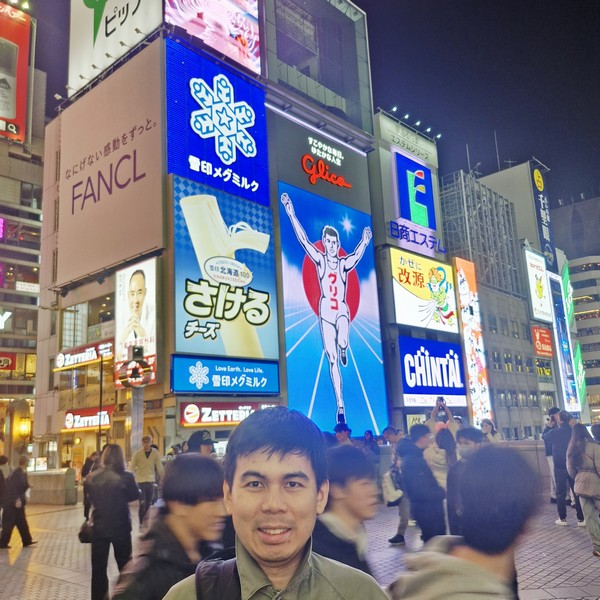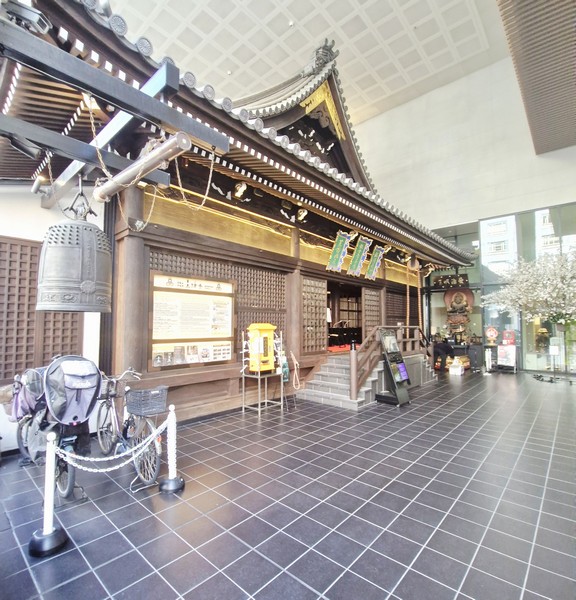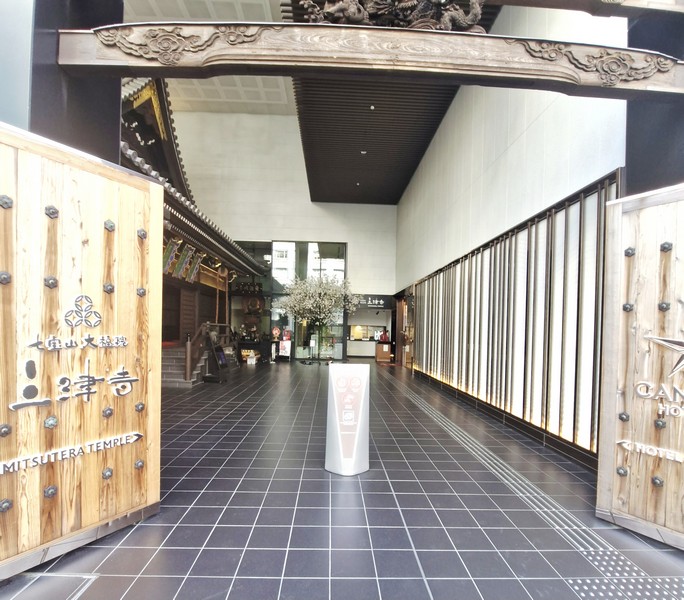
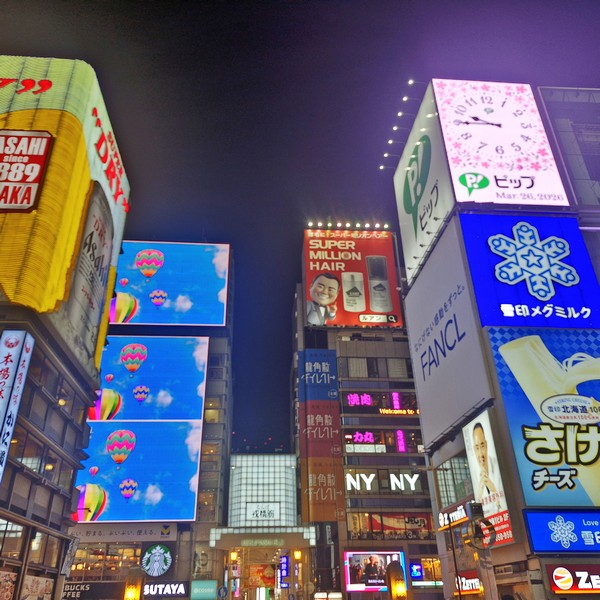
The 4-star Candeo Hotels Osaka Shinsaibashi, the hotel that we stayed in, happened to be just 250 m. from Dōtonbori District, the vibrant, popular, neon-lit entertainment and dining district of Osaka for visitors to the city, boasting of a number of well-known restaurants offering a range of traditional and modern Japanese dishes. Known as one of Osaka’s principal tourist and nightlife areas, the area runs along the Dōtonbori Canal, from Dōtonboribashi Bridge to Nipponbashi Bridge in the Namba district of the city’s Chūō Ward.
Check out “Hotel and Inn Review: Candeo Hotels Osaka Shinsaibashi”
Dōtonbori traces its history back to 1612, when merchant Nariyasu Dōton, the administrator of local canals, joined by Yasui Jihē, Yasui Kuhē, and Hirano Tōjirō, began construction of the canal on the southern edge of Osaka, aiming to increase commerce by widening the river.
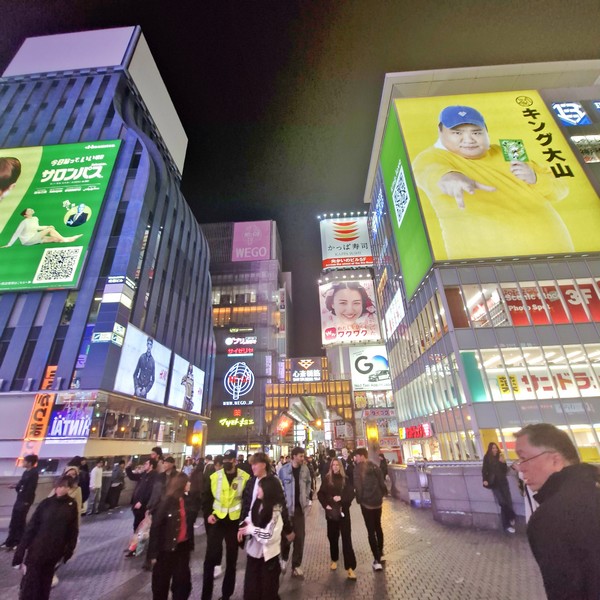
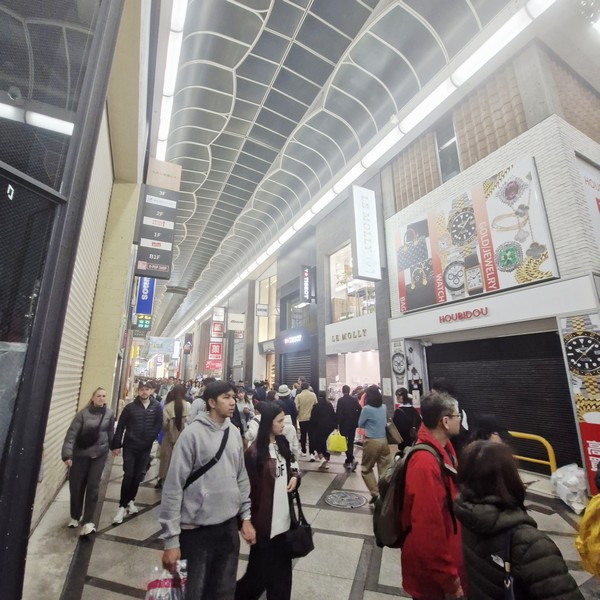
To get there, we passed through the huge tunnel of the Shinsaibashi shopping mall. We then proceeded to the main gathering spot, often called “Hina-dan,” which offers the best views of the iconic signs. Here, we encountered Kim Jong Un lookalike Howard X (Howard (X) Lee), a well-known professional Australian-Chinese impersonator and political activist. Considered the world’s first professional Kim Jong Un impersonator, he is frequently spotted in Dotonbori and other Japan locations, holding a toy missile and attracting large crowds.
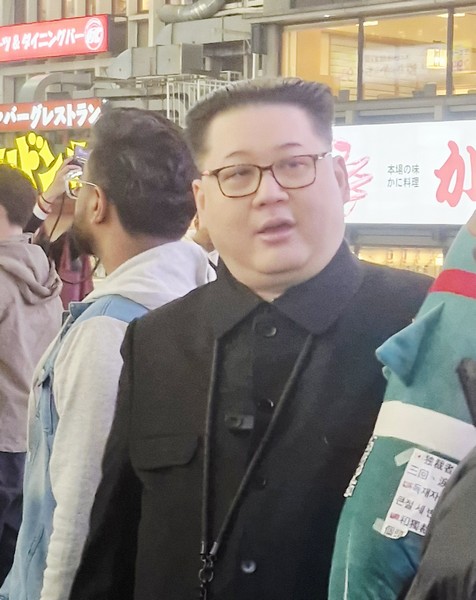
When taking photos with crowds, he often appears in costume and is sometimes paired with Donald Trump impersonators, notably around major events like the 2019 G20 Summit in Osaka. Creating satirical scenes to promote democracy, his appearance sometimes leads to deportation or detention due to political sensitivities. To provoke reactions from North Korean delegations beyond Japan, he has appeared at the PyeongChang Olympics and the Paris Olympics and has a significant presence on social media platforms such as Instagram.
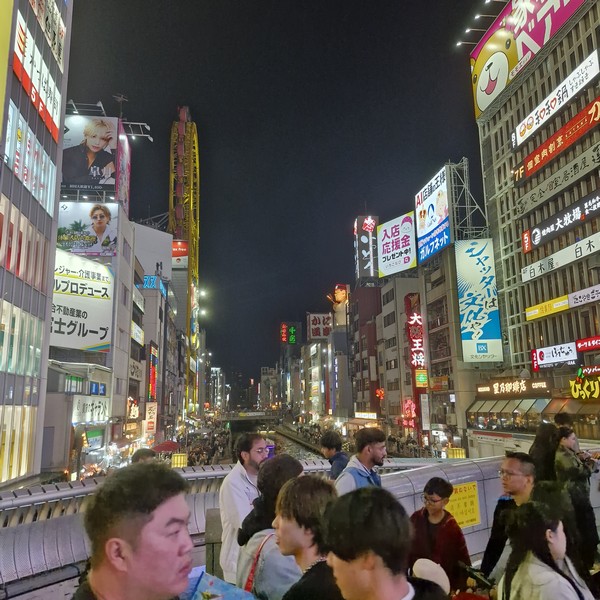
Evenings are the best times to experience the dazzling, futuristic neon cityscape reflected on the canal. Here, you can also take a Dotonbori Canal Cruise or city cruise, to see the neon lights from the water, or visit the massive Don Quijote store by the canal. Though now mostly a dining and nightlife area, the Theater District is historically known as a hub for Kabuki and Bunraku puppet theaters.
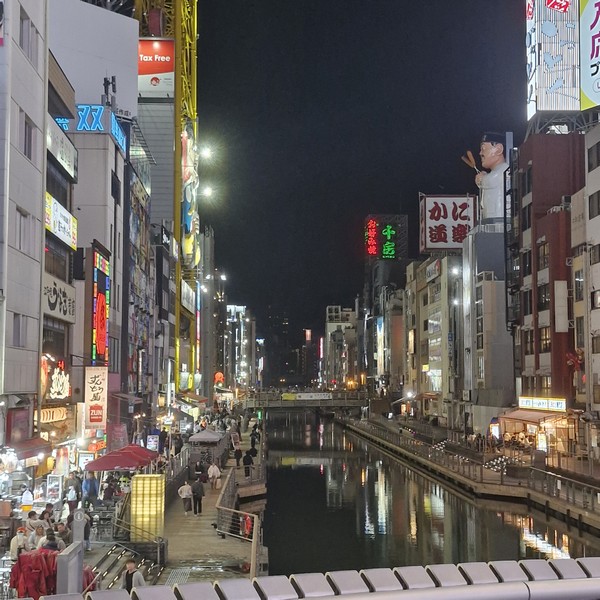
Centered along the Dotonbori Canal, Dōtonbori (bori from hori, meaning “canal”) is famous for its eccentric atmosphere and extravagant signage (including the iconic Glico Running Man Sign and the massive. 6.5 m. long moving crab sign at Kani Dōraku) and is a top tourist spot for nightlife, shopping, popular spots including Ichiran, and various street food stalls selling takoyaki (octopus balls), kitsune udon and ramen.
Check out the “Glico Running Man Sign”
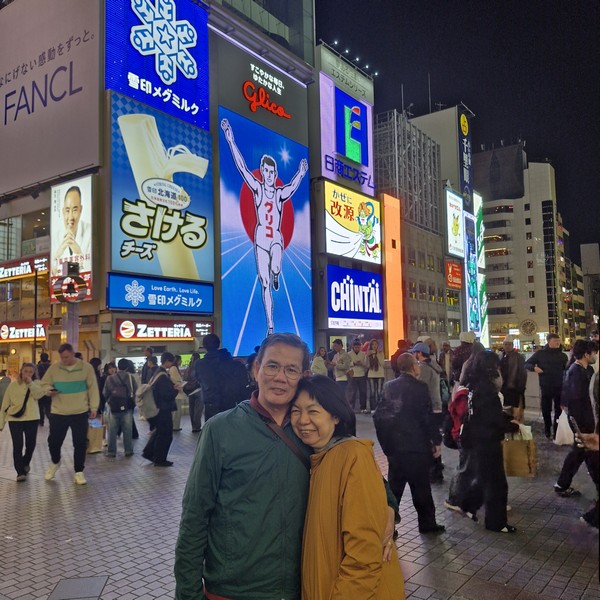
Dotonbori is considered as the city’s food capital or kuidaore, a Japanese word meaning to “ruin oneself or go bankrupt by extravagant spending on food” or, more pithily, “eat until you drop.” It is part of a larger proverb: “Ruin yourself with fashions in Kyoto, ruin yourself with meals in Osaka,” reflecting local priorities (and artistry) in the clothing and food of Kyoto and Osaka, respectively. This phrase, associated with Dōtonbori, is often used in tourist guides and advertisements.
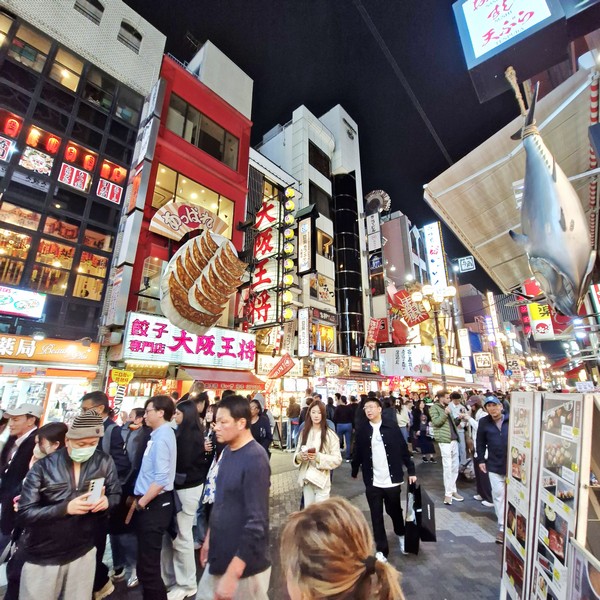
On our first night in Osaka, we decided to dine at Botejyu (founded in 1946), located at the second floor of the Comrade Doton Building. We waited in line for several minutes before finally being seated. The menu and ordering are accessed on your smartphone via a QR code.
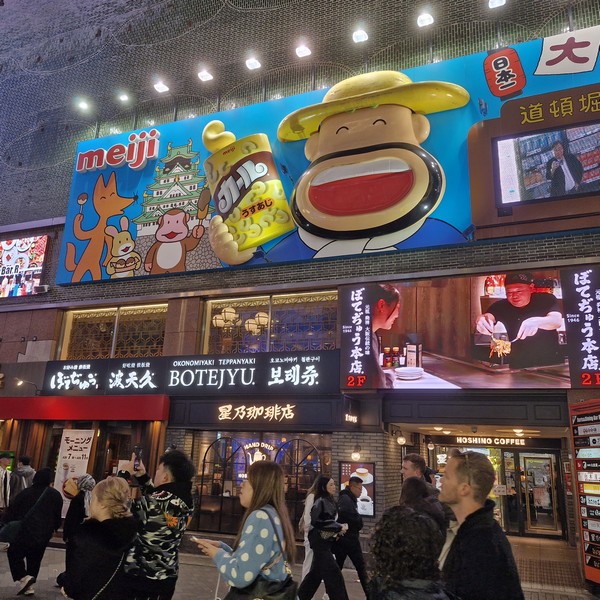
Here, we tried out, among other dishes, the okonomiyaki, a savory Japanese pancake consisting of wheat flour batter and other ingredients (shredded cabbage, eggs, meat, etc.). This specialty’s classic mayonnaise ingredient was developed by Botejyu.
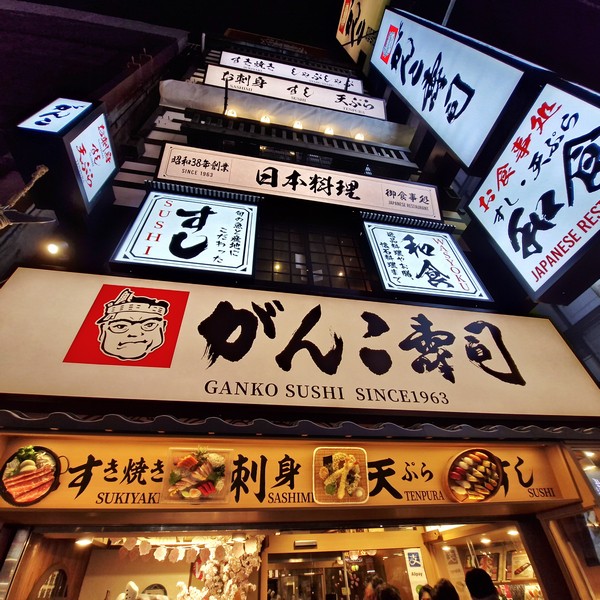
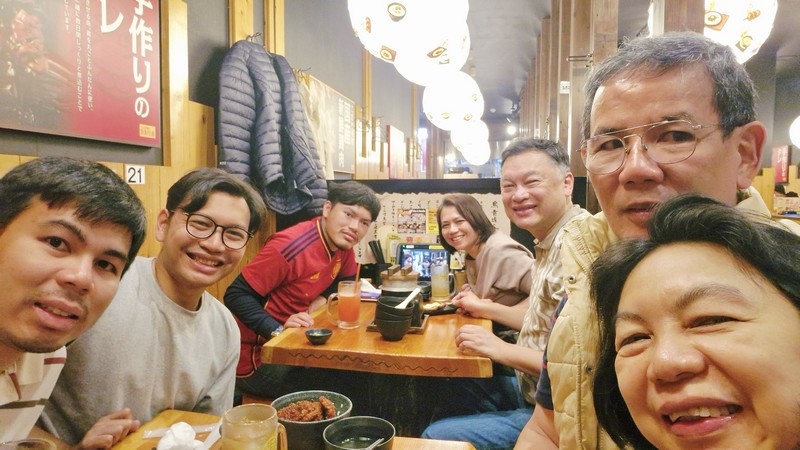
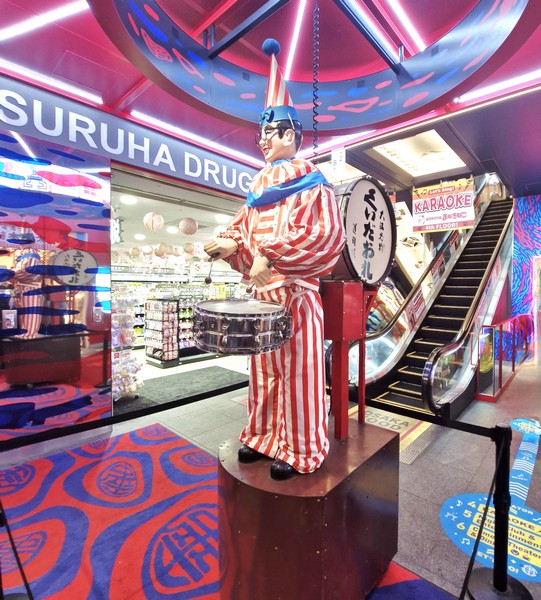
On another evening, we tried out Ganko Sushi (since 1963) and Torikizoku (a popular, affordable yakitori chain. The latter is located at the Kuidaore Building, in front of which is Kuidaore Taro (also known as the Kuidaore Ningyo), a mechanical drum-playing clown, installed in 1950 as a mascot for the now closed Kuidaore Taro Restaurant which moved to a new location slightly east of his old haunt. Every March the visiting rikishi for the Osaka Grand Sumo tournament used to line up with Kuidaore Taro for photos.
How to Get There: Located in the Minami district, Dotonbori, adjacent to the Shinsaibashi-suji shopping street, is easily accessible near Namba Station.