Church of Our Lord National Historic Site (Victoria, British Columbia)

Church of Our Lord National Historic Site

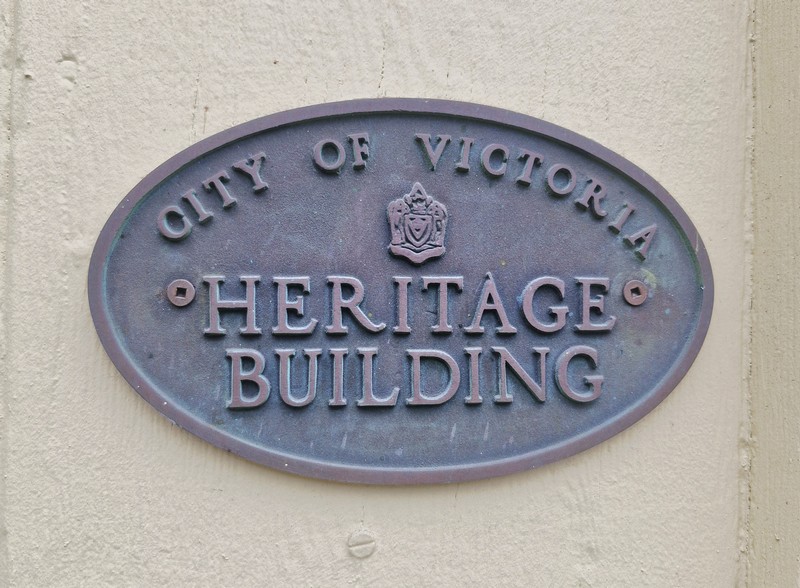
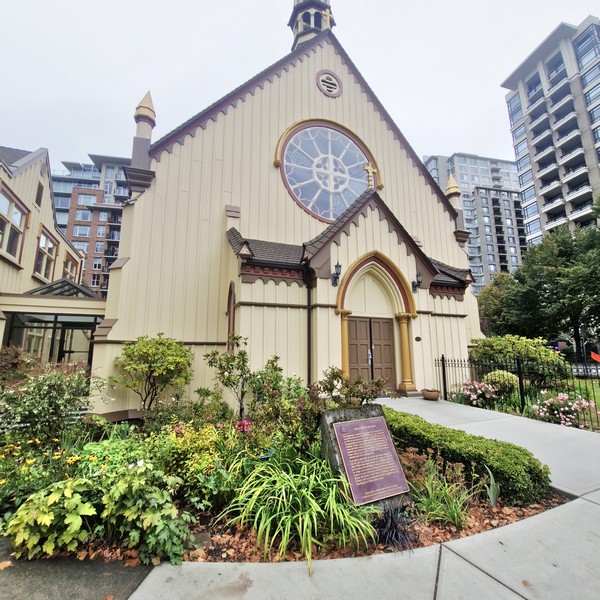
From the Royal British Columbia Museum, it was just a 300-m. (5-min.) walk to the historic, beautifully restored Church of Our Lord National Historic Site. We arrived before 2 PM (the church’s closing time) but the church was already locked. The oldest church in Victoria, it is part of the Reformed Episcopal Church and is on the City of Victoria Heritage Building Registry.
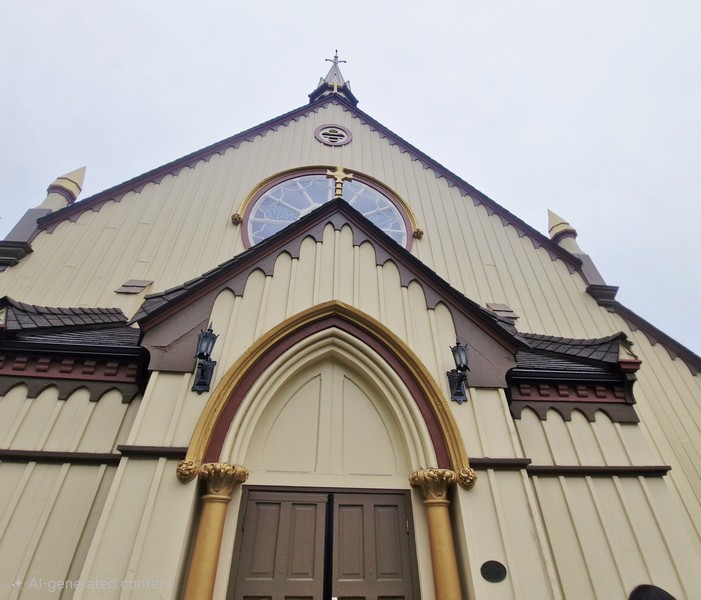
The Carpenter Gothic facade

Here’s the historical timeline of the church:

  • On October 29, 1874, the congregation of the Church of Our Lord was created by the Rev. (later Bishop) Edward Cridge and his followers (which included many of Victoria’s pioneer families) following a notable Anglican schism, marking the establishment of the Reformed Episcopal Church in Canada. Reverend Cridge challenged the authority of George Hills, the Anglican Bishop of British Columbia, in an ecclesiastical court. The court decided against Rev. Cridge and Bishop Hills prohibited Rev. Cridge from celebrating Divine Service at Christ Church Cathedral.
  • In 1875, the construction of the church began.
  • In January 16, 1876, the church was opened and the first service was held here.
  • In 1929, the adjacent Cridge Memorial Hall was built.
  • In 1979, it was recognized on the Canadian Register of Historic Places
  • In June 1990, the church, Cridge Memorial Hall and the church grounds were recognized as a National Historic Site of Canada for being the finest wooden expression of Gothic Revival (Carpenter’s Gothic) architecture on the country’s West Coast.
  • In 2004, it was listed on the Canadian Register of Historic Places.
  • In 2009, it became a member of the Anglican Church in North America, upon its creation. That same year, it was listed as a National Historic Site of Canada
  • In 2012, it merged with a local congregation of the Anglican Network in Canada and moved to the jurisdiction of that diocese (now renamed the Anglican Diocese of Canada).
  • In April 2025, on its 150th year anniversary, the church completed a major $230,000 restoration of its signature 25-ft. high replica steeple and historic cast-iron bell, re-raising the spire back onto the belfry.

Check out “Christ Church Cathedral”
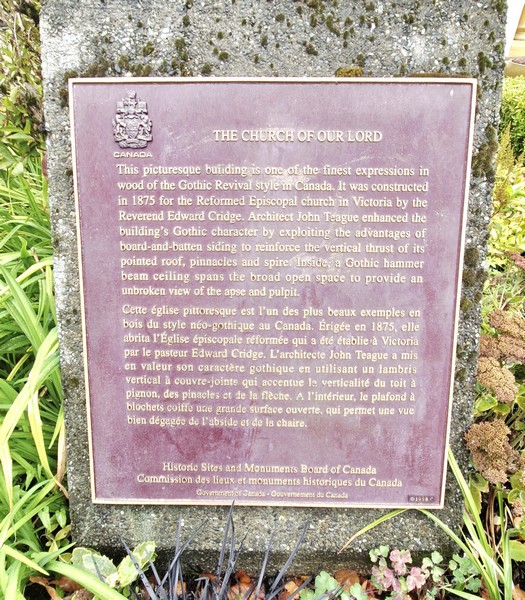
Canadian Register of Historic Places plaque
City of Victoria Heritage Building Registry plaque

Local architect John Teague designed the 104-ft. high, 56-ft. wide and 38-ft. high church in the Carpenter Gothic style (used for churches across North America, it is an excellent example of the adaptation of the classic Gothic architectural style to suit local building materials), featuring simplistic vertical lines, spatial configurations, pointed-arch windows, leaded and stained-glass windows, decorative elements, authentic woodwork and paneling, steep gable roof, vertical buttress piers, bell tower, rose window, California redwood board-and-batten siding and an interior hammer beam truss system.
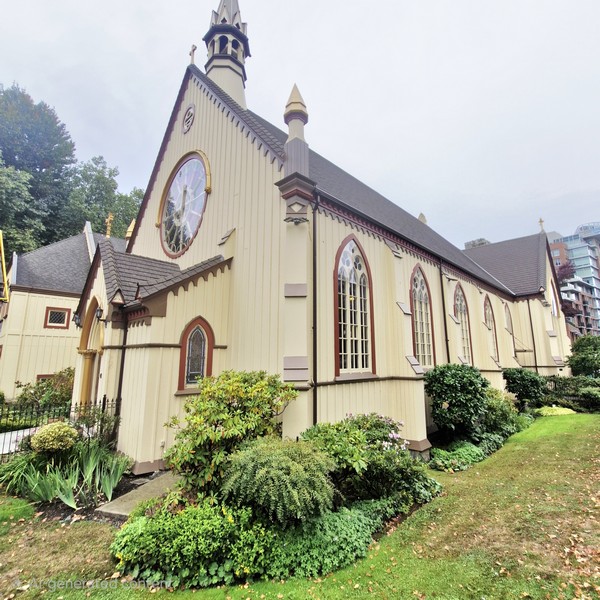
Rear and side of the church

Located on property donated by James Douglas, this freestanding building is one of the few remaining wooden structures of this style and era intact in British Columbia.  The Cridge Memorial Hall, designed by notable architects Samuel Maclure and Hubert Savage, replaced an original Sunday School annex.
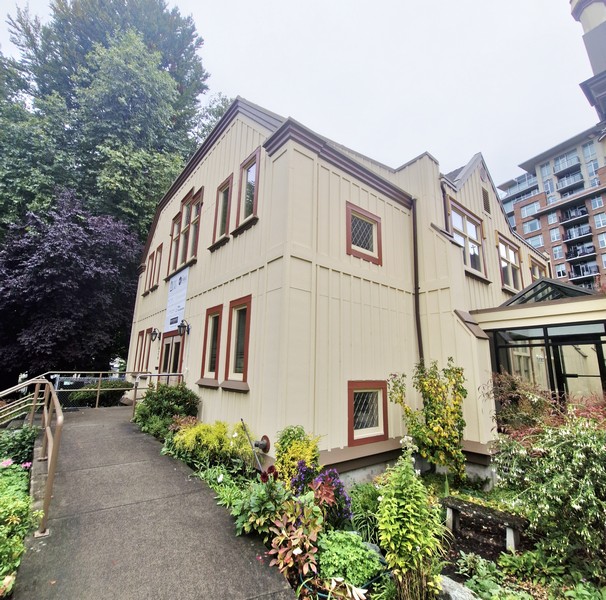
Crigg Memorial Hall

Church of Our Lord National Historic Site: 626 Blanshard St. cor. Humboldt St., Victoria, British Columbia V8W 3G6. Tel: 250-383-8915. Website: www.ourlord.ca. Coordinates: 48.420°N 123.364°W.
Fan Tan Alley (Victoria, British Columbia)

Fan Tan Alley

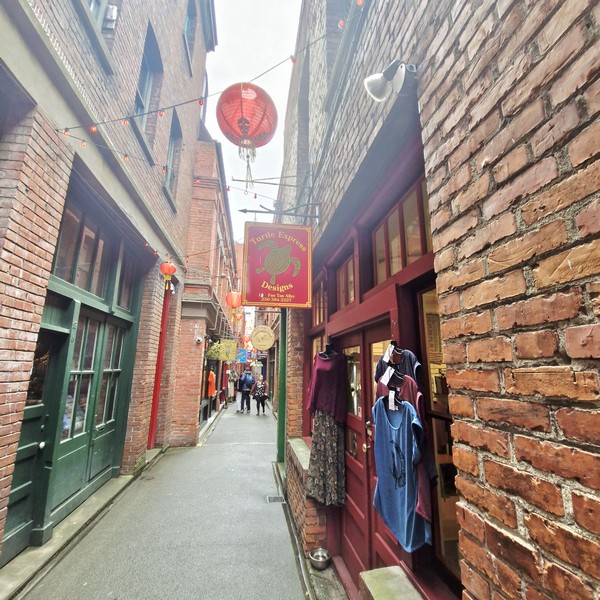
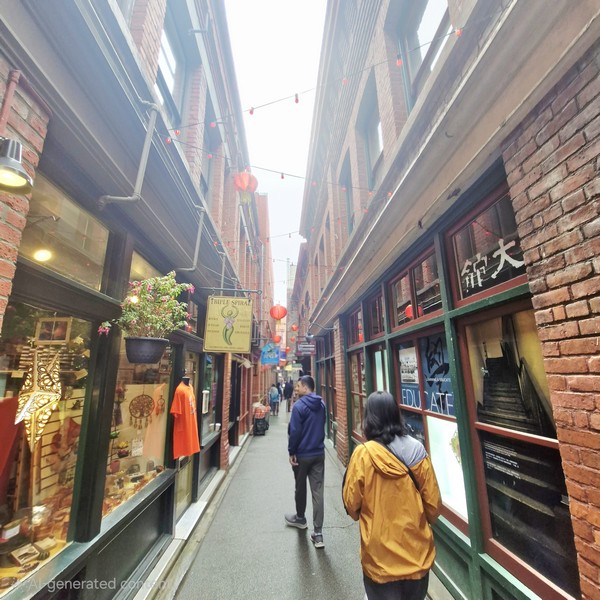
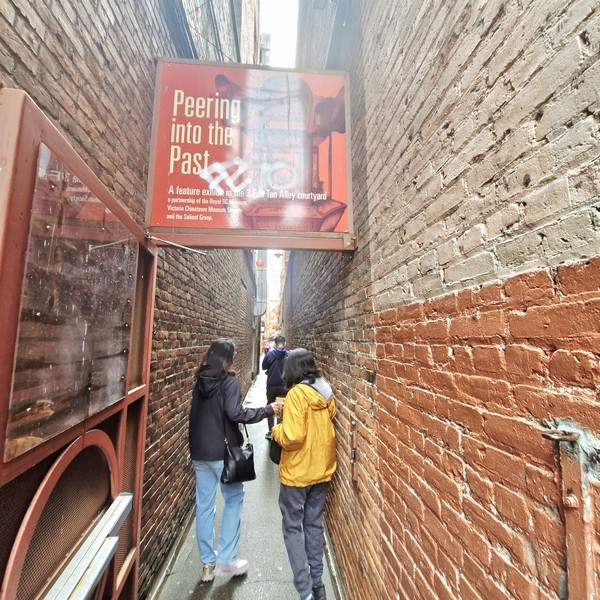
The highlight of our exploration of Victoria’s Chinatown (the oldest in Canada) was Fan Tan Alley, North America’s narrowest commercial street and the only one in North America to retain its original 19th century streetscape,  Running 72 m. (238 ft. or 0.45 mi.) south, from Fisgard Street to Pandora Avenue, at the block between Government Street and Store Street, it measures just under 0.9 m. (3 ft.) wide at its narrowest and tightest point.

The alley, with its narrow, tight brick corridors where pedestrians often need to yield to pass one another, was established in 1858 during the gold rush in Canada’s oldest Chinatown.  It originally housed legal and illegal (it was made illegal in 1908) opium factories, secret gambling dens (with hidden escape doors, and watchmen to warn against police), and maze-like escape routes for the Chinese gambling game Fan-Tan during the 1910s (after whom it was named).

Turtle Express Designs

The surrounding brick buildings (such as 10-14 Fan Tan Alley), featuring 2-storey vernacular red brick designs, wooden storefronts and upper floor tenements, were designed by Charles Edward Watkins and built around 1912.  In the 1950s and 1960s, police raids on the illegal gambling clubs (such as the Big Club in the mid-20th century) and declining visitors led to the closure of the gambling clubs. Fan Tan Alley fell into disrepair and buildings were condemned at the time.

During the 1970s and 1980s, it was later cleaned up, transformed and revitalized under urban planner David Chuenyan Lai and, in 2001, was designated as a municipal heritage property. In 2006, material salvaged from the alley’s original gate was donated to the Six String Nation project.  It now serves as kerfing on a guitar located there. Faded graffiti, still etched on the mortar, speaks of long-ago customers, waiting to participate in the shadow economies of opium dealing, gambling and prostitution.  

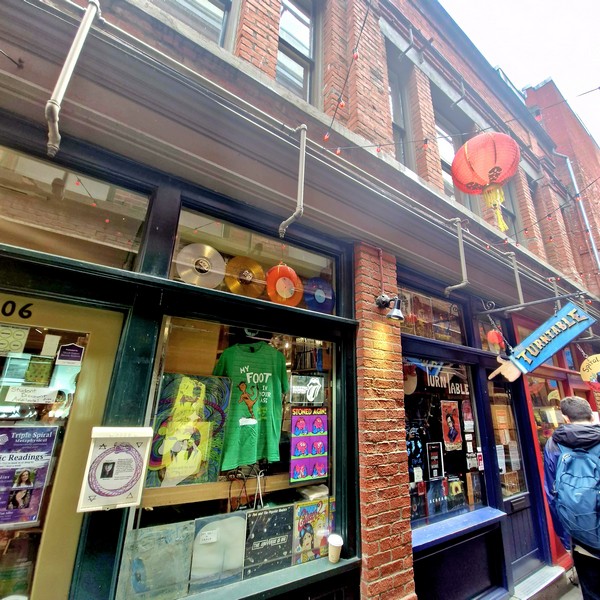
Turntable

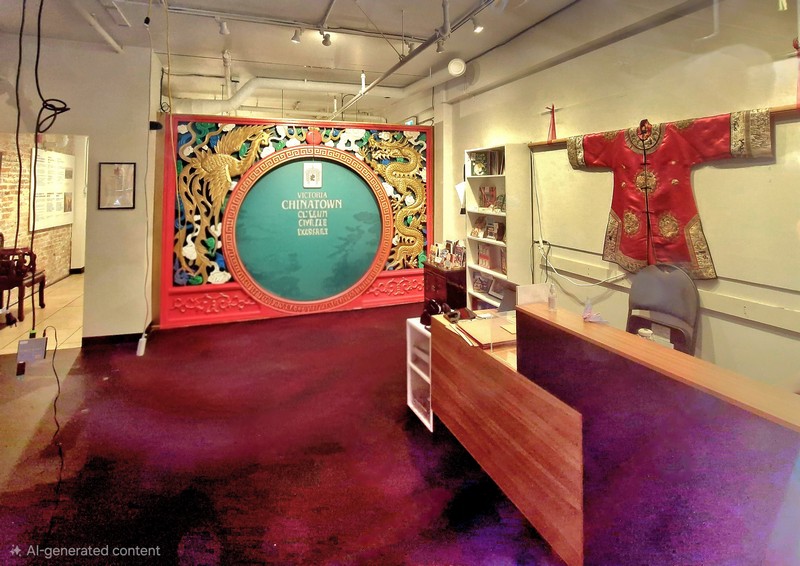
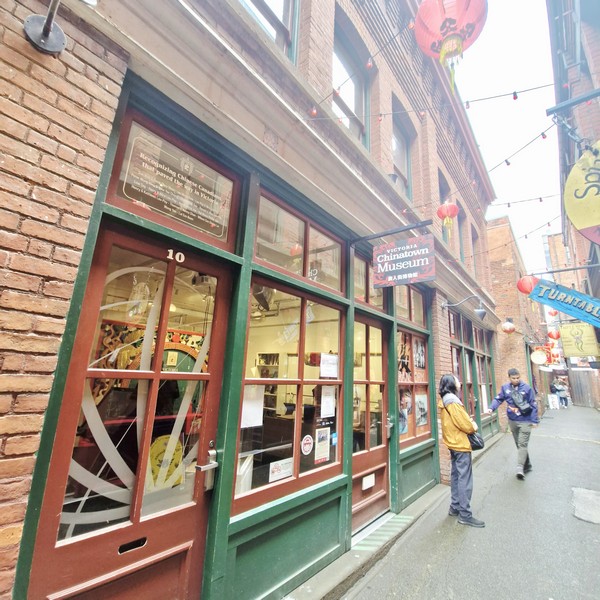
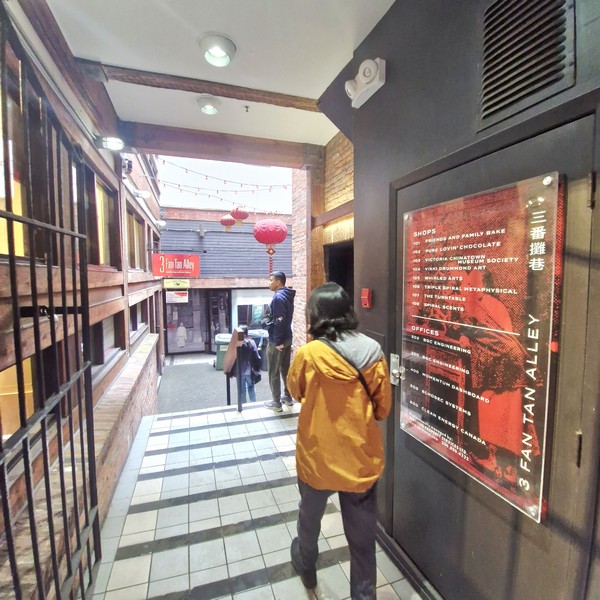
Today, it is decorated with hanging red lanterns (which reminds you that this was once a red light district) and string lights overhead and lined with an art gallery, restaurants, apartments, offices, quirky clothing shops, modern coffee shops and the Victoria Chinatown Museum (closed during our visit) at the  Hoy Sun Ning Yung Benevolent Association Building.

Victoria Chinatown Museum
Hoy Sun Ning Yung Benevolent Association Building

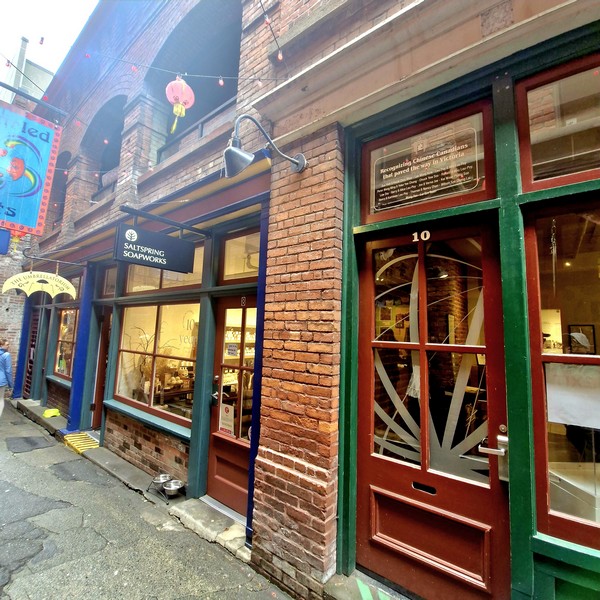
It is also home to small, unique local businesses such as Saltspring Soapworks (handcrafted soap and body products), the whimsical, one-of-a-kind Umbrellatorium (umbrellas, including drip-free inverted photography umbrellas, handcrafted walking canes, shoehorns, etc.), Turntable (a record store), and Triple Spiral (books, jewelry, incense, crystals, candles, tarot, etc.), making it a fun place to explore. In the movie Bird on a Wire (1990), Mel Gibson rides a motorcycle down the alley.

Saltwater Soapworks

Fan Tan Alley: Chinatown, Victoria, British Columbia, Canada. Coordinates: 48.4290°N 123.3679°W.

How to Get There: The alley is easily reachable on foot from downtown or the Inner Harbour.