Miette Hot Springs (Miette Hot Springs, Alberta)

Miette Hot Springs

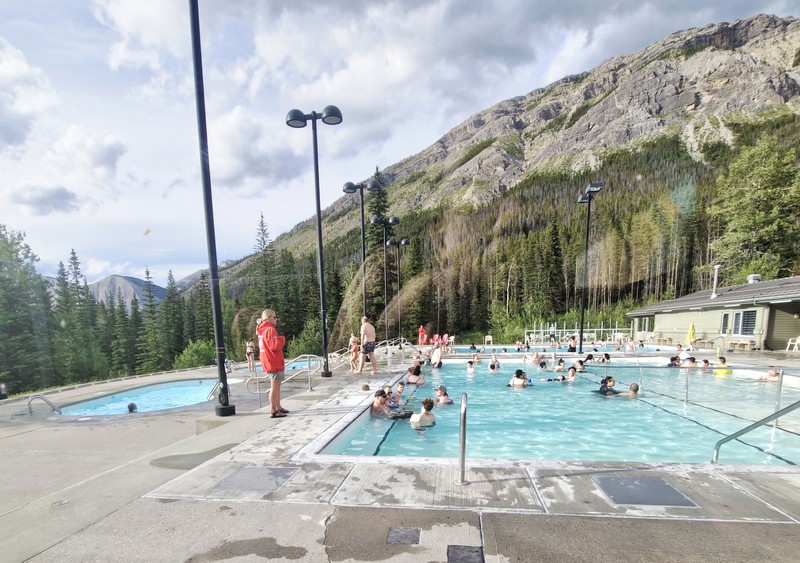
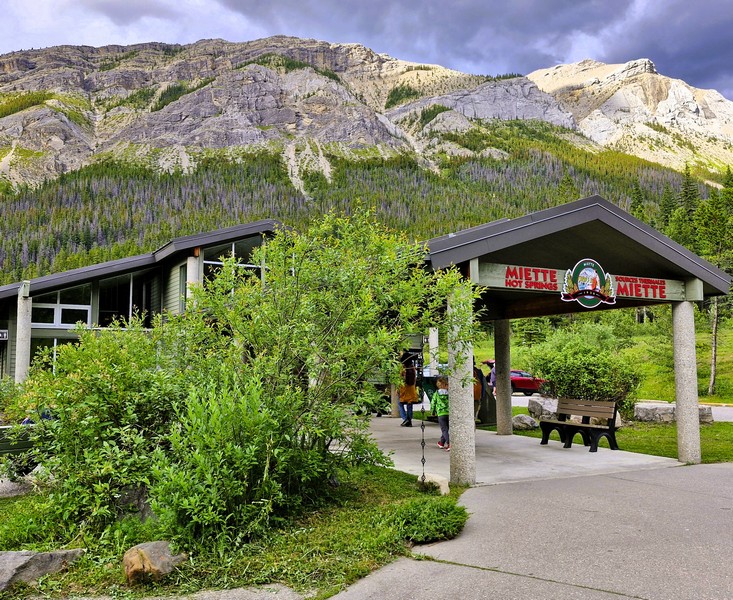
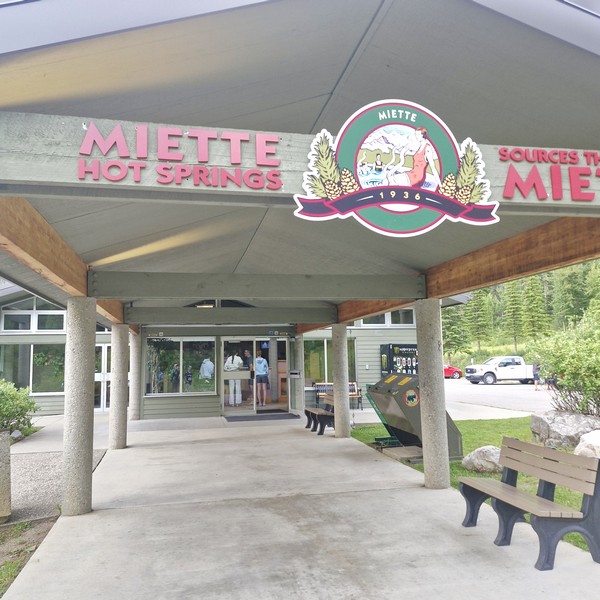
After our stopovers at the Cold Sulfur Spring and Emerald Pond, we continued on our way to Miette Hot Springs, a modern, commercially developed hot springs, built in 1986, in Alberta’s  Jasper National Park. It features the hottest hot springs in the Canadian Rockies. Its beautiful location and luxurious water make it one of the top things to do in Jasper National Park and one of Alberta’s best kept secrets.

Check out “Cold Sulfur Spring” and “Emerald Pond”
The outdoor hot pools

Offering visitors a view of the surrounding Fiddle River Valley, it has two outdoor hot pools and two cold plunge pools of different temperatures. From the mountain, the natural hot springs water flows at 54°C (129°F) and is then cooled to a comfortable temperature of approximately 37 and 40 ºC (98 and 104 ºF) as it enters the hot springs pool.  The top five minerals found in the Miette Hot Springs are sulphate (1130 mgs./l), calcium (307 mgs./l), bicarbonate (124 mgs./l), magnesium (56 mgs./l) and sodium (10.5 mgs./l).
The Source of the Springs Trail

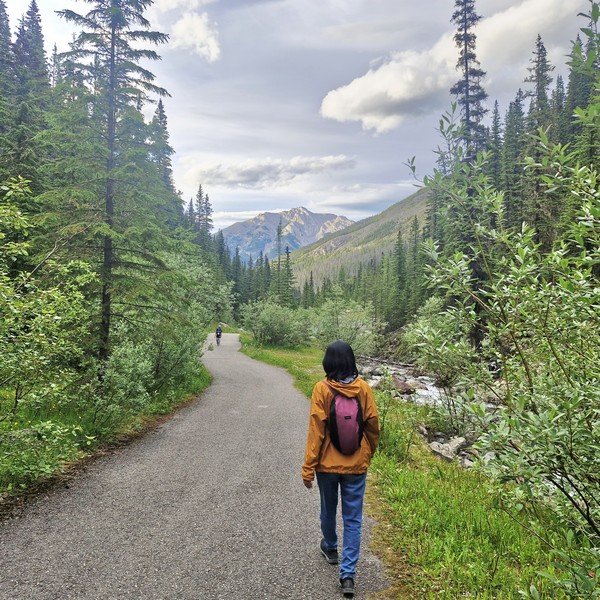
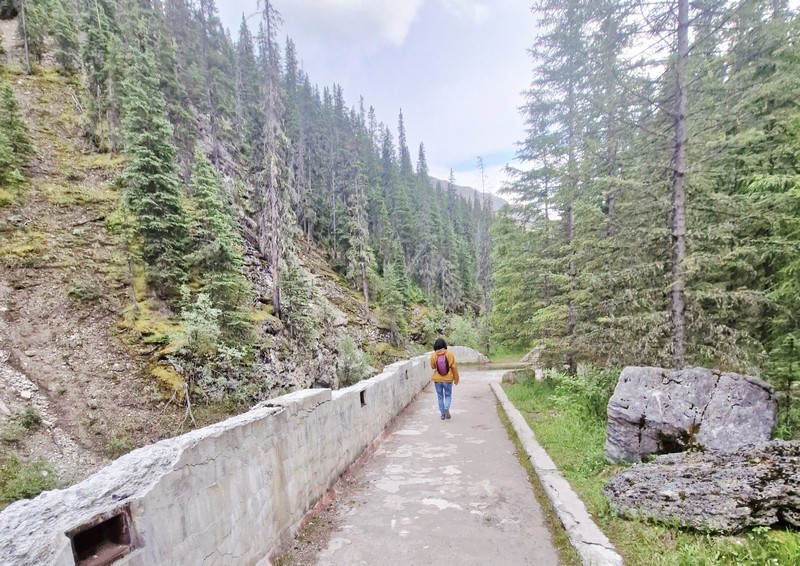
From the current parking area, we walked along the 600 m. long and winding Source of the Springs Trail, featuring boardwalks, to check out the original Miette Aquacourt and the source of the spring itself. The original Miette Aquacourt, an abandoned historic bathhouse and pool site, was built, together with an automobile road, as a federal relief program project, opening up work to several hundred men, during the Great Depression. 
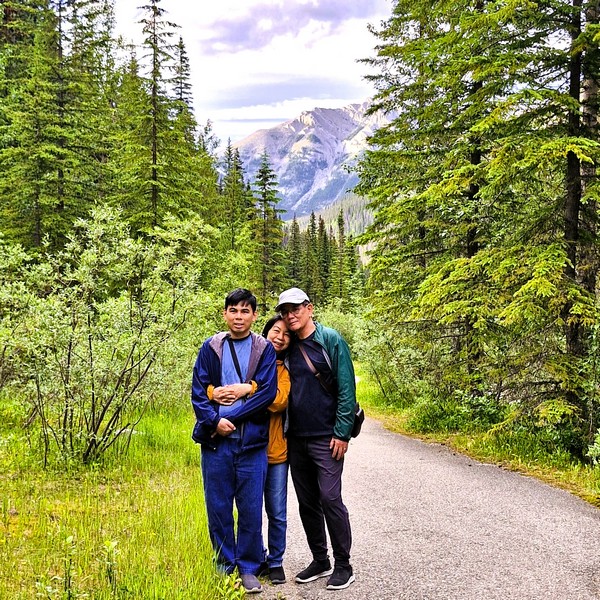
Jandy, Grace and the author at the Source of the Springs Trail

Construction started in 1934 and it was opened in 1938, operating until September 1984 when it was closed, due to rock instability on the surrounding slopes, old equipment, poor access, overcrowding and aging concrete, and replaced by the new facility located 1 km. down the road. Its old pool basin is now filled with trees and dirt.
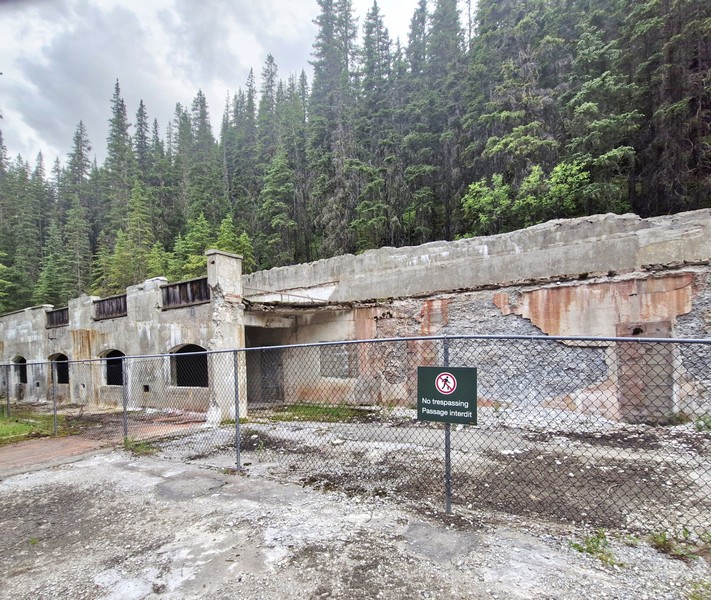
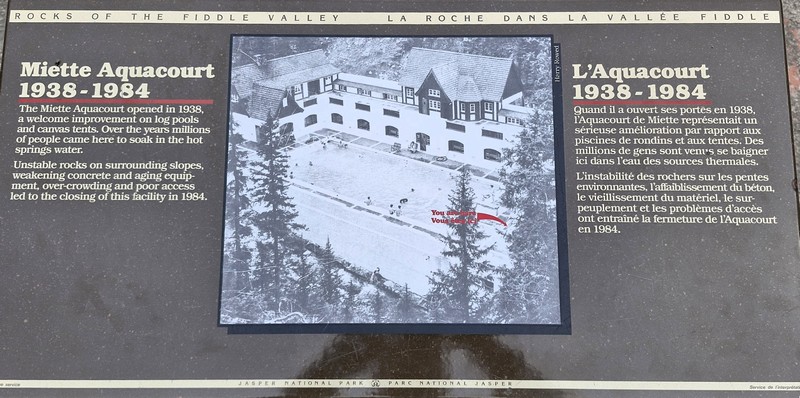
Miette Aquacourt

Upon crossing the bridge over Sulphur Creek, we saw the natural Sulphur Creek hot spring, the largest and fastest flowing of the three springs in area. The water source, coming from about 1,500 ft. down the mountain, was very hot (54°C) and had a very strong sulfur smell.
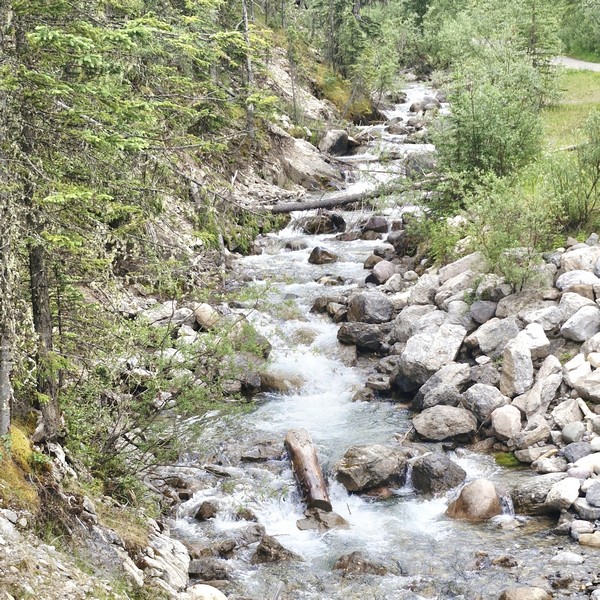
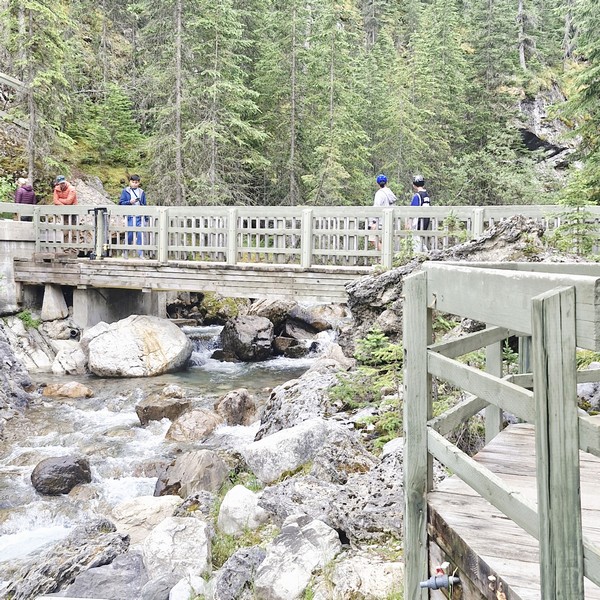
Sulfur Creek
Crossing the bridge over Sulfur Creek…..

This source spring was first used by local First Nations communities who, in turn, introduced them, during the 19th century, to members of the Hudson’s Bay and North West Companies. In the 1910s, a crude pack trail was created, providing visitors with access via foot and horseback. By 1919, a rough trail and modest structures such as a log bathhouse and two sweat houses had been built by coal miners working in the nearby coal mining camp of Pocahontas down the valley.
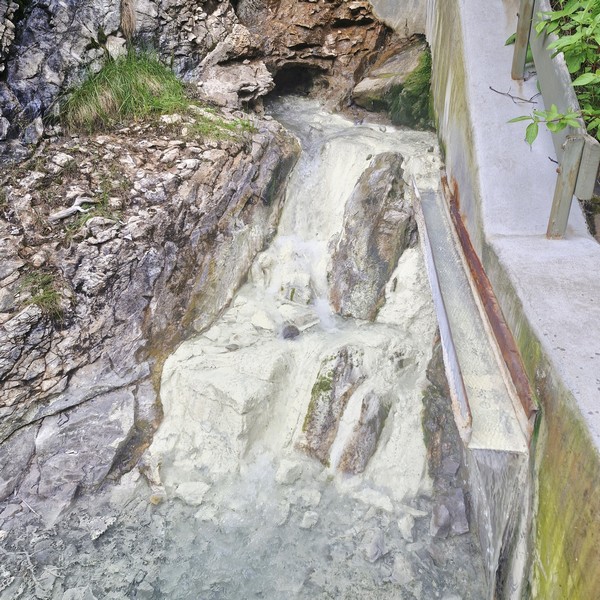
Sulfur Creek Hot Spring

Miette Hot Springs: Miette Rd., Miette Hot Springs, Alberta T0E 1E0. Admission: $19.75 (adults) and $17.25 (youth and seniors) for a single entry. Tickets are sold first-come, first-served in person, and a separate national park pass is also required to visit the area. Coordinates: 53°7′47.507″N 117°46′13.876″W.

How to Get There: Located between the towns of Hinton and Jasper, the complex is at the end of the 17-km. (11 mi.) seasonal Miette Road off of Highway 16, near the east gate of the park.
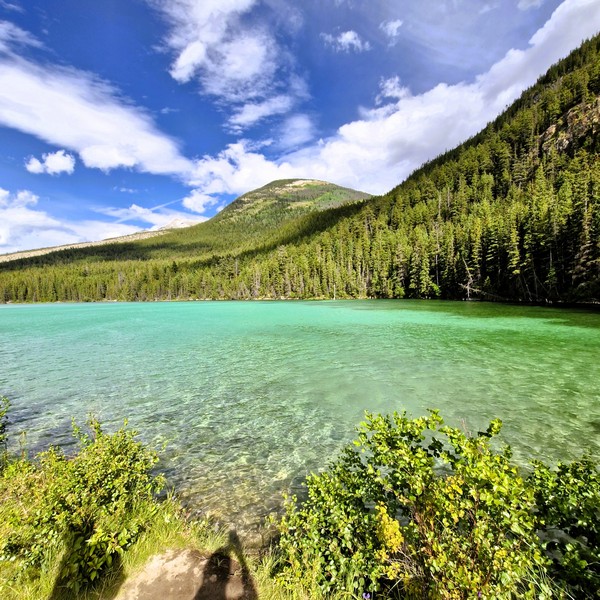
Emerald Pond (Jasper, Alberta)

Emerald Pond

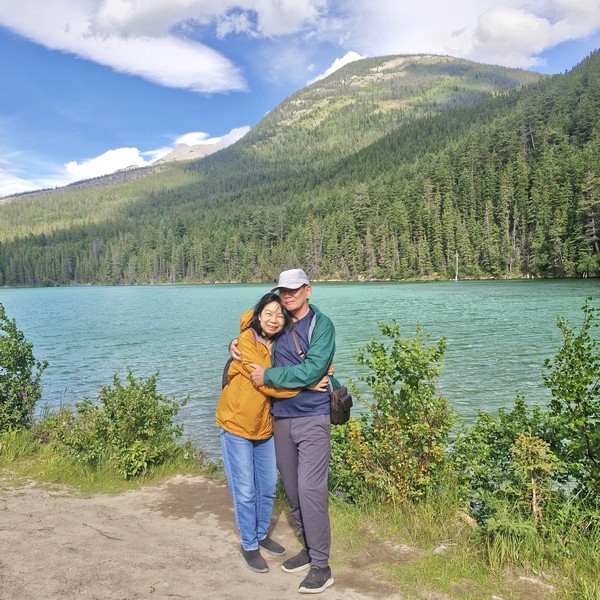
From the Cold Sulfur Spring, a short, narrow dirt path lead us to Emerald Pond, a stunning freshwater lake nestled in the heart of Yoho National Park.  This tiny, crystal-clear roadside stop had a vibrant bright green emerald color, plus towering trees, lush greenery and a breathtaking mountain backdrop, offering picturesque views and opportunities for photography that made it an enchanting destination for outdoor enthusiasts.

Check out “Cold Sulfur Spring”

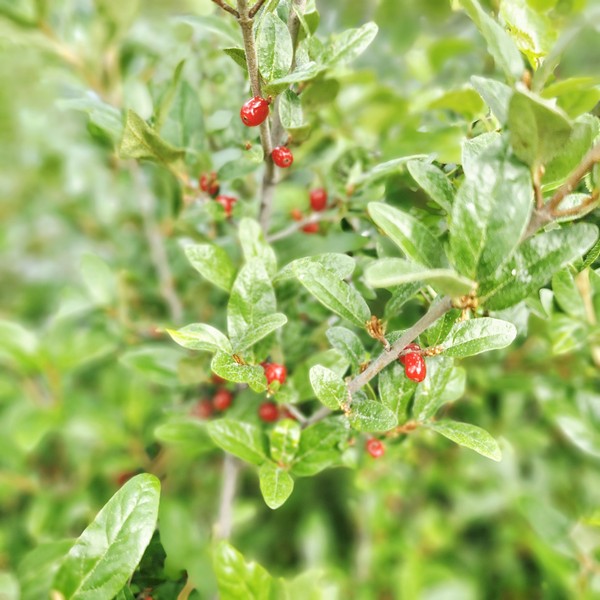
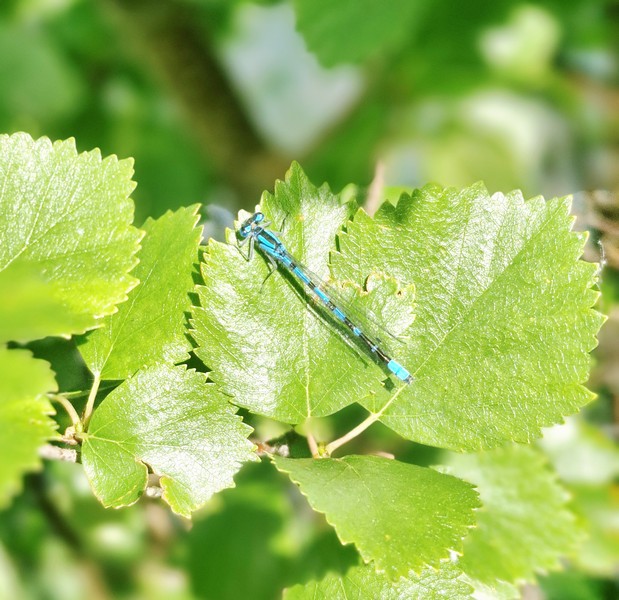
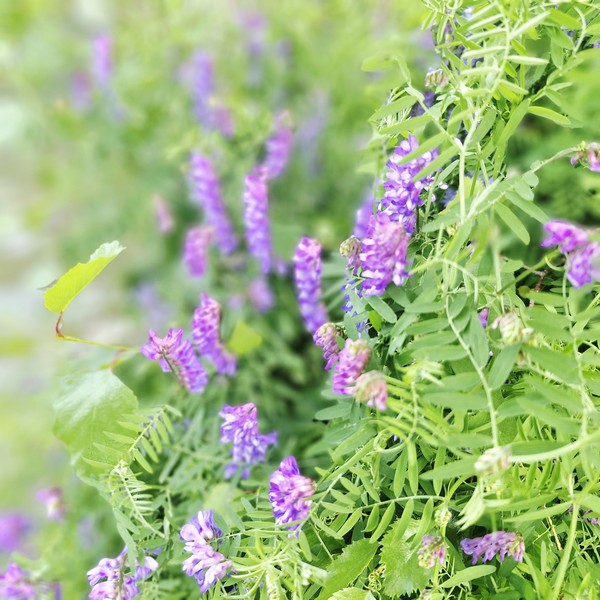
As we arrived mid-summer, when warm air temperatures brought out high levels of insect activity around the water’s edge, we spotted intricate, beautiful and striking iridescent blue dragonflies, with perfect little wings and alien-like heads, darting above the vibrant water and among the slender, green branches of red huckleberry (Vaccinium parvifolium) plants.

Red Huckleberry (Vaccinium parvifolium)

Strictly a quick scenic viewpoint, there are no trash cans, picnic tables, or benches here. As it sits right off the highway, it makes it a fast and easy place to pull over for photos of the water and mountain reflections. For hikers, picturesque hiking trails wind around the lake, offering panoramic views and opportunities to spot wildlife. You can also explore, via canoe, on the crystal-clear waters or just take a leisurely stroll along the shoreline to soak in the beauty of this scenic hidden gem.

Blue dragonflies

The pond, fed by underground, mineral-rich thermal springs, is also a great spot for swimming, fishing, and snorkeling. However, camping and fires are not permitted at Emerald Pond. The best time to visit is during the summer months (the time we visited) when the water is warm and the foliage is at its peak, with summer displays of pink fireweed, violet asters and wild blue lupines.

Grace and the author

With its serene atmosphere and abundant flora and fauna, this small pond promises a fun-filled experience for hikers, nature lovers, or those simply seeking some tranquility, in the midst of nature’s wonders. The area is also home to diverse wildlife, such as moose, deer, and a variety of bird species. Visitors are reminded to respect the natural environment and leave no trace behind. Be sure to bring sturdy hiking shoes, bug spray, and a camera to capture the beauty of this hidden gem.

Emerald Pond: Improvement District No. 12, Jasper, Jasper National Park, Alberta T0E 0A8.

How to Get There: The pond is found directly along the Yellowhead Highway (Highway 16), about 21 kms. north of the town of Jasper. A small pullout/parking area is available on the eastbound side of the highway (roughly 200 m. before the pond).

Cold Sulfur Spring (Jasper, Alberta)

From Jasper, we headed for Miette Hot Springs, a 58.8-km. (one-hour) drive away. On the eastbound side of the Yellowhead Highway 16, we stopped by a small pullout/parking area where a narrow, short walking path, running roughly 200 to 250 m. along the roadside, led us to the shoreline of a cold sulfur spring and pool area, a road trip highlight around Jasper National Park.  Its crystal-clear water had a striking, vibrant green-turquoise hue caused by mineral and sulfur content from the local springs. There are no picnic benches or formal facilities here; it is strictly a quick roadside scenic stop.

Check out “Miette Hot Spring”

Cold Sulfur Spring

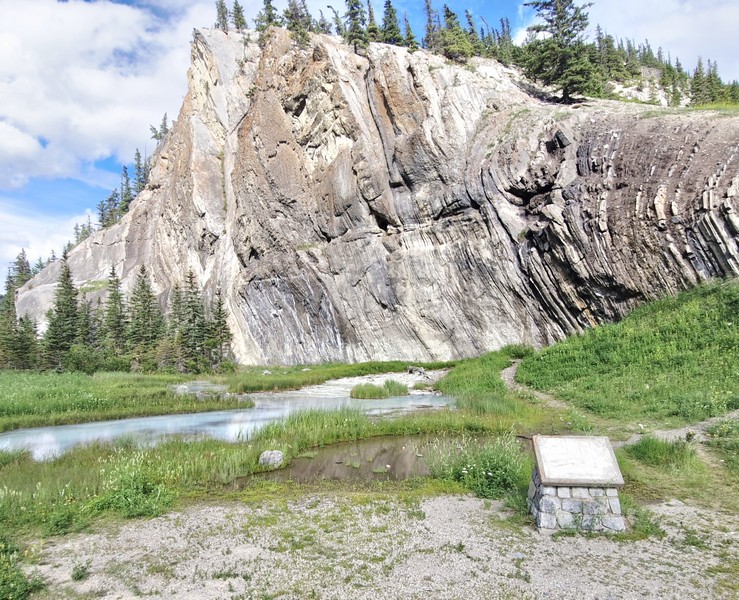
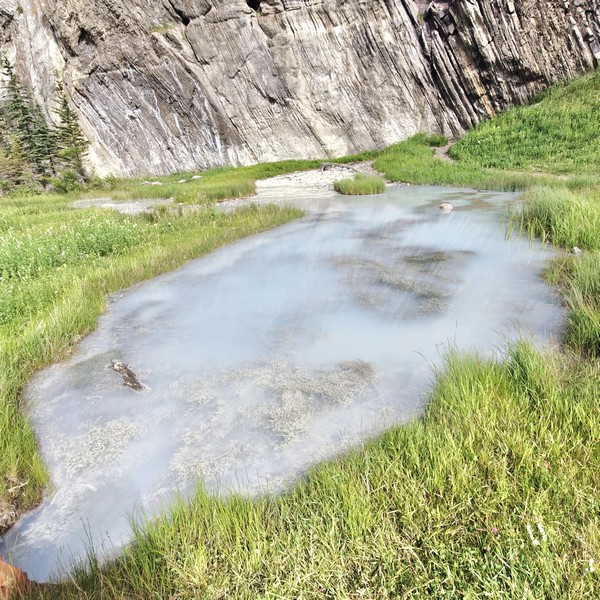
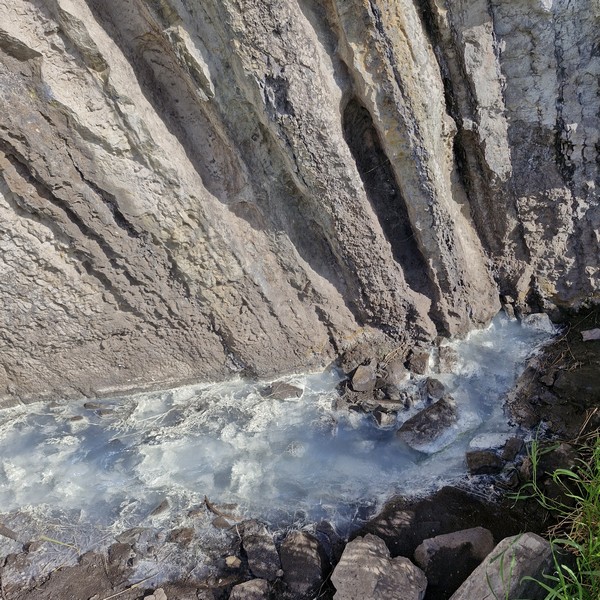
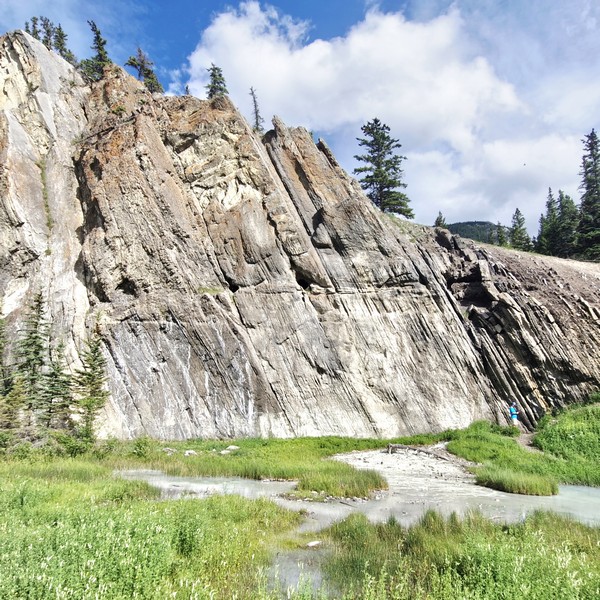
Located right by a limestone cliff, 1,021 m. above sea level, it features unique cold sulfur water and microbial white filaments. The cold water, roughly 7° to 9° C, actually originates from deep underground (2+ kms. down) where rocks heat it past 100° C, under heavy pressure, before it migrated upward along fault lines and mixed near the surface.

The opaque, cloudy appearance of the spring comes from dissolved hydrogen sulfide gas that reacts with oxgen to form microscopic elemental sulfur particles suspended in the water.

The microbial white filamentous bacterial mats, seen thriving in the sulfur-laden run-off, are bacteria such as Baggiatoa and Thiothrix which use the hydrogen sulfide in their life cycles, releasing pure yellow sulfur as waste products.  The yellow is masked by the white color of the bacteria. Ancient micro-fossils (stromatoporoids/saltwater sponges) are embedded in  the nearby rock cuts.

Hydrogen sulfide bubbling up from the water of the spring

We immediately noticed a distinct rotten egg smell from trace amounts, bubbling up from the water, of hydrogen sulfide, a poisonous gas that the human nose is very sensitive to.  Its concentration is very low and, therefore, not dangerous except for persons especially sensitive to the gas.  Its presence tells us that this water was hot enough and under enough pressure to acquire sulphate from the sulfur-bearing minerals in the rock here.

Bighorn sheep are frequently seen here, especially during morning hours, as they get sulfur (an essential element for their hair which they shed, in large quantities, every year) from the mineral-rich spring water and salt content. Agile climbers, the cliffs above also provide the sheep with an escape terrain from predators. As we arrived in the late afternoon, we didn’t any bighorn sheep during our visit.

The cliffs above the spring where bighorn sheep climb to escape predators

Cold Sulfur Springs: Highway 16, Jasper, Alberta.  Coordinates: N53° 02.711’, W118° 04.950’

How to Get There: The paved pull-off is located 22.6 kms. east of Jasper, not far past the bridge over the Athabasca River. The stop is 56.1 kms. west of Hinton, 22.9 kms. past the eastern park gate.