Cathedral Grove (Port Alberni, British Columbia)

After our hike to the Hole in the Wall, we drove another 13.9 kms. (a 20-min. drive), heading east along BC Highway 4, to get to the Cathedral Grove.  Located within the 301-hectare (740-acre) MacMillan Provincial Park (it officially became a Class A provincial park in 1947), it is one of the most accessible and incredible old-growth forests on Vancouver Island. Each year, this iconic destination draws more than half a million visitors. We parked our car at a small roadside parking areas, on both sides of Highway 4.  It being summer, we were lucky as we arrived late in the day.  It usually fills up quickly, especially during weekends.

Check out “Hole in the Wall”
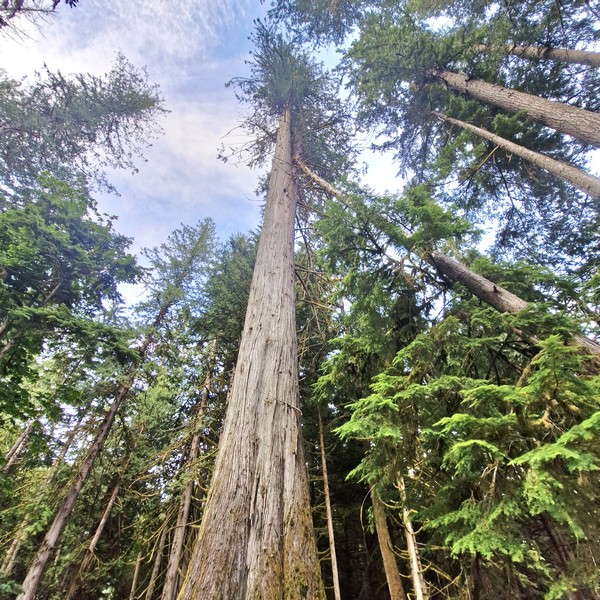
Cathedral Grove

For thousands of years, the Hupacasath First Nation and other local indigenous groups have cared for the land, using the giant trees for shelter and tools. Since the 1920s, Cathedral Grove has been a famous stop along the Alberni Road. Viscount Willingdon, the Governor General of Canada, named the site “Cathedral Grove” in the 1920s because the tall trees looked like a grand church.
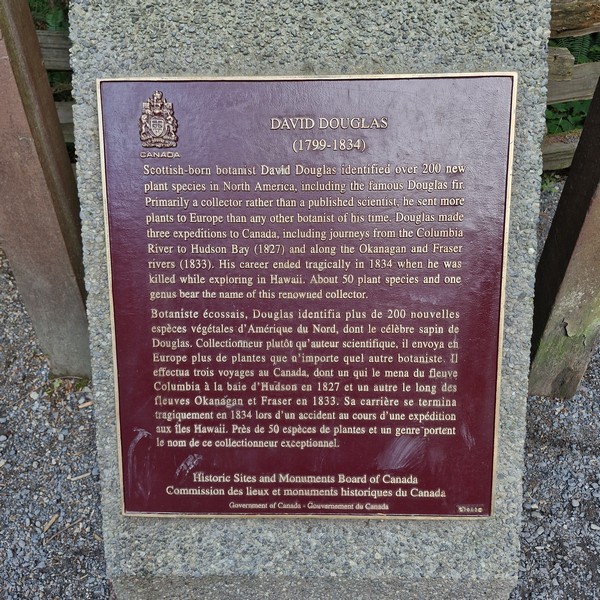
Plaque honoring Scottish botanist David Douglas

In 1944, Harvey Reginald MacMillan, a timber baron who wanted to log this whole area, donated 136 hectares of his company’s land to the public after concerned locals and first nations protested fiercely, making it one of the first successful conservation victories in British Columbia. It’s ironic though that the park was named after the man who wanted to cut it all down. Unfortunately, although this grove was protected, most of the surrounding watershed was chopped down and cleared.
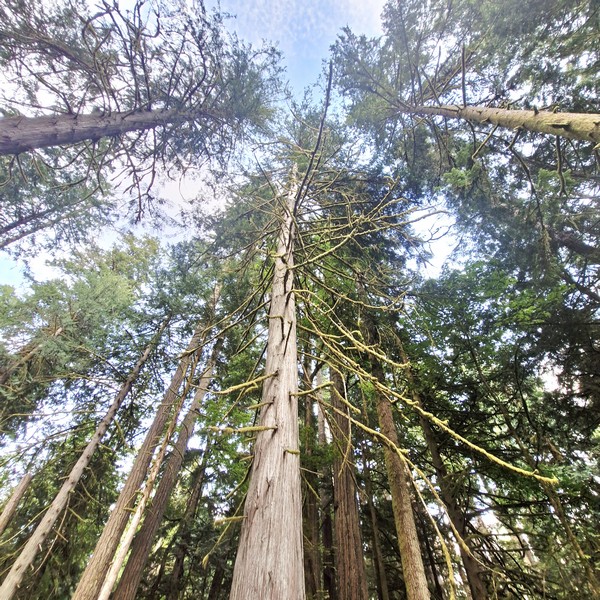
Douglas fir

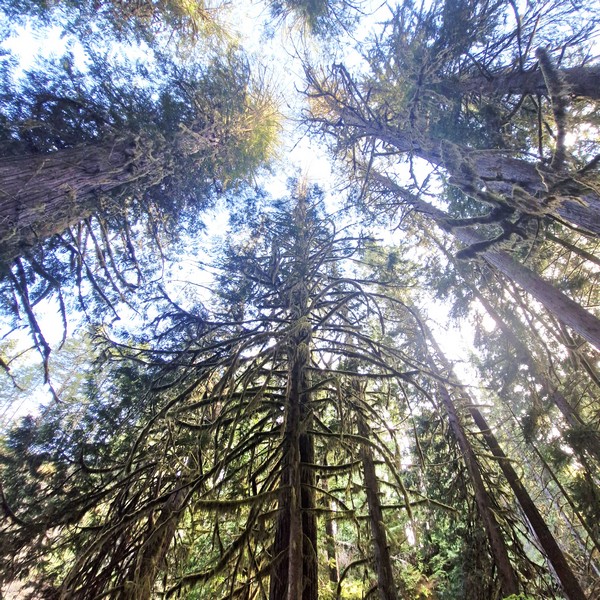
An easy stop on the drive to Port Alberni, the Pacific Rim, or central island lakes, here a short network of combined flat loop trails, with a combined walking distance of roughly 2.2 kms., takes you beneath towering Douglas fir and Western Red Cedar trees, with trunks so wide you can barely wrap your arms around them. Boardwalks, wide gravel paths, and frequent viewpoints makes you experience the forest at a relaxed pace.
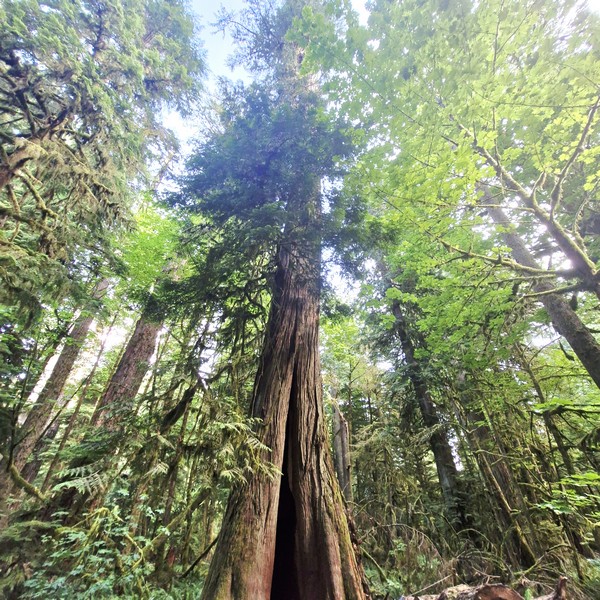
Western Red Cedar

The Douglas fir are the granddaddy of this forest.  They were huge and massive, with a long branch-free trunk 9 m. in circumference, and a canopy up high.  Their dark brown bark looks much thicker, with irregular, thick ridges. Western Red Cedar trees have trunks that flare out at the base, with reddish-brown bark with long ridges. Their leaves, spread out on the twigs in flat, fan-like swooshes, have a lovely smell. Western Hemlock, the most common tree on the British Columbia coastline, doesn’t mind shade, growing up beneath the other giants. Its drooping branches have a feathery, flat, glossy and soft foliage that, when the sunshine streams through it, looks fabulous.
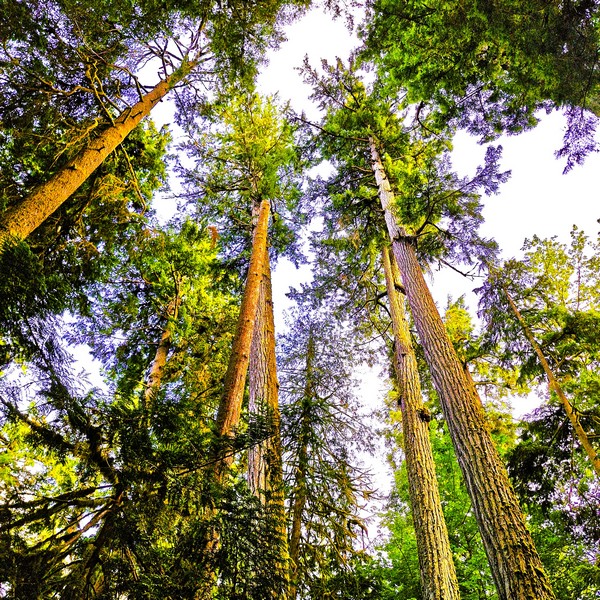
Western Hemlock

Cathedral Grove has two main trail areas on either side of Highway 4, making it easy to explore, in a single short visit, both the north and south sections. The north section has a boardwalk-style loop that works well for most wheelchairs and strollers while the south section has upgraded but slightly more uneven but wide gravel paths. To help manage traffic, both trails are one-way loops.
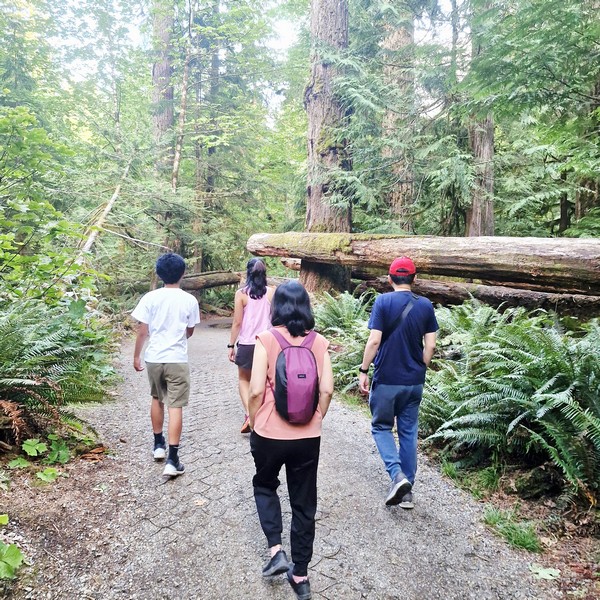
Kyle, Cheska, Grace and Jandy entering the South Trailhead

We first entered the Cathedral Grove’s south section, a 1-km. long dirt path which was muddy due to rain that day. At the entrance was a plaque honoring Scottish botanist David Douglas, after whom the Douglas fir was named. Good thing we wore proper footwear. Upon stepping into the trail, we felt like entering another world.
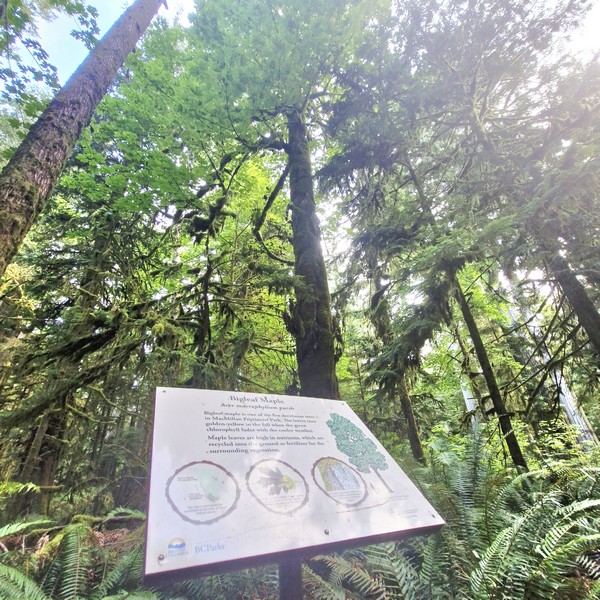
Bigleaf Maple

We were captivated by its towering old-growth trees, deep green moss, and quiet forest floor. There’s no boardwalk here, but the route is still flat and easy to follow. To protect the forest floor and root systems, we stayed on the designated trails. Smoking is also strictly prohibited. We encountered exposed roots and fallen trees, particularly through the “Living Forest” section. 
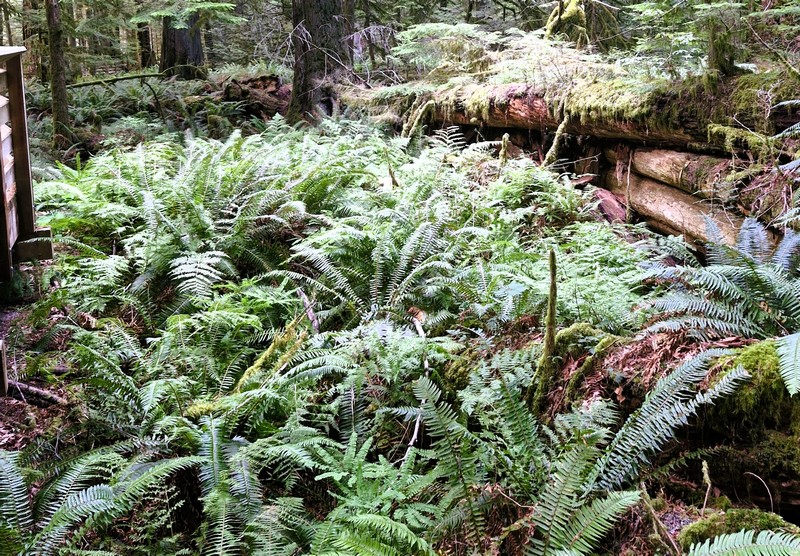
Sword ferns

This trail is a bit more hands-on, with opportunities to step over logs, get close to the trees and, along the way, snap some great photos. Most of the forest trees (giant Douglas fir, Western Hemlock, Western Red Cedar and a few maple trees) we saw today are younger growth that regenerated after a major forest fire that swept through this part of Vancouver Island around 300 to 400 years ago.  However, some of the oldest giants here are well over 800 years old. Following the “Big Tree Trail,” we made our way up to the superstar of the hike – the largest Douglas fir around. At 72 m. (236 ft.) tall, it stands higher than the Leaning Tower of Pisa. 
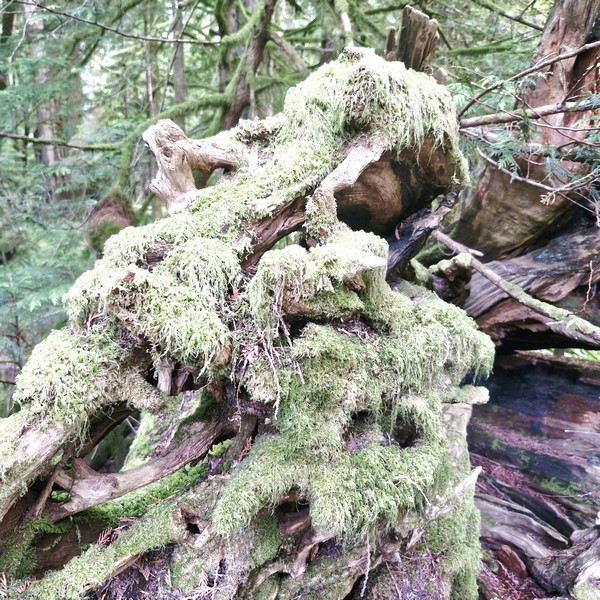
Hanging tree moss

From the South Trailhead, we carefully crossed the highway to enter the North Old Growth Trail.  This trail features groves of ancient Western Red Cedar (British Columbia’s official tree) near Cameron Lake.  
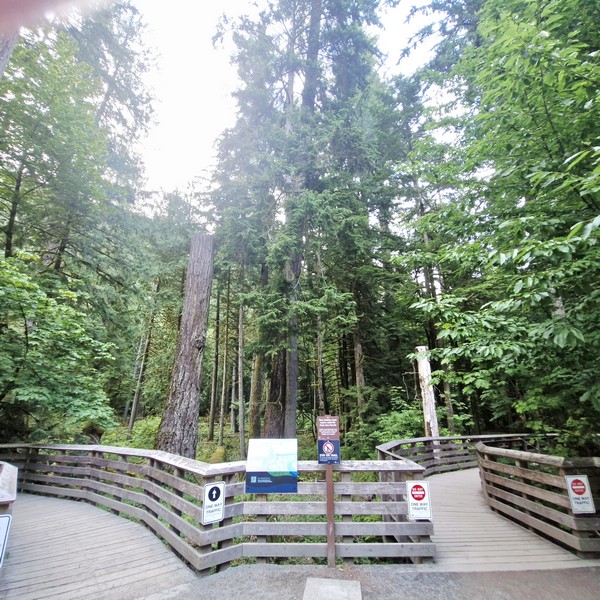
North Old Growth Trail

To protect the tree roots, a beautifully maintained boardwalk trail winds around most of the trails, extending approximately 1.2 kms. This was fine for our footwear as we didn’t get muddy or soggy. Plus it is wheelchair accessible.  Along the trail, there were scenic spots along the Cameron River.
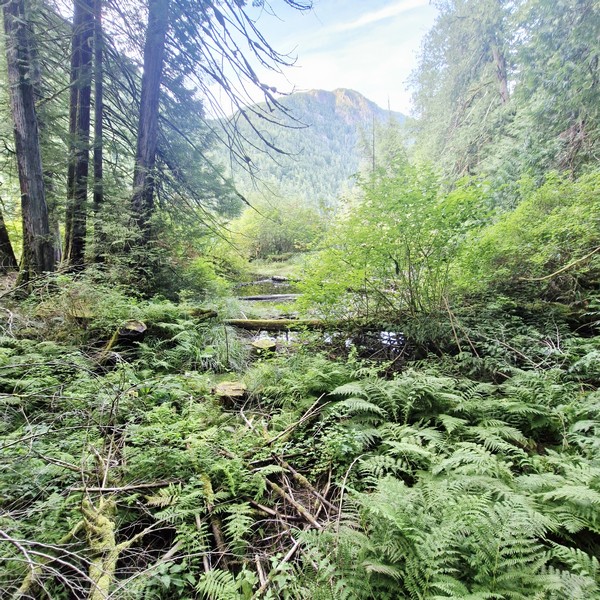
Cameron Lake and Mt. Arrowsmith seen at a distance

Along this trail, we encountered a lot of enormous fallen trees, a legacy of severe windstorms (when massive trees were knocked down) in 1990, 1997, 2018 and 2024, creating open spaces and nurse logs that feed new plant growth, and a striking visual and ecological narrative. These fallen trees now play an important role in the forest’s renewal as atop the old, nutrient-rich logs, newer trees now thrive, creating an awe-inspiring cycle of renewal of the ecosystem. Some trees grew into each other as we saw the differences in the bark.
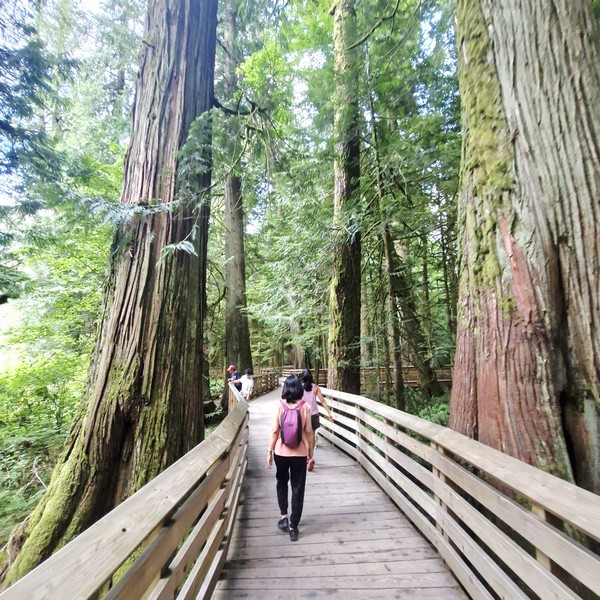
Boardwalk at the North Old Growth Trail

It took us more than an hour to walk both sides of this well-loved roadside attraction as we stopped for photos and read interpretive signs.
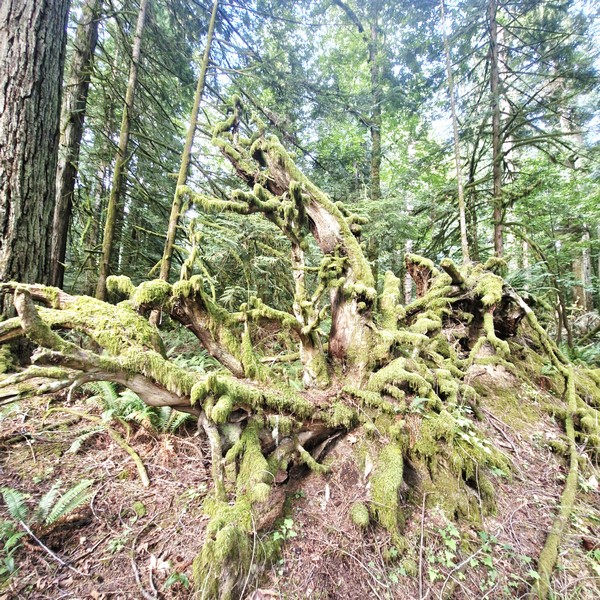
Root rot

Cathedral Grove: MacMillan Provincial Park BC-4, Port Alberni, British Columbia V0R 1G0. Open year-round, with lush moss and ferns in the rainy months. Avoid visiting during strong winds, as large branches and trees can fall in old-growth forests. Admission is free.  There are pit toilets on both sides of the highway. Dogs are welcome but must remain leashed. On windy days, consider skipping your visit or waiting for calmer conditions, as large branches and trees can fall in old-growth forests.

How to Get There: The park, conveniently located 16 kms. east of Port Alberni and 30 kms. west of Parksville, along Highway 4, is easily reached by car or via organized tour groups.  Public transportation is not available.
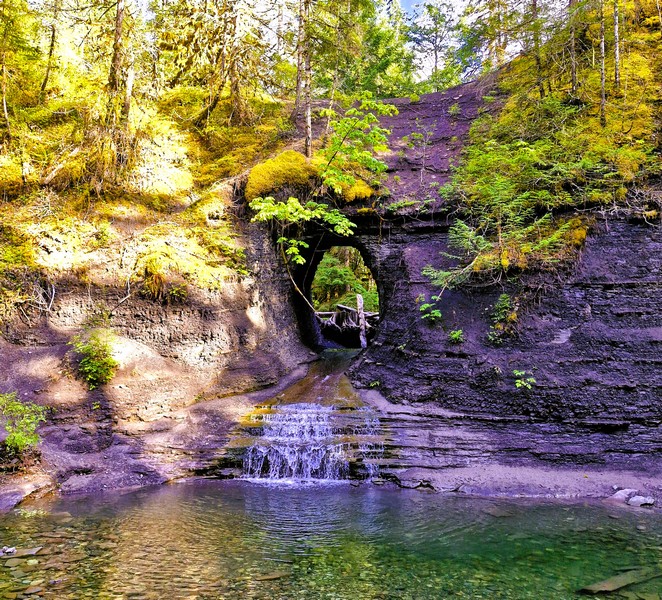
Hole In The Wall (Port Alberni, British Columbia)

From the Old Country Market in Coombs, we drove 33.1 kms. (a 30-min. drive) to explore the Hole in the Wall, a popular stop for many and an unofficial tourist spot with limited parking and signage.  A trailhead leading to the Hole in the Wall was across the Coombs Country Candy Shop just outside Port Alberni.

The Hole in the Wall

There was no other available parking (there was only space for three or four cars) at the pullout on Highway 4 heading uphill out of town, and getting to the trailhead entailed crossing the extremely busy highway (there is no crosswalk available and you had to be extra careful when crossing the highway) plus we can’t park in the parking lot of Coombs Country Candy, as this is for store patrons only.  So we drove further east, on the south side of the highway, where we were able to park the car at one of the few parking spaces available at a tiny pull-out before the curve heading out of Port Alberni. It was right at the trailhead and we didn’t have to cross the busy road.

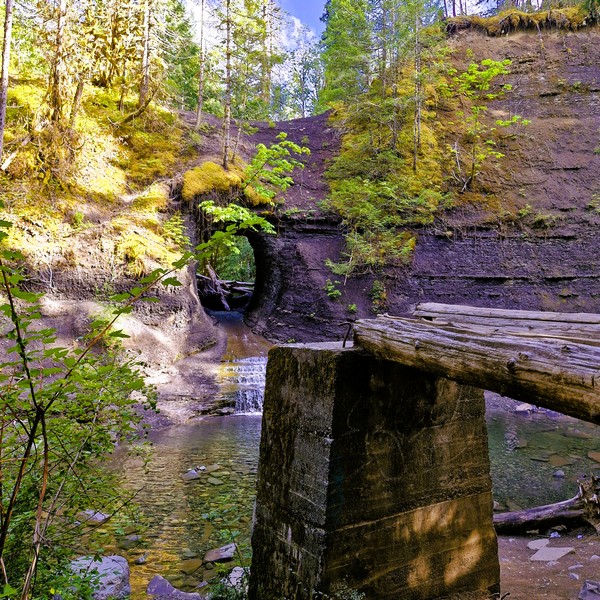
The Hole in the Wall is a manmade structure.  From the 1910s through the 1940s, as demand for water increased, there have been numerous dam and pipeline improvements in Port Alberni. Before the 1967 amalgamation of Port Alberni, this area was a shortcut for the town’s water supply. In 1940, after a dry summer, a hole was blasted through a massive wall of volcanic shale, and a large wood stave pipeline was laid to bring water from Rogers Creek to Port Alberni. 

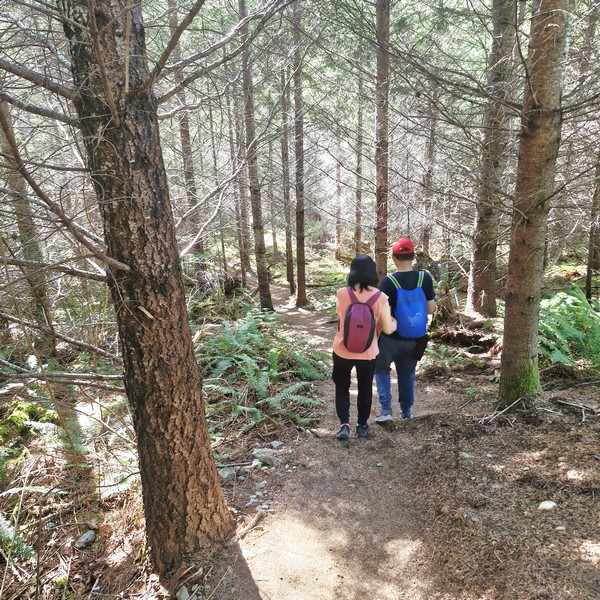
The trail through the lush forest

The pipe is now gone (removed by the 1960s) but, to this day, you can still see the remains of the old water piping metal straps still partly buried in the ground, on the side of the trail, that formerly bound the old water pipeline.  However, the creek water, passing through the empty hole, now leaves us with a unique structure and a beautiful water feature – a charming waterfall flowing through a man-made rock opening.

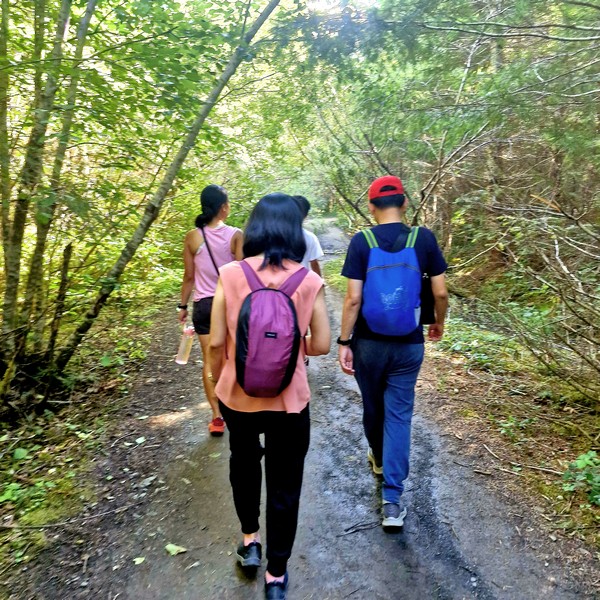
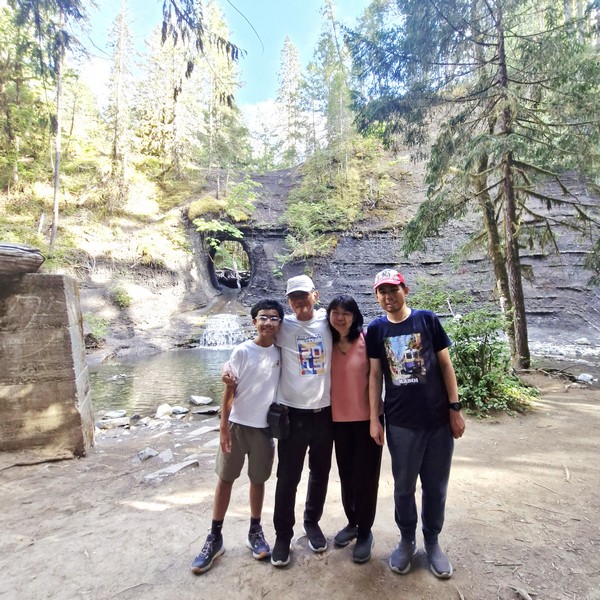
Cheska, Kyle, Grace and Jandy

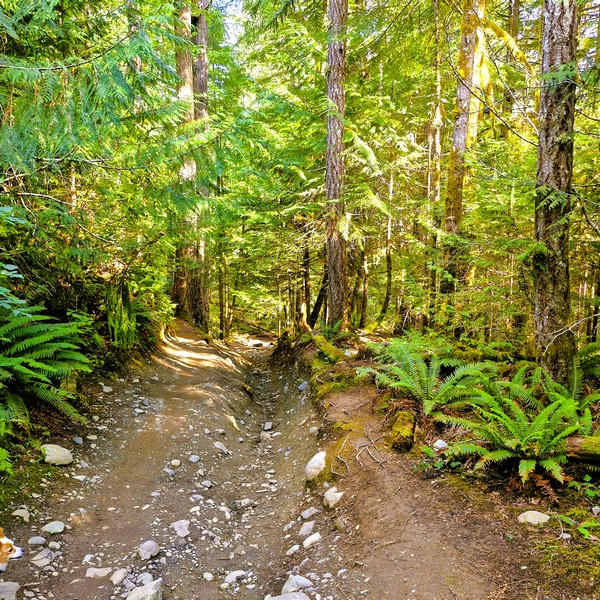
The entrance, on the south side of the highway, was unmarked. It was supposed to be just a short 1.2-km., reasonably straightforward hike to Hole in the Wall, steep in some spots, but it required a bit of fitness and good footwear and, as it rained the day before, the gravelly trail, first down and then up, was muddy. It was also intermittently signed. As we made your way down the trail, we entered deeper into the rainforest.

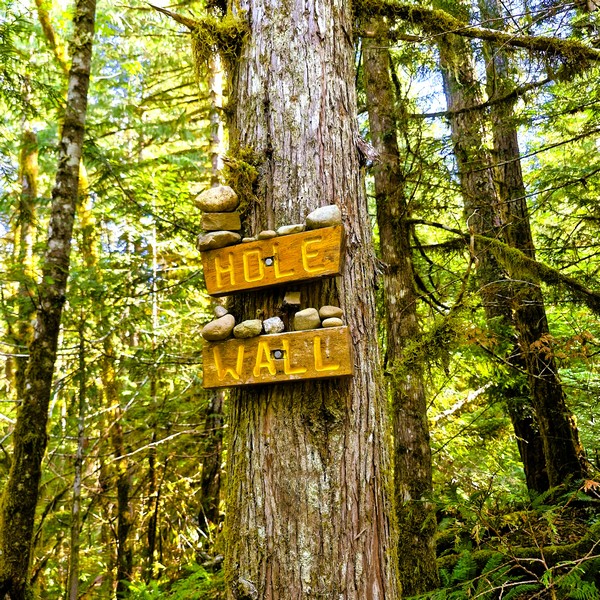
Wooden sign on the tree

The trail leveled out, and mossy trees and ferns surrounded us, growing down the slopes. The slightly steeper portion can be handled, by running shoes, on a dry day but it was muddy on the day of our visit. We had to watch out for washed-out sections. As we meandered through the lush forest, we kept our eyes peeled for wildlife. At the first clearing, the path split in two. The forest floor was rich with ferns, moss, and towering trees. Even though the main track was straight ahead of us, we headed right, going downhill. There was a wooden sign hidden in the tree indicating the way. The short but steep descent down took us to our destination.

The descent downhill

Finally, after roughly 20 to 30 minutes, we heard the sound of running water as we approached, a sure sign that we were getting close.  Looking across the river, we finally found this idyllic and tranquil retreat with natural and man-made features – a large, strikingly circular opening carved in the shale wall, along Rogers Creek, with a tiny waterfall flowing through it now.

Kyle, the author, Grace and Jandy at the Hole in the Wall

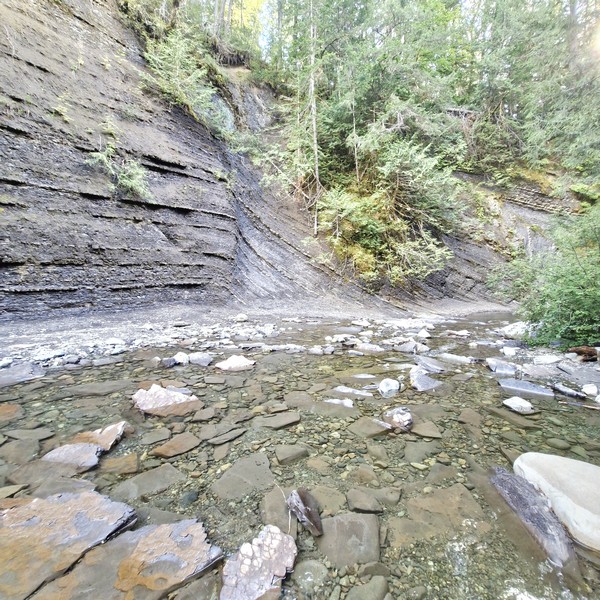
This beautiful oasis, with its rain forest, ferns and river rock beds, had a lot of moss on the big cedar trees and stumps but, despite the rain, there wasn’t much water running through the hole. The crystal-clear water flowed into a shallow pool, reflecting the beauty of the forest canopy above. The exposed shale rock beautifully showed off the earth’s many layers.

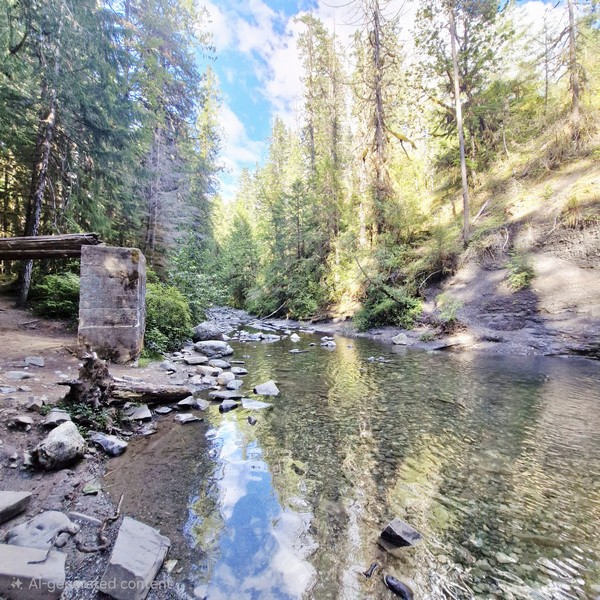
Two logs on the massive concrete slab that was part of the original pipeline’s supporting structure
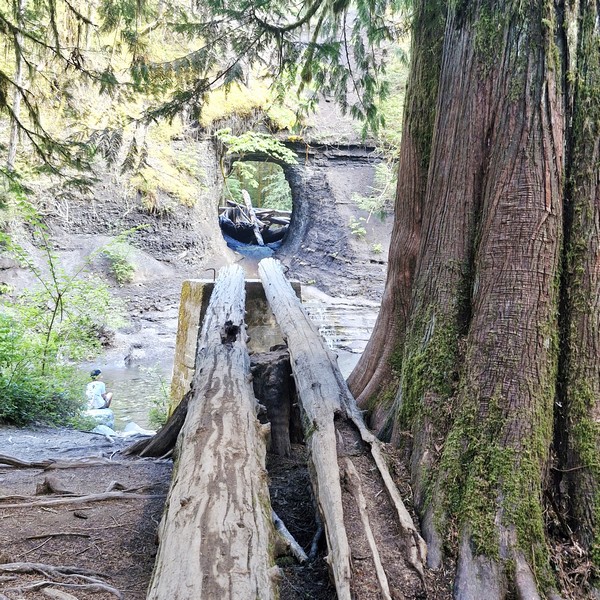
The two fallen logs
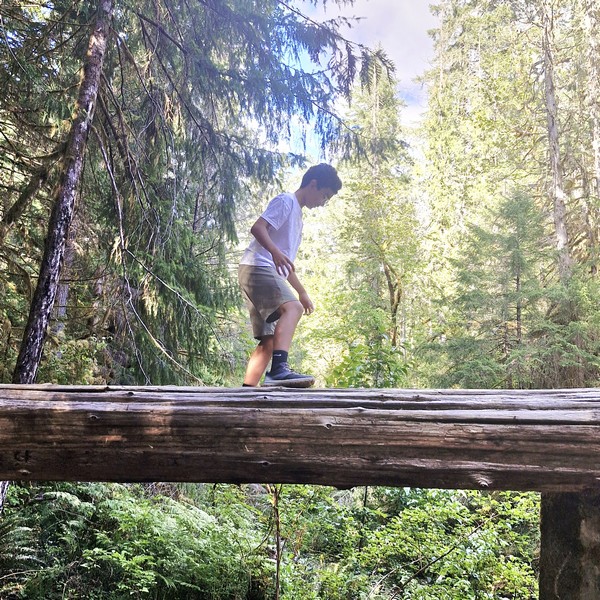
Kyle crossing the logs

As it was summer, visitors swam or waded through the water to stand for photographs in the large structure. The best vantage point for a photo is from two fallen logs, on a massive concrete slab (part of the original pipeline’s supporting structure), across from the Hole in the Wall. Now used as an elevated viewing platform, it required walking across (which Kyle did) the logs which can be slippery.

The shale wall along the pool
The crystal-clear pool below the hole

They say that, if you continue down along the creek, and you can find an old dam downstream with a bonus waterfall. You can also continue down the path, for about 2-3 mins., where you can find really neat inuksuks or cairns (man-made stacks of rocks). Hundreds of these rock creations used to be there, but the creek expanded and washed many away during the 2021 fall floods.  On our return trip, we had to walk uphill most of the way.

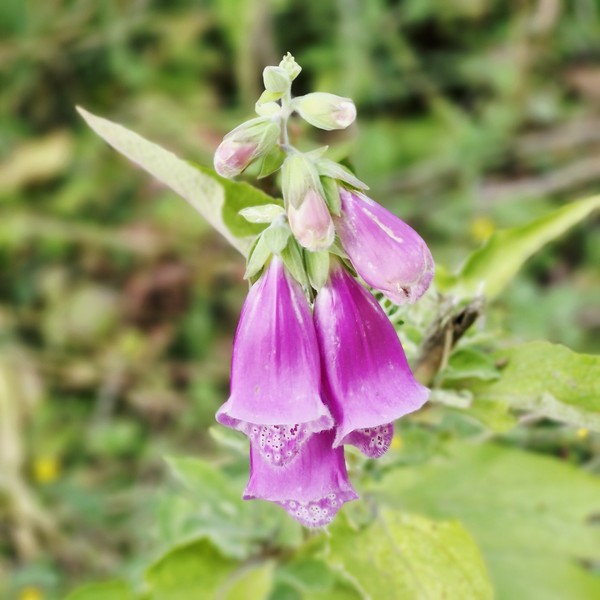
Weigela

Hole In The Wall: Port Alberni, British Columbia V9Y 7M4. Coordinates: 49.2603° N, 124.7482° W.

How to Get There: It is actually located near Port Alberni, off Highway 4 (across from Coombs Country Candy at 2101 Old Nanaimo Highway, not Campbell River).

Coombs (Vancouver Island, British Columbia)

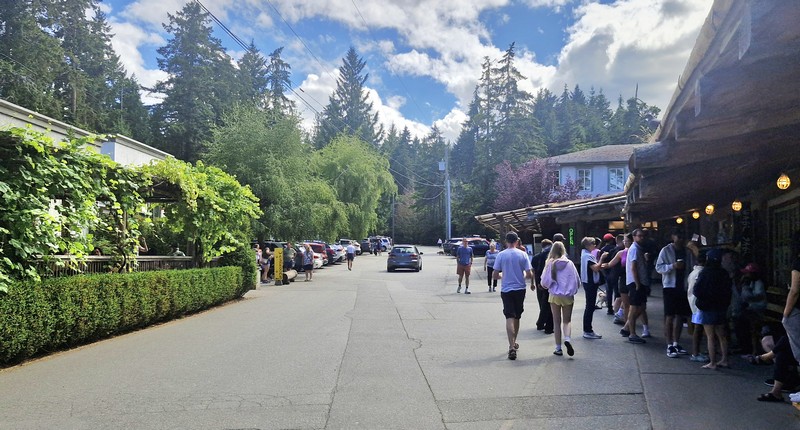
On our first full day in Vancouver Island we drove 24 kms. (a 20-min. drive), from Qualicum Bay Resort in the town of Qualicum Beach, to the nearby touristy town of Coombs.  The town had its beginnings in 1910 when, under the leadership of Ensign Cargo, the Coombs area was settled by some of the nearly 250,000 Welsh and English members of the Salvation Army who immigrated to Canada early in the twentieth century.  The town was named after Capt. Thomas Bales Coombs, the Salvation Army’s Canadian Commissioner.

Coombs

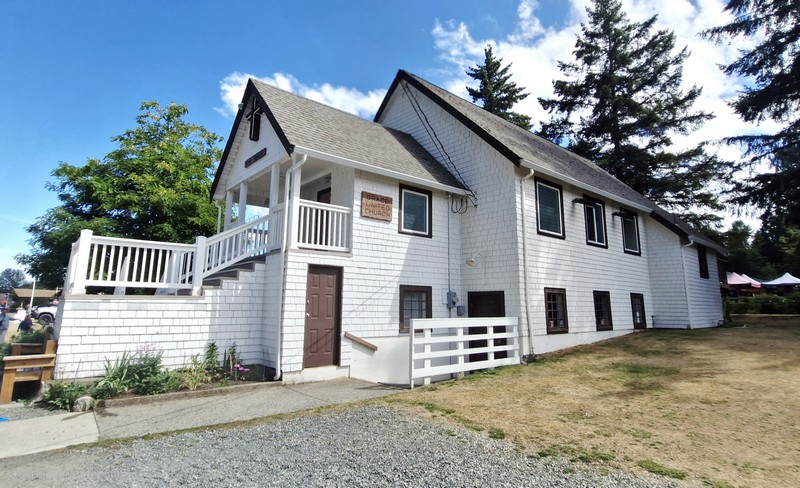
We parked our car near the nearly 80-year old Grace United Church.  This Salvation Army church, built in 1945, was designed by Sam Little of St. Andrew’s Lodge in Qualicum Beach.  Our dog Luffy was allowed around the market and patios (but not in stores unless they are service dogs).

Grace United Church

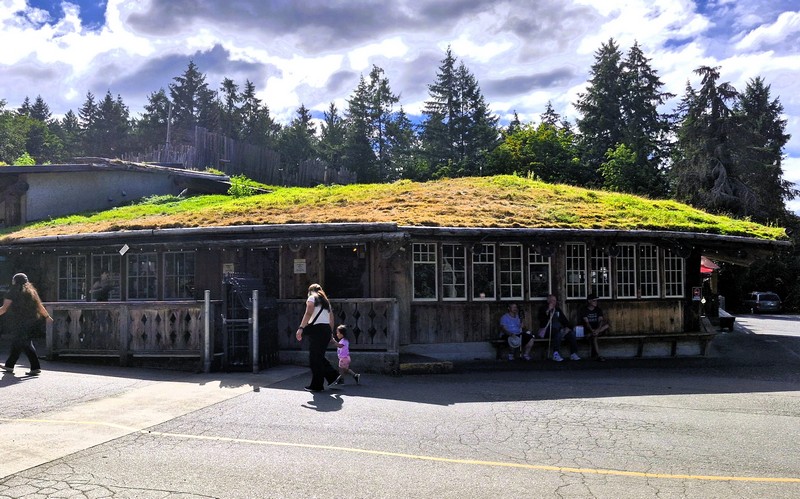
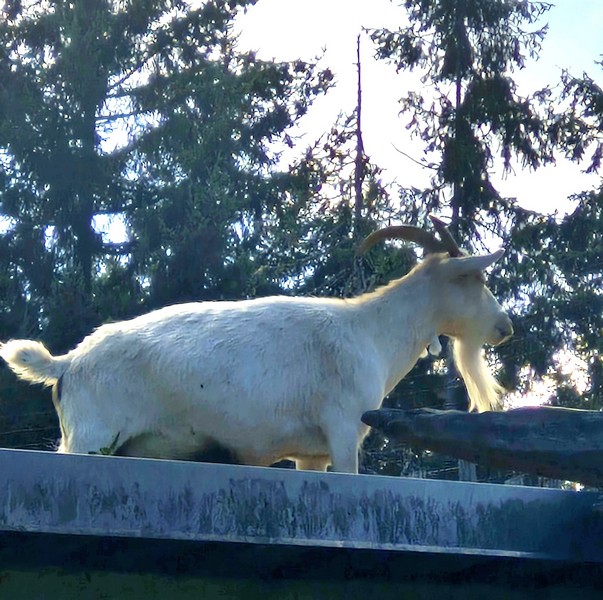
Our first stop, and a must-see, is the town’s Old Country Market (more often known as “Goats on the Roof”), a charming roadside shop providing fresh produce, groceries and gifts to travelers heading to the west coast of Vancouver Island.  Known for its grass-topped roof with a family of resident goats, over the years it has evolved and grown into a beloved landmark of Coombs. The goats are generally on the roof, 24/7, from the May long weekend until late October. During the off-season, they call a nearby farm in French Creek, near Parksville, their home, but they can also be seen in the grassy field beside Cuckoo’s Restaurant.

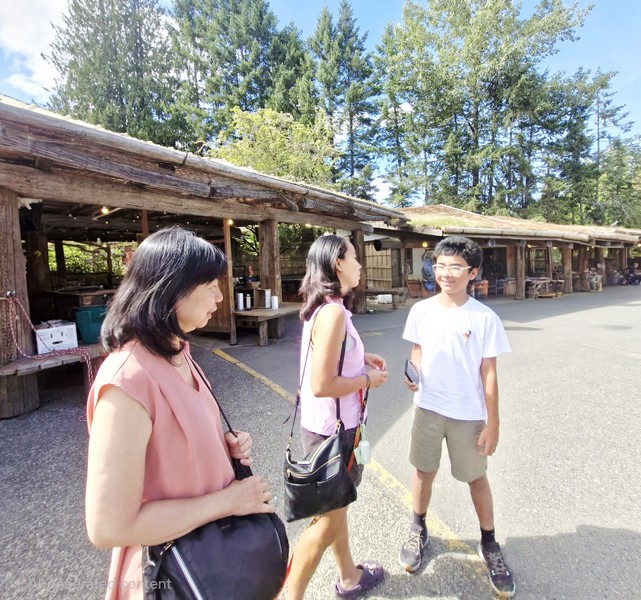
Grace, Cheska and Kyle

In 1973, the original market was created by Kristian Graaten who, with his wife Solveig and their children, emigrated to Vancouver Island from Norway in the 1950s. Kris grew up in Lillehammer, a small community of Norway, where many Norwegian homes and farm structures are built directly into the hillside, with the sod roof becoming an extension of the hillside.  Inspired to include a sod roof in his design of the market Kris, with the help of sons, Svein and Andy, and son-in-law, Larry Geekie, unwittingly began to build what would become perhaps the most famous sod-roof building in the world.

Old Country Market and its sod roof

The grass on the roof was higher than Kristian liked. It was the weekend of the Coombs Fall Fair and the grass was getting rather long. Legend has it that, after a few glasses of wine, Larry suggested that they “borrow” some goats to “mow” the grass and perhaps provide some entertainment for passing cars. Needless to say, the goats became an instant hit with locals and tourists alike.

Goat on the roof

Today, the Old Country Market is now owned and operated by Larry and Lene Geekie and their family who keep retooling and expanding their retail concept.  Three of their children work with Larry, managing different aspects of the business and buying merchandise from India and China as well as other international markets. 

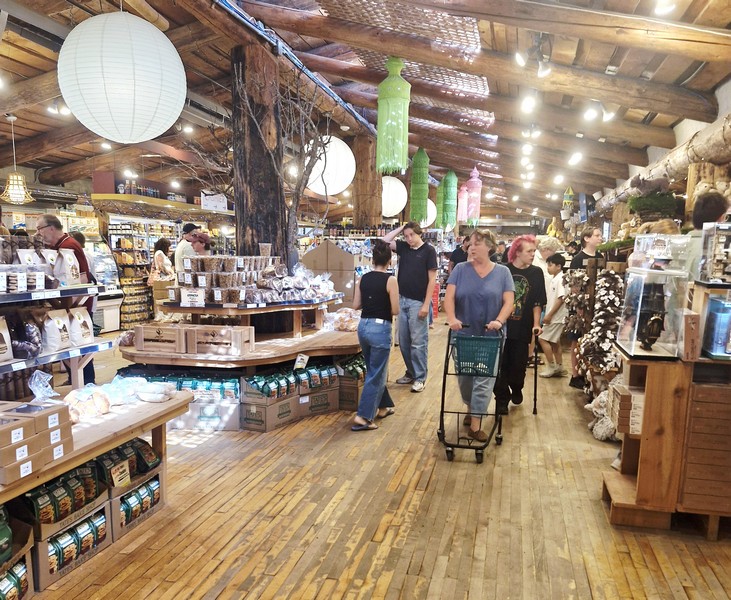
Old Country Market interior

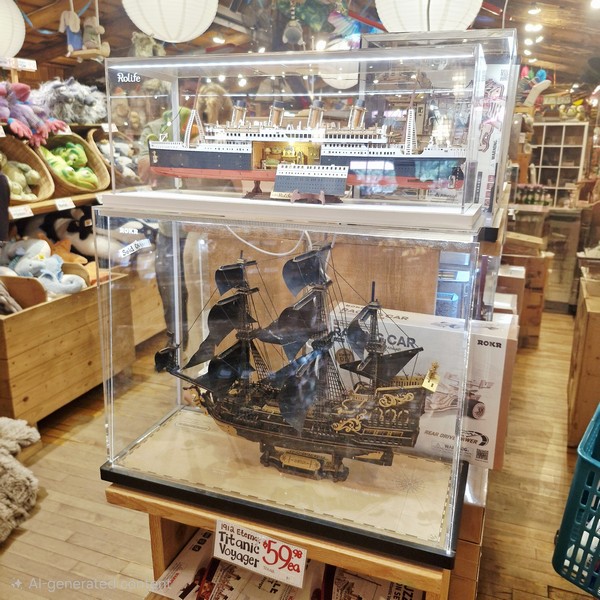
The market sells international foods, fresh-baked goods, imported gifts from the far reaches of the world, and a superb delicatessen specializing in a variety of international meats and cheeses. There is also an on-site restaurant. What impressed us, within its eclectic Toy and Import Section, was the Rolife DIY miniature house kits and 3D wooden puzzles, especially the diorama and book nook sets. They were quite expensive though.

Rolife DIY miniature house kits and 3D wooden puzzles

Nearby is Billy Gruff Creamery (opened March 10, 2016), an ice cream shop with one of the best selections of ice cream, homemade gelato (rich, creamy and bursting with flavor), affogato and sorbeto found on Vancouver Island.  Here, we bought double scoops, on waffle cones and cups, of some of their over 70 flavor choices, including 8 dairy-free options. 

It had a unique ordering process of paying first and then placing your order which adds to their charm.  However, you have to select the scoop without tasting. The serving size for the price was topnotch. They also offer vegan options like banana and walnut bread as well as Buddha bowls and sushi treats.

Coombs Emporium

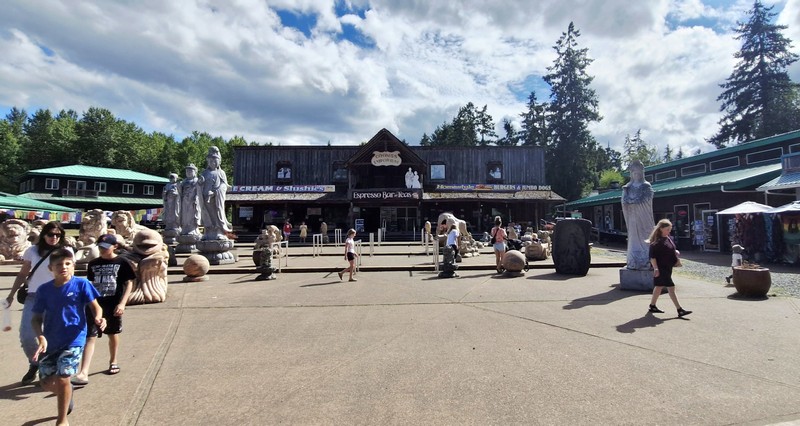
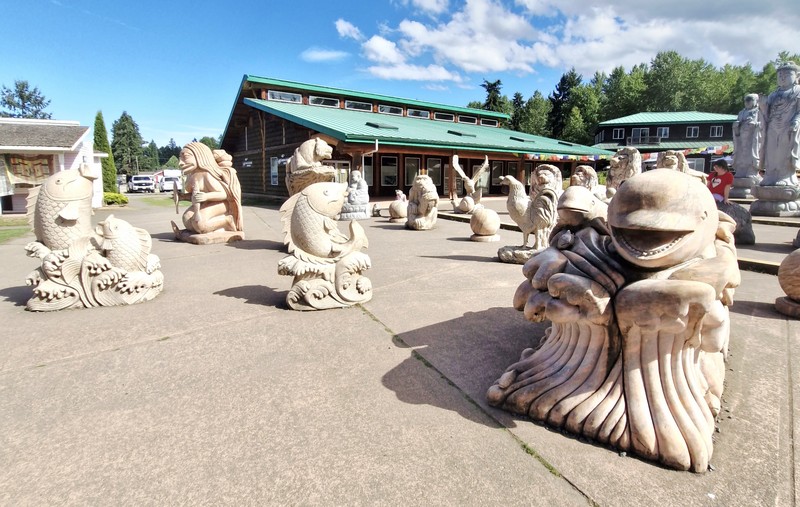
Across from the famous Old Country Market is Statue Square, a delightful, not-so-hidden gem.  This charming open-air courtyard, outside the huge Coombs Emporium, is another popular roadside stop for families and photographers as filling the square is an impressive collection of large, massive hand-carved and intricate carvings of animal figures (lions, camels, fish, birds, giraffes, orangutans, etc.), a couple of Chinese and Hindu Buddhas, mythological shapes, Native American gods, and polished stone and marble art pieces as well as wooden sculptures of bosomy women that have left us pleasantly surprised. The exhibit is free.

Statue Square

Rather than by a single named local artist, the monumental statues were crafted by traditional stone artisans (they are not named or credited publicly) from China commissioned and imported by the Lee family (the emporium’s owners) as part of their extensive international art collected over 40 years.  Some of the individual pieces weigh up to 9 tons plus some of the complex sculptures took artisans up to 7 years to complete.   The wooden sculptures, on the other hand, were hand-carved by Indonesian and other Southeast Asian sculptors.  These certainly add character to the area and are still worth exploring for their beauty and uniqueness.

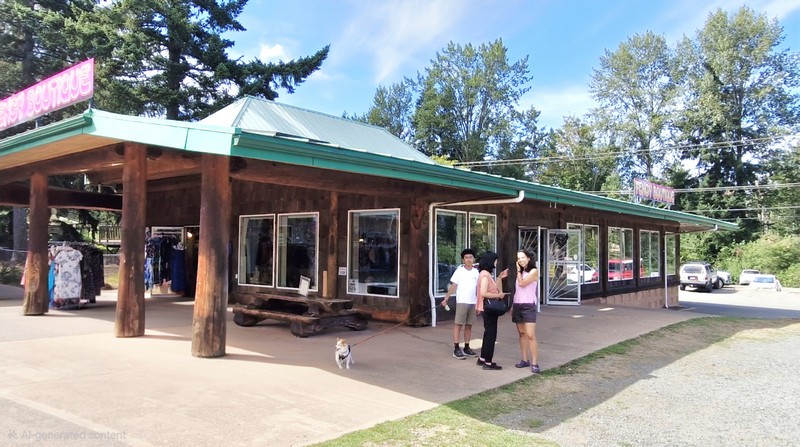
Fengy Boutique

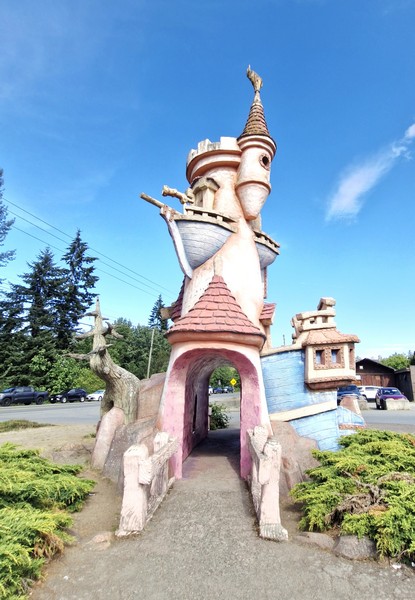
The square is surrounded by small boutique buildings sharing a similar tourist-market vibe selling jewelry, imported crafts, clothing, and chainsaw wood carvings. Nearby, beside the road, is whimsical Fairy Castle which even has a goat on the pointed roof to tie it into the rest of the area.

Fairy Castle

Old Country Market: 2326 Alberni Highway, Coombs, British Columbia V0R 1M0.  Tel: (250) 248-6272.  Website: www.oldcountrymarket.com.  Open daily from roughly March to December, usually around 9 AM to 6 PM.

Billy Gruff Creamery & Bistro: 2310 Alberni Highway, Coombs, British Columbia V0R 1M0.  Tel: (250) 248-6272.  Open daily, 10 AM – 5 PM.

Coombs Emporium: 2300 Alberni Highway, Coombs, British Columbia V0R 1M0.  Tel: (250) 248-5895. Open daily, 9 AM – 5 PM.