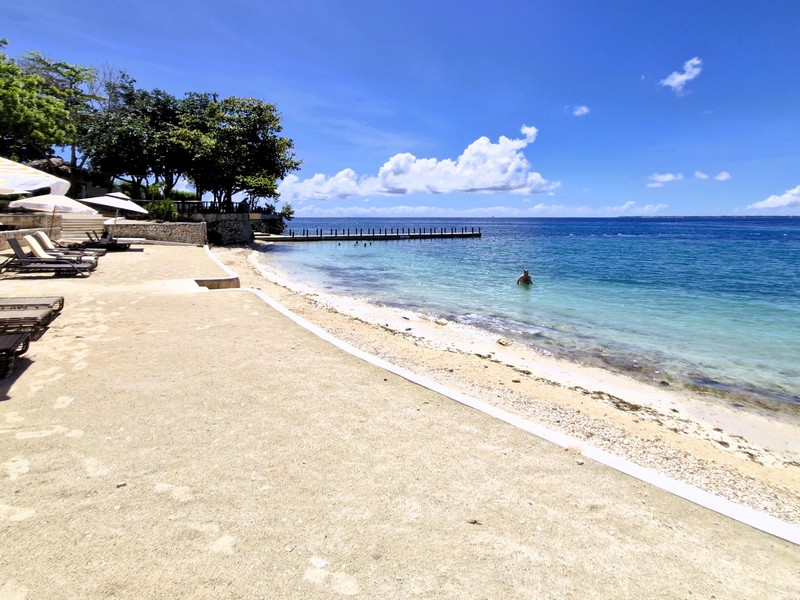
Mantigue Island (Mahinog, Camiguin)

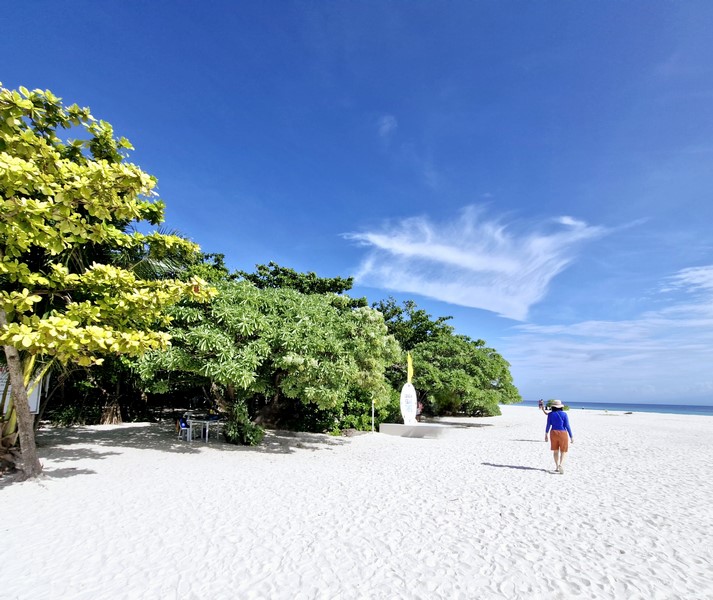
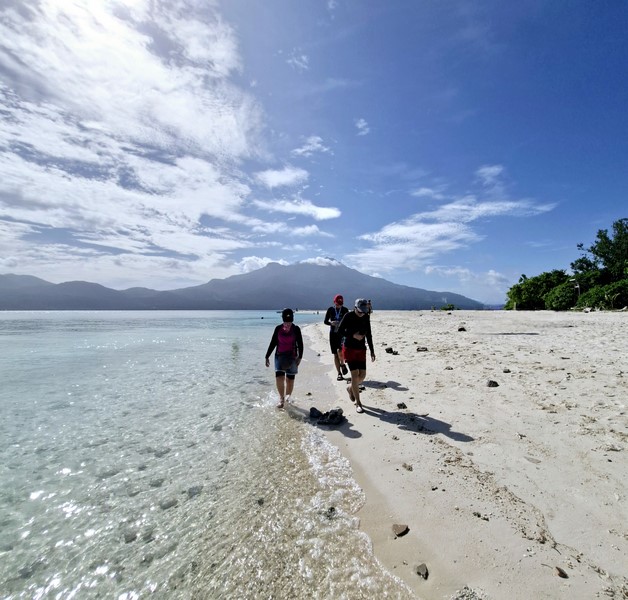
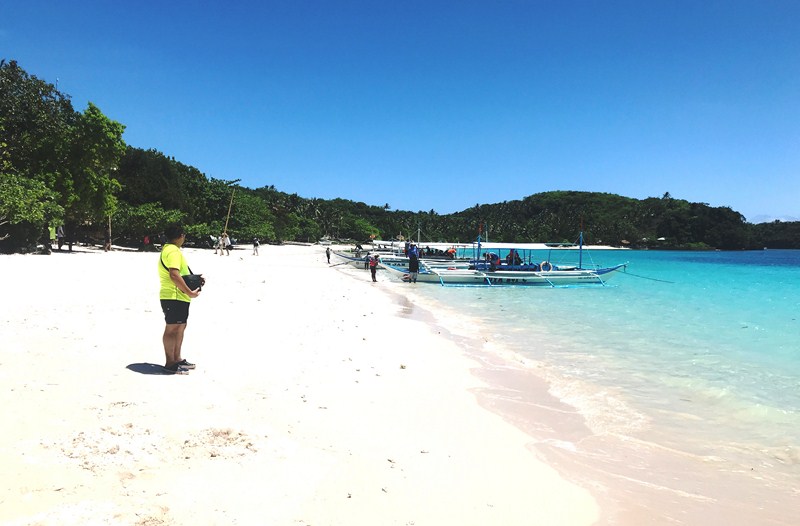
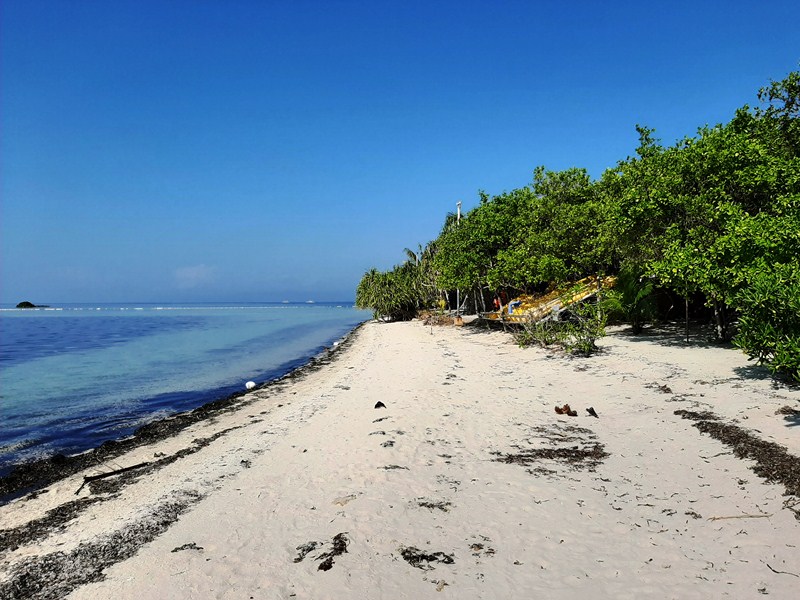
Grace walking along the powdery, white sand beach of Mantigue Island

After lunch at J&A Fishpen at Taguines Lagoon, we again boarded our multicab for the short, 4.9-km. (10-min.) drive to the beach at Brgy. San Roque.

m

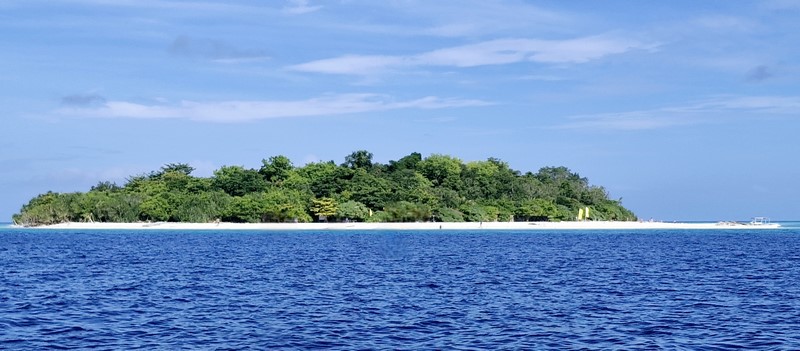
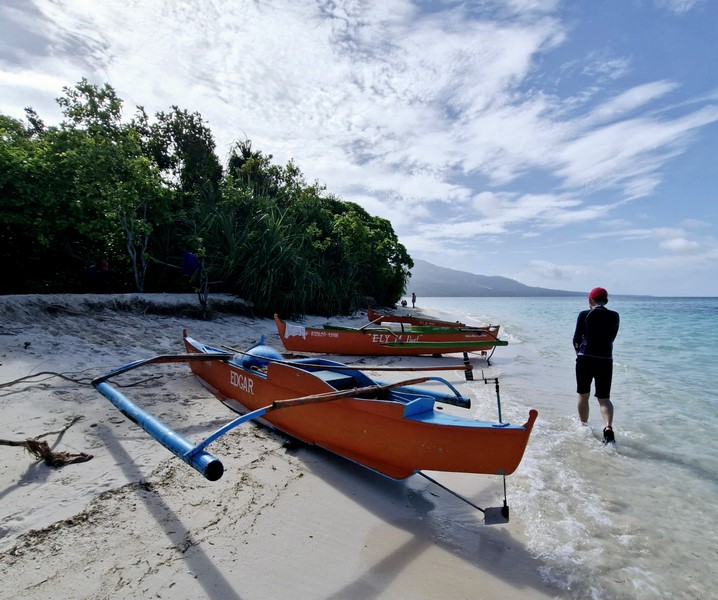
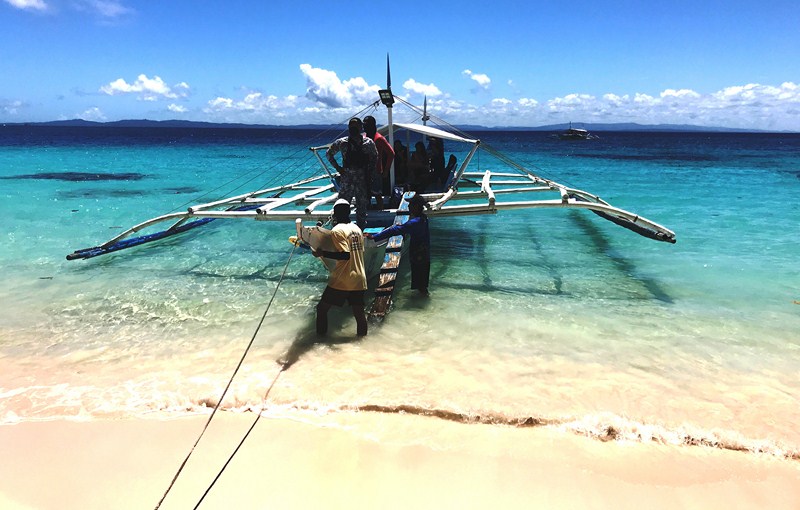
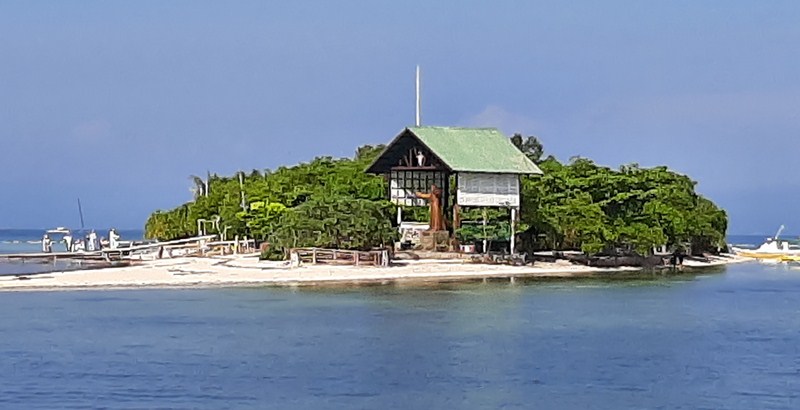
Here, we boarded a light, 4-pax pumpboat for the short, 20-min./3.5-km. (2.2 mi.) boat ride to the small (6.9-hectare) but captivating, mushroom-like and uninhabited Mantigue Island, located southeast of the main island of Camiguin. Though Jandy and I have visited Camiguin way back in 2001, this would be our first visit to the island.

Check out “Taguines Lagoon”

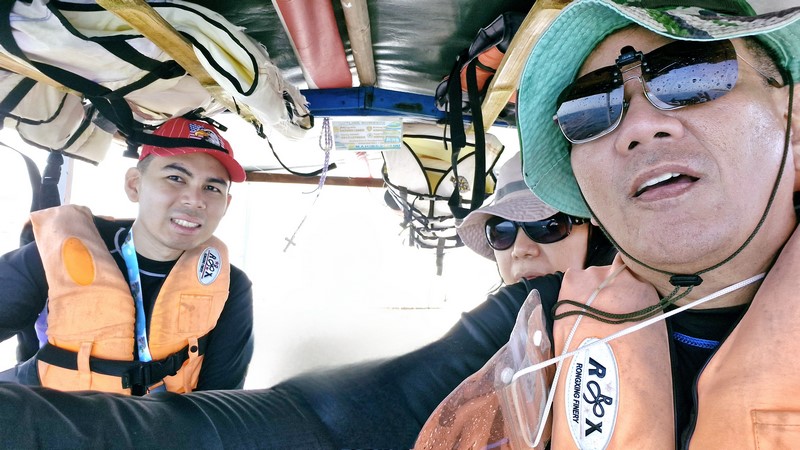
L-R: Jandy, Grace and the author

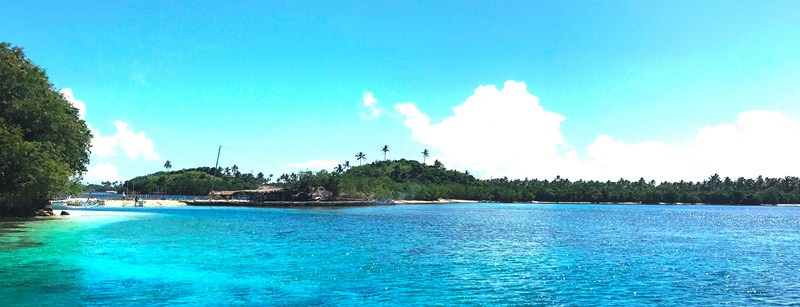
The island seen from our boat

Also called Magsaysay Island, this island is also accessible from Barangay Hubangon and Binaliwan (Binatubo) and about 12 nautical miles from Mantangale Alibuag Dive Resort (Balingoan, Misamis Oriental).

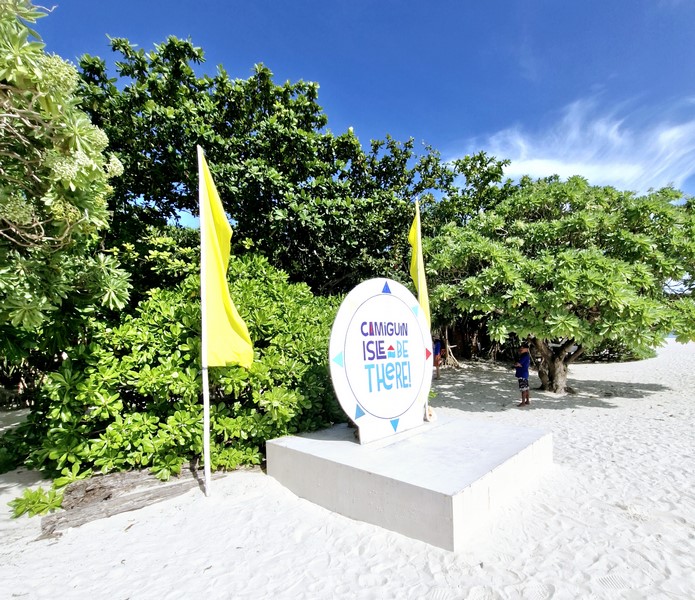
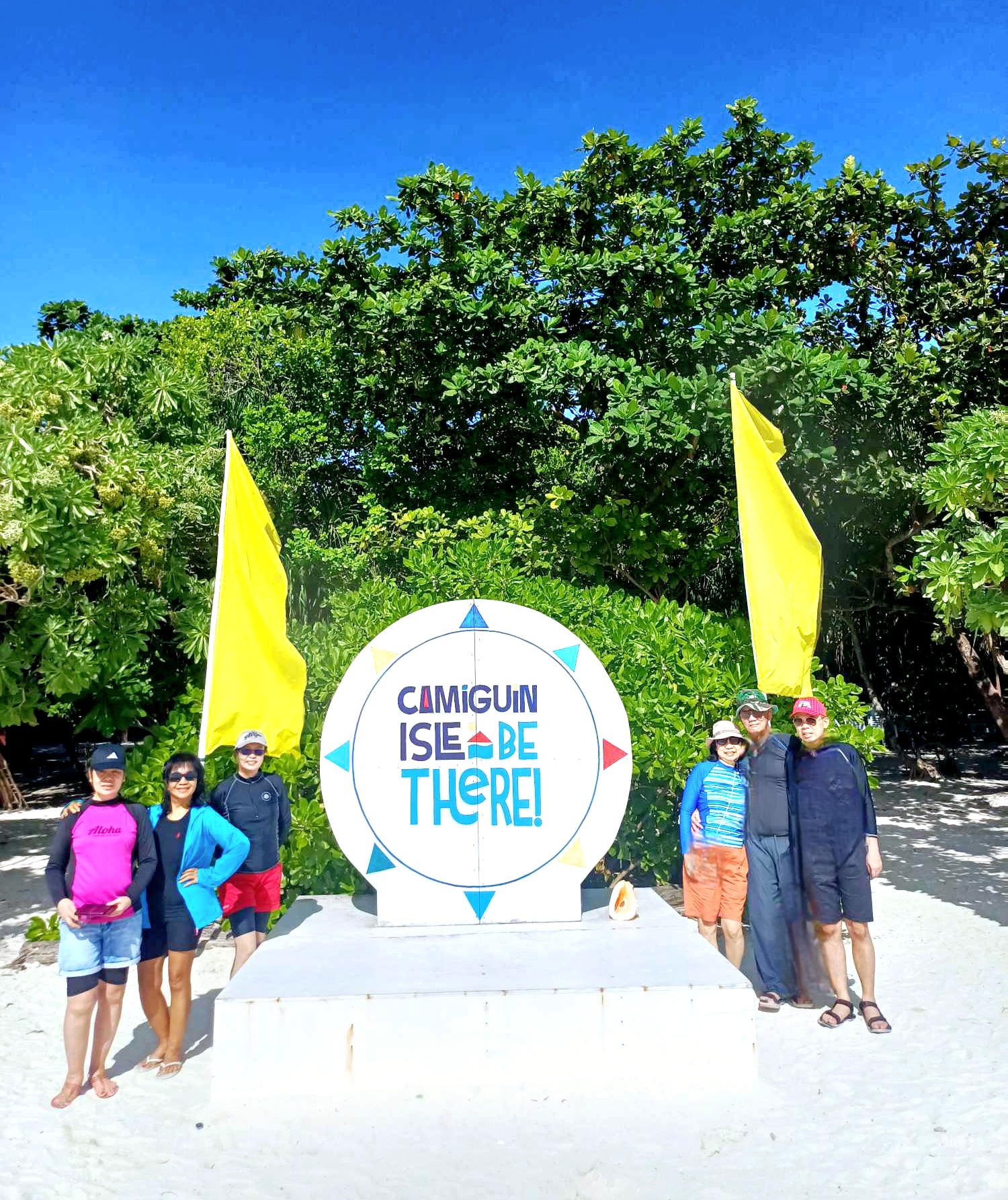
The “Camiguin Isle Be There” sign that welcomed us upon landing

L-R: Lourdes, Gelyn, Lorraine, Grace, the author and Jandy

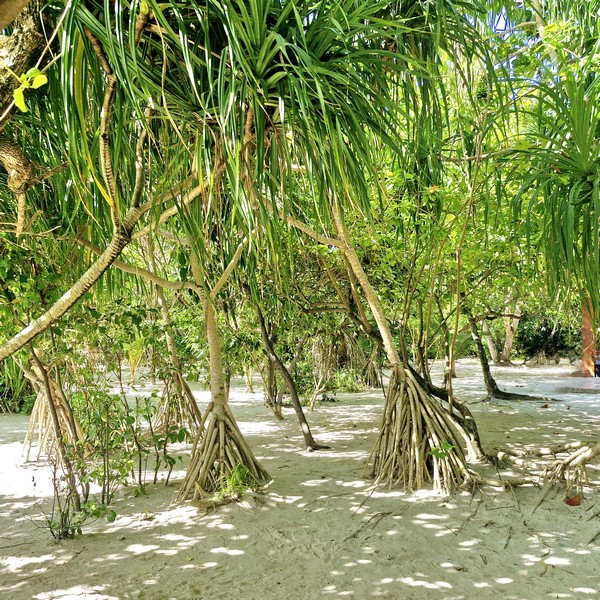
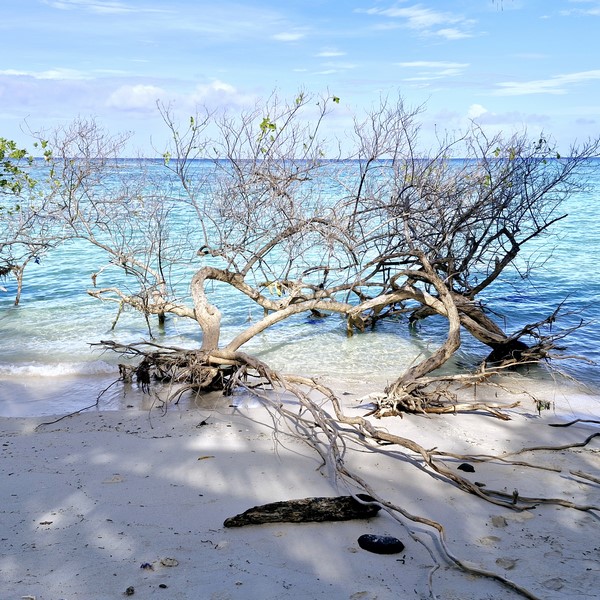
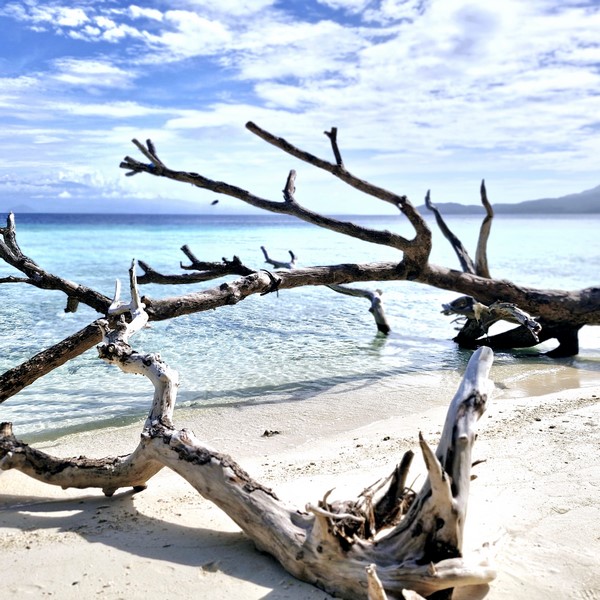
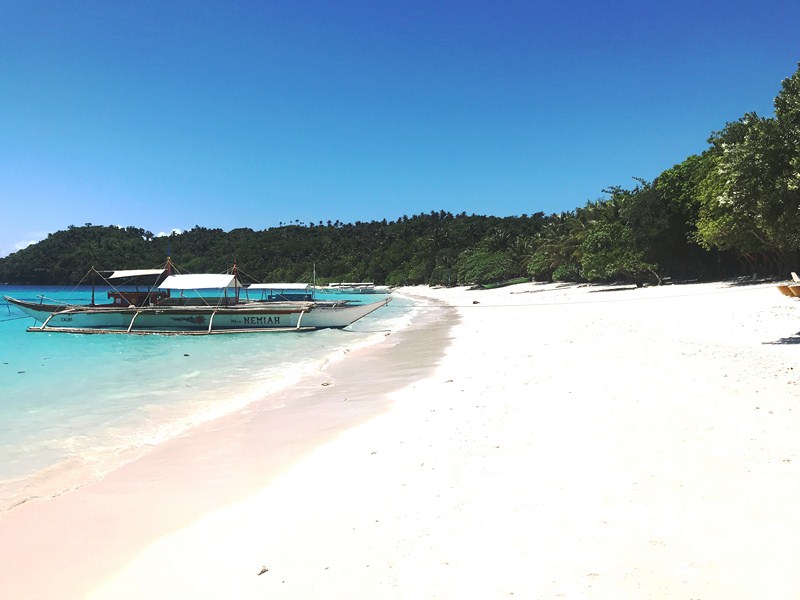
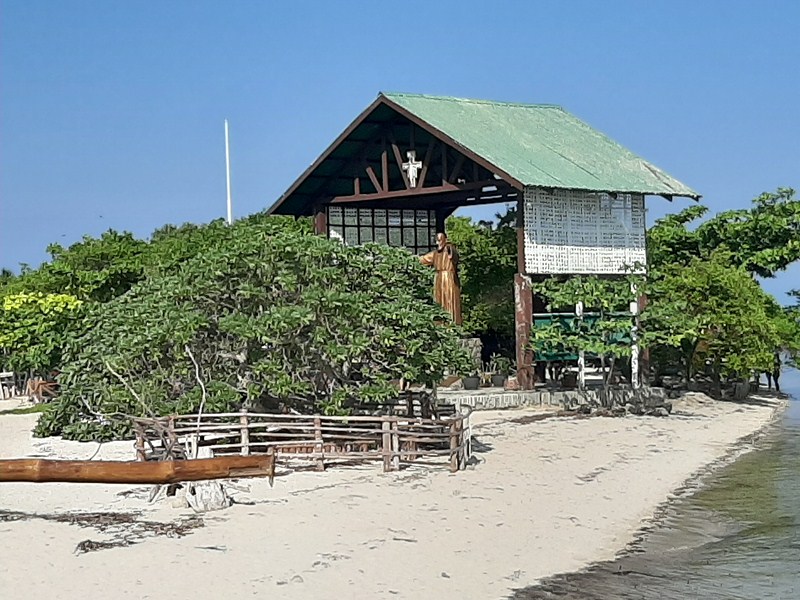
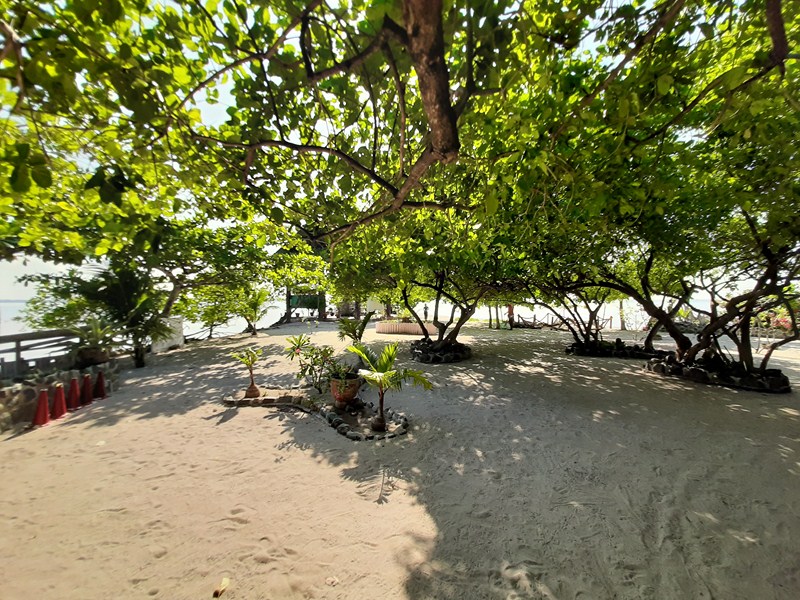
It has a 4-hectare (9.9-acre) evergreen forest (providing plenty of shade) surrounded by a captivating and gleaming powdery, white coral sand beach, a sprawling fringing reef, with corals offshore, and crystal-clear waters.  Trails lead to scenic viewpoints with panoramic views of the surrounding sea and nearby islands.

Lorraine, Jandy and Loudes exploring the island

The north side of the island used to be home to a fishing village and a seaweed culture farm until the government prohibited any locals from residing therein and declared the island a protected area (Mantigue Island Natural Park) and marine sanctuary for sea turtles.

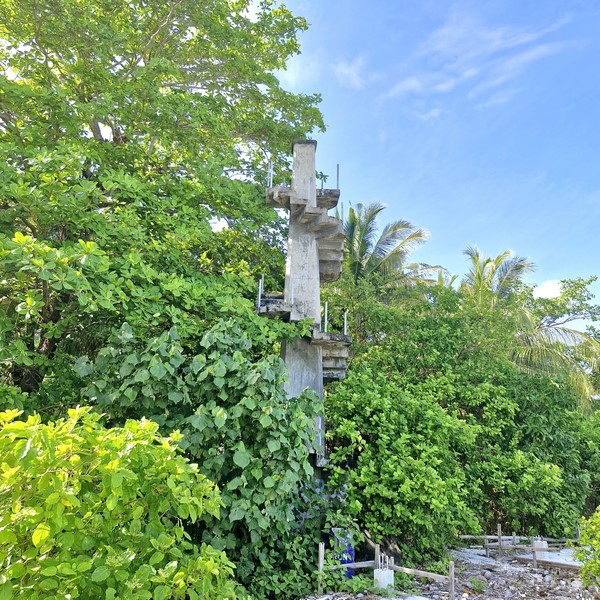
The now disused lighthouse on the island

The island is only open to the public during daytime only (until 5 PM) and people can stay in cottages (for rent) or swim in the sea. Overnight camping is not allowed.  The provincial government of Camiguin mandates the local government of Mahinog as the official caretaker of the island.

One side of the island has a mix of shallow reefs, ideal for snorkeling, and a deep drop-off ideal for  scuba diving (both beginners and experienced), with a rich variety of marine life such as sea turtles, jacks, barracudas, ribbon eels, trumpetfish, pufferfish and even rays and blacktip sharks.

Mantigue Island: Brgy. San Roque, Mahinog, Camiguin. Coordinates: 9°10′18″N 124°49′31″E.

Maydangeb White Beach and Blue Lagoon (Mahatao, Batanes)

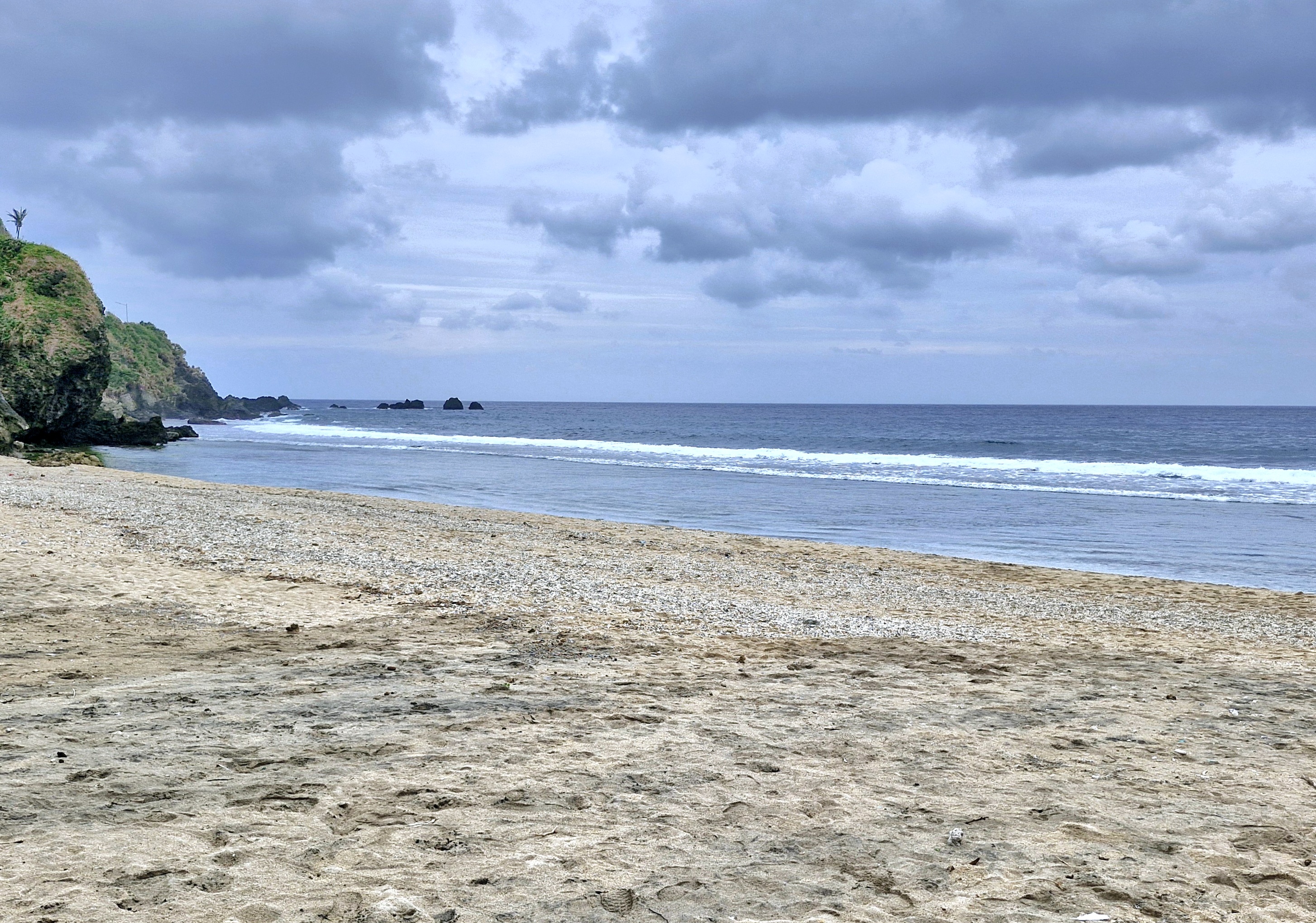
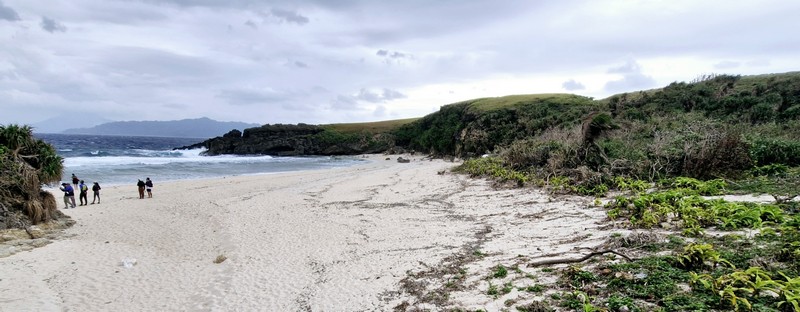
Maydangeb White Beach

On our way to Mahatao town proper, we made a short stopover at the scenic and secluded, beautiful white sand Maydangeb White Beach and, later, passed by the small but equally beautiful Blue Lagoon, both located just beside the national road. Both are also among the few places in Batanes where one can go for a relaxed and safe swim.

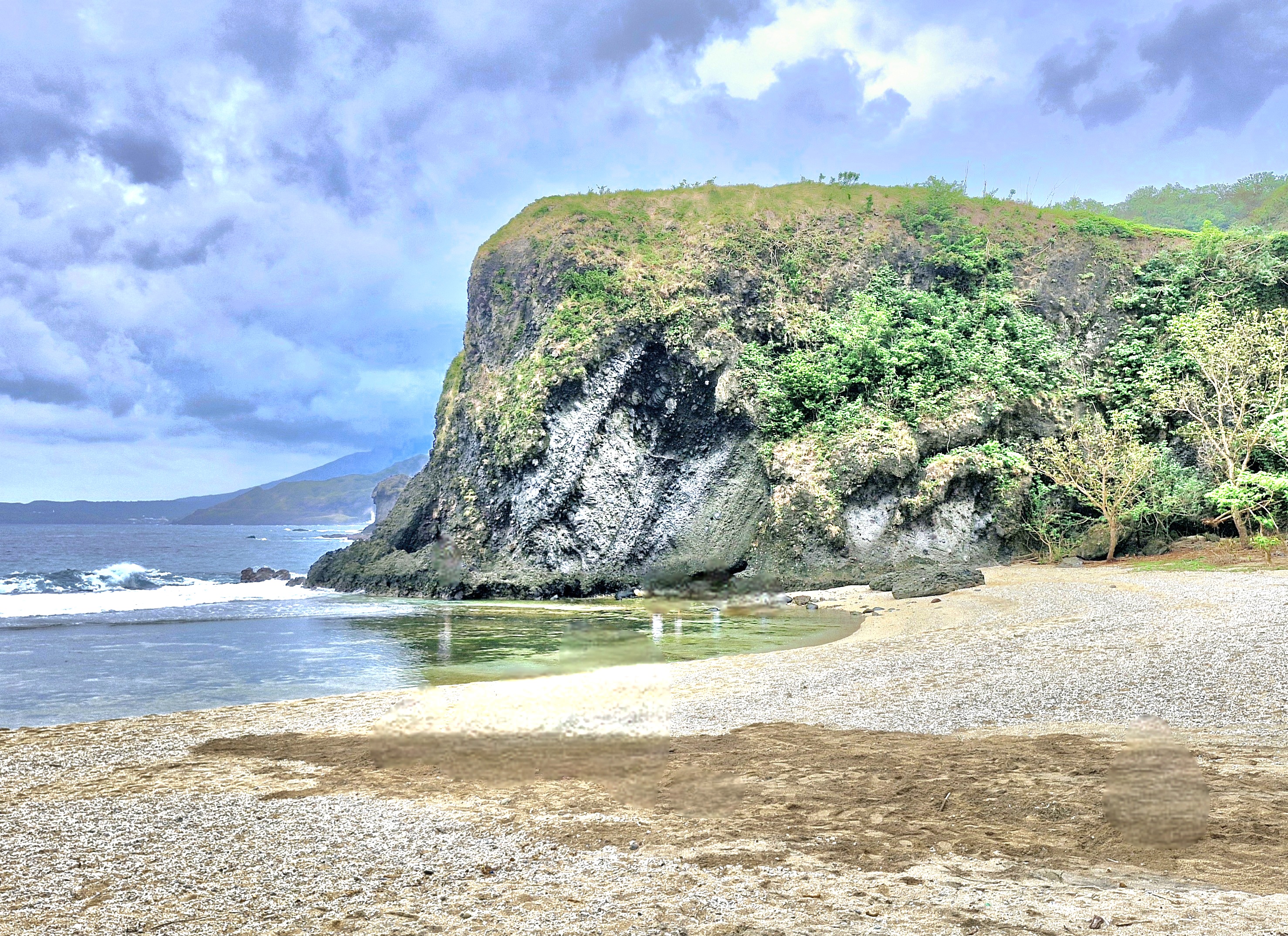
The rocky promontory on the right

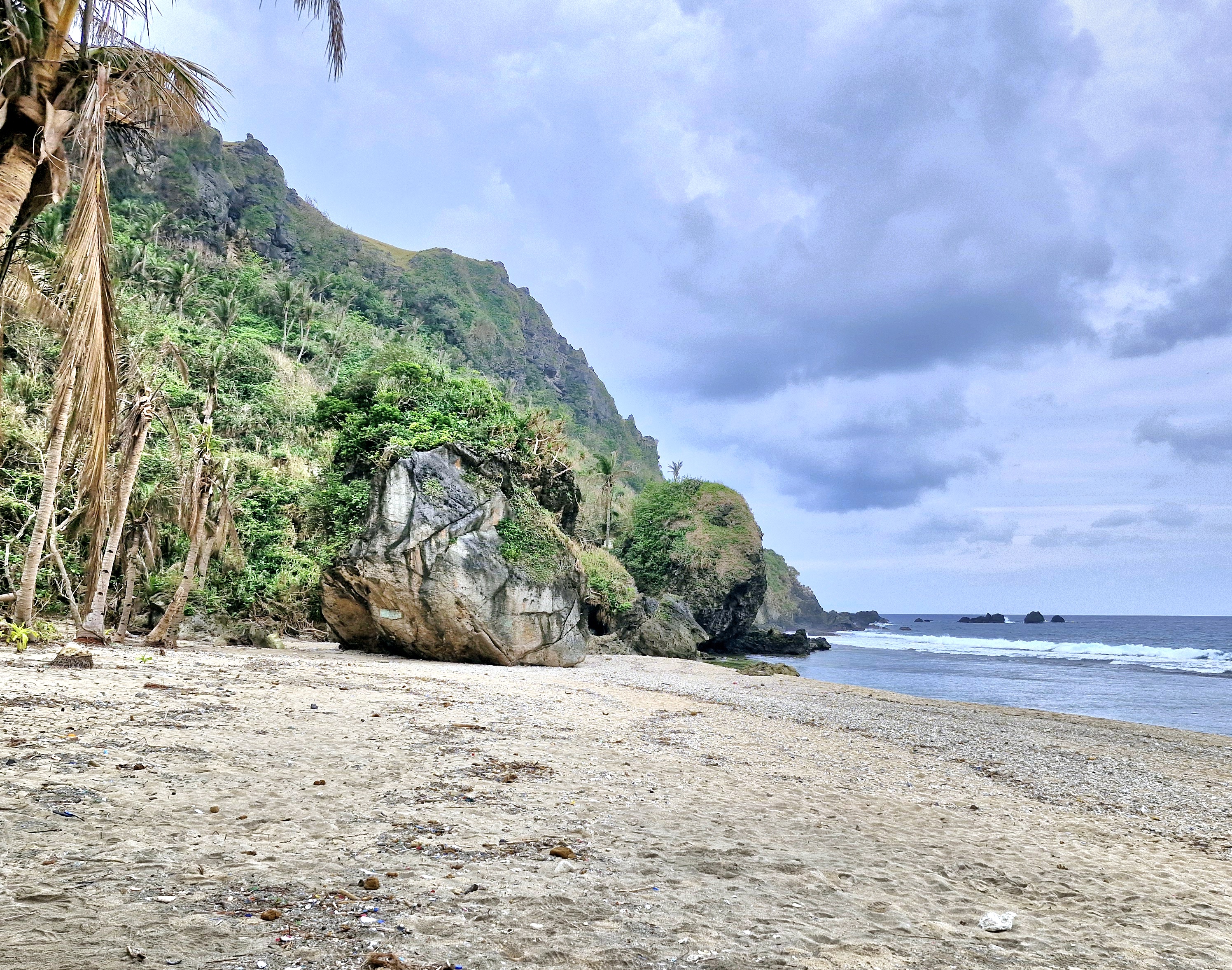
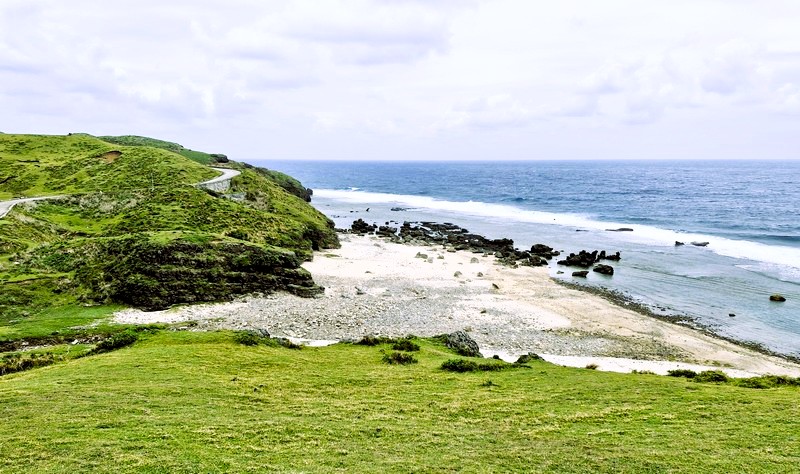
The quite cozy Maydangeb White Beach, a popular spot for swimming and picture taking, is flanked by rocky promontories and fringed by coconut trees, providing natural shade for those who wish to relax under them, plus it is often not crowded, providing a quiet and relaxing environment for visitors.

The rocky promontory on the left

The 150 to 200-m. long beach is accessible during both high and low (though swimming may require walking a bit far from the shore) tides. For beachgoers, it a budget-friendly option as the beach is free to enter.

The latter, just around the corner, concealed by rocky cliffs, is more commonly known as Huhmurun by the locals.  During the Spanish era, it was called the Spanish Lagoon or Spaniard’s Lagoon because only Spaniards were allowed to swim in this natural pool.

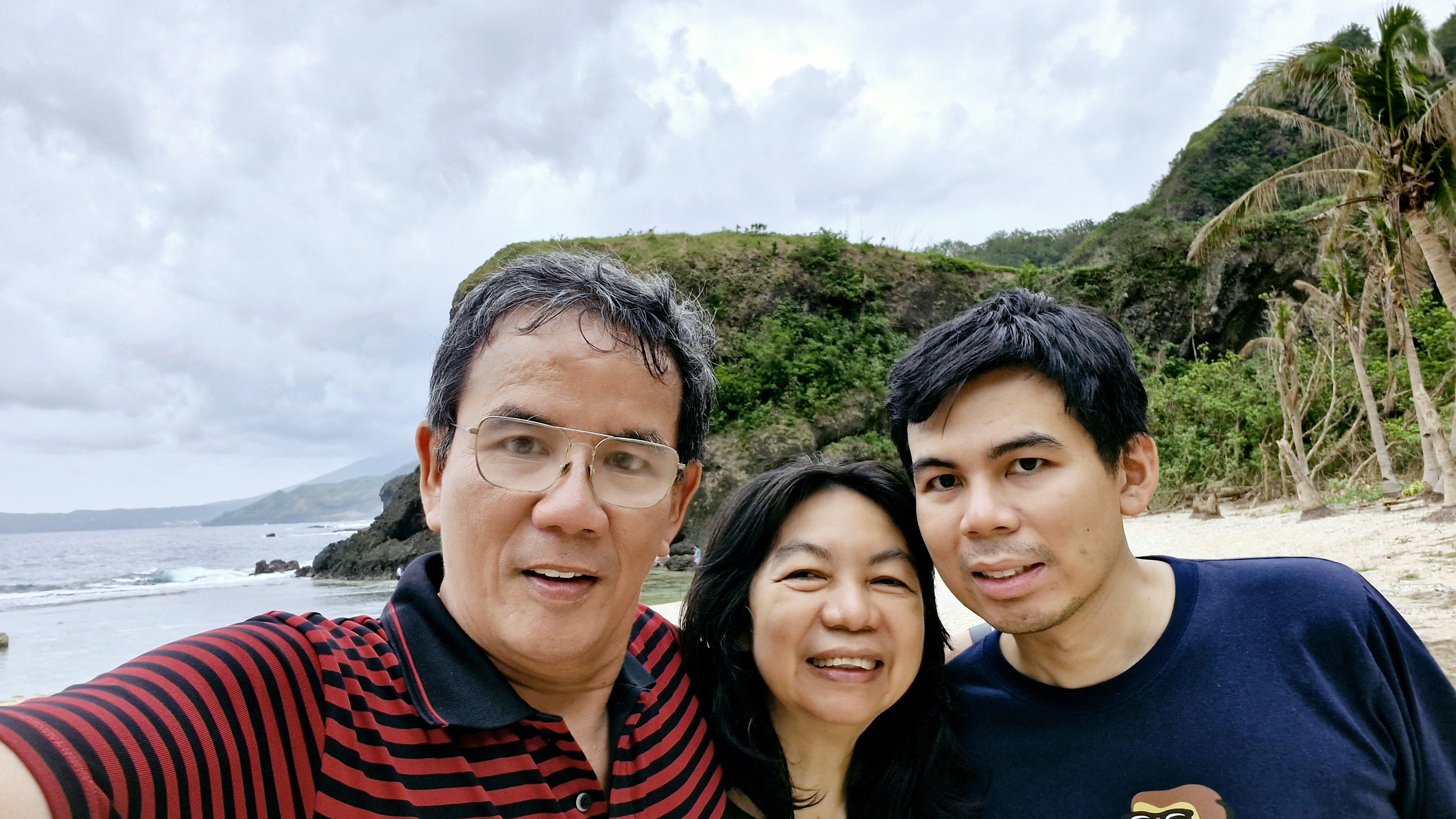
L-R: the author, Grace and Jandy

Now open to both locals and tourists alike, it has crystal-clear waters that turn blue during the summer season.  Though accessible from the highway, you have to walk a few meters down a inconspicuous, steep and rocky trail.  Around the area are deep ravines and rock formations.

Blue Lagoon (Huhmurun)

Maydangeb White Beach: National Rd, Homoron, 5901 Mahatao, Batanes.

How to Get There: Mahatao is located 13.4 kms. (a 30-min. drive) south of Basco.

Provincial Heritage and Tourism Office (PHTO): Mobile number: (0929) 230-5934. Website: www.breathtakingbatanes.com.

Mutchong Viewpoint (Uyugan, Batanes)

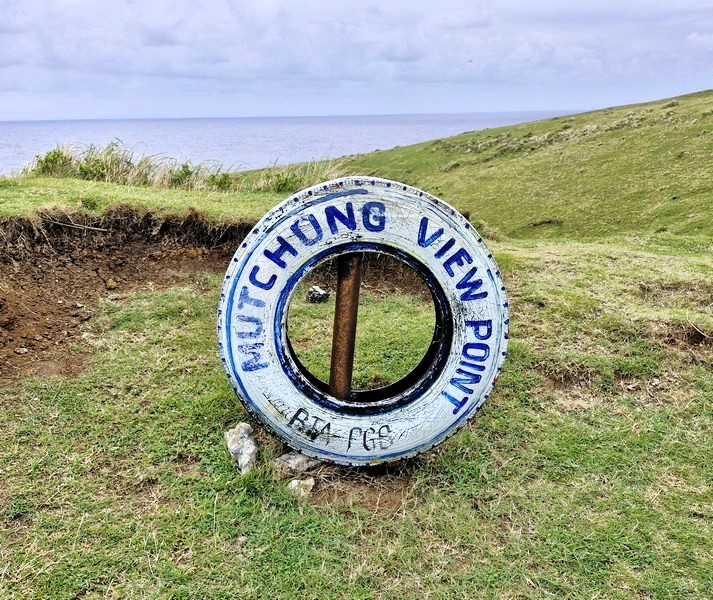
Mutchong Viewpoint

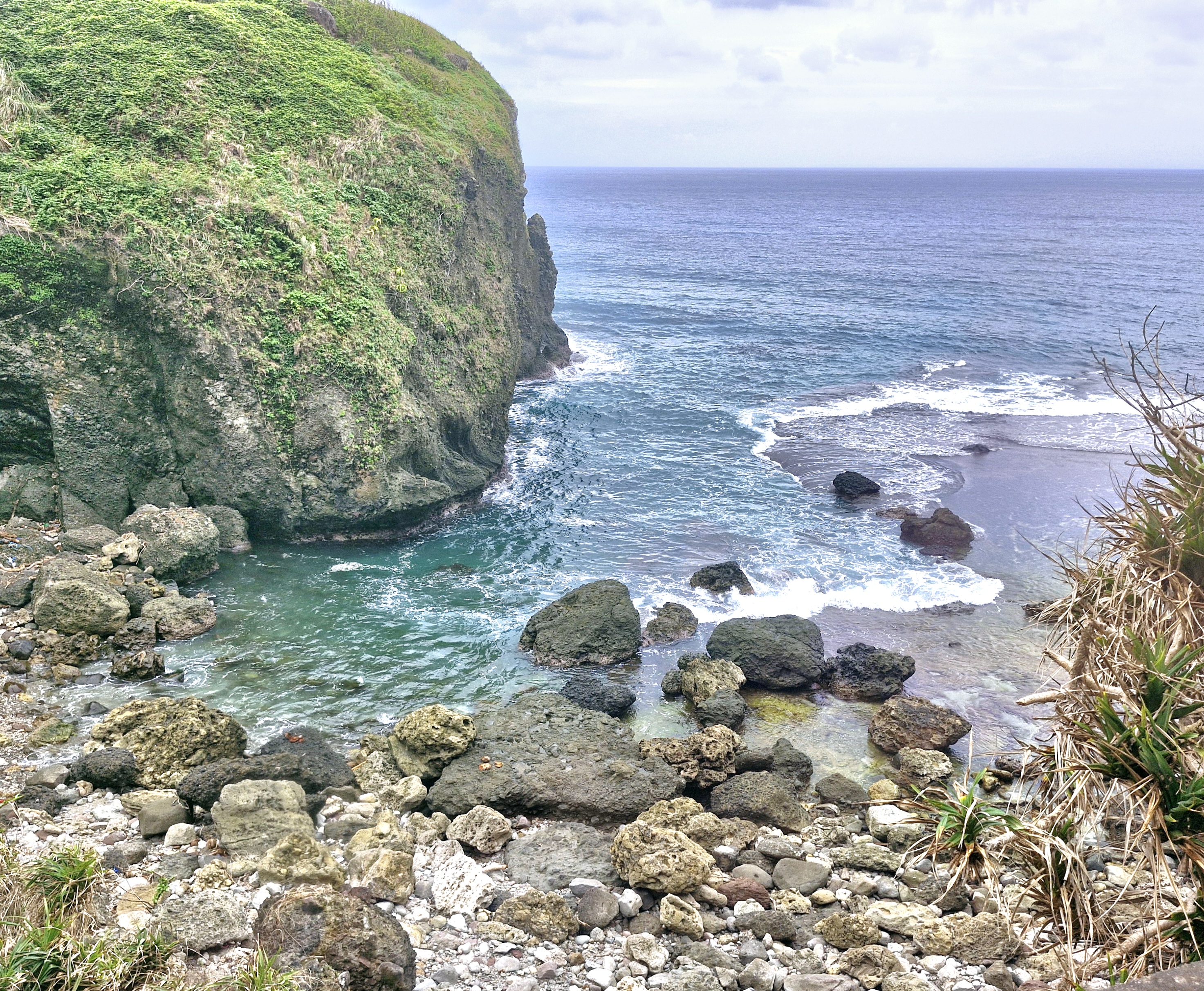
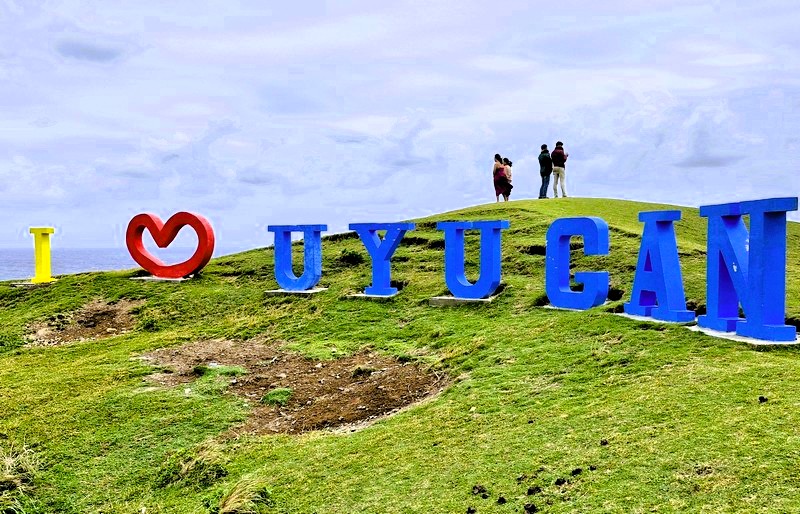
From the famous site of the Alapad rock formation, on your way to Brgy. Songsong in Uyugan, we made a stopover by the big sign saying “I ♡ UYUGAN,” a small boxlike community “bayanihan” (“Kamañidungan”) center and the Mutchong Viewpoint (also called Imnajbu Point) which is known for its breathtaking panoramic views of the surrounding landscapes, including the rugged cliffs, rolling hills, vast ocean, and the picturesque rocky coastlines of Batanes.

Check out “Alapad Rock Formation

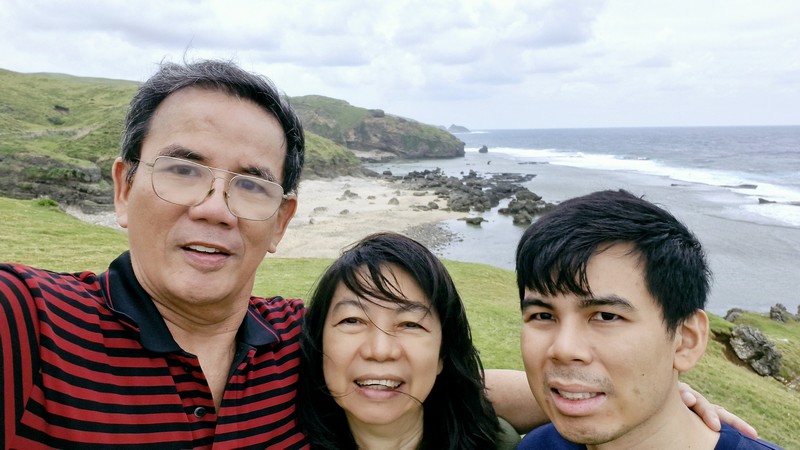
The author, Grace and Jandy

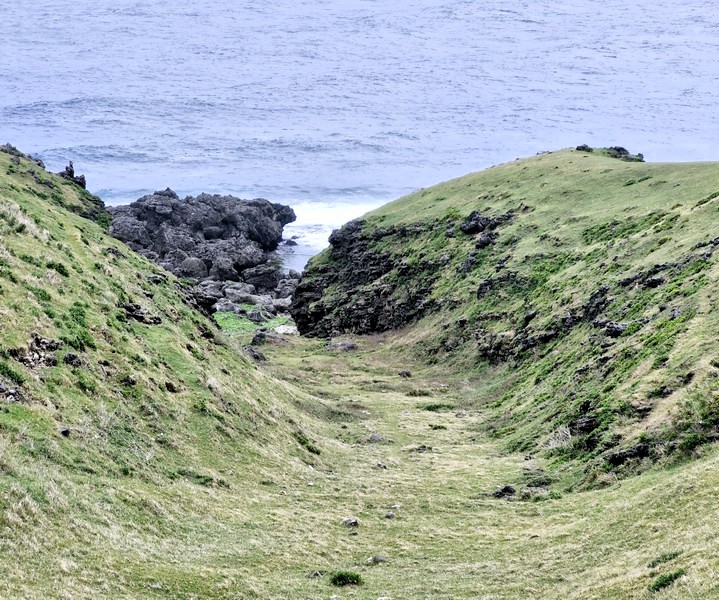
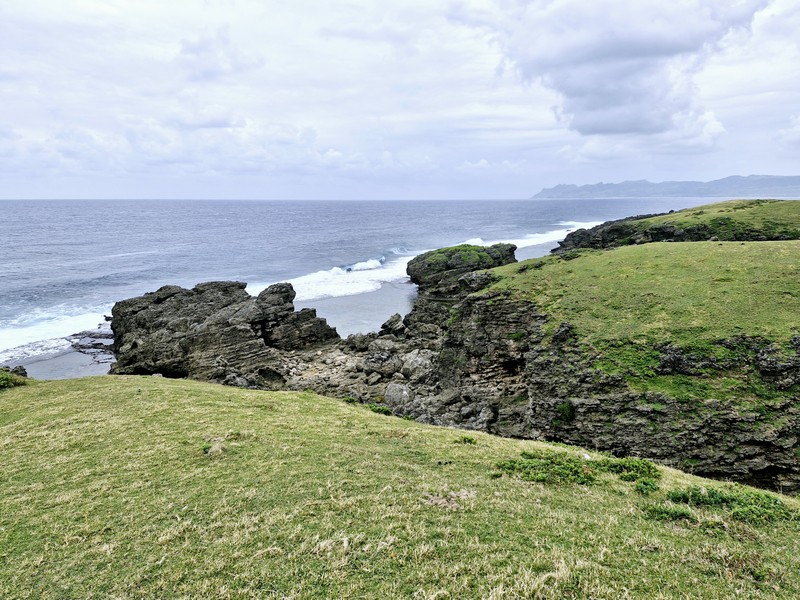
Here we were greeted with a spectacular sight of beautiful hills and the distant sea, as well as a refreshing breeze. The viewpoint allowed us to get close to a cliff, so we can see where the land meets the waters of the West Philippine Sea below. 

The big “I ♡ UYUGAN” sign

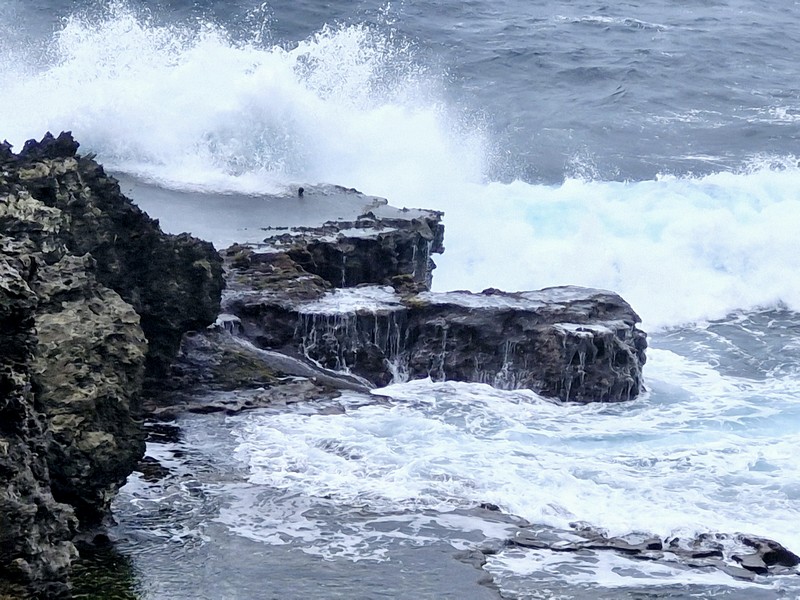
From this stunning vantage point, we admired the lovely scenery and natural beauty of the place, the waves crashing the unique geological formations of the area below and enjoyed the breeze and the sound of the howling wind.

Mutchong Viewpoint: Brgy. Kayvaluganan, 3903 Uyugan.

How to Get There: Uyugan is located 22.2 kilometers (a 45-minute drive) from Basco and 11.9 kilometers (a 25-minute drive) from Ivana.

Provincial Heritage and Tourism Office (PHTO): Mobile number: (0929) 230-5934. Website: www.breathtakingbatanes.com.

Morong Beach and Ahaw Rock (Sabtang, Batanes)

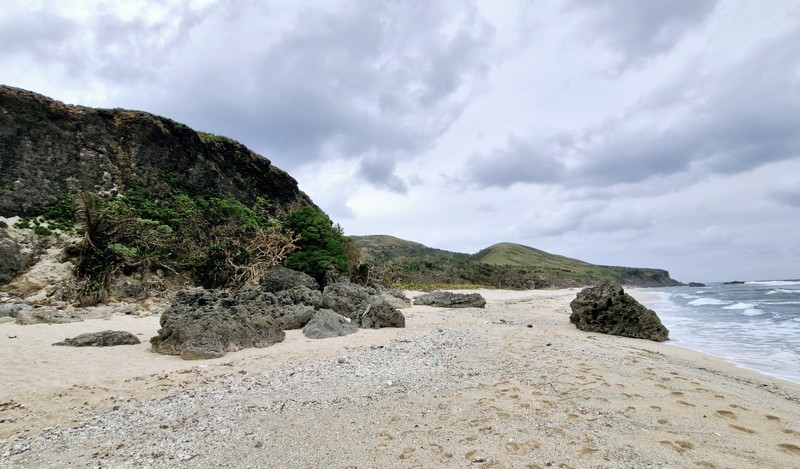
Morong Beach

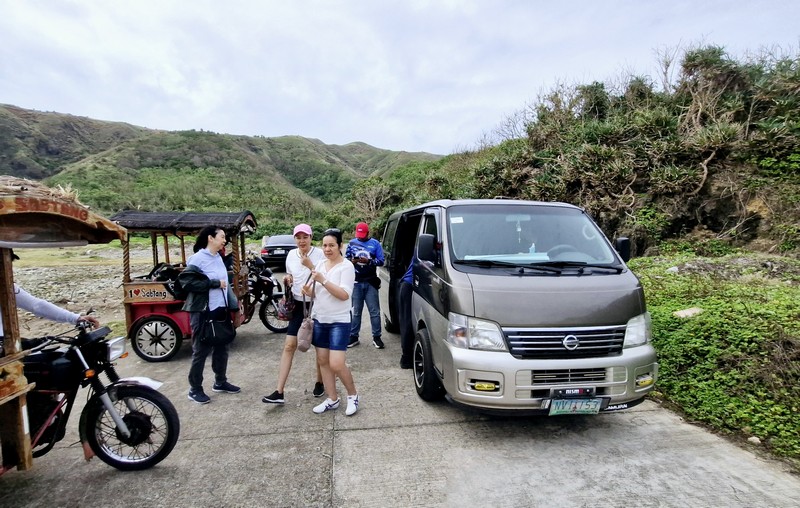
Upon arrival at Sabtang Port, we all boarded our van for the short 1.8-km. drive to our first part of our day tour of Sabtang Island – the short, 300 m. long, pristine white sand Morong Beach(also called Nakabuang Beach orWhite Beach).

Arrival at Morong Beach
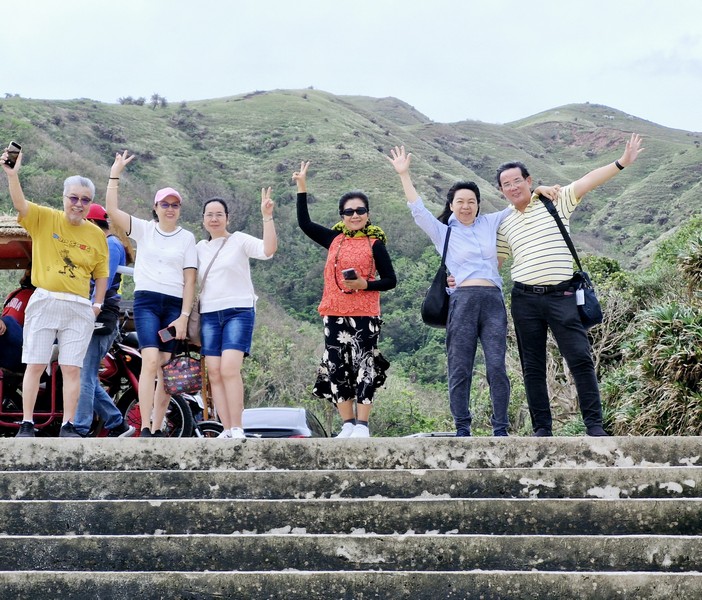
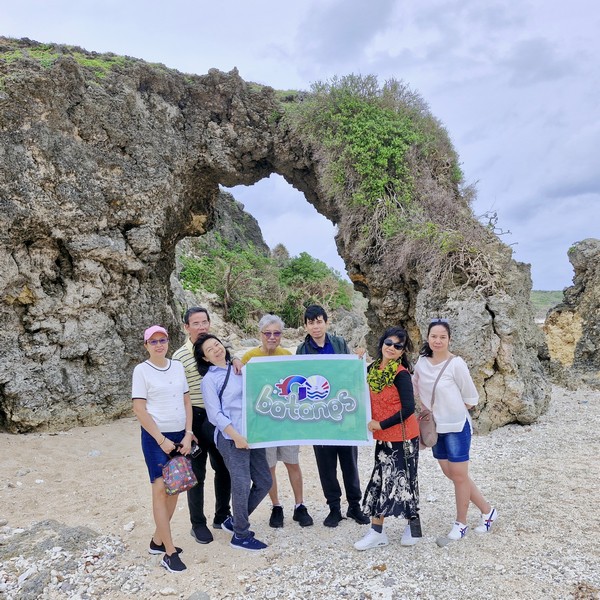
L-R: Jun, Lorraine, Lourdes, Gelyn, Grace and the author

Noted for its wild and natural beauty and unique rock formations, it is surrounded low, grass-covered hills on all sides and is probably the most well-known of all the beaches fringing the coast of the island. 

Despite the province’s usual rough weather, its less-ferocious, glass-like turquoise waters is peaceful and friendly enough for swimming, snorkeling and beachcombing. Giant sea turtles come here to lay their eggs and juvenile tiger sharks patrol its waters.

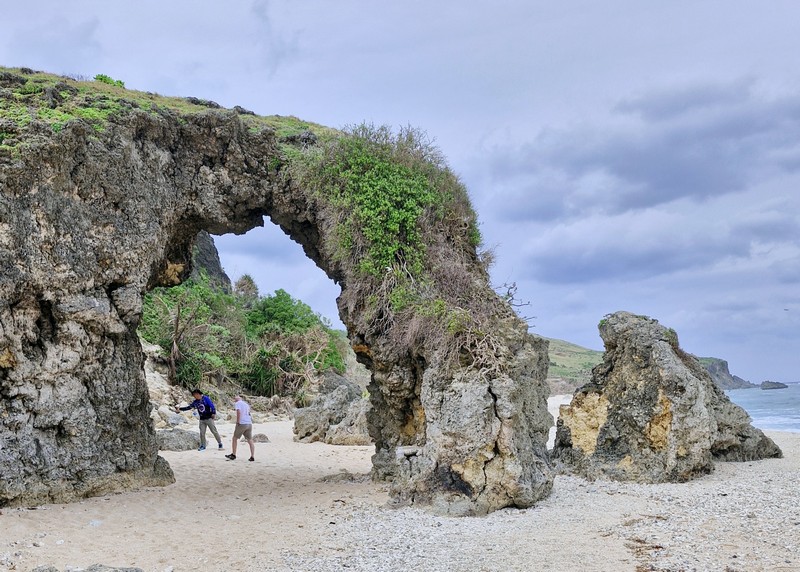
Ahaw Rock

In one area of the beach is a natural sandstone rock formation, called Ahaw Arch or Nakabuang Arch, where you can pass through.  It is iconic, not just for the island, but for Batanes as a whole. This rock formation is a favorite spot for picnickers.

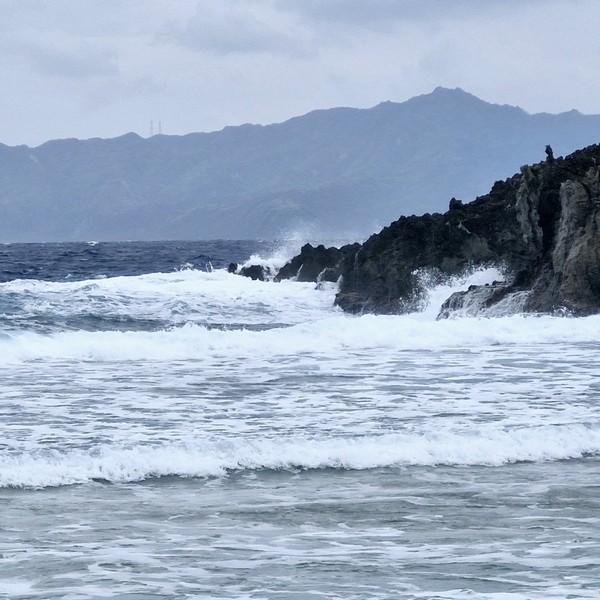
Waves crashing on the rocky shore

The beach’s few amenities include bathroom facilities and shaded areas with picnic tables.  There are no cottages here. Along the beach is the Paypanapanayan Canteen which serves authentic Ivatan dishes.  Also nearby is the Sabtang Weavers Association Café.

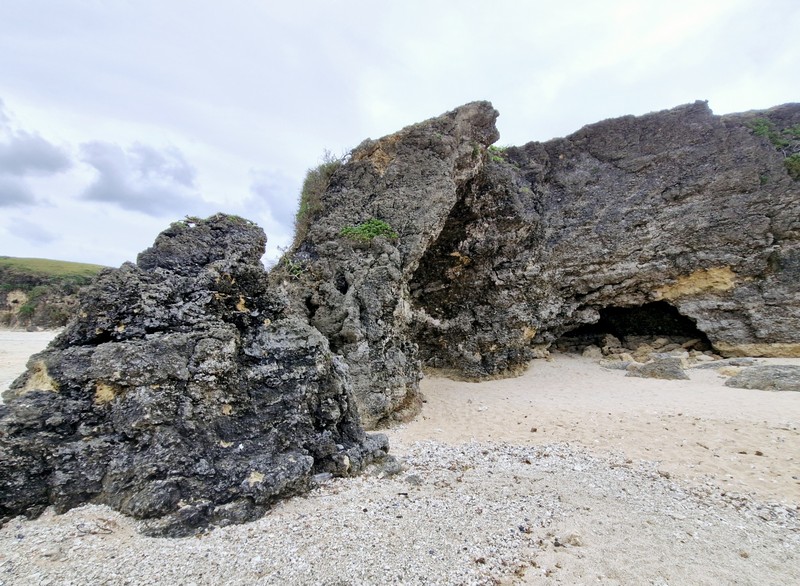
A sea-sculpted cave

Morong Beach: Sitio Morong, Brgy. Malakdang, 3904 Sabtang.

How to Get There: Sabtang, on Sabtang Island, is located close to the port.  There are scheduled 30 to 45-minute early morning boat trips by falowa (round-bottomed boat) from Ivana’s Radiwan Port to Sabtang.

Sabtang Tourist Information Center: Brgy. Sinakan, 3904 Sabtang.  Mobile number: (0929) 226-8055.  E-mail: tourismsabtang@gmail.com.

Provincial Heritage and Tourism Office (PHTO): Mobile number: (0929) 230-5934. Website: www.breathtakingbatanes.com.

Valugan Boulder Beach (Basco, Batanes)

Valugan Boulder Beach

After our tour of the Dipnaysuhuan Japanese Tunnel, we gain boarded our van for the 8.3-km. (20-min.) drive to the 3-km. long, scenic Valugan Boulder Beach.

Check out “Dipnaysuhuan Japanese Tunnel

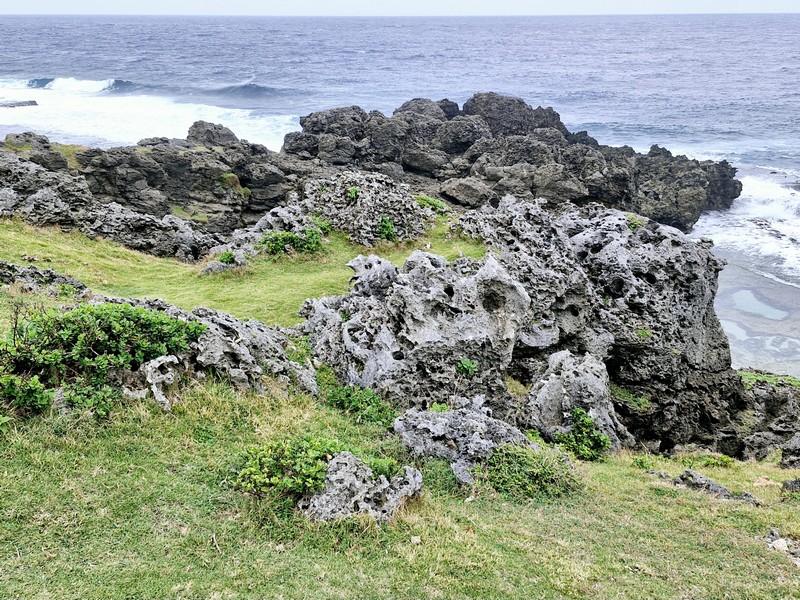
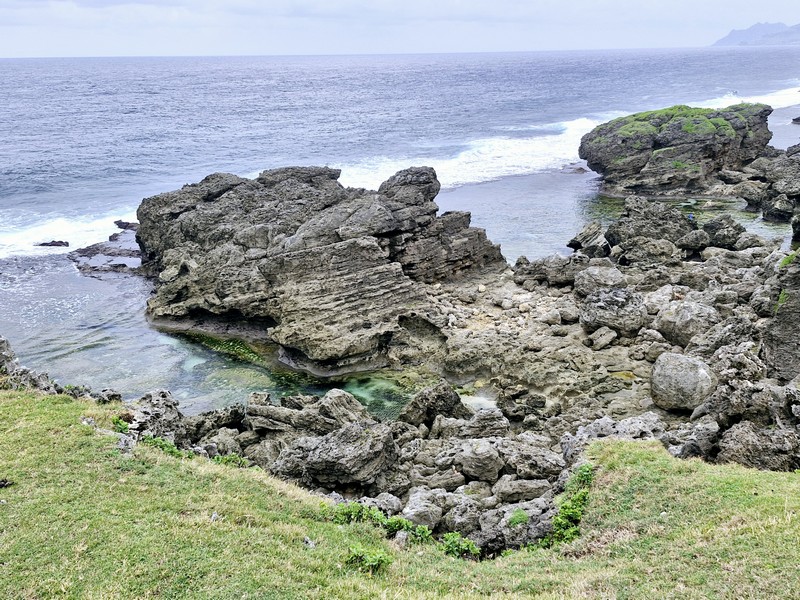
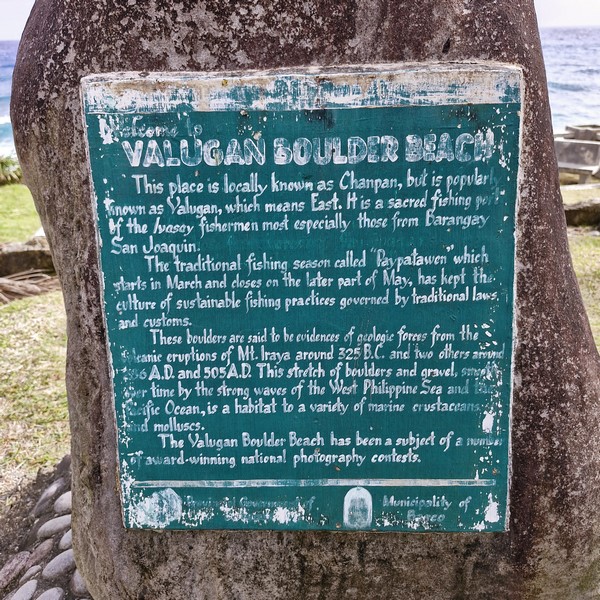
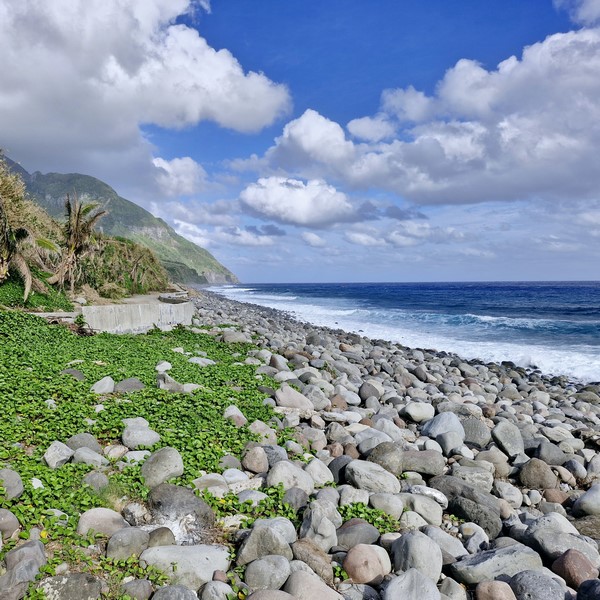
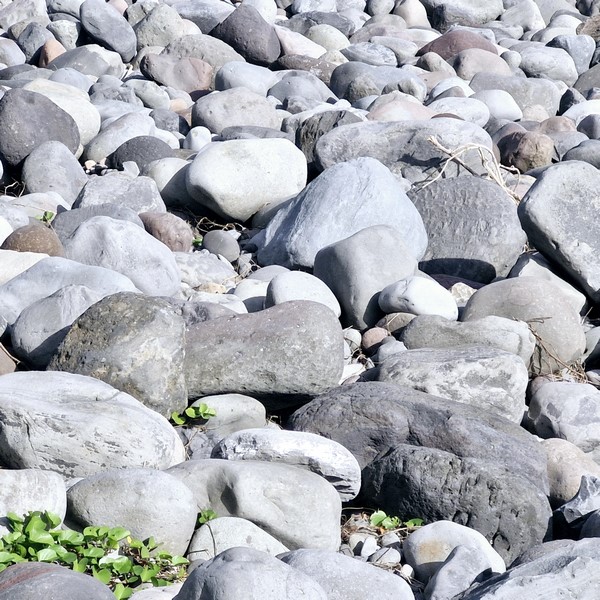
Known to the locals as Chanpan, this beach is located along the eastern (valugan means “east” in Ivatan) coast of Batan Island is, as its name suggests, made up of medium to big size boulders, of different colors, that help create an incredible landscape framed by almost vertical cliffs and rolling hills. Smaller pebbles and shingles litter the southern end.

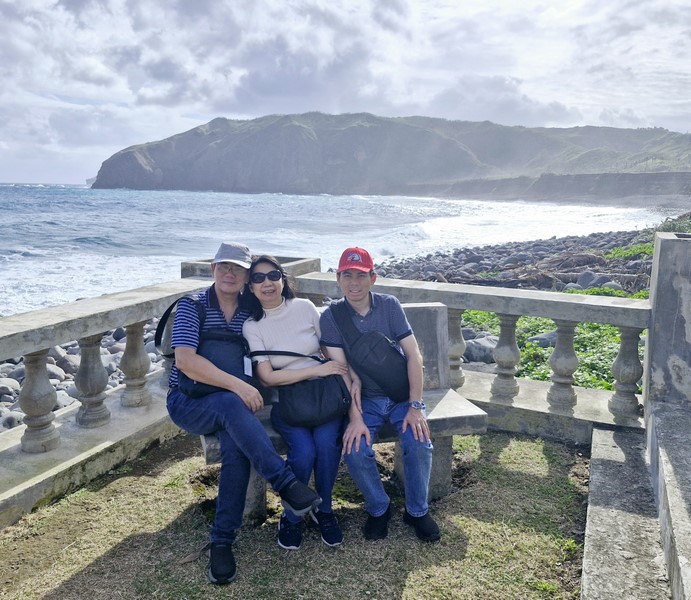
The author (left) with Grace and Jandy

The boulders here were said to have been coughed out around the northern half of Batan during a series of volcanic explosions, from 325 B.C. and 286 to 505 A.D., of Mt. Iraya, a nearby active stratovolcano, which also contributed to the formation of the impressive cliffs and rolling hills framing the beach.

Mt. Iraya seen at the end of the beach

These rough andesite rocks were then slowly polished, over time, by the tides and the mighty wind (which also help shaped the striking basalt cliffs) pushing the restless waves of the Pacific Ocean to lap the rough rocks.

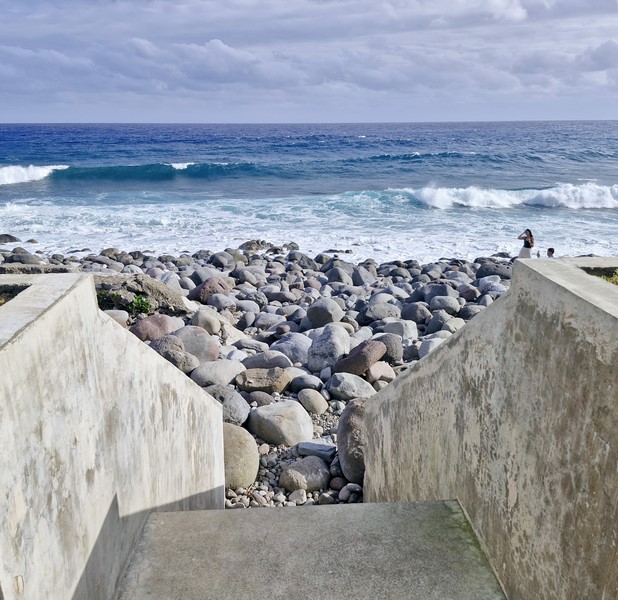
The different size boulders along the beach

From the beach, only the loud whistling of the wind and constant rumbling of the Pacific Ocean can be heard as the waves come slapping the shore. While it is a beach, swimming is not allowed here due to the area’s rough terrain and the strong and unpredictable waves. Bringing home any stones from the beach is also prohibited.

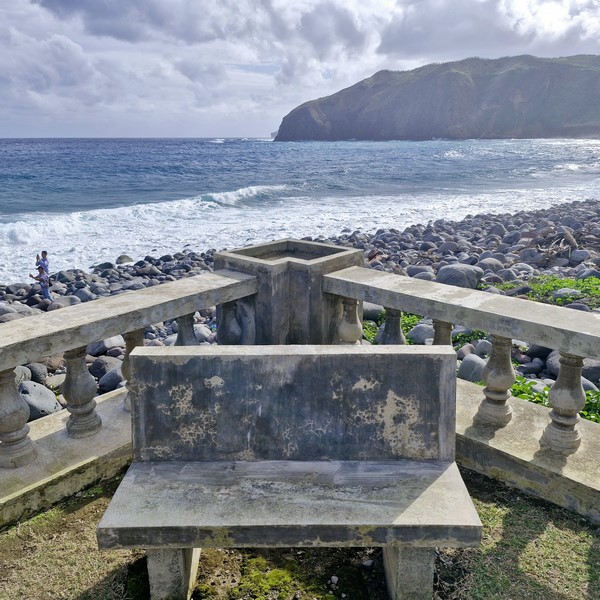
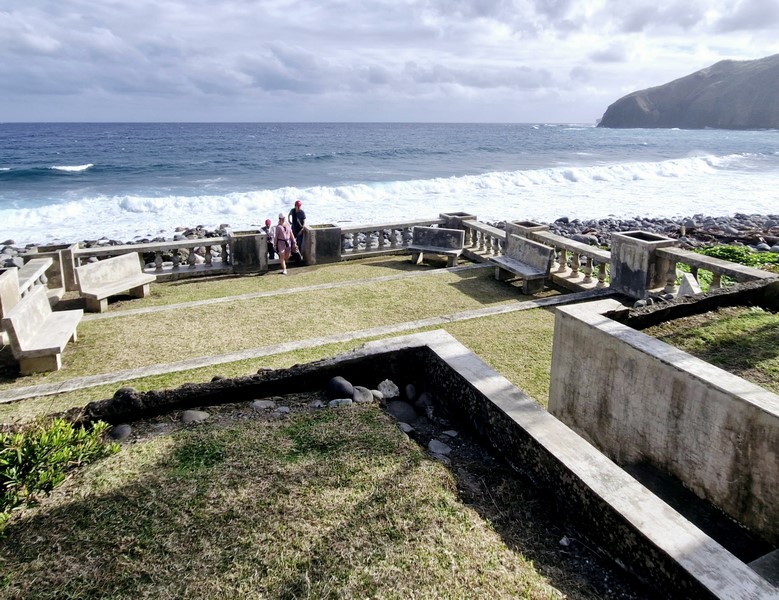
The concrete viewing deck with benches

On the rightmost area of the beach are small, intentionally segregated Zen stones piled on top of each other.  Surprisingly, this surreal and breathtaking landscape makes for a relaxing setting especially for photographers who come here to catch the sunrise.

Stairs leading down to the beach

The waters off the coast are considered as a sacred fishing area of Ivatan fishermen (especially those from Brgy. San Joaquin) and the faypatawen, a traditional fishing season, is observed from March to the end of May. 

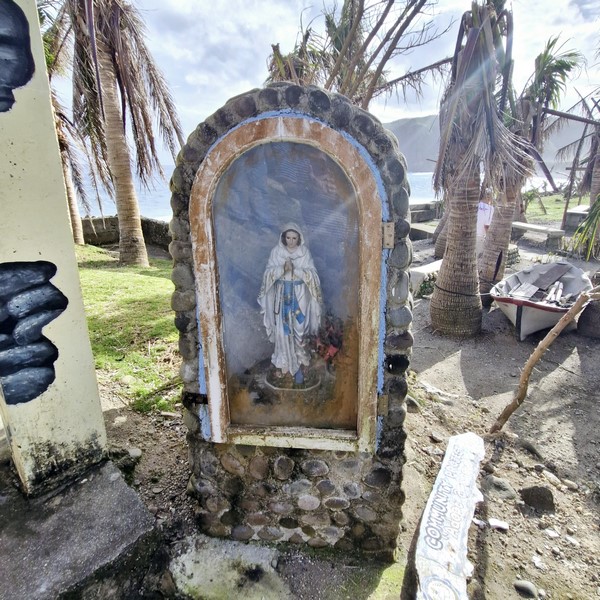
Grotto of the Blessed Virgin Mary

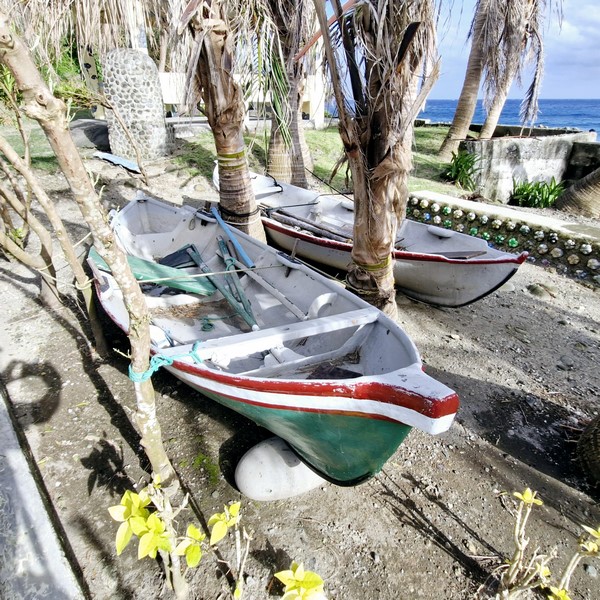
A tataya (a small, traditional Ivatan fishing boat)

Valugan Boulder Beach: Contra Costa Rd., 3900 Basco. 

How to Get There: Located 3 kms. from Basco town proper, this beach is just a short tricycle ride away. You can hire a tricycle to take you around North Batan, which includes Valugan Boulder Beach.

Barnet Marine Park (Burnaby, British Columbia, Canada)

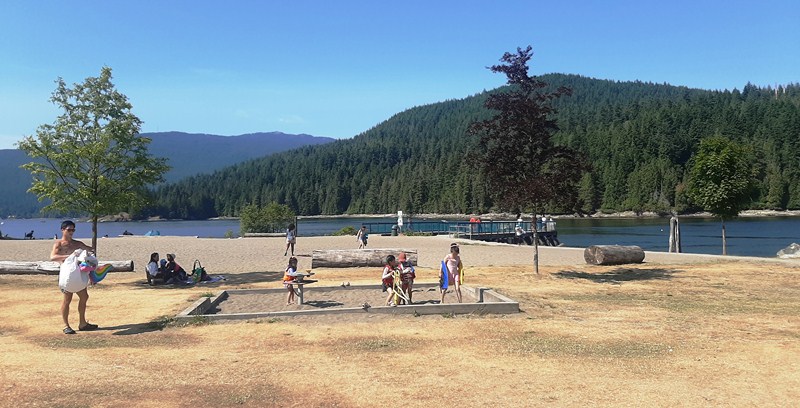
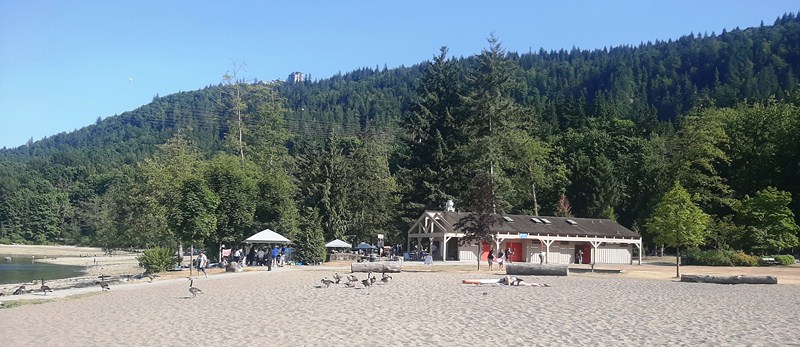
Barnet Marine Park

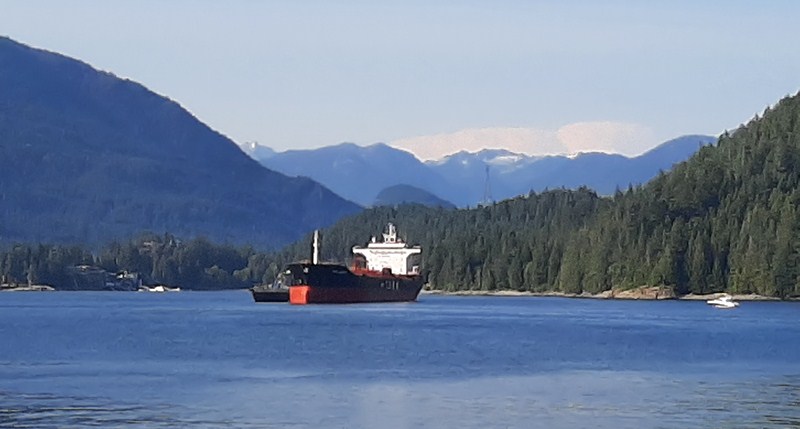
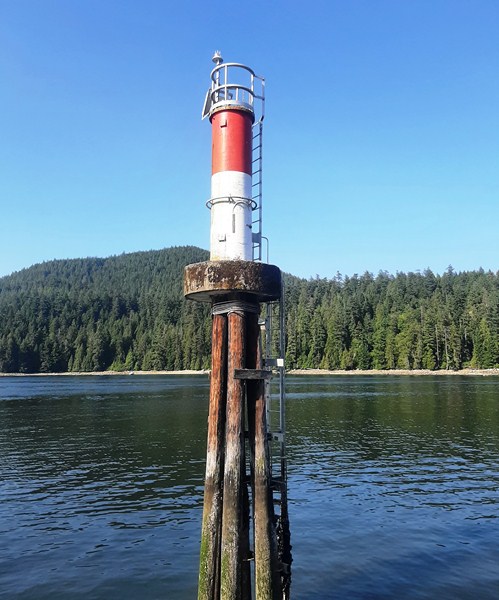
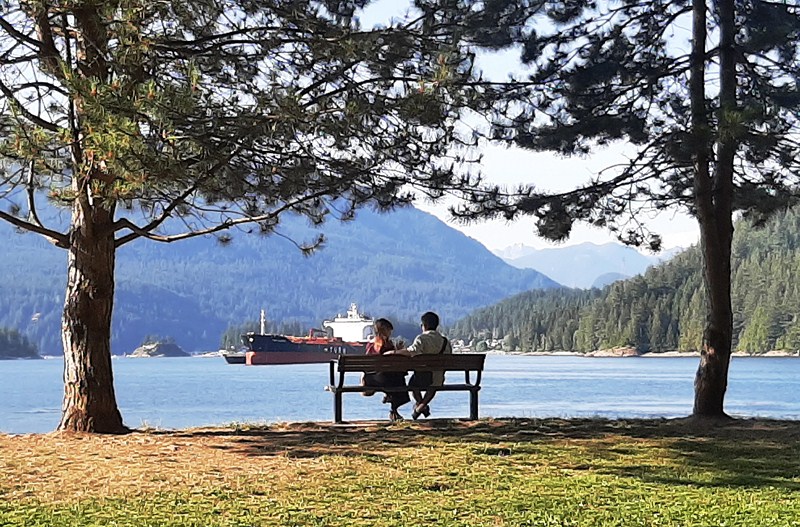
On our fourth day in Vancouver, we drove 6.6 kms. to Barnet Marine Park, a small but beautiful and popular waterfront park, where we were to enjoy an afternoon outdoor picnic with family while sitting back taking and watching the action on the south shore of the spectacular, tanker-dotted Burrard Inlet (here’s a map of the picnic area).

A tanker at Burrard Inlet

As it was a sunny weekend, the main parking lot was already filled so we parked at the overflow parking above the highway right next to the Air Mountain Bike Park.

Located right along the north end base of Burnaby Mountain and across Burrard Inlet from Cates Park and Vancouver’s North Shore, on an important harvesting, gathering and processing site for the Coast Salish peoples, as well as the site of a century-old logging mill camp, this spectacular foreshore park, Burnaby’s only official saltwater beach, is perfect for a stroll and has ocean and mountain views. Although small in size, the park feels large as it is long and narrow, stretching for about 1.5 kms. along the waterfront.


Barnet was formerly a thriving logging community of the North Pacific Lumber Company (later the Barnet Lumber Company), one of the largest sawmills in the British Empire.  Established in 1889 (at the site of a new C.P.R. station), David MacLaren (the owner) named it “Barnet” after his wife’s family.

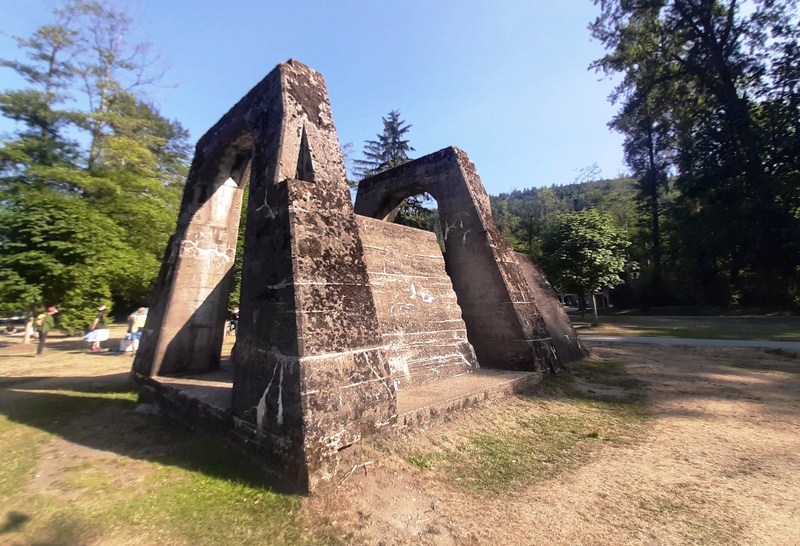
Foundation of Mill Wood Scrap Burner

Due to the Great Depression, the mill closed in 1931 and reopened in 1939 as the Kapoor Sawmills.  Destroyed by fire in 1946, plans to rebuild the mill to its former scale never materialized.  The community started to fade when the small replacement mill was finally dismantled in 1958.

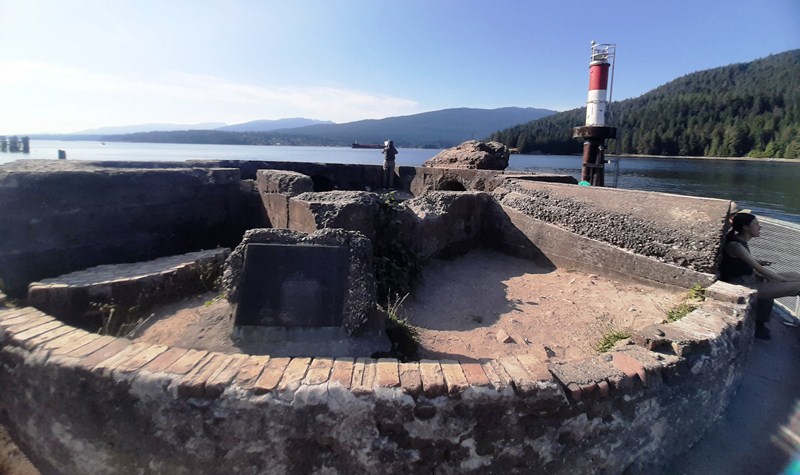
Mill Wood Scrap Burner

Here, you can still see traces of the once prosperous mill such as the mill’s scrap burner as well as the concrete and brick foundations nearby.

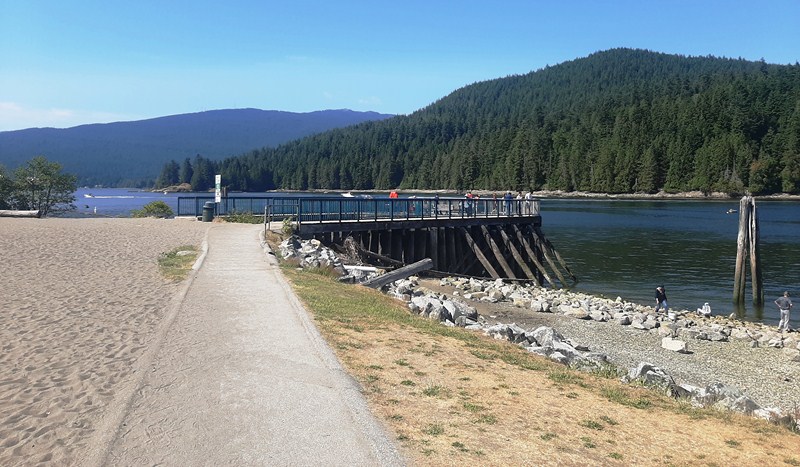
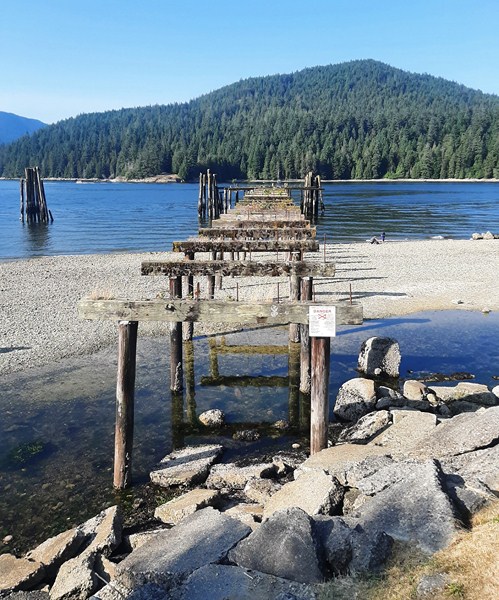
Remains of Old Wharf

On the water are the remains of the old wharf (where processed timber bound for American and Asian ports was loaded), its pylons now nesting sites for birds.

Aside from the picnic (some in the shade) site, it has a designated dog off-leash area  allowing our dog Luffy to get some exercise. We had to keep your dog leashed everywhere else in the park (you also have to pick up after your dog and drop our waste bag in the designated bins). For sanitary reasons, they aren’t allowed on the beach. The sandier beach areas of the off-leash dog area are at the far west end of the park.

Sandy Beach

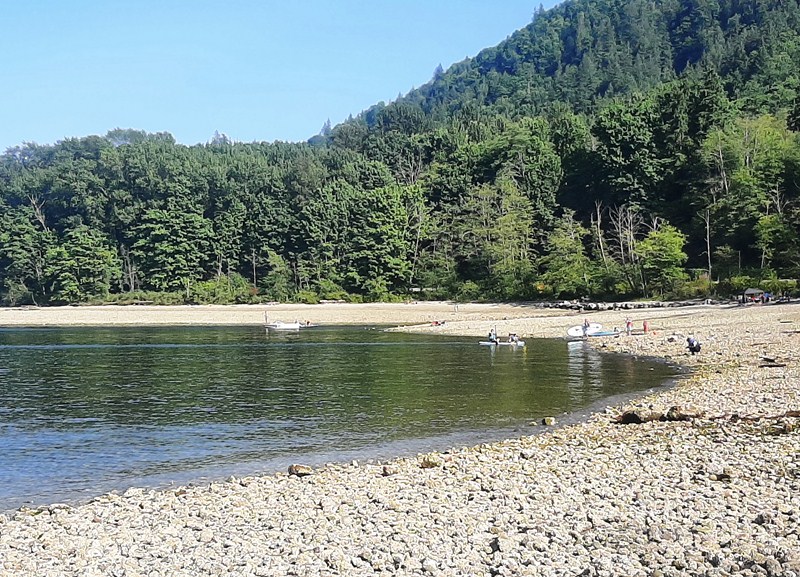
Rocky Beach

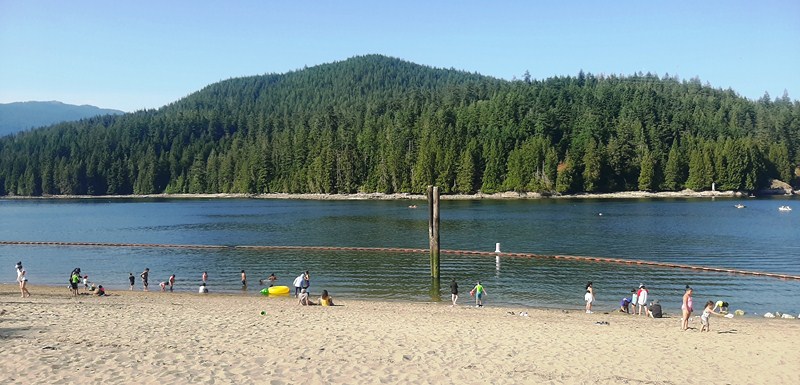
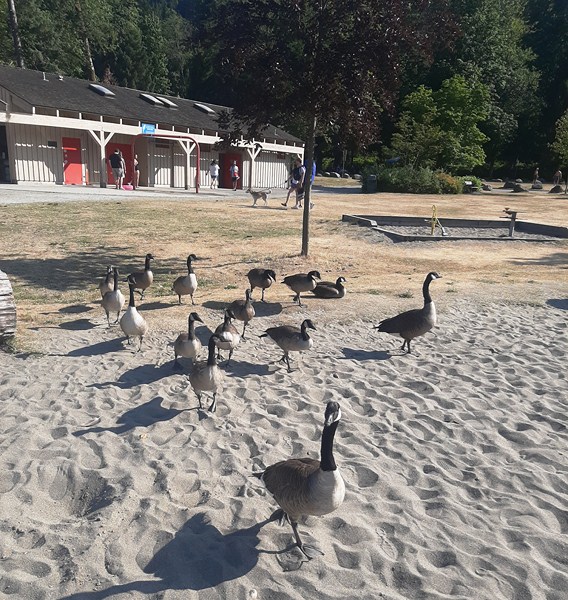
Along the shore are both rocky and nice sandy (at the far western end) beaches. The most popular beach is at the far eastern end as it’s closer to the parking lots and has both grassy and sandy areas.  Wildlife to be found here includes seals, crabs, geese and herons.

Geese

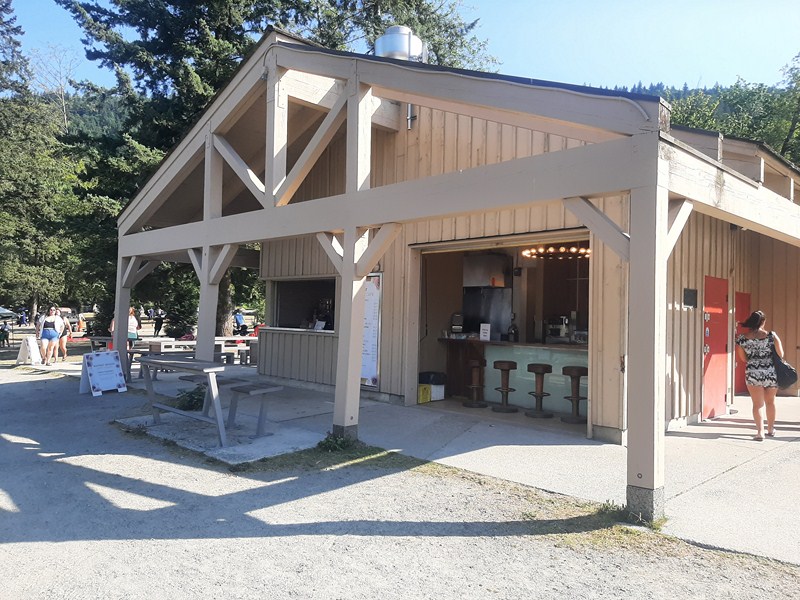
To enjoy a relaxing meal or a quick bite, there’s Park Cafe. Propane barbeques and charcoal and open-flame barbeques are also allowed at this park (you have to use the on-site ash pits to safely dispose of hot ashes).

Park Cafe

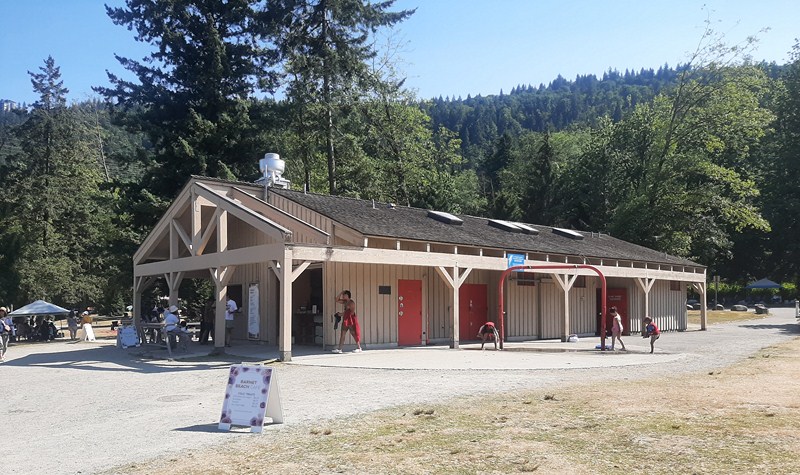
Accessible washrooms and changing rooms are located in the concession building, open year-round.  There are also outdoor showers for swimmers.

Concesson Building

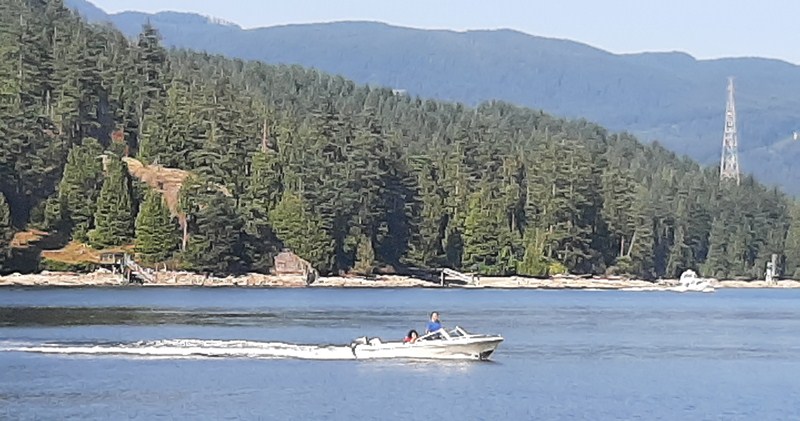
Barnet Marine Park is an excellent spot to enjoy fishing from shore (just make sure you have a license). To explore the sheltered waters of Indian Arm or the Burrard Inlet, you can launch canoes, kayaks and sailing craft on the rocky or sandy beach.

Motorboat at Burrard Inlet

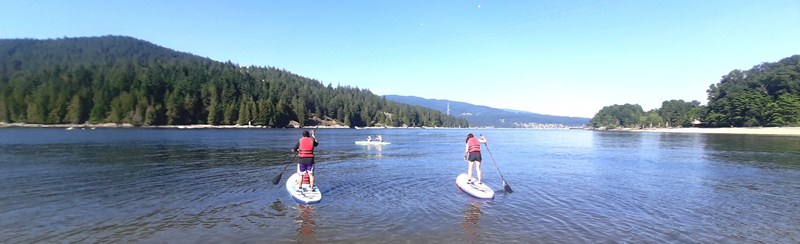
On the rocky beach, Cheska, Bryan and Kyle went paddleboarding but they had to carry everything down to the beach.

Bryan (with Kyle) and Cheska paddleboarding off the rocky beach

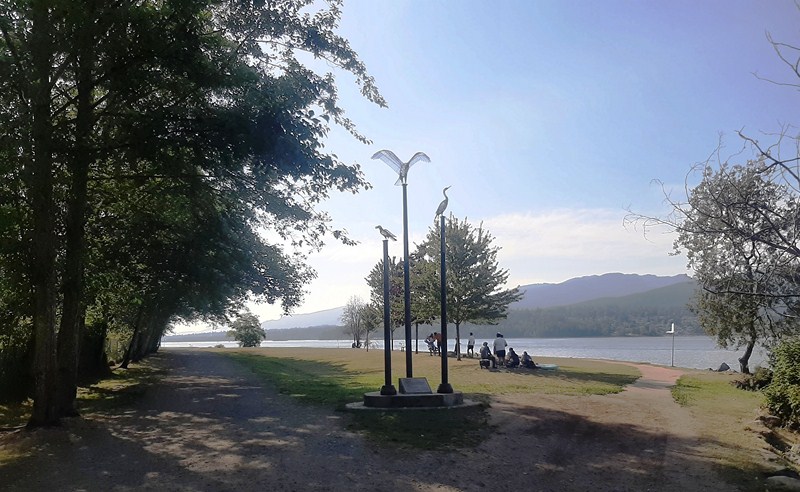
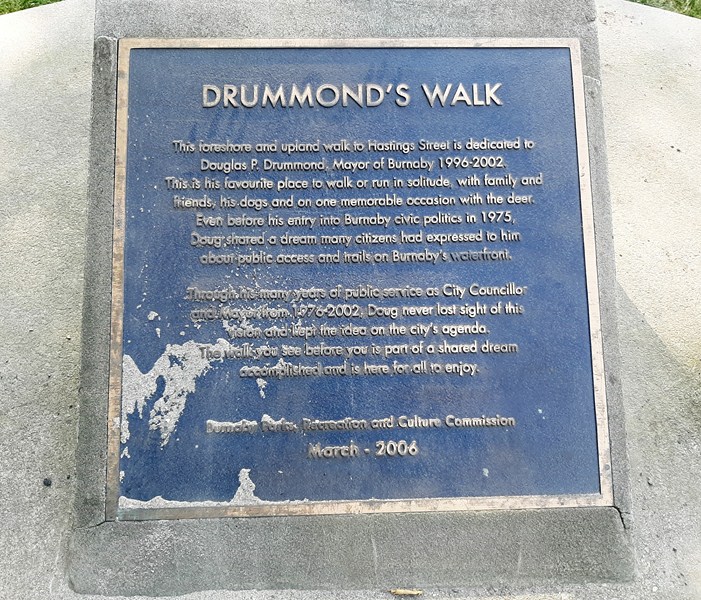
Trails here are either paved or crushed limestone, with benches available throughout. I traversed the length of Drummond’s Walk, a peaceful foreshore and upland walk named after former Mayor Douglas P. Drummond (1996-2002) in April 2006.

Start of Drummond’s Walk

Plaque

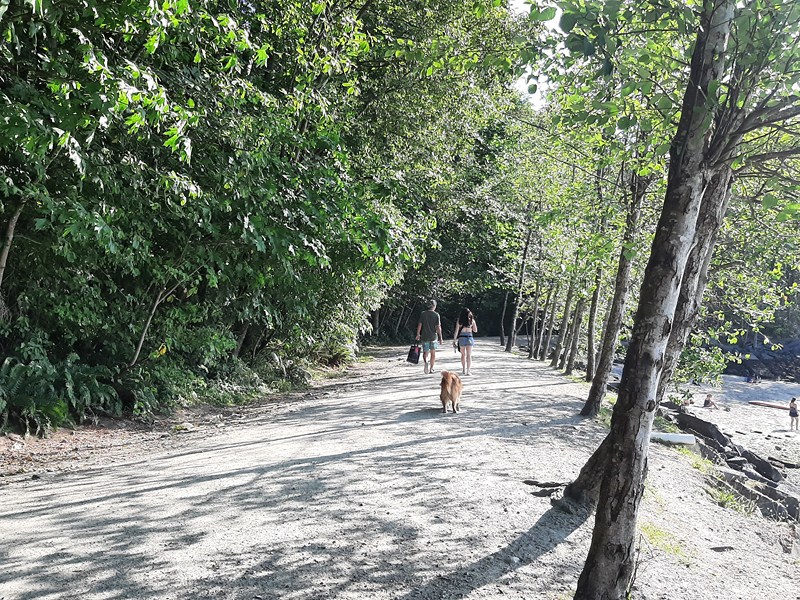
It was his favorite place to exercise. This flat and easy trail, suitable for all ages and fitness levels, runs 1,5 kms. from one end of the park to the other.

Drummond’s Walk

Along the path, I encountered grassy lawns and a large and impressive off-leash dog zone that includes multiple waterfront beaches. Here’s a map showing all the paths in the park.

Watching tankers go by at Drummond’s Walk

Barnet Marine Park: 8181 Barnet Rd, Burnaby, BC V5A 3G8, British Columbia. General inquiries: 604-294-7450. E-mail: parksrecandculture@burnaby.ca. Website: www.burnaby.ca/explore-outdoors/parks/barnet-marine-park. Open from 7 am and closes at dusk between April and October. During May to September, the closing time changes with the increase in daylight hours. Park Café is open Friday to Sunday on ‘good weather’ days in the summer, 11:30 AM -6:30 PM.  If the weather looks wet and cold, call 604-297-4888 to confirm if the café is open. Since January 1, 2022, smoking has been banned in all City parks and multi-use paths.

Parking: the main parking lot (download map) is located on the south side of the rail line. The north (beach) side of the rail line is pedestrian only. Don’t park on the rail line. There are 6 accessible parking stalls located east of the park entrance, closest to the beach. Additional accessible parking stalls and surface parking are available to the east and west of park entrance on a first come, first served basis.

Additional parking is available farther to the west of the park entrance and on the other side of Barnet Rd where the Mountain Air Bike Skills Course (an incredible bike skills park located just across the Barnet Highway, it features an outdoor wood pump track for beginners to advanced mountain bikers that’s free to the public) is located. Accessible parking stalls at beach levelare available Monday to Friday, 9 AM-7 PM until September 1, 2023 (excluding statutory holidays). To check availability and obtain access, call park staff at 604-319-7083. Due to safety and operational concerns when the park is very busy, all beach-level parking (including accessible parking) are not available on weekends and statutory holidays.
How to Get There: The park is about 10 kms. (a 30-min. drive) from downtown Vancouver, and a 10-min. drive from Port Moody. Travel east on Hastings Street. Keep left on Inlet Dr/Barnet Rd and turn left onto the park at Takeda Drive. Get directions.
Murong Burongan Island Resort (Matnog, Sorsogon)

Murong Burongan Island Resort

Part of Sorsogon Countryside Tour

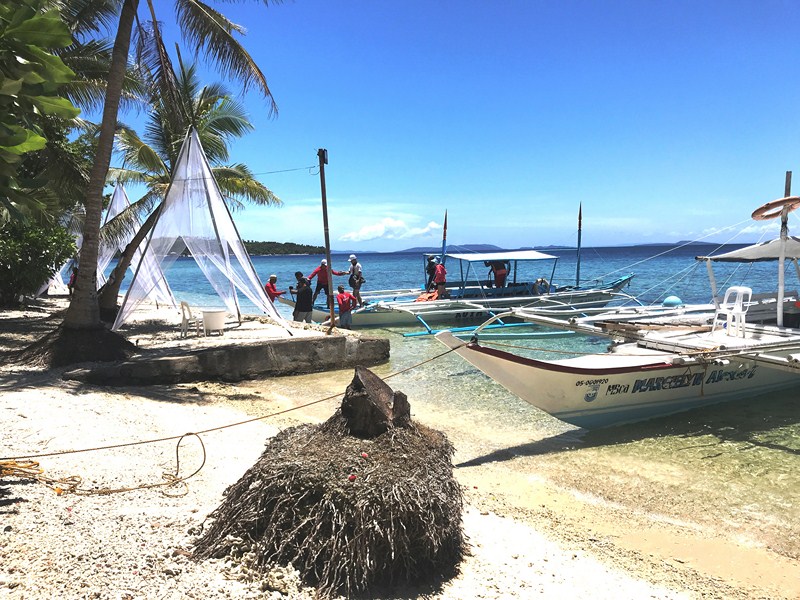
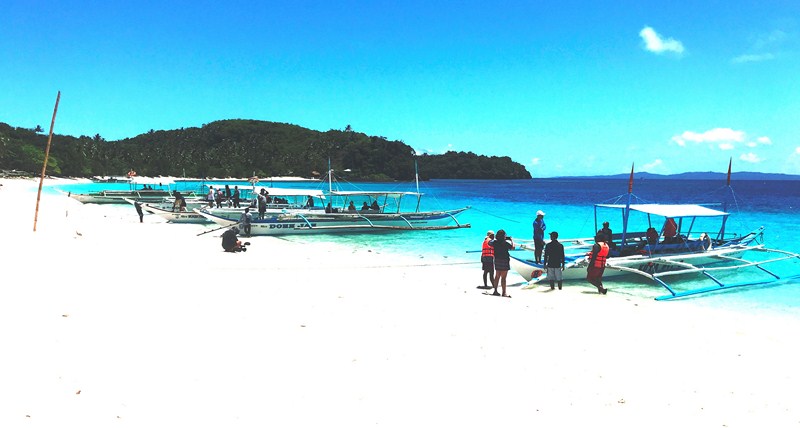
After our short visit to Subic Dako Beach on Calintaan Island, we gain boarded our respective boats for the short trip to Murong Burongan Island Resort on the arrowhead-shaped Murong Burongan Island.

Check out “Subic Pink Sand Beach

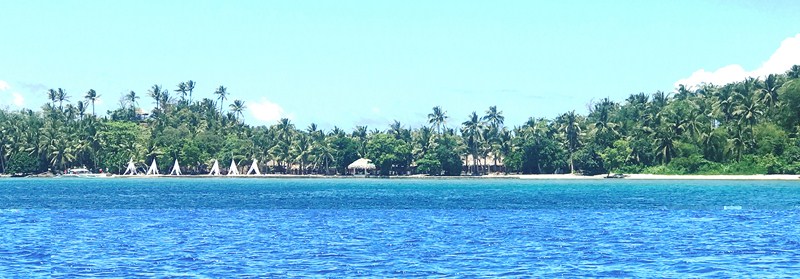
Murong Burongan Island

This beautiful, one-of-a-kind island has a long white sand beach ideal for swimming and snorkeling, a large lagoon and a historical, American-era lighthouse at Murong-Buorongan Point.

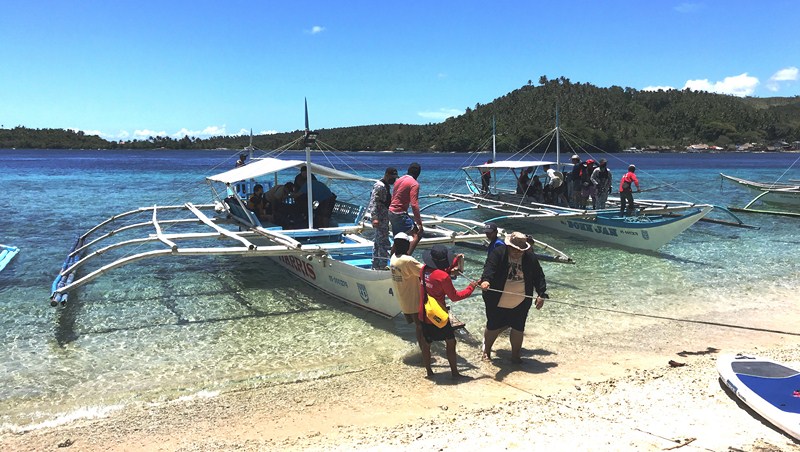
Making landfall

A guiding beacon for sailors the latter was constructed on top of a sand bar with coral stones and rock corals making it a perfect spot for snorkeling and diving, with different varieties of soft and hard corals that give you an idea how beautiful the underwater world is.

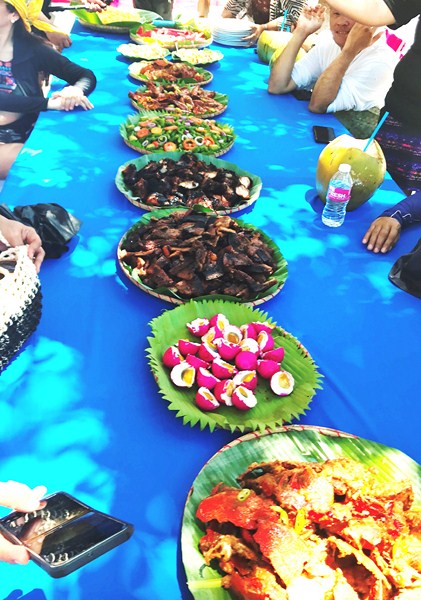
Alfresco lunch

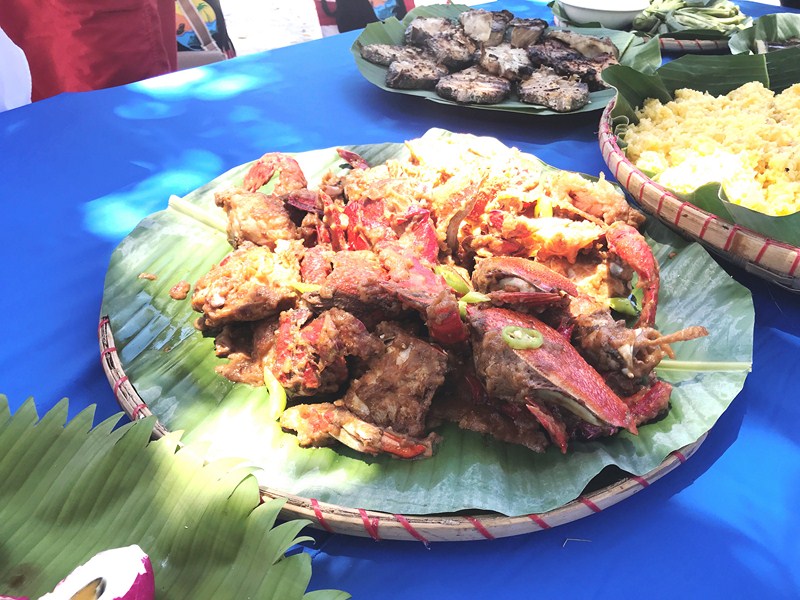
Upon making landfall on the island, we were welcomed by a feast, at their open-air restaurant/dining area, of seafood (crabs, fish and shrimps) and barbecued delights, plus pako salad, salted eggs and turmeric rice.

After this filling lunch, some of the ladies did some line dancing to burn some of the calories they gained.

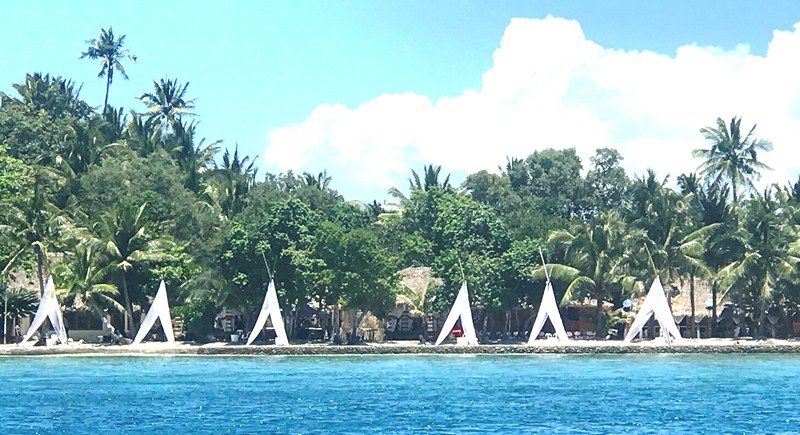
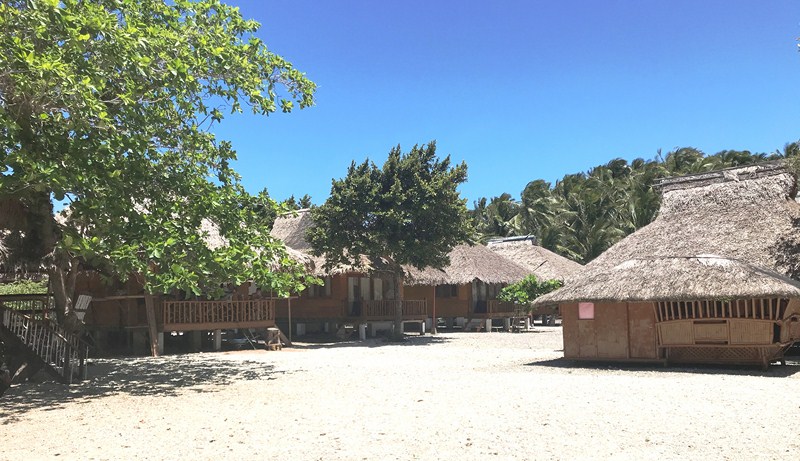
Native-style cottages

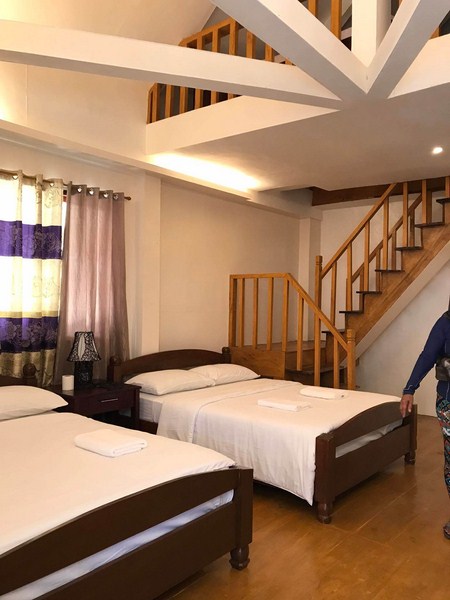
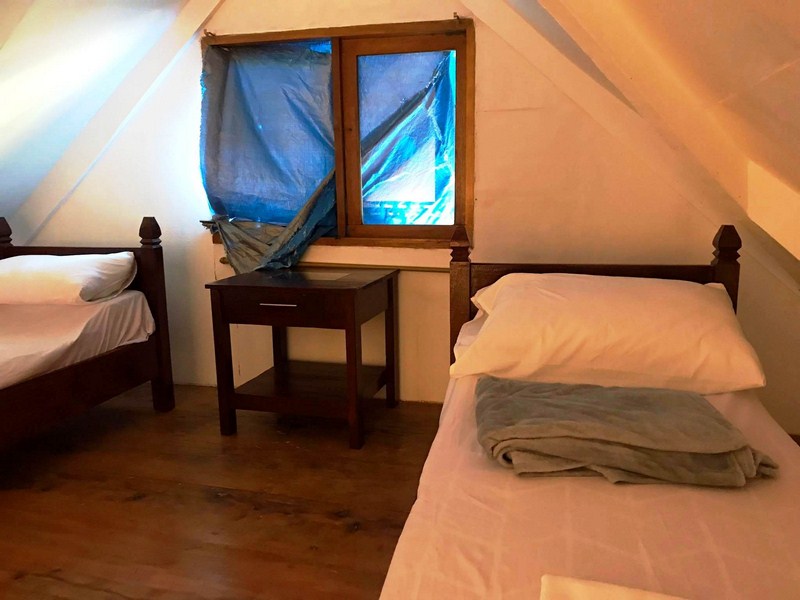
The resort also features modern, comfortable native-style beachfront cottages with wooden accents, airconditioning, lofts, private bathrooms and mini refrigerators.

Cottage interior (photo: Ms. Sheila Silvestre)

Bedroom loft (photo: Ms. Sheila Silvestre)

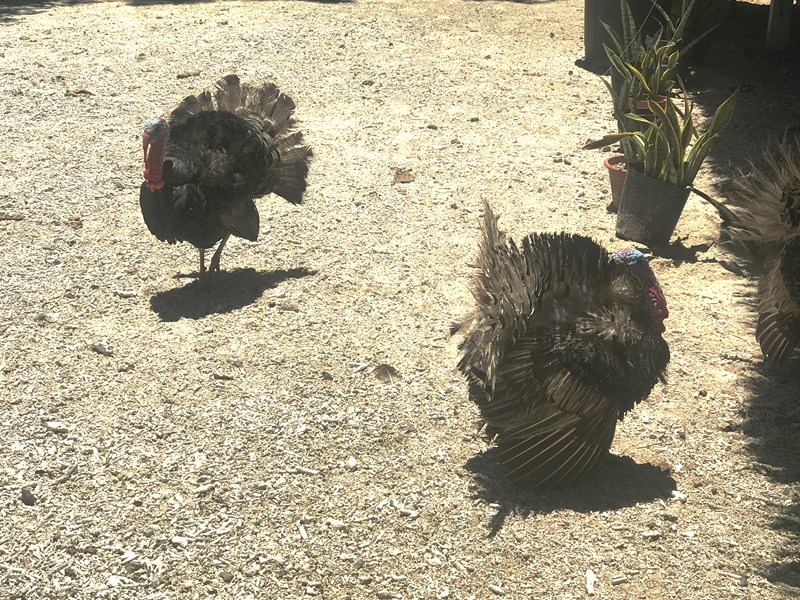
Along the beach are cabanas and hammocks where one can relax and appreciate the crystal-clear waters and beautiful ocean view. Free-roaming geese and turkeys also had the run of the place.  The resort can be rented for your own exclusive use.

A pair of free-roaming turkeys

Murong Burongan Island Resort: Murong Burongan Island, Matnog, Sorsogon.  Mobile number: (0966) 951-1954.

How to Get There: Matnog is located 575.9 kms. (a 13.25–hr. drive) from Manila and 61.2 kms. (a 1–hr. drive) from Sorsogon City, both via the Pan-Philippine Highway/AH26..

Sorsogon Provincial Tourism Culture and Arts Office: Ground Floor, Capitol Building, 4700 Sorsogon City. Mobile number: (0968) 624-6279. E-mail: tourism@sorsogon.gov.ph.  Facebook: www.facebook.com/sorsogonprovincialtourismoffice.

Matnog Tourism, Culture andArts Office: Brgy. Camcaman, Matnog 4708, Sorsogon. Mobile number: (097) 231-8168. Facebook: www.facebook.com/Matnog Tourism.  Fees: Environmental Fee: Php20/pax and Php16 (senior citizens). Registration Fee: Php320 (foreigners), Php70 (locals) and Php40 (senior citizens).

Ur Place Travel & Tours: OLV Pangpang, Sorsogon City, Sorsogon.  Mobile number (Viber): (0927) 950-3927 (Ms. Annie Gueb).  Facebook: www.facebook.com/urplacetravel.

Subic Pink Sand Beach (Matnog, Sorsogon)

Subic Pink Sand Beach

Part of Sorsogon Countryside Tour

After our enjoyable tour of Juag Lagoon Fish Sanctuary on Juag Island, we again boarded or boat for the short 20-min. ride to Calintaan Island. On this island is pristine Subic Beach (locally called “La Playa Rosa”), one of two places in Sorsogon (the other is Tikling Island) with sand that has a pinkish hue. This is due to a combination of creamy white sand with crushed organ pipe coral (Tubipora musica).

Check out “Juag Lagoon Fish Santuary

Calintaan Island

There are actually two adjacent Subic beaches – the quieter and less developed Subic Liit (Little Subic) and a longer stretch called Subic Laki or Subic Dako (Big Subic), both separated by a short stretch of land.

Landfall at Subic Dako Beach

We landed at the latter, the more popular of the two due to the presence of basic amenities that allow visitors to rent native-style nipa huts with anahaw roofing for day use (Php400), pitch tents and cook their own food.There are also sari-sari stores and grilling stations.   Potable water is also available. 

There are also two or three resorts (the best is Holy Trinity Beach Resort which has airconditioned rooms and a swimming pool) for overnight stays, .   Calintaan Island  has electricity thanks to a wired connection with Matnog town in the mainland.

We stayed at this so-called “Boracay of Matnog” for about 45 mins., swimming its calm and crystal-clear waters or just taking pictures as we enjoyed its beauty. You can also snorkel here (bring your own snorkeling gear).

Picnic huts

Too bad we didn’t have time to explore the hidden lagoon at the back of the beach and the old lighthouse (parola).  Despite recent developments on this beach, it still retains its pristine charm and it is my hope that it would remain that way in the future.  Truly, it was a picture-perfect example of a tropical island paradise.

Rustic accommodations

More modern, airconditioned accommodations

Back at our boats, we proceeded to Murong Burongan Island where we were to have lunch.  About 10 mins. into our trip, we passed by Calintaan Cave, a small cave opening into a one-of-a-kind cove, amidst cliffs at the southeastern end of the island, with green vegetation and a flat, grassy terrain with coconut trees.  A great site for snorkeling, under ideal conditions you can enter the cave.

Check out “Murong Burongan Island Resort

Calintaan Cave

Subic Beach, Calintaan Island, Brgy. Calintaan, Matnog 4708, Sorsogon.

How to Get There: Matnog is located 575.9 kms. (a 13.25–hr. drive) from Manila and 61.2 kms. (a 1–hr. drive) from Sorsogon City, both via the Pan-Philippine Highway/AH26..

Sorsogon Provincial Tourism Culture and Arts Office: Ground Floor, Capitol Building, 4700 Sorsogon City. Mobile number: (0968) 624-6279. E-mail: tourism@sorsogon.gov.ph.  Facebook: www.facebook.com/sorsogonprovincialtourismoffice

Matnog Tourism, Culture and Arts Office: Brgy. Camcaman, Matnog 4708, Sorsogon. Mobile number: (097) 231-8168. Facebook: www.facebook.com/Matnog Tourism.  Fees: Environmental Fee: Php20/pax and Php16 (senior citizens). Registration Fee: Php320 (foreigners), Php70 (locals) and Php40 (senior citizens).

Ur Place Travel & Tours: OLV Pangpang, Sorsogon City, Sorsogon.  Mobile number (Viber): (0927) 950-3927 (Ms. Annie Gueb).  Facebook: www.facebook.com/urplacetravel.

Isola di Francesco (Panglao, Bohol)

Isola de Francesco

Part of the Panglao Bluewater Resort-sponsored CountrysideTour

After our Dolphin Watching Tour, we proceeded to the nearby Isola di Francesco (“Island of St. Francis”) on Pungtud (or Pontod) Island.

In the past, I have seen this island only from afar, from the vantage point at nearby Virgin Island.

Check out “Virgin Island

The island is owned by the Philippine Centre of St. Pio of Pietrelcina and Mr. Ramon Rodriguez, a devotee of Italian Capuchin monk St. Pio (Francesco Forgione) of Pietrelcina, who was said to have been once blind. He was said to have prayed to St, Pio and his eyesight was restored.

A mere 10-min. boat ride from Panglao town proper, Isola di Francesco is a destination for meditation, silent prayer and reflection in harmony with the lapping of the waves and the chirping of the island’s resident birds.

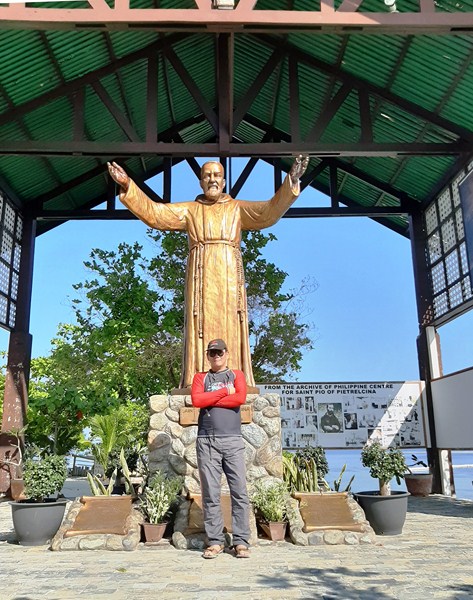
Upon arrival on the island, we were greeted by the welcoming arms of a huge statue of St. Pio of Pietrelcina.

The author with the huge statue of St. Pio of Pietrelcina

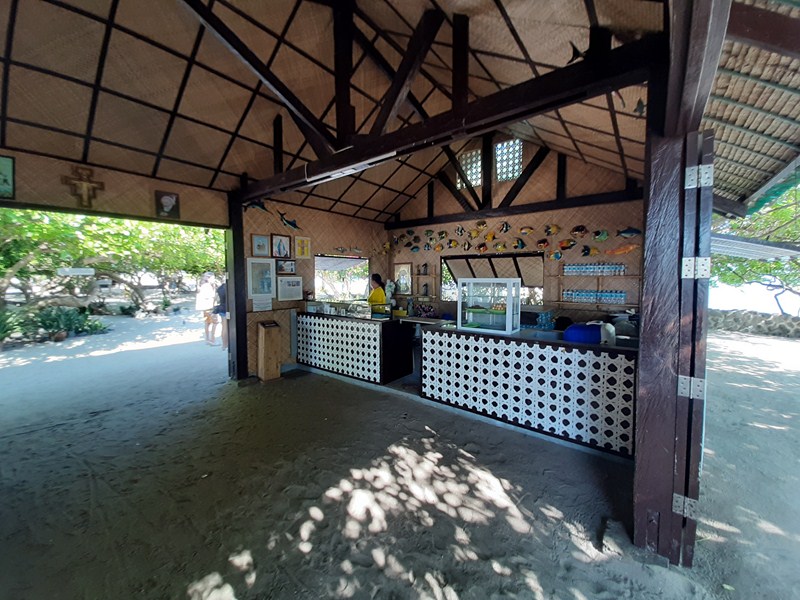
This solemn and peaceful island has a chapel (opened in 2016), a visitor’s center, a mini museum, clean restrooms, water tanks, changing rooms and guest houses.

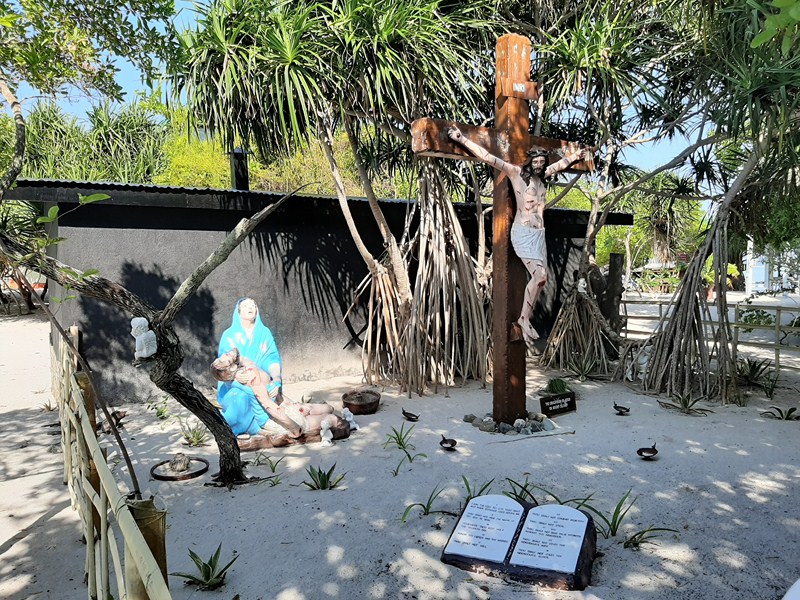
Tableau of the Crucifixion

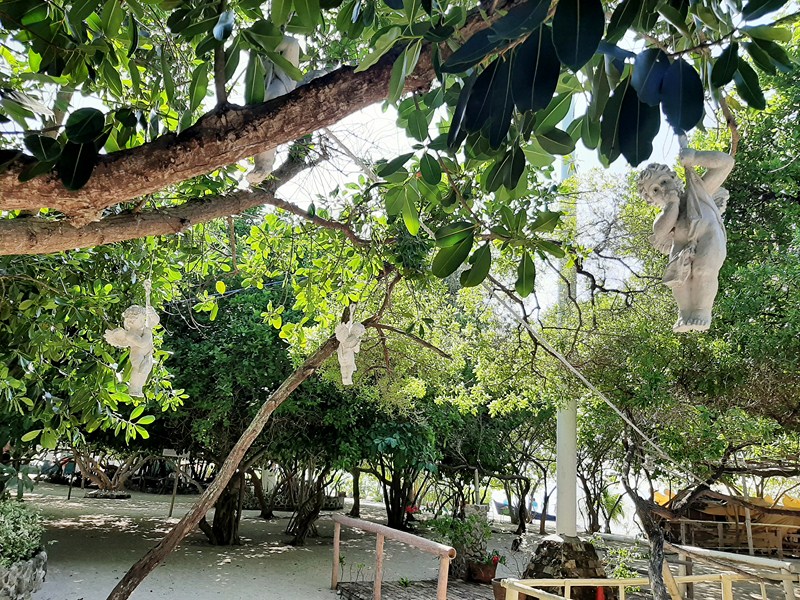
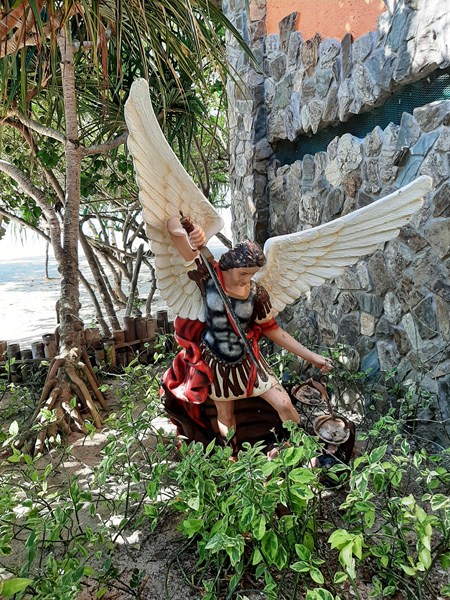
There are also several religious sculptures (some in the middle of the sea) of Jesus Christ, the saints, angels, cherubs, and the Holy Family.

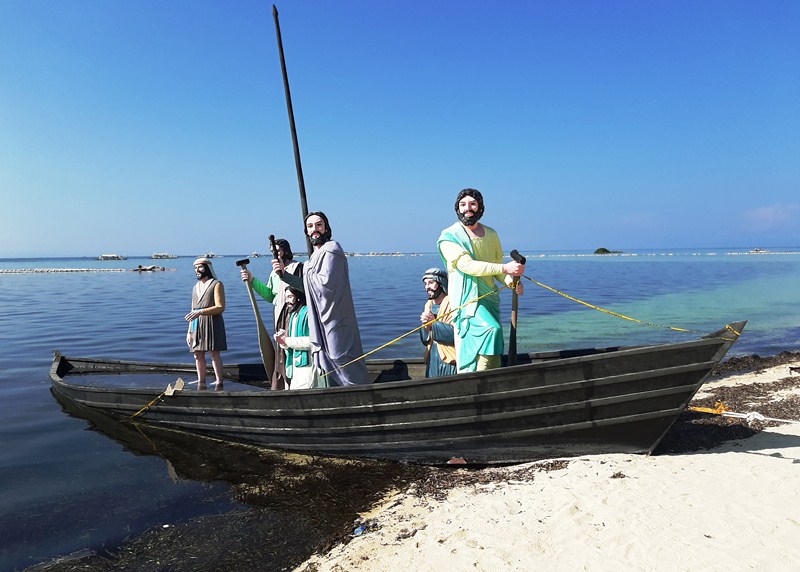
Life-size statues of Jesus and the Apostles on a fishing boat

Just off the waters of the beach are  quite unique, life-size statues of Jesus and the apostles. Most of the cost to develop this place was donated.

Cherubs hanging from trees

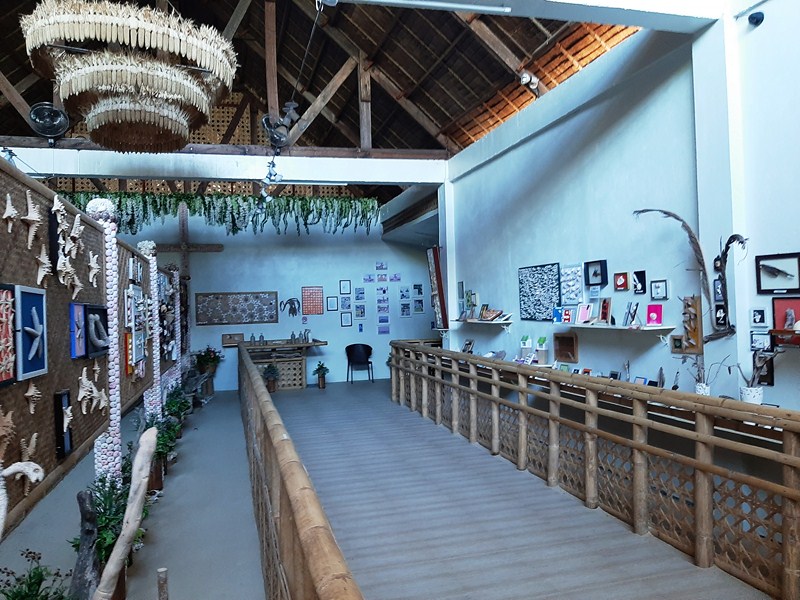
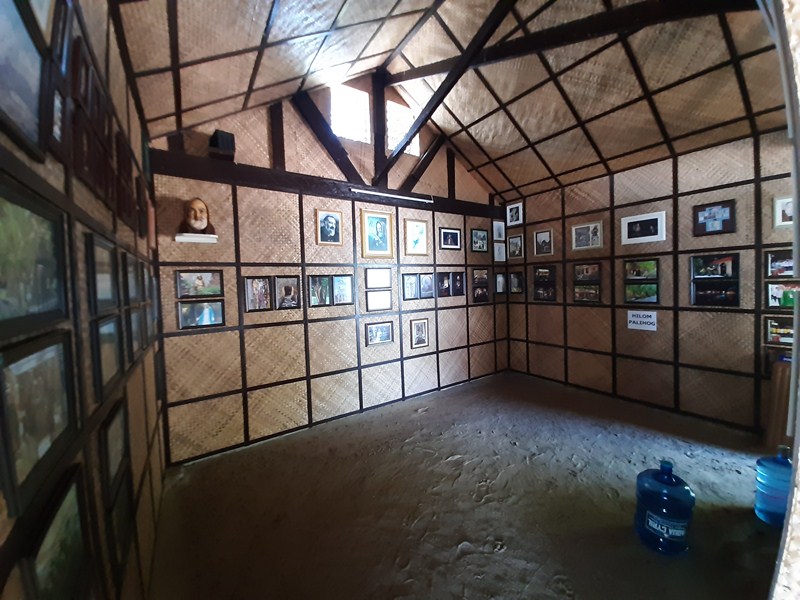
The interesting Isola di Francesco’s Nature’s Art Museum, filled with photos of the Franciscan friars as well as artwork that speak of the grandeur of God and His Creation, was opened last March 2017. A 10 AM holy mass is said every 23rd day of the month in the chapel.

Nature’s Art Museum

This serene island, maintained by the faithful as religious shrine, is not your usual tourist trap and is not often included in the island hopping packages, an exact opposite of the much crowded and touristy island and beach destinations of Panglao. You only need an hour or so to explore the island.

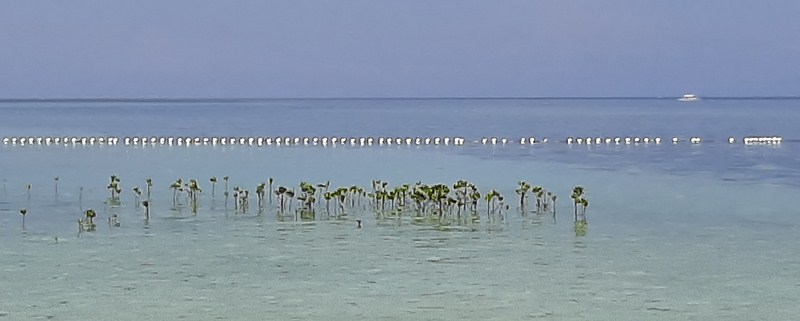
Young mangroves shoots found offshore

This beautiful sandbar is open to the public and there is free boat shuttle service, at Poblacion Panglao, near the church, going to and from the island for those who wish to offer prayers for healing, pay tribute or simply just want to visit the place.

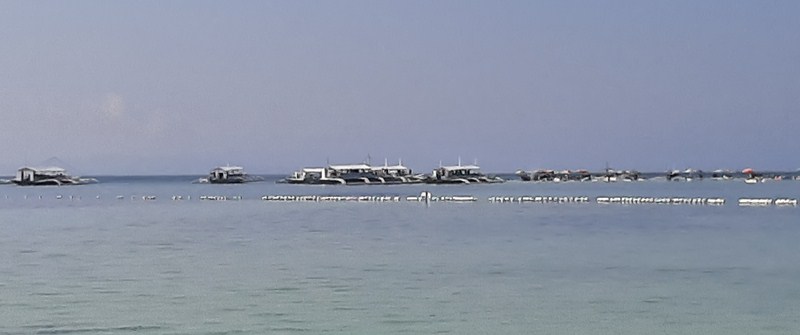
The tourist trap called Virgin Island seen from Isola di Francesco

Visitors can stay as long as you want. Even the use of the kayaks, snacks (bottled water, soft drinks, etc.)  and birds’ food to feed pigeons are free (however, donations are welcome). There’s a souvenir shop selling religious items.

Visitors Center

The beautiful island has white sand all over, with plenty of seaweed, some mangroves and big and small starfish but no fish. The waters around the sandbar are pristine and clean and very good for swimming.

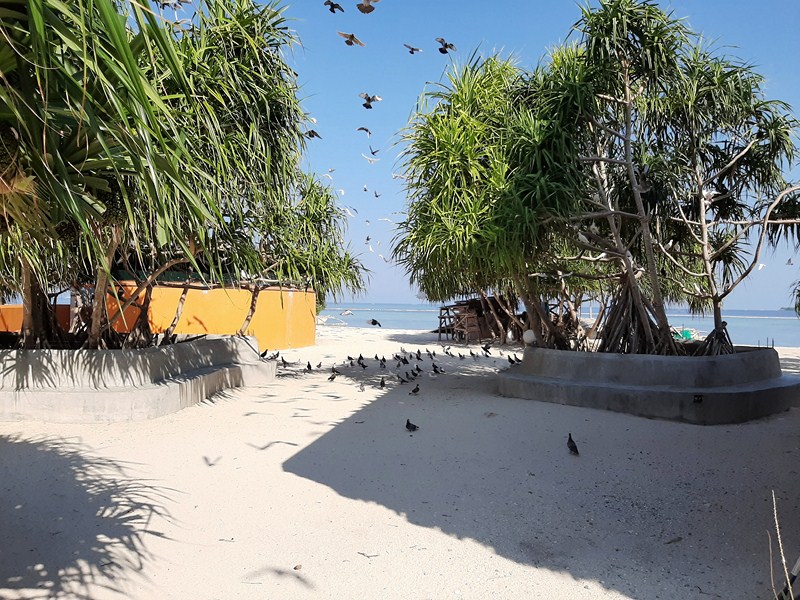
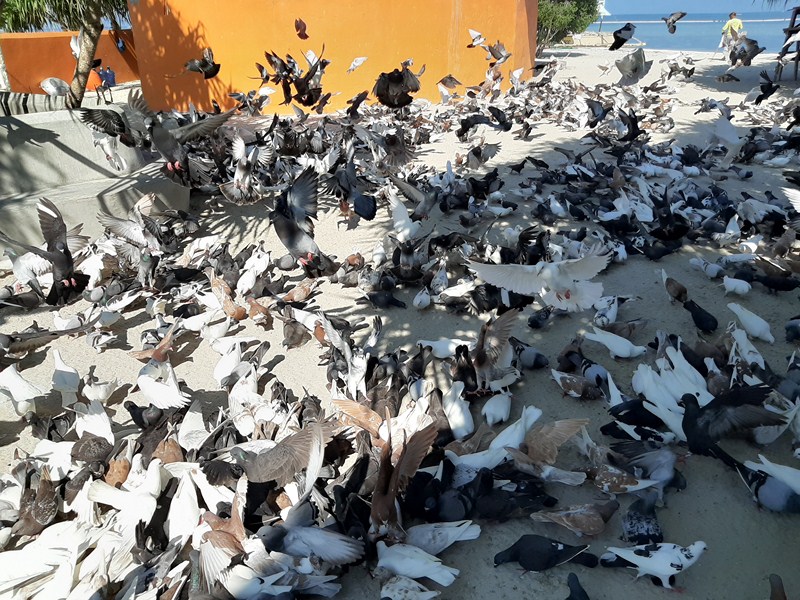
The doves and pigeons of Isola de Francesco

The island is a dove and pigeon sanctuary and you can see eggs and babies in nests in the central garden area.

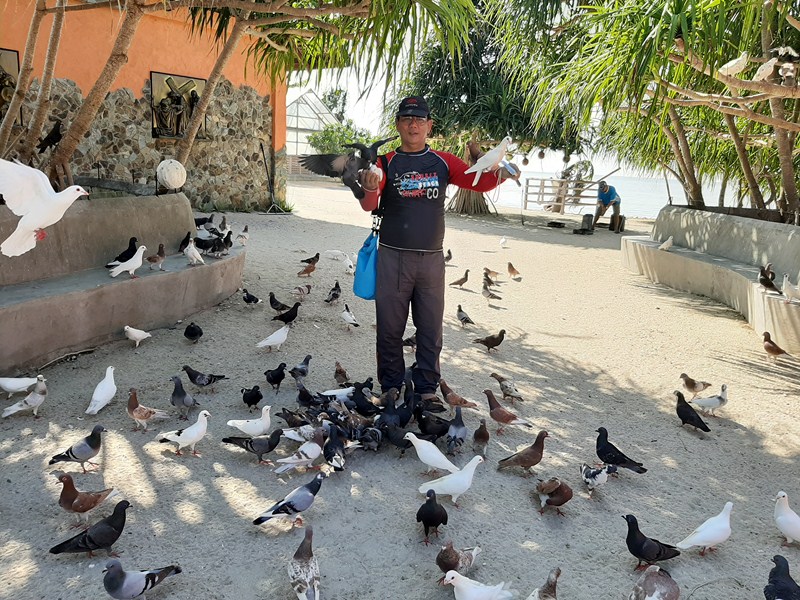
The author hand feeding some of the doves and pigeons

You can feed the doves and pigeons by donating any amount in the store for a plastic of bird feed. Even when there’s a sign to not scare them, some people scare the doves away to get a beautiful picture of it with them.

Statue of St. Michael the Archangel

However, here are rules to be followed.  You cannot bring any food or drinks on the island.

The chapel

At the chapel, you cannot enter if you are wearing shorts, short skirts, sleeveless, etc. (however, they can lend you a sarong to cover yourself).

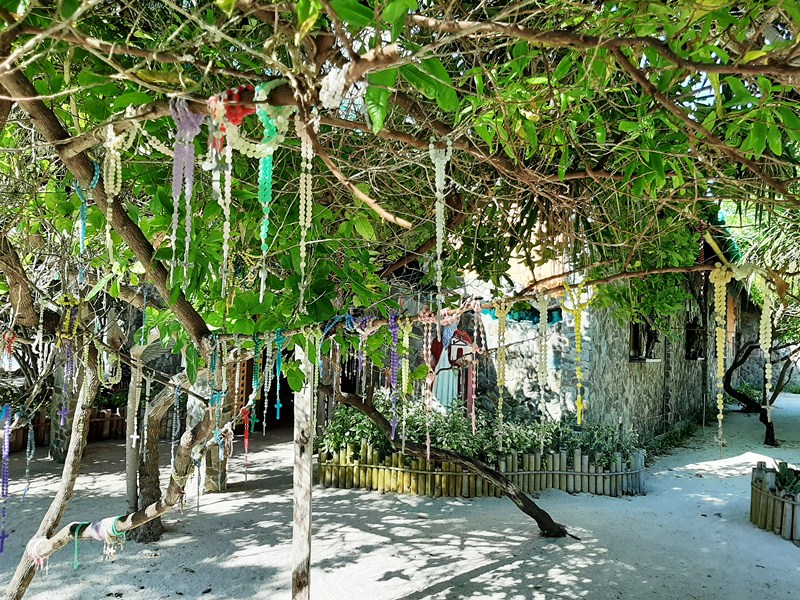
Rosaries hanging from trees

As this is a shrine, peace and soft talk is very much appreciated and public displays of affection and ogling is frowned upon here. 

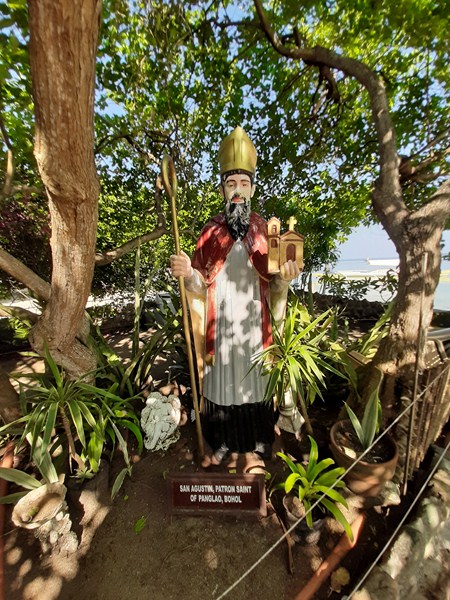
Statue of St. Augustine of Hippo, the patron saint of Panglao

Bohol Tourism Office: Governor’s Mansion Compound, C.P.G. Ave. North, Tagbilaran City, 6300 Bohol.  Tel: +63 38 501-9186.  E-mail: inquire@boholtourismph.com. 

Panglao Bluewater Resort: Bluewater Rd., Sitio Daurong, Brgy. Danao, Panglao, 6340 Bohol.  Tel: (038) 416-0702 and (038) 416-0695 to 96. Fax: (038) 416-0697.  Email: panglao@bluewater.com.ph. Website: www.bluewaterpanglao.com.ph.  Manila sales office: Rm. 704, Cityland Herrera Tower, Rufino cor. Valera Sts., Salcedo Village, 1227 Makati City, Metro Manila.  Tel: (632) 817-5751 and (632) 887-1348.  Fax: (632) 893-5391.

Phillips Island – Penguin Parade (Melbourne, Australia)

Penguin Parade (photo: www.visitphillipsisland.com)

The highlight of our Phillip Island tour was the iconic Penguin Parade, one of Australia’s most popular tourist attractions. Frolicking, friendly fairy penguins from Australia’s largest colony of Little Penguins (smallest species of penguins in the world) arrive at sunset every evening and the access doors of the new Penguin Parade Viewing Center to the viewing areas open approximately 1 hour prior to estimated penguin arrival time.

Check out “Penguin Parade Viewing Center


Little Penguin (photo: www.visitphillipisland.com)

More than six hectares of prime penguin habitat from the important Summerland Peninsula (which the penguins land on to find their burrows each evening) were restored on the site of the old visitor center building and coach parking areas, creating homes for an additional 1,400 breeding penguins.

Leaving the Penguin Parade Visitor’s Center for the parade grounds

These penguins breed in burrows, held together with native grasses and Bower spinach, usually made in the sand dunes during the winter months. Around The Nobbies and the rehabilitated areas of the Penguin Parade Visitor Centre, the penguins nest in wooden nesting boxes provided by Phillip Island Nature Parks. Egg laying (two whitish eggs are usually laid) starts in winter and can continue until December.

The wooden boardwalk

As soon as the access doors opened, we made our way, together with the others guests, along the viewing boardwalks, to the beach.  Along the way, we passed by a number of the aforementioned wooden nesting boxes. At the end of the boardwalk, we were all made to sit down at wooden bleachers along the beach.  As the bleachers were already full, we just sat down on the sand.

Wooden nesting boxes

Photography was strictly forbidden from the stands, where we sat or anywhere else as penguins have sensitive eyes and a bright, sudden flash or unusual light can frighten or disorientate a penguin. To ensure penguins keep coming back to this special area we were asked to not use cameras, camcorders or camera phones at the Penguin Parade.

The Penguin Parade viewing area

At the appointed time, the Little Penguins came out of the water and made their way, across the beach, to the sand dune burrows and the wooden nesting boxes they now call home. Since the beach was very dimly lit, we had a hard time seeing the penguins as they came out in small groups of four or five at a time. It was only when we walked back to the Visitor Center entrance that we saw the penguins clearly at the sides of the boardwalk.

Back at the center, we had dinner at the Little Penguin Café before returning to our coach for the 144.8 km., nearly 2 hour drive back to Melbourne and our hotel.

Penguin Parade (photo: www.visitphillipisland.com)

Penguin Parade: 1019 Ventnor Rd., Summerlands, Victoria 3922. Tel: +61 3 5951 2830. E-mail: info@penguins.org.au.  Open daily, 10 AM (2PM on Christmas Day). Admission: $26.60 (adults), $13.20 (children, 4-15 years of age), $66.40 (family) and $18.55 (Concession).