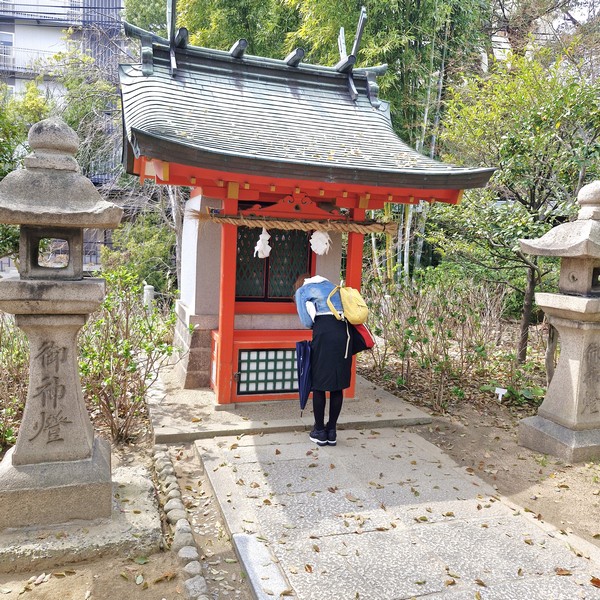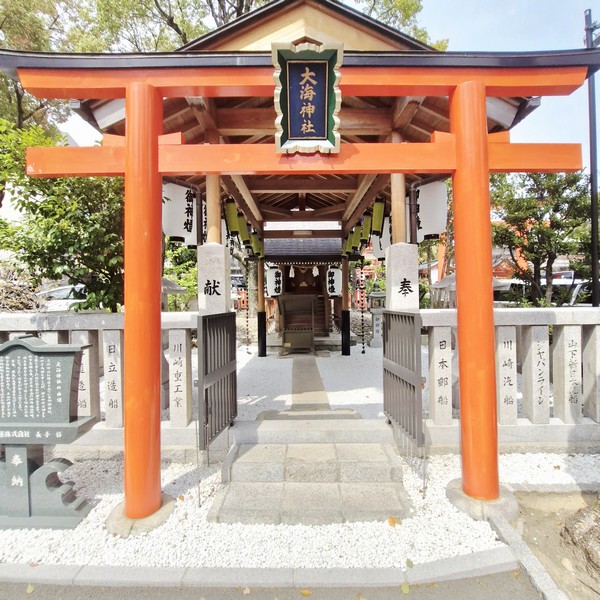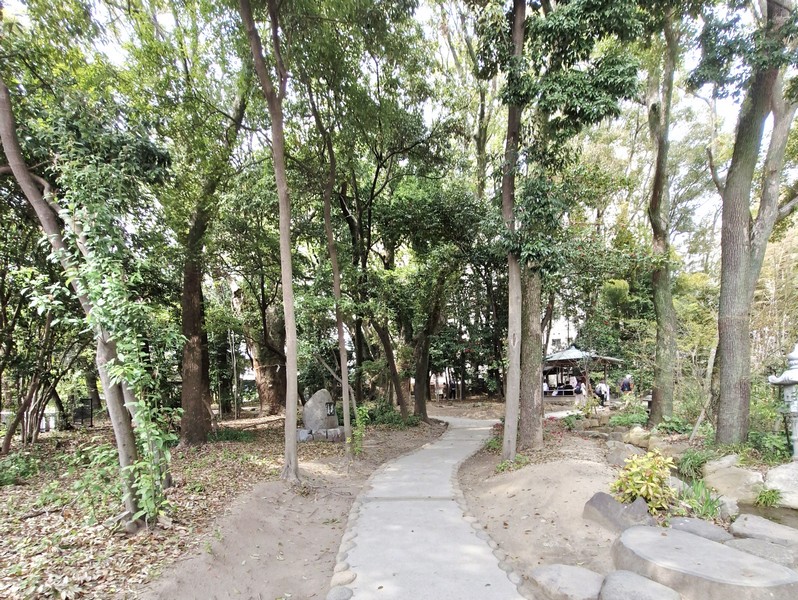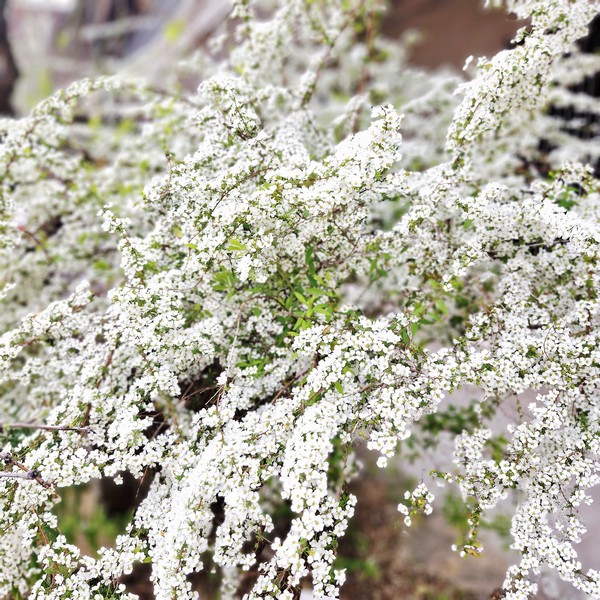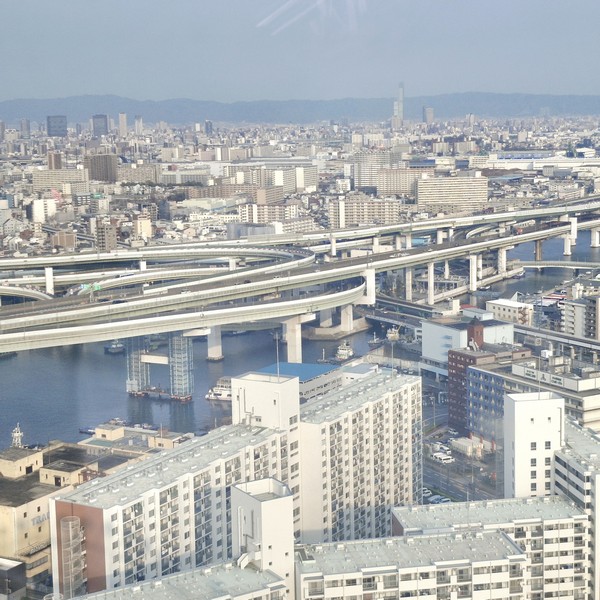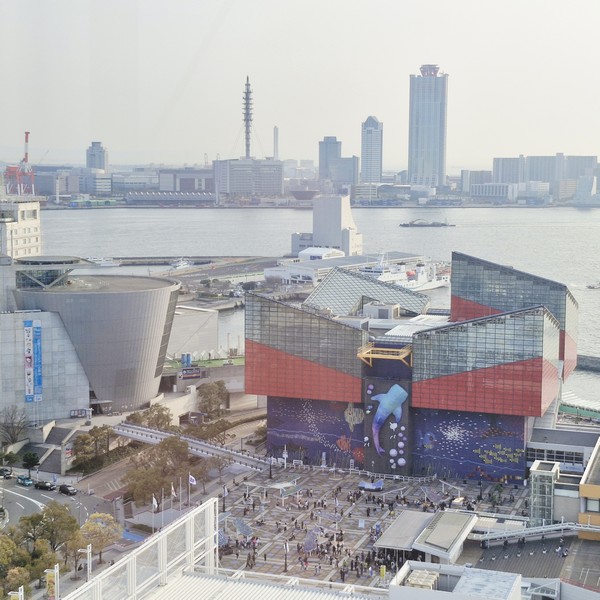
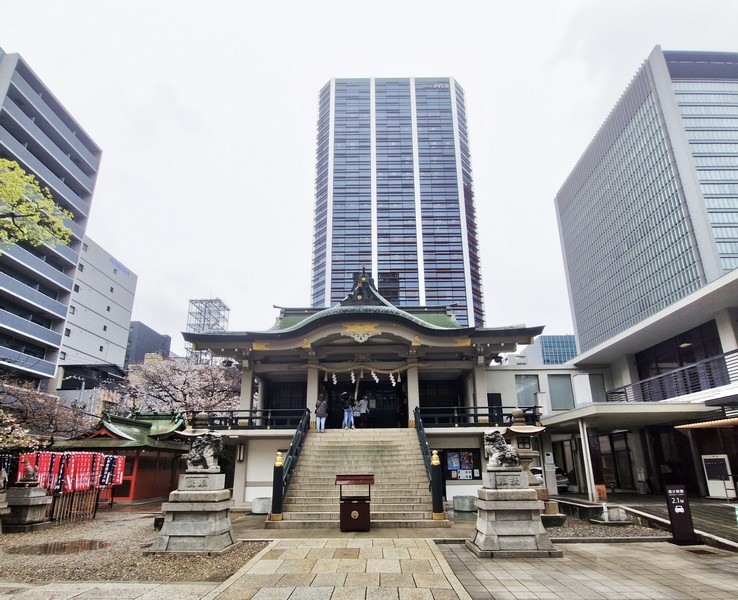
Namba Jinja Shrine (Osaka, Japan)

Namba Jinja Shrine

We were now on our last day in Osaka and we still had time to explore the city as our Cebu Pacific flight back to Manila was still in the late afternoon.  After breakfast at the hotel, my nephew Miguel, who was proficient in Japanese, offered to tour us around before returning to Kyoto to work and study.  We decided to walk to the nearby Namba Jinja Shrine. It was rainy that day.
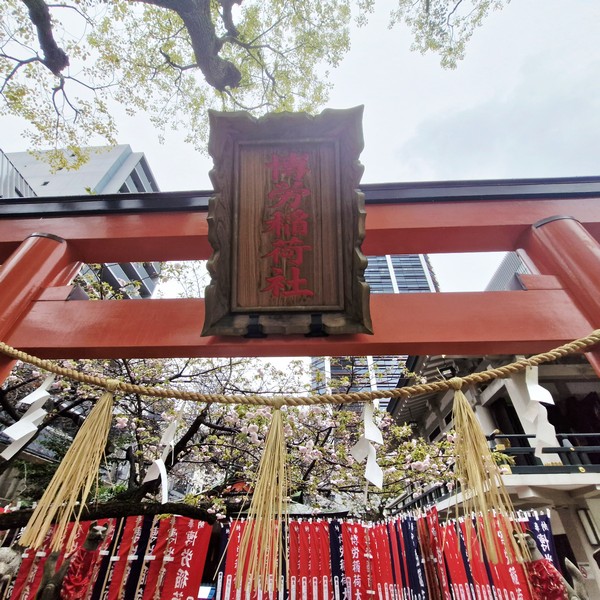
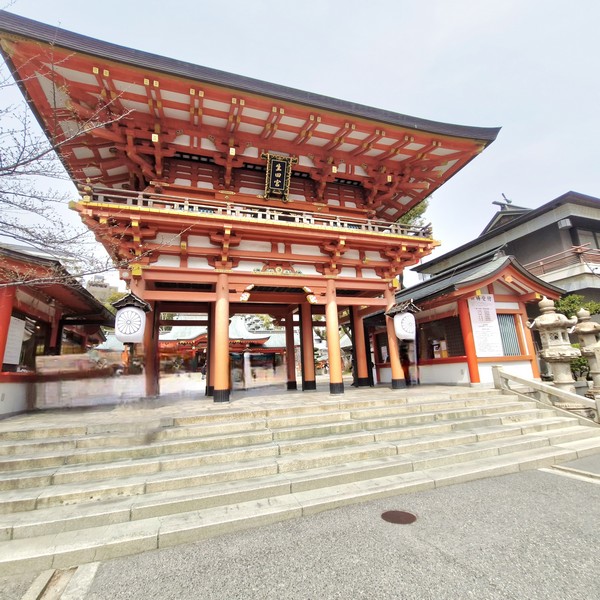
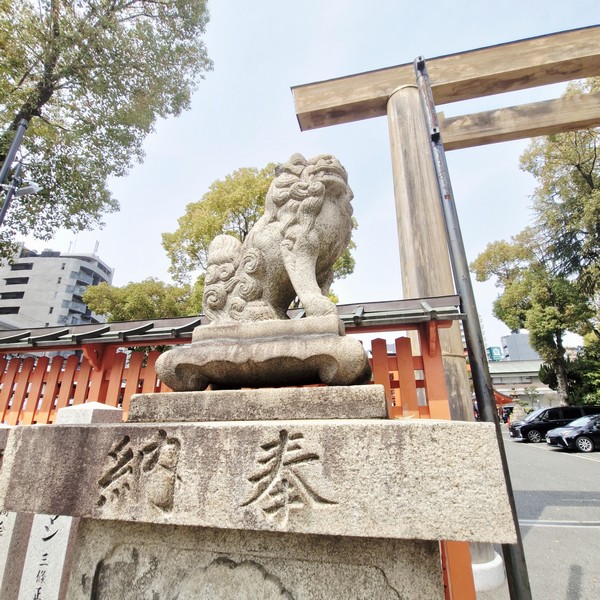
Torri (Gate)

Nestled along Midosuji Avenue in Osaka’s Chūō Ward, the tranquil, restored Namba Jinja Shrine complex was said to have been founded in the 5th century by Emperor Hanzei, who established Shibagakinomiya Shrine in Matsubara City, Osaka Prefecture, to enshrine his father, Emperor Nintoku. 
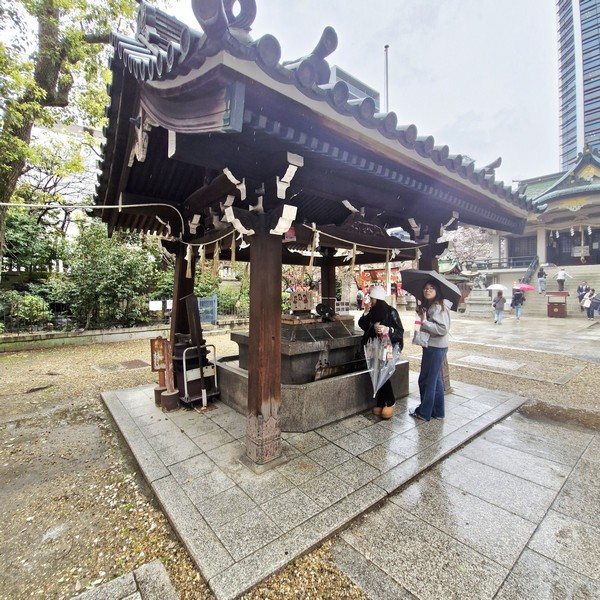
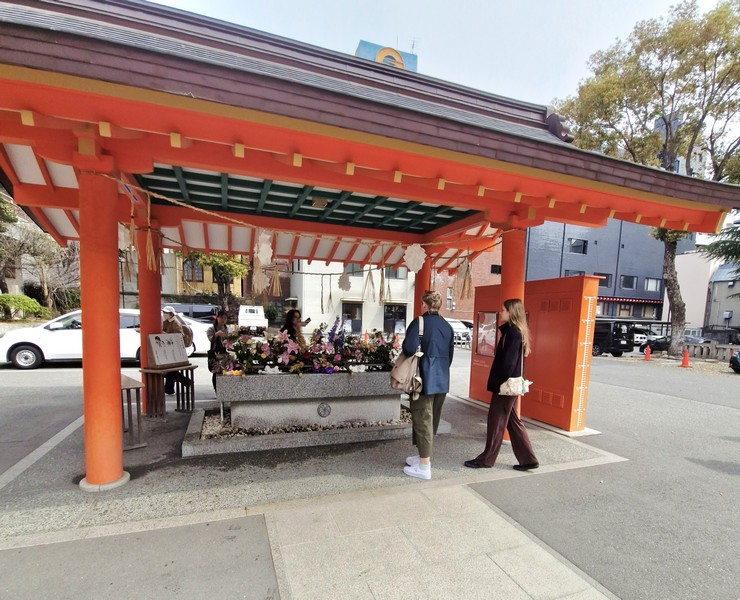
Purification Fountain (Temizuya)

It holds the weight of ancient Imperial reverence and civic memory and stands as a historical anchor amid the city’s pulse.  The shrine was later moved to Hommachi, Tennoji Ward, and then moved to its current location in 1583 (Tensho era) after Toyotomi Hideyoshi built Osaka Castle.
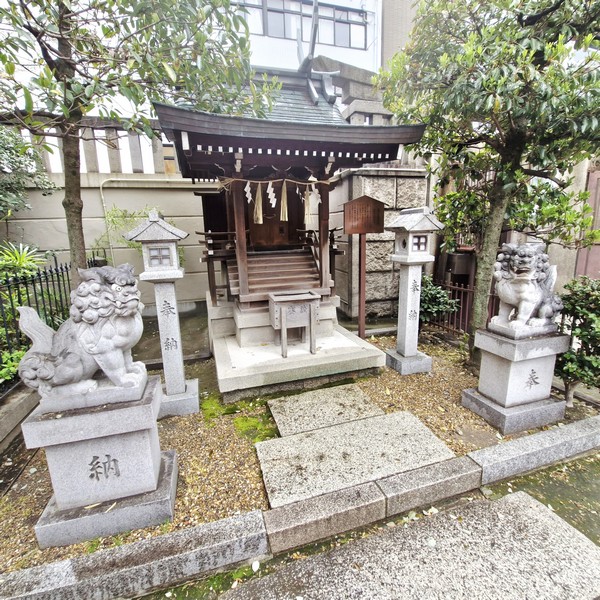
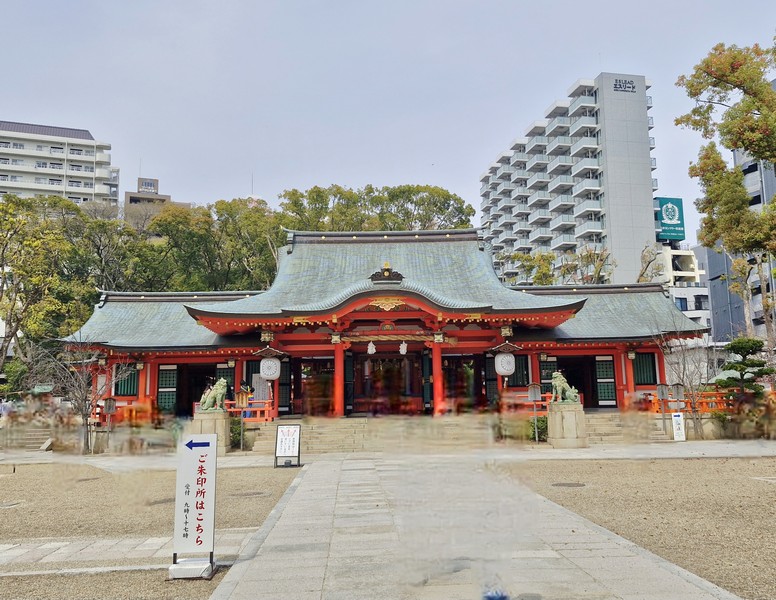
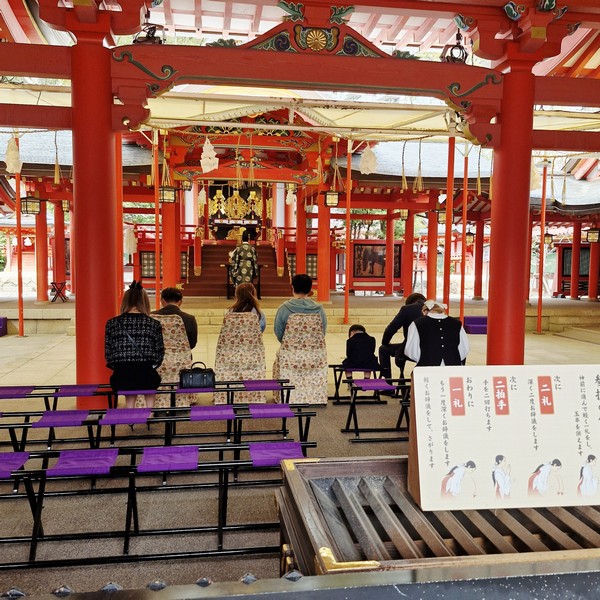
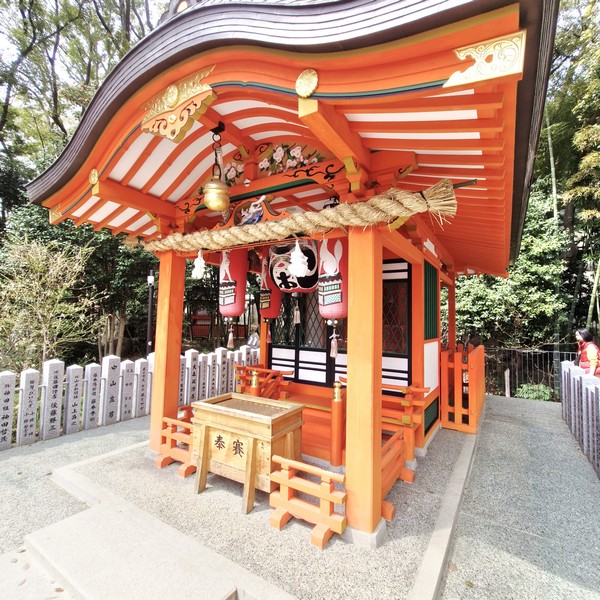
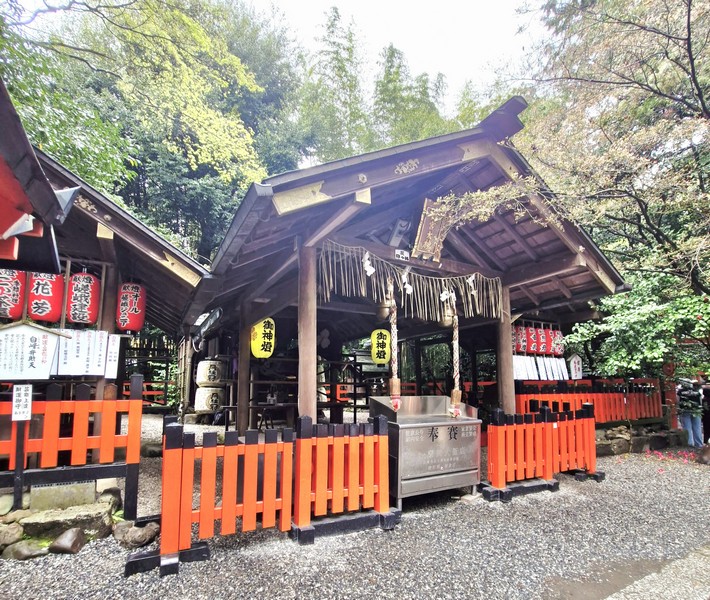
Shrine with Offertory Box (Saisen-bako)

It was named “Kami-Namba Shrine” after the area and, later, adopted its current name in 1875 (Meiji era). During the Edo period, with the rise of Inari worship, the Inari Shrine, a branch shrine within the grounds, commonly known as “Bakuromachi no Oinari-san,” became more famous than the main shrine. Uemura Bunrakuken opened a puppet theater troupe within the shrine grounds in 1811 (Bunka era 8).  Destroyed during World War II, the shrine was rebuilt in 1974, with reinforced structures that echo its pre-war architecture.
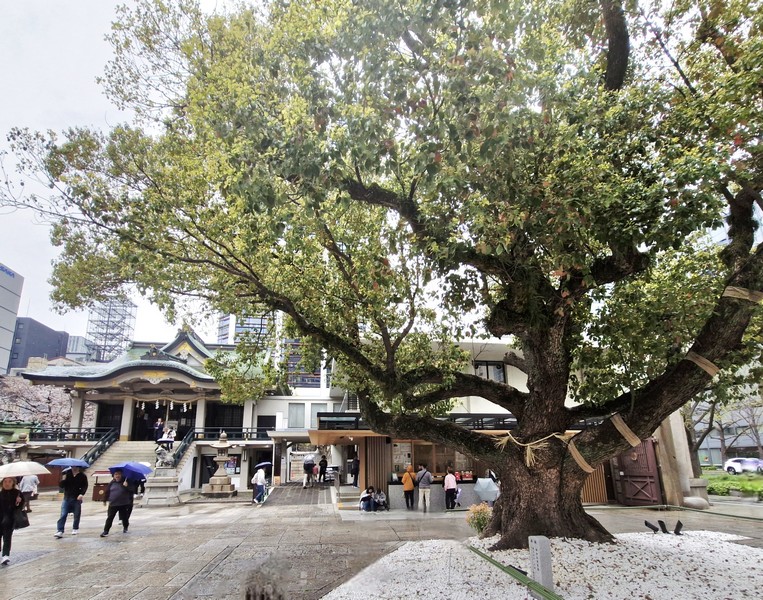
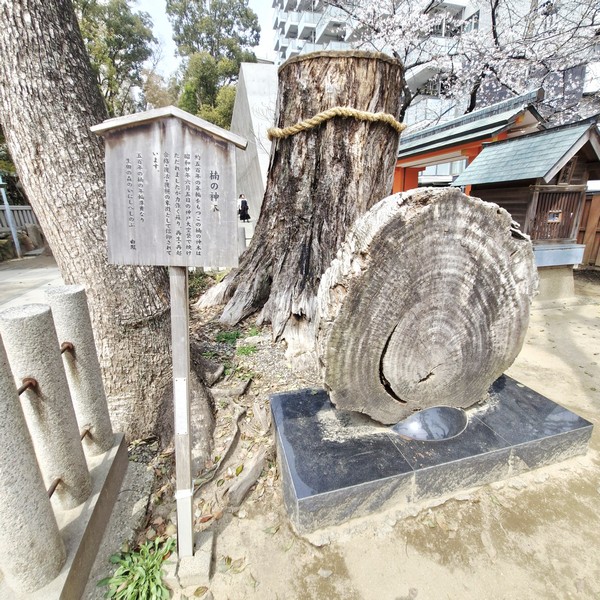
Camphor Tree

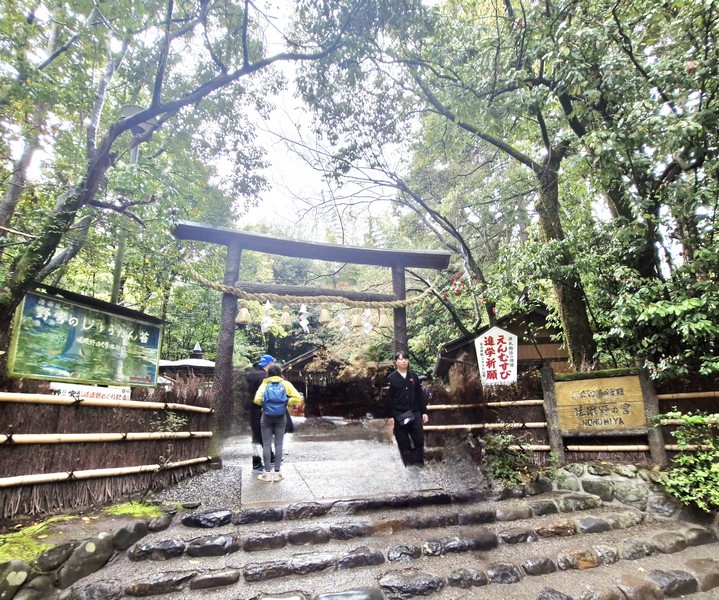
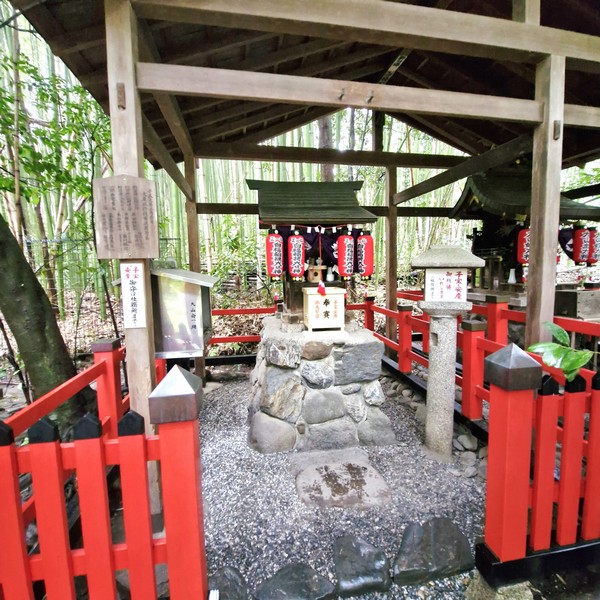
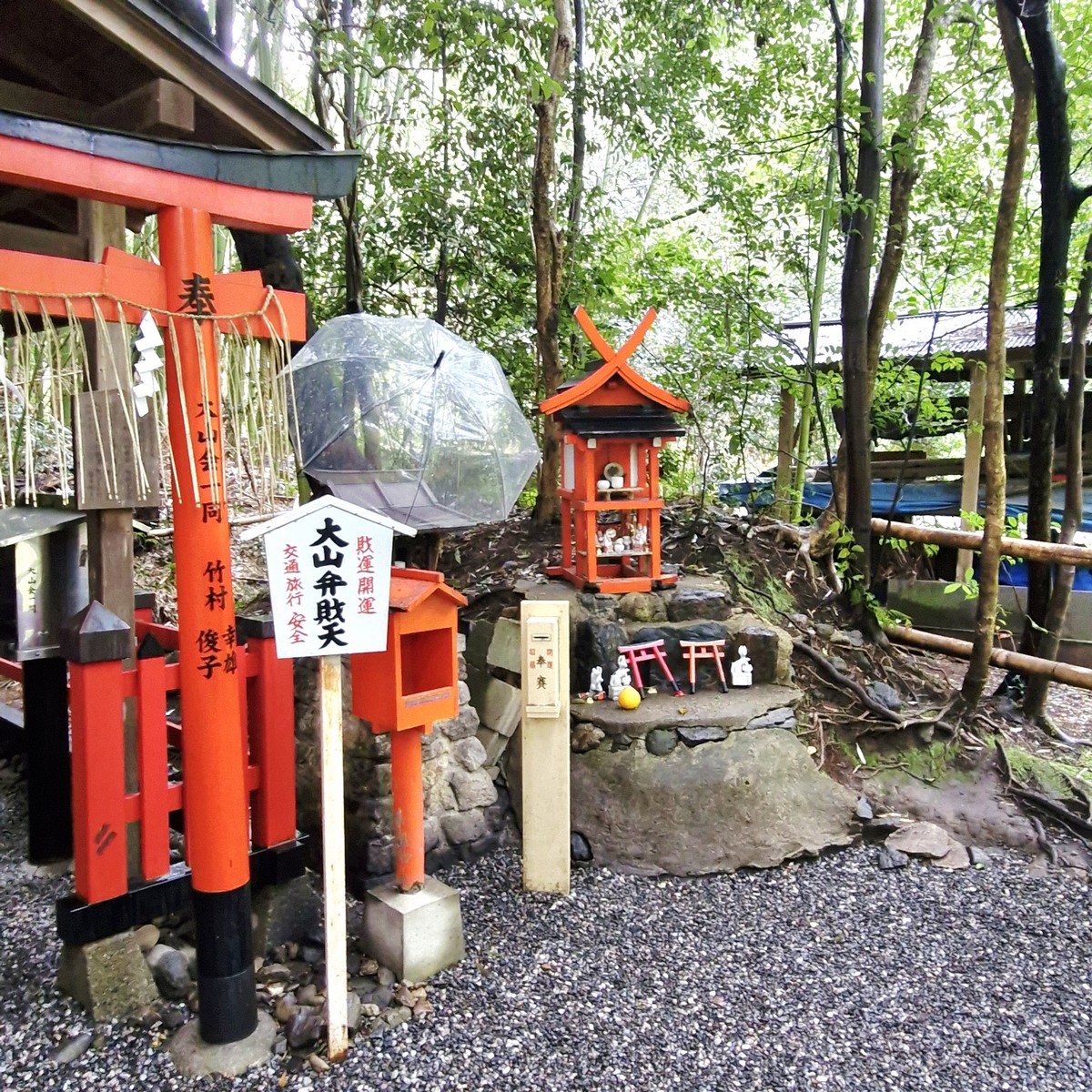
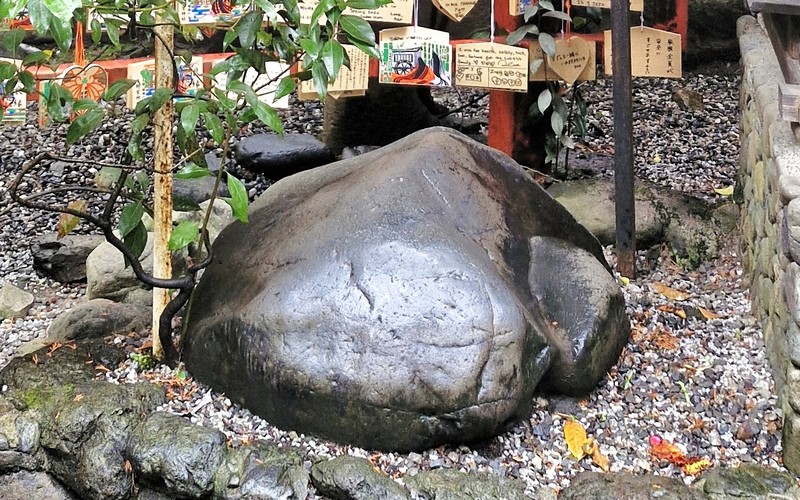
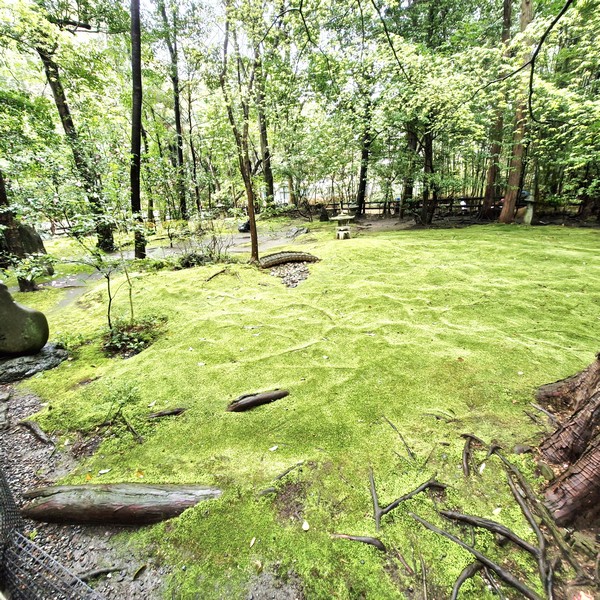
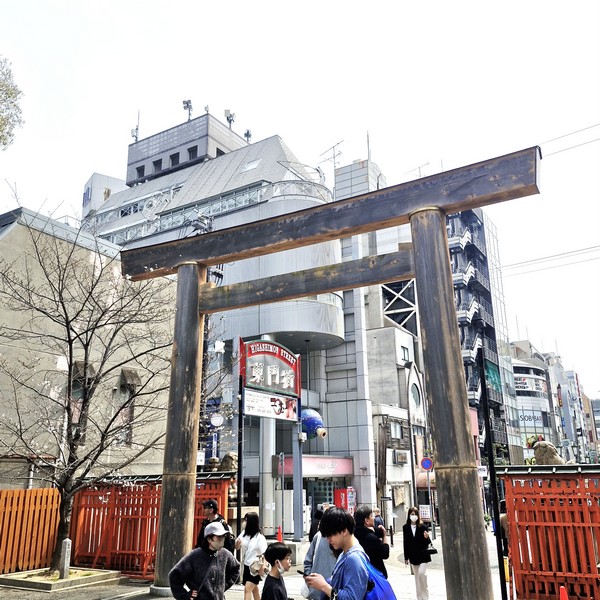
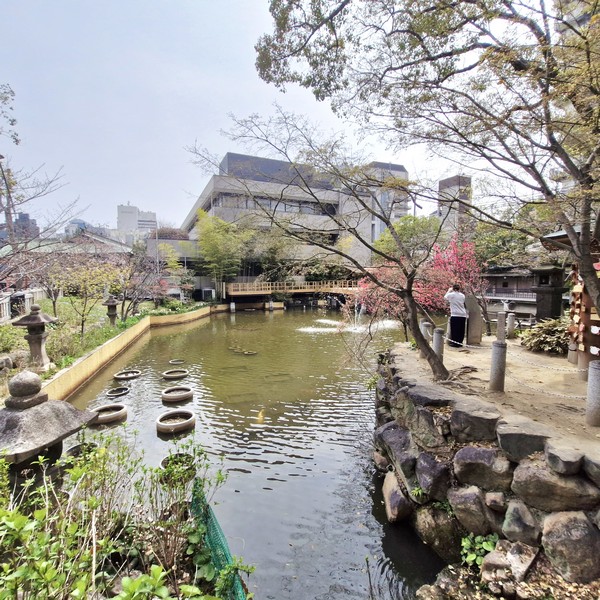
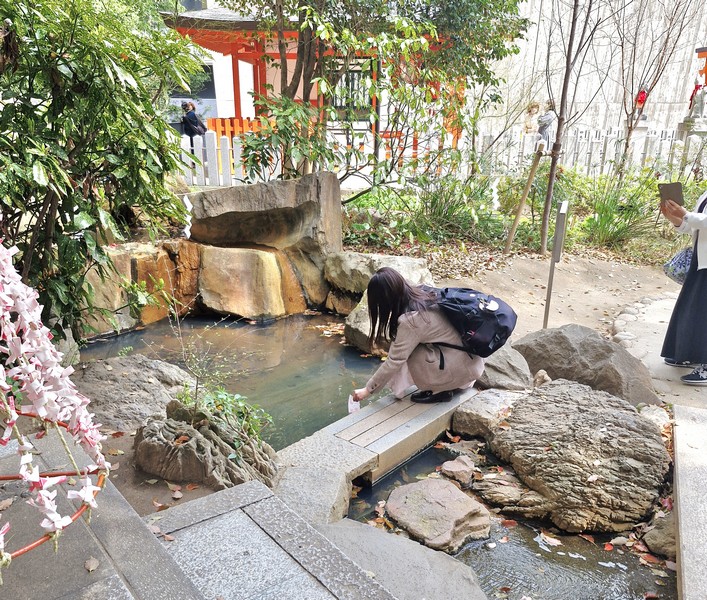
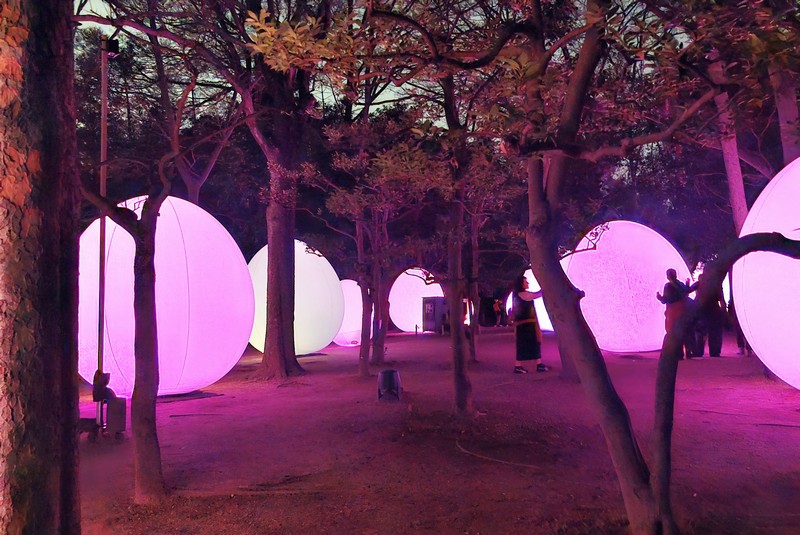
Passing through the sturdy stone torii, we were welcomed by a sacred courtyard framed by modern buildings yet rooted in centuries-old tradition. Today, it has three different shrines with different deities, offering a gentle yet powerful pause with the rustle of leaves, flicker of lanterns, and soft murmur of prayers—a tender heartbeat within Osaka’s fast rhythm.
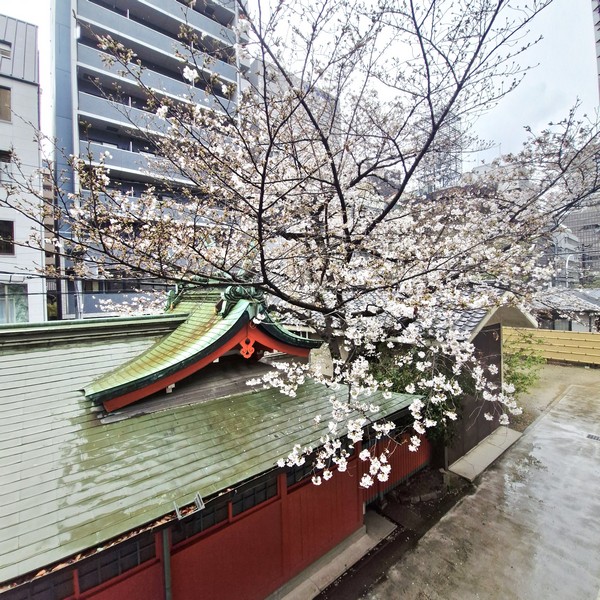
Cherry Blossom Tree

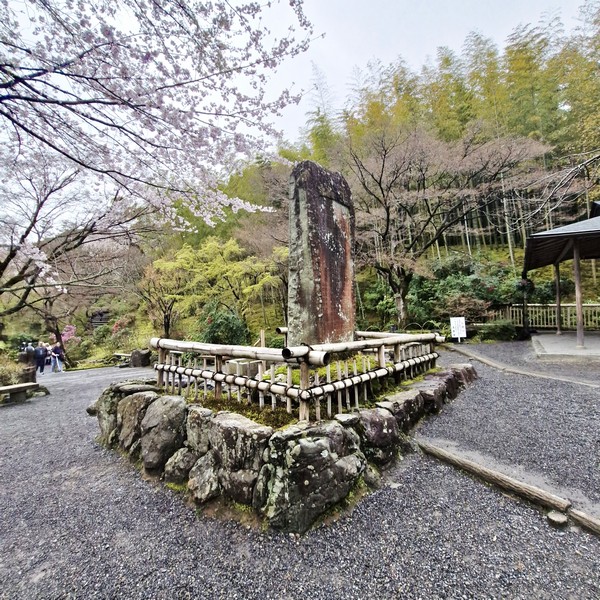
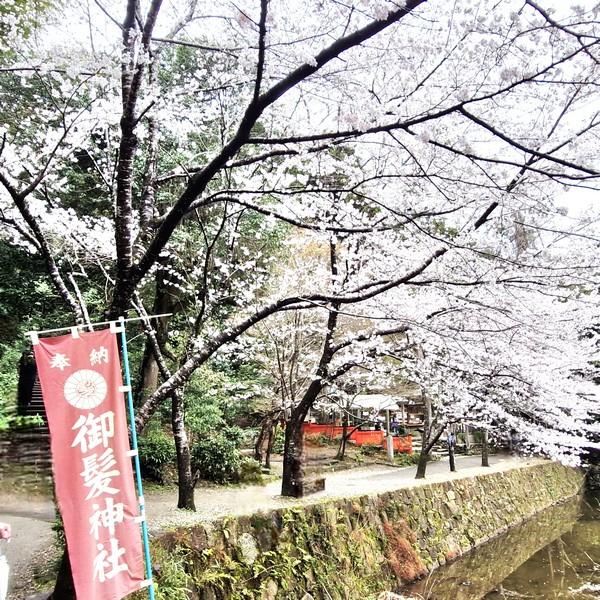
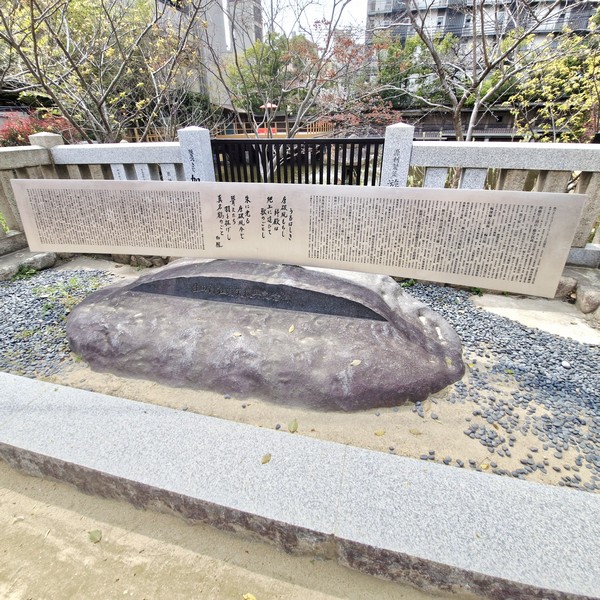
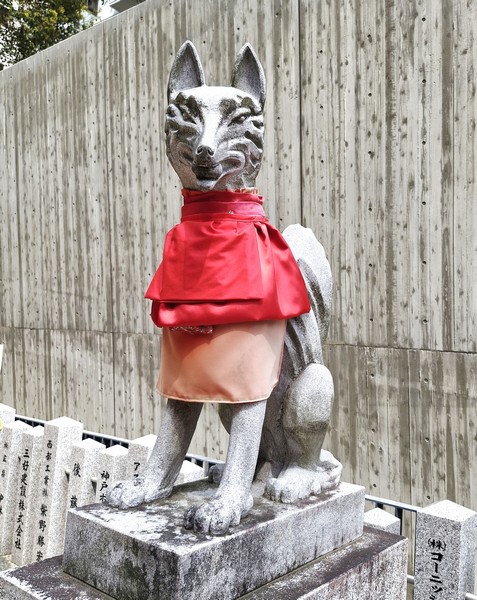
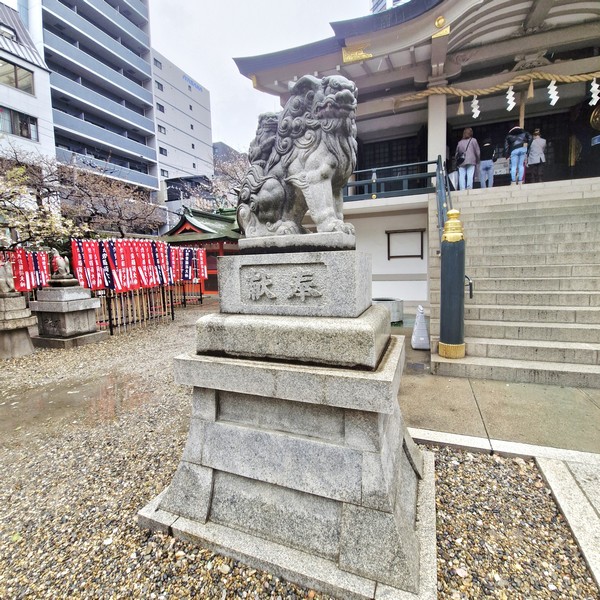
Known for its lion-dog (komainu) and fox (kitsune) statues and cherry blossom gardens, the shrine is also home to a scorched but unbowed and majestic 400-year-old camphor tree, one of the oldest in Osaka, whose trunk radiates quiet resilience and offers visitors a moment of grounding in the midst of urban haste. There is a belief that if you touch it, you will receive the “power” to rejuvenate yourself.
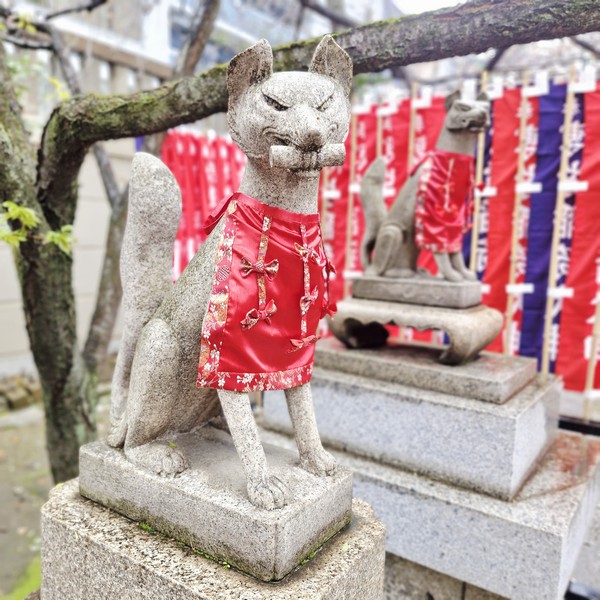
Fox Statues (Kitsune)
Lion-Dog Statue (Komainu)

Revered within Settsu Province’s Soja shrine network, Namba Jinja Shrine invites prayers for health, prosperity, and protection from calamities. At the beginning of the Meiji era, when Bunrakuken moved to the new development in Kujo, the “Hikorokuza” troupe opened on the site.
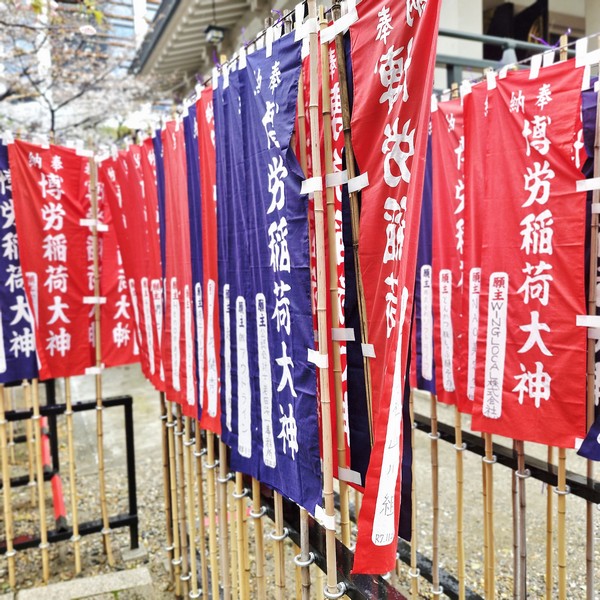
Red and Blue Banners (Nobori)
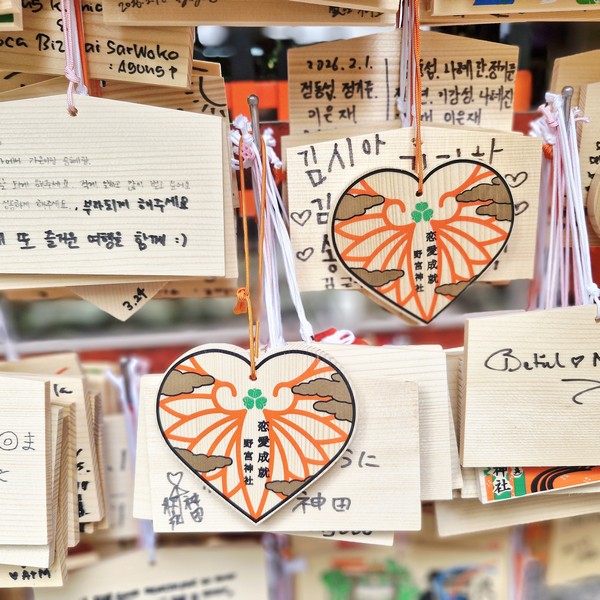
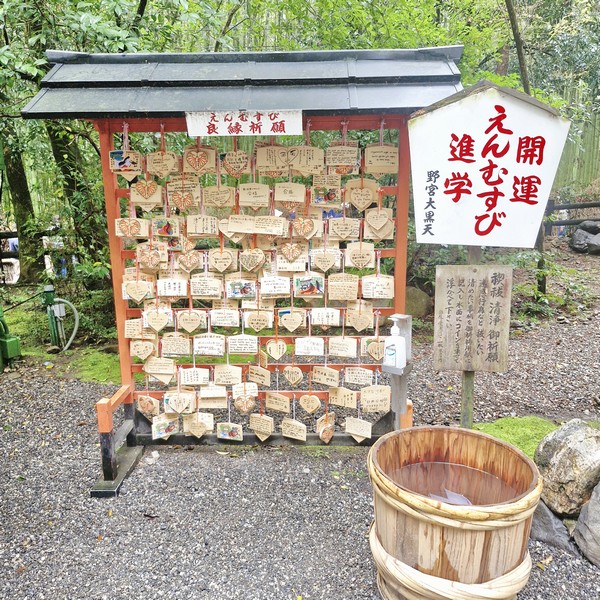
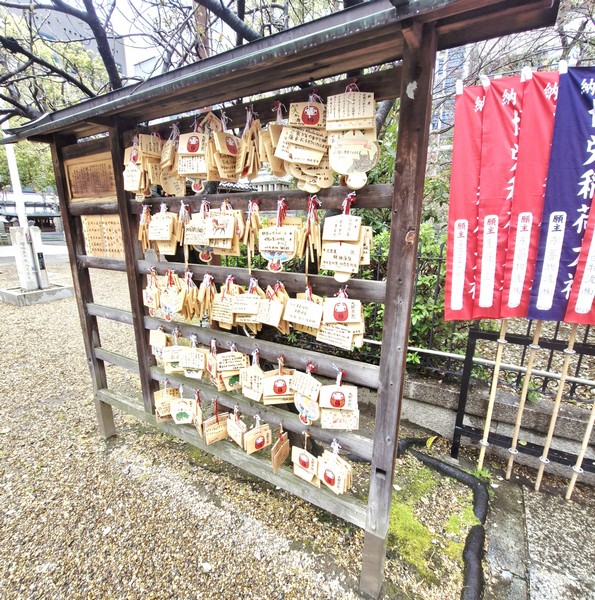
Wish Cards (Ema)

Each summer, the Himuro Ice Festival, held every year from July 20 to 21, visitors and worshippers are cooled by being given crushed kachiwari ice, a charming ritual reminding us of ancient ways to beat the heat.  It is said that if you eat this ice, you will not be defeated by the summer.
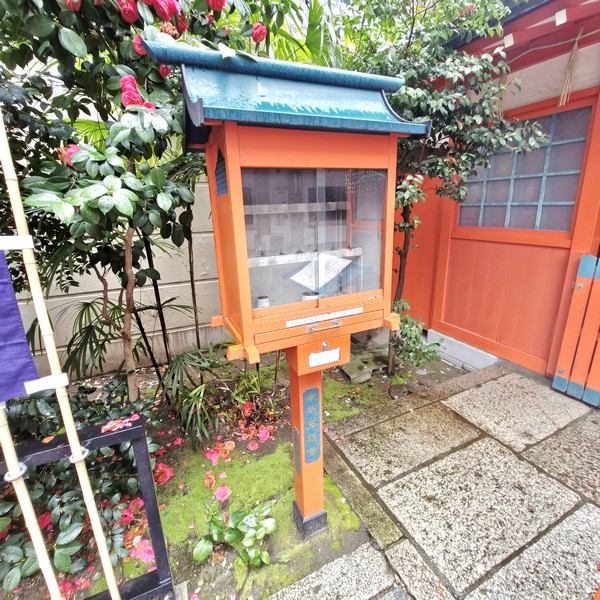
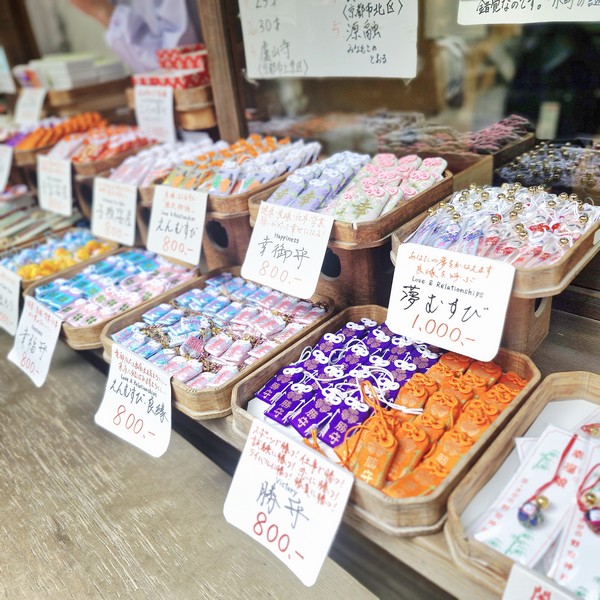
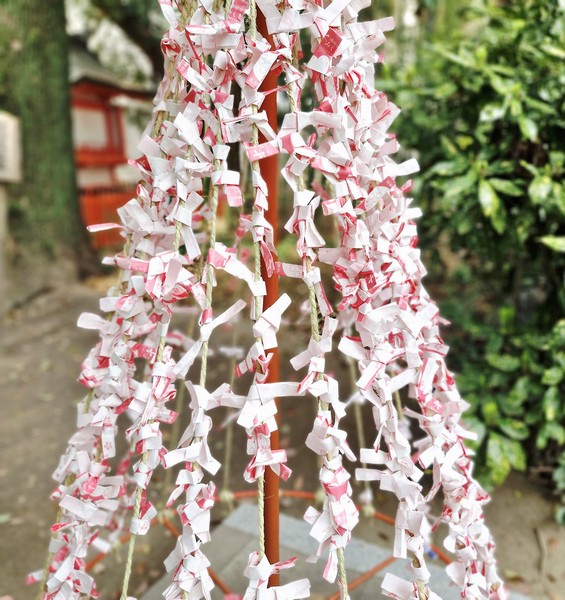
Sacred Lottery (Omikuji)

Namba Jinja Shrine: 4 Chrome 1-3 Bakuromachi, Chuo-ku, Osaka 541-0059. Tel: 06-6251-8000.  Fax: 06-6251-5110. Website: www.nanba-jinja.or.jp. Open daily, 7 AM – 6 PM. Admission is free.

How to Get There: Osaka Metro Midosuji Line “Shinsaibashi Station” Exit 3.  It is a 5-min. walk from Exit 13 of Osaka Metro Hommachi Station.
Nara Park (Nara, Japan)

Nara Park

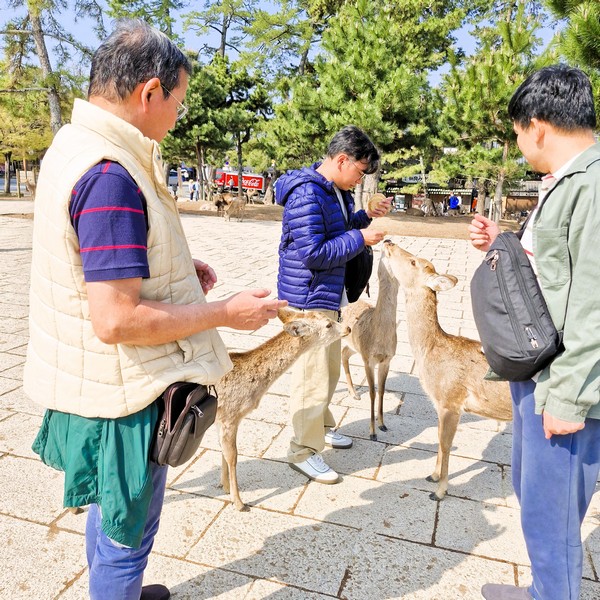
Our fourth full day in Japan was to be spent on a whole day tour of Nara, a 32-km. (35-min.) drive from Osaka.  Our first stopover was to be Nara Park (Nara Kōen), a public park at the foot of Mount Wakakusa , designated as one of the “Places of Scenic Beauty” by the Ministry of Education, Culture, Sports, Science and Technology (MEXT). One of the oldest parks in Japan, it was established in 1880.

The park, under the administrative control of Nara Prefecture, is known for its over 1,200 wild, freely roaming sika deer (shika) around in the park that are also under designation of MEXT and classified as Natural Treasures. The sika deer were considered divine and sacred by both Kasuga Grand Shrine and Kōfuku-ji.

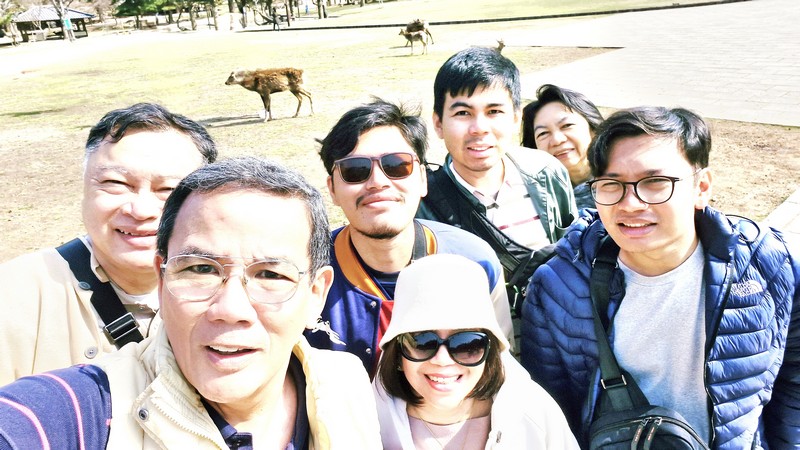
L-R: Mark, the author, Matthew, Nenette, Jandy, Grace and Miguel at Nara Park

According to local folklore,  Takemikazuchi, one of the four gods of Kasuga Grand Shrine, received an invitation from Kashima Shrine (in present-day Ibaraki Prefecture) and he was said to, and appeared on Mount Mikasa (also known as Mount Wakakusa) riding a white deer. From that point, killing one of these sacred deer was a capital offense up until 1637, the last recorded date of a breach of that law.

The author, Miguel and Jandy feeding the deer

While the official size of the park is about 502 hectares (1,240 acres), defined by the Urban Park Act in 1960, the surrounding  area including the grounds of the Nara National Museum and Shinto shrines and Buddhist temples, which are either on the edge or surrounded by Nara Park, is as large as 660 hectares (1,600 acres).

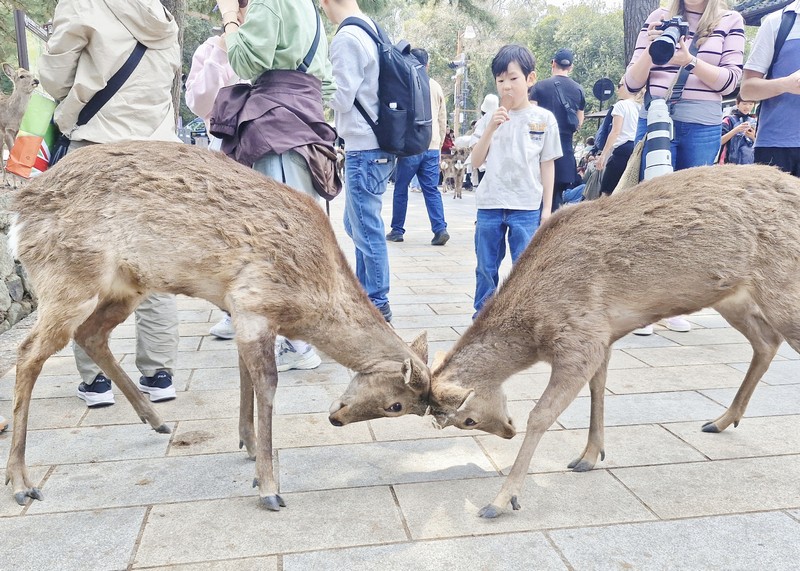
Deer engaged in territorial behavior by bumping heads

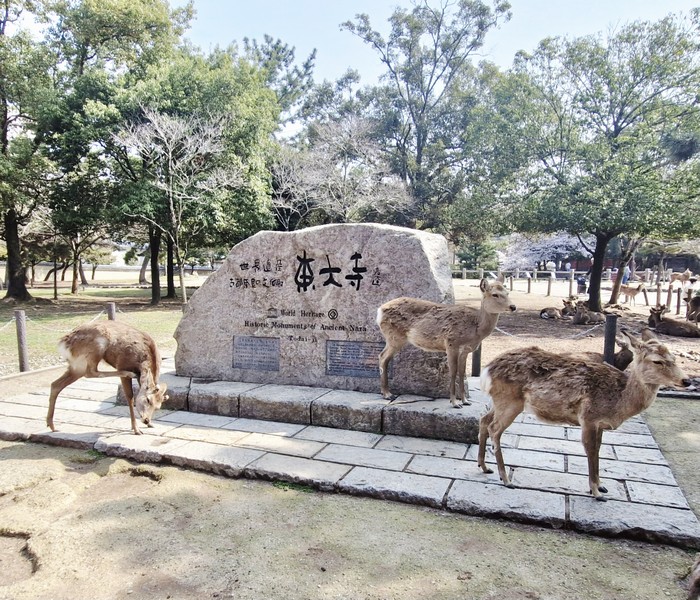
Within the 660-hectare area are World Heritage Sites (Tōdai-jiKōfuku-jiKasuga Grand Shrine and the Kasugayama Primeval Forest), registered under the title Historic Monuments of Ancient Nara, as well as 47 buildings and 374 arts and crafts (mainly consisting of Buddhist statues and religious arts and crafts) designated as National Treasures and Important Cultural Properties found in the grounds of Buddhist temples and Shinto shrines such as Todai-ji, Kofuku-ji, Kasuga Grand Shrine, ShōsōinShin-Yakushi-jiGangō-ji, and others; designated by the Japanese government.

Check out “Kofuku-ji Temple” and “Todai-ji Temple”

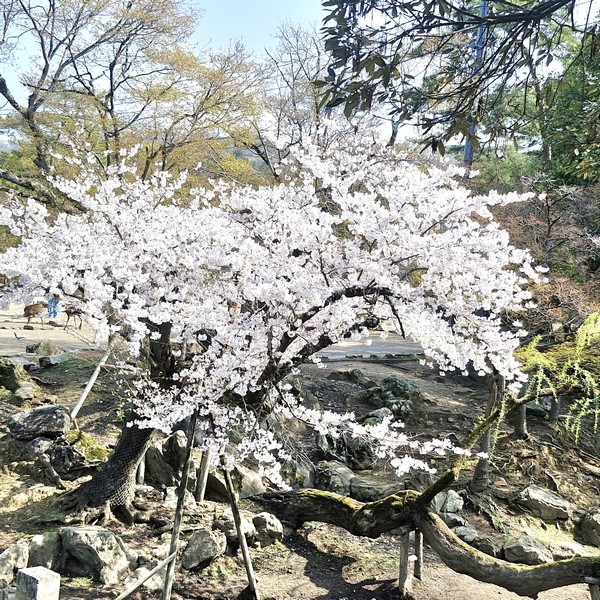
One of 1,700 cherry blossom trees in the park

The Kasugayama Primeval Forest is also designated as a Special Natural Monument (Tokubetsu Tennen Kinenbutsu), while the sika deer, the habitat of the Panchala ganesa butterfly, the Nageia nagi tree forest of Kasuga Grand Shrine, and the Prunus verecunda “Antiqua” tree of Chisokuin are designated as Natural Monuments (Tennen Kinenbutsu).

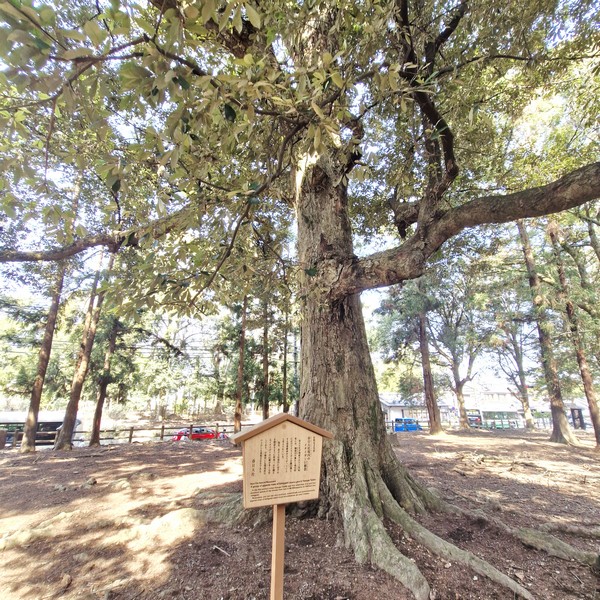
Japanese Evergreen Oak (Ichiigashi)

Aside from sika deer, the other wild animals that inhabit the park include  wild boarJapanese raccoon dogsJapanese giant flying squirrels and Japanese squirrels, among others. The vegetation consists of pine trees (matsu, some reported to be over 1,000 years old), roughly 1,700 cherry blossom trees (including shidarezakura weeping varieties), camphor trees (kusu), maple trees (momiji), plum treesJapanese cedar (sugi) and Japanese pieris, among others.

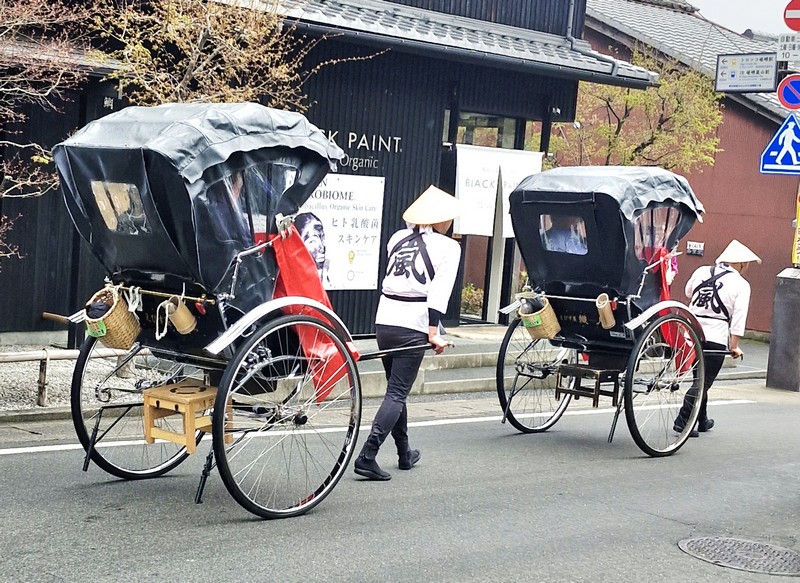
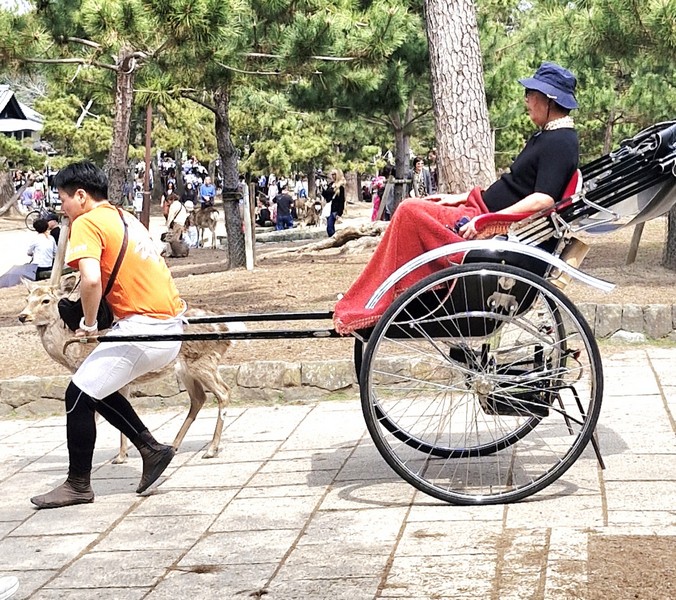
Jinrikisha (Japanese Rickshaw)

For centuries, the Nara deer have coexisted with the city’s inhabitants, and now, the multitude of travelers coming, from far and wide, to take their picture-perfect selfies with them. Any visit to Nara Park is never complete without frolicking amongst, and feeding its herds of four-legged creatures. The deer are known for bowing their heads to tourists to request specially sold, registered shika-senbei (“deer-crackers”), at 200¥ per pack, which are exclusively sold by the WNOW company.

These bows are learned (not instinctual) gestures to get food and deer can be highly opportunistic, using bows as an “implied threat” for food.  The experience can unnerving for others who flee in terror as a dozen more of them surround them in search of their own treats. They can also be aggressive, biting, chasing, or head-butting visitors for crackers.

Nara Park: 469 Zoshicho, Nara, 630-8501, Japan. Tel: +81 742-22-0375. Coordinates: 34.685°N 135.85°E

How to Get There: Nara Park is serviced by the Kintetsu Nara Station (a 5-min. walk) and is reachable by the Kintetsu Line from Osaka-Namba Station.
Ikuta Jinja Shrine (Kobe, Japan)

Ikuta Jinja Shrine

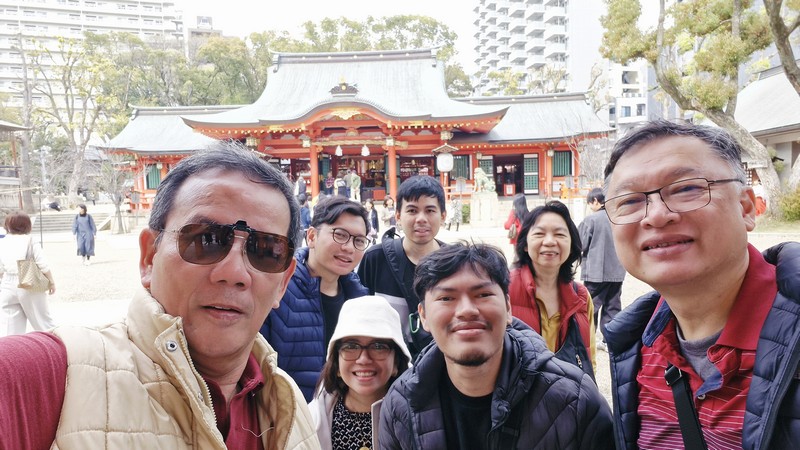
After our tour of Meriken Park, it was just a short 2-km. drive to the wonderful Ikuta Shrine (Ikuta-jinja).  A major shrine in Kobe, is believed to be one of the oldest Shinto shrines in Japan.  Famous as a “power spot” for matchmaking and love, dotted around the grounds of Ikuta Jinja are 14 sub-shrines, each dedicated to a different god. This shrine, in Kobe’s city center, has spacious grounds, impressive buildings and, at its rear, you can find a remnant of the ancient forest that once covered the entire area.

Check out “Meriken Park

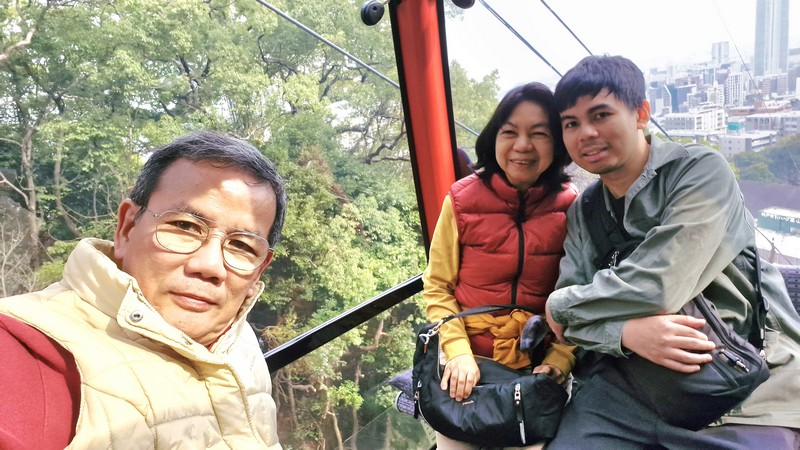
The author (left) with Miguel, Nenette, Jandy, Matthew, Grace and Mark

According to Nihon Shoki (Nihongi), the second oldest book of of classical Japanese history, it was founded in 201 AD by the Empress Jingū to enshrine the goddess (kami) Wakahirume-no-Mikoto. Empress Jingu was returning from the Three Kan campaign on the Korean Peninsula, when her ship was nearly shipwrecked by bad weather. By praying to Watatsumi, she managed to survive by stopping at what is now Kobe harbor. Upon arrival, she held a divination ceremony that summoned the goddess Wakahirume-no-Mikoto, and the goddess said she wanted a shrine to be built for her in a place called Ikuta.

Old wooden torii

The shrine was originally located, on a sand dune, further north from its current location on Mount Isagoyama. However, in 799 AD, terrible floods threatening to wash the shrine away forced priest Tone Shichidayu to carry the goddess, in a portable shrine, to search for a new home. After 8 days, the portable shrine suddenly became too heavy.  Taking this as a divine message, the goddess was re-enshrined at its present location.

Tower Gate

In 806 AD, 44 households were given responsibility for the care and protection of the shrine and given the title kanbe (meaning “sacred households”). This was the origin of the name of the city of “Kobe,” which is written with the same characters.

Chozu-ya basin

In 1938, the shrine suffered damage during floods and, in 1945, was severely damaged during air raids in World War II.  On January 17, 1995, the shrine suffered significant damage during the Great Hanshin-Awaji Earthquake. However, following each tragic event the shrine was restored with the support of local citizens. As a result, Ikuta Jinja is now loved and respected by the people of Kobe as a symbol of the city’s resilience and resurrection.

Ikuta Shrine Earthquake Recovery Monument

Before entering the shrine, there’s a chozu-ya (or temizuya), a traditional roofed Shinto water ablution pavilion, on the right, where we would ritually purify ourselves, by taking a bamboo scoop and washing our hands and mouth with the water, before approaching the splendid shaden (main shrine building), flanked by lion-dog statues (komainu), where you can softly murmur prayers in your mind.

Shaden (Main Shrine)
Interior of Shanden

We entered the shrine through the striking, vermilion-lacquered tower gate (ro-mon) which marks the transition, from bustling city, to the forested shrine grounds. 

Lion-Dog Statue (Komainu)
Fox Statue (Kitsune)

After passing through the impressive tower gate, we saw booths, on either side, selling a variety of omamori (protective charms) and omikuji (fortune paper slips). To the left of the shaden is a picturesque pond, with lotus flowers (in full bloom from July to August), ducks and koi (Japanese carp), called Ikuta-no-ike.  The serene, leafy pond has a small island accessible by a bridge. 

Ikuta-no-ike

On the island is a small sub-shrine called Ichikishima Jinja, dedicated to Ichikishima-hime, (also called Benzaiten), the goddess of water and all things that flow (like language, performing arts and music).  This peaceful retreat is often visited for romantic blessings.

Ichikishima Jinja

Near the entrance of Ikuta Jinja are two quite important sub-shrines. Just after the second torii gate, on the left side, is the maritime-focused Daikai Jinja (literally “Ocean Shrine”) with a red torii

Daikai Jinja

Dedicated to Sarutahiko-no-Mikoto, a god of guidance and travel, people pray here for safety at sea which is very important in a port city like Kobe. On the right side is Matsuo Jinja with a concrete gray torii. Dedicated to Oyamakui, the god of farming and sake brewing, this is an important shrine as Kobe is the home of many famous sake breweries.

Ikuta-no-mori

At the far end of Ikuta Jinja’s grounds, behind the shaden, is the quiet and peaceful Ikuta-no-mori, the remains of an ancient forest. The forest was the site of the Battle of Ichi-no-Tani, a major battle during the the end of the Heian Period Genpei War (1180-1185), commemorated by markers. Today, Ebira and Ikuta Atsumori, two Noh plays which retell aspects of the Genpei War, are performed, on a regular basis, every year at Ikuta’s Autumn Festival (Akimatsuri), near the Ikuta Shrine. Ikutamorizasha, a sub-shrine inside the forest, is dedicated to the Empress Jingū. People pray here for growing things and for the safe birth of babies.

Cherry blossoms

At Kinryusen, a popular spot in the forest, you can have your fortune read by water.  When you float an initially-blank mizu-omikuji (a Japanese water-activated fortune slip bought at the shrine office, 300 yen) on the water, your fortune (only available in Japanese) will appear, split into different categories such as your lucky color, location, place and more.  Truly, a delightful and interactive experience for visitors.

Lady floating an initially-blank mizu-omikuji at the kinryusen

We also saw rows of omikuji (also in English, Korean and simplified and traditional Chinese) tied to racks. The goddess of weaving, Wakahirume is said to be good at making connections (whether these be business connections or romantic connections) so people pray to her for prosperity in business and happy marriages.

Omikuji (paper fortunes)

Also, as the shrine has survived many disasters in the past, people also pray here for their health and for protection from calamity.  Visitors often make a small donation and draw an omikuji to discover their luck in love and business.  If it’s bad luck, they tie it to a rack to leave the bad luck behind.

Sacred camphor tree

Also within the forest are the remains of a camphor tree which was around 500 years old (seen from its rings) when it fell. It is considered sacred and is seen as a symbol of reconstruction and revival because it survived the bombing of Kobe during World War II and, although terribly burned, it recovered and continued to live for many years.

Inari Shrine

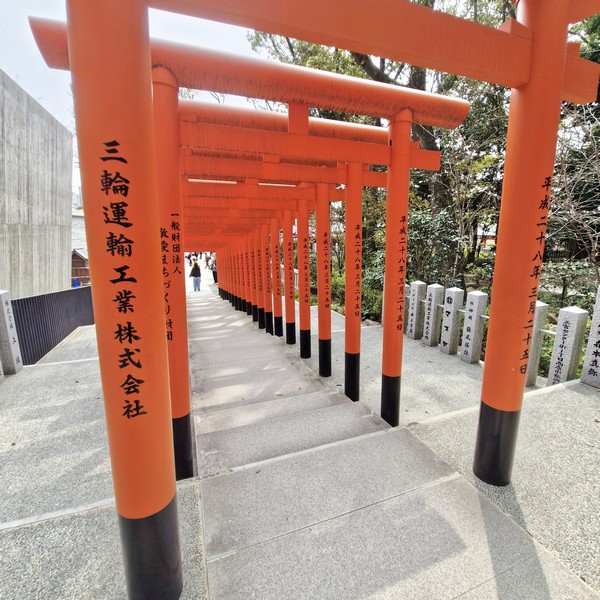
Within the forest, you can also walk through a striking, continuous series of 22 vermillion-lacquered torii gates (often referred to as a “row of red torii), donated in 2016, leading to the Inari Shrine dedicated to Uganomitama-no-Mikoto, the very important god of food, rice (the traditional staple food of Japan) and business prosperity who is also considered the god of fertility and life.

Series of torii

Ikuta Jinja Shrine: 1-2-1 Shimoyamate-dōri, Chūō-ku, KobeHyōgo prefecture 650-0011. Tel: +81 78-321-3851.  Open daily, 8:30 AM to 6:30 PM. Admission is free.  Coordinates: 34°41′42″N 135°11′26″E.

How to Get There: Ikuta Jinja is a short 10-min. walk from JR Sannomiya Station. Here is a map showing its location.
Hyogo Prefectural Maiko Park (Kobe, Japan)

Hyogo Prefectural Maiko Park

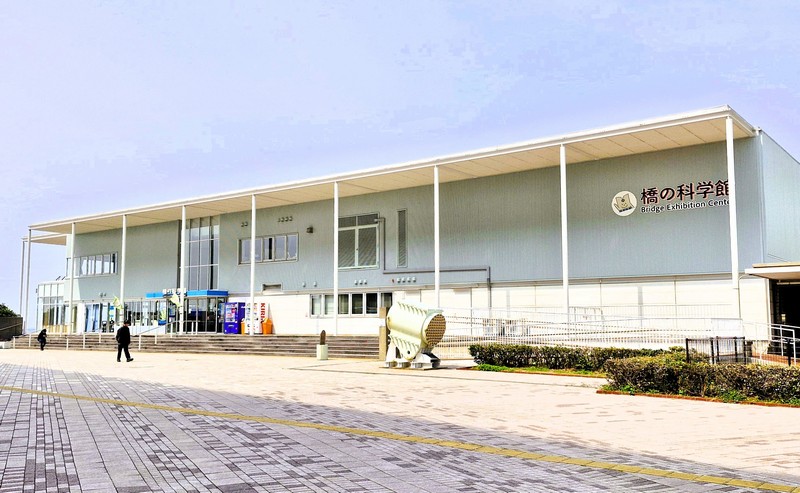
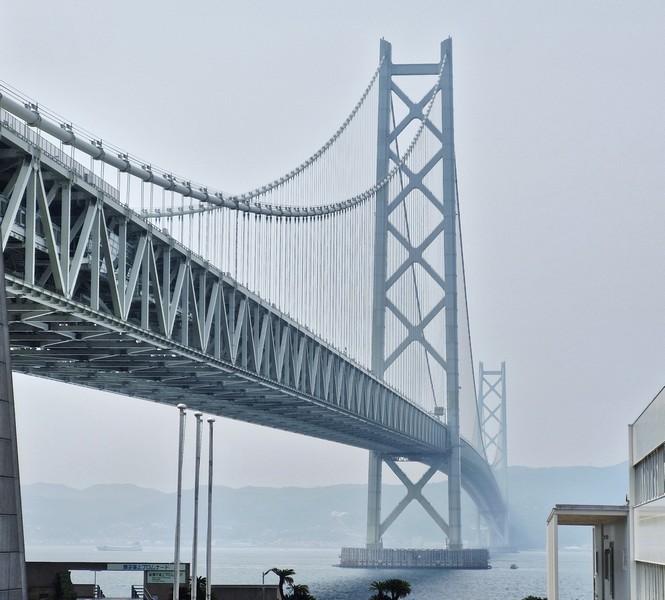
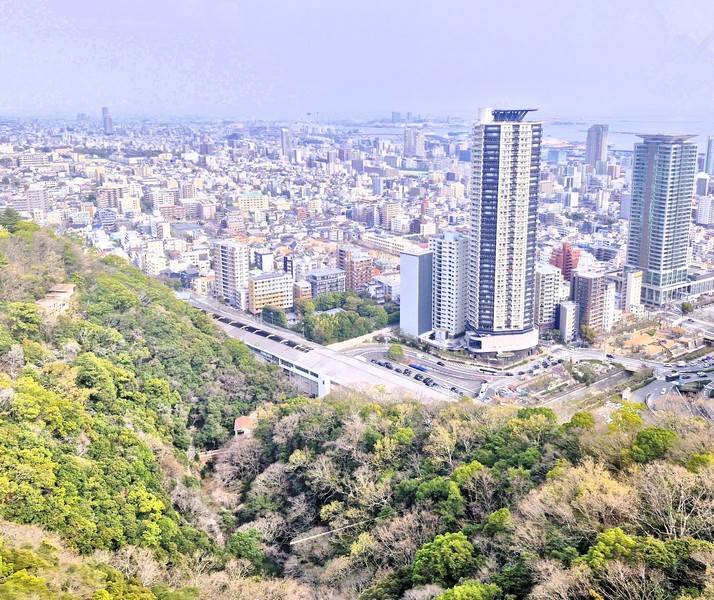
From Meriken Park, it was a 16.1-km. (30-min. drive) to our second stopover – the exotic atmosphere of Hyogo Prefectural Maiko Park.   This 7.8-hectare oceanside city park features large grassy areas with sea and bridge views; a 1,500-pine forest; the Akashi Kaikyo Bridge Exhibition Center (displays showing the history of what is the world’s longest suspension bridge) and several historic houses. The current Maiko Park was opened as the first Hyogo prefectural urban park in 1900.

Check out “Meriken Park

Akashi Kaikyo Bridge Exhibition Center

There are plenty of things to do and see at the park.  It is the gateway for the 3,911 m. long Akashi-Kaikyo Bridge which is the world’s largest suspension bridge. Linking Hyogo Prefecture (Kobe) with Awaji Island, it also boasts the world’s longest central span at 1,991 meters. At night, the bridge is illuminated with colorful lights.  This stunning sight, for those crossing the strait, has earned it the nickname “Pearl Bridge.”

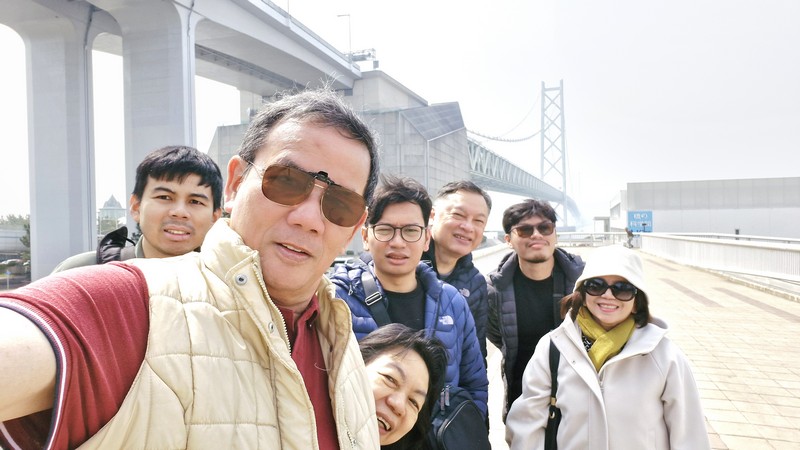
L-R: Jandy, the author, Grace, Miguel, Mark, Matthew and Nenette

Underneath the bridge is the Maiko Marine Promenade, a viewing facility built in the bridge girder, approximately 47 m. above the sea and 150 m. above the ground, that offers fantastic views of the Seto Inland Sea and Akashi Strait.  An approximately 317 m. long, circuit-style promenade on the Akashi-Kaikyo Bridge opened on April 5, 1998, it was constructed on the Kobe side of the bridge as an additional facility. Information materials and a DVD system that explain the bridge are available on the first floor of the promenade. There is an observation camera system which makes you feel like you’re on top of the bridge’s 300-m. high main tower. At the observation lounge, on the 8th floor, you can try an additional thrill – the “log-bridge 47 meters above the sea.”

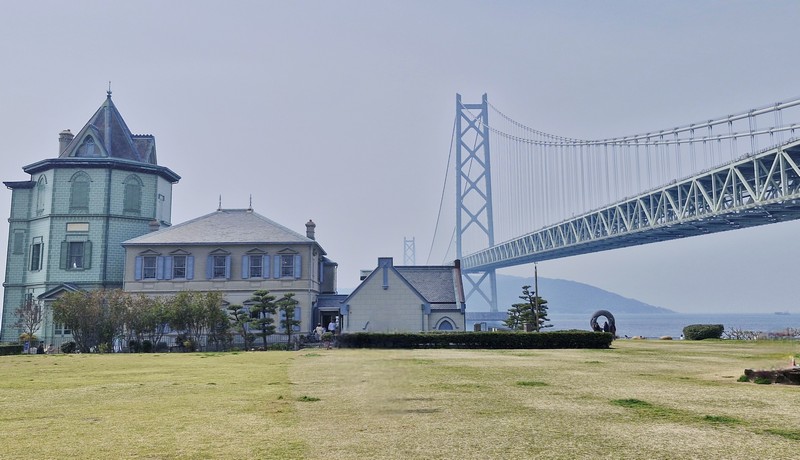
Akashi Kaikyo Bridge

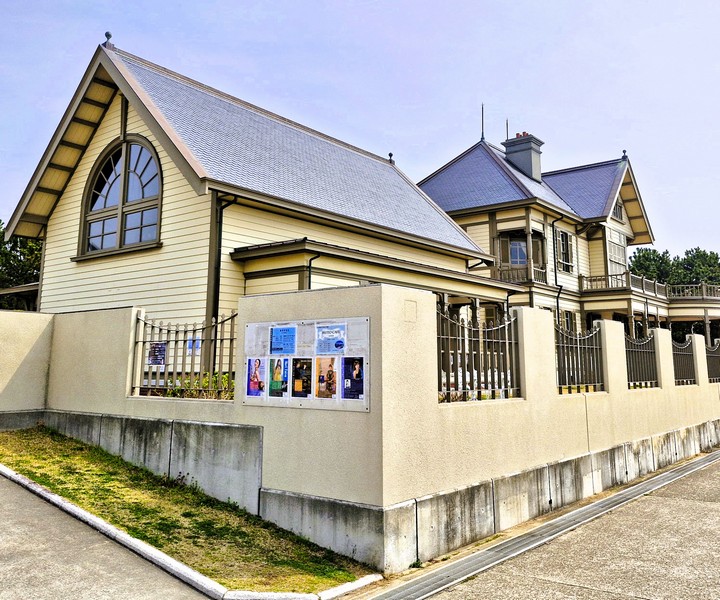
You can also see and visit three historical buildings.  Other Japanese residences, in Osaka and Kobe, have been gradually disappearing since the Hanshin/Awaji Great Earthquake. The Former Residence of Sanji Muto was built in 1907, during the Meiji period, at Maiko Beach, by businessman (he was president of the Kanebo textile company), journalist and politician (he was an active member of the House of Representatives) Muto Sanji.

After Muto was murdered in 1934 (as part of the fallout of the Teijin Incident), it was used by Kanegabuchi Boseki Co., Ltd. as its social welfare facility, and was called the Kanebo Maiko Club (also known as the Old Kanebo Maiko Club).  However, for the expansion work of National Route 2, it was taken down, in conjunction with the construction of the Akashi-Kaikyo Bridge, and the Western-style building was relocated to Kariguchidai, Tarumi-ku.

Former Residence of Sanji Muto

In 2007, Kanebo Co., Ltd. donated the building and furnishings to Hyogo Prefecture and, that same year, the prefecture started relocation/restoration work to move the building back to Maiko Park, its original location. In July 2011, it was registered as a National Tangible Cultural Property. Now a new tourist attraction representing Maiko Park, visitors can enjoy the scenery, from this Western-style seaside cottage, of the Akashi Strait and the pine forest. Inside, it features preserved Meiji-period furniture and stained glass.

The Former Japanese Residence of the Kinoshita Family is an early modern Japanese home built in the tea ceremony arbor (sukiyazukuri) style. Originally completed as a private residence, in 1941, for a man named Ryosuke Matano, it came into Mr. Kichizaemon Kinoshita’s possession in 1952 and, in 2000, the bereaved family of the late Mr. Kichijiro Kinoshita donated it to Hyogo Prefecture. In December 2001, as it has almost completely retained its appearance since its establishment, it was registered as a National Tangible Cultural Property.

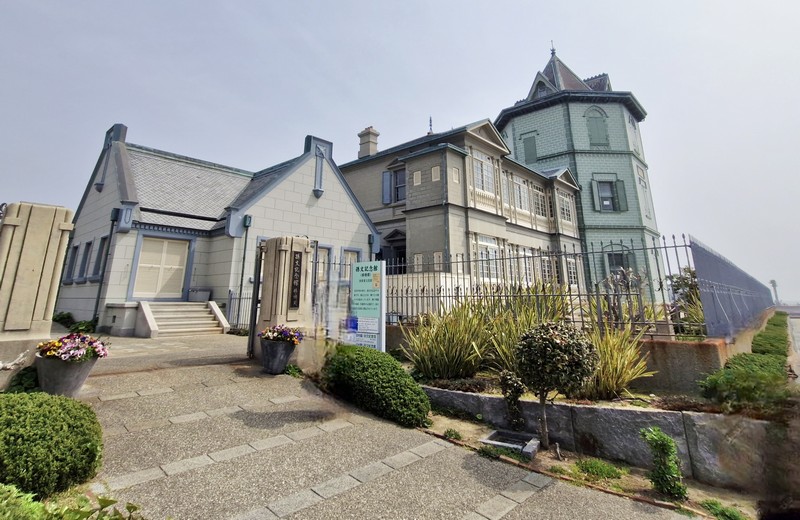
Sun Yat-Sen Memorial Hall (Ijokaku)

The iconic Sun Yat-Sen Memorial Hall (Ijokaku), built in 1915 by Wu Jintang (1855-1926), a prosperous Chinese merchant in Kobe, is a cottage with a three-storey octagonal tower (added, as an annex, in 1915) that was shown to the public, in 1984, as Sonchuzan Memorial Hall. It exhibits information materials related to Chinese revolutionary and first president of the Republic of China Sun Yat-sen who was honored with a dinner, hosted by the local Chinese business community, in 1913. On December 10, 1993, tt was registered as a Prefectural Important Tangible Cultural Property and, on November 14, 2001, as a National Important Tangible Cultural Property.

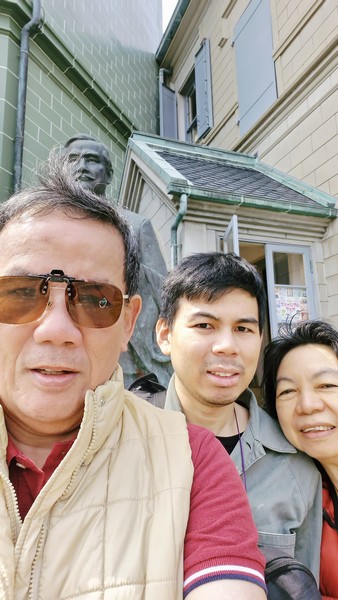
The author, Jandy and Grace

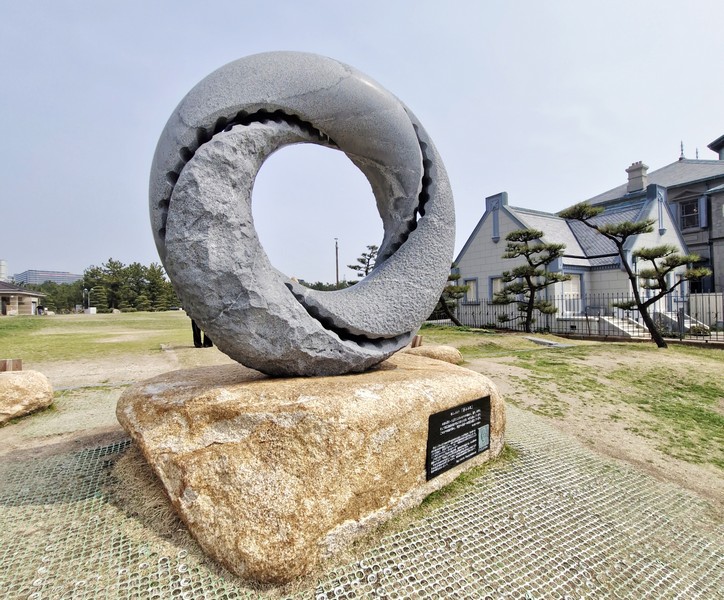
Nearby is monument “Dream Lens,” an iconic photo spot created by a sculptor Keizo Ushio.  It was installed to commemorate the 5th anniversary of the foundation of the Akashi-Kaikyo Bridge, the embodiment of half a century of technology. The Moebius strip, made of rock with three different types of surface, represents people, nature, and science as well as the main island of Japan, Awaji Island, and Shikoku, which are connected by the Akashi-Kaikyo Bridge. These three layers harmonize well, expressing hope for development in the future.

Dream Lens (Keiso Ushio)

Hyogo Prefectural Maiko Park: 4-2051 Higashimaikocho, Tarumi-ku, Kobe, Hyogo 655-0047, Japan.  Tel: +81 78-785-5090.

How to Get There: The closest train stations to Maiko Park and the Akashi Kaikyo Bridge are Maiko Station on the JR Sanyo Line and Maikokoen Station on the Sanyo Electric Railway, both just a few hundred meters from the park. The journey is 35 to 45 minutes from Himeji, or 25 minutes from Sannomiya Station in Kobe.

Meriken Park (Kobe, Japan)

Meriken Park

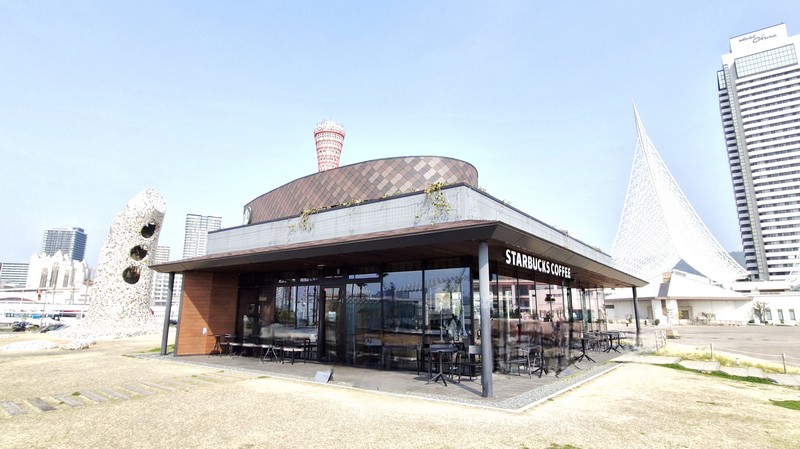
Our third whole day in Japan was spent on a day tour of Kobe which was just a 37.1-km. (40-min. drive) from Osaka.  Our first stopover was at Meriken Park, a nice waterfront park located in Kobe’s port area.  The park’s name was derived from the word “American,” which was commonly translated as “Meriken” during the Meiji era. Upon arrival, we first had breakfast at a stylish, 2-storey Starbucks outlet, with its ship-inspired design. Opened in 2017, it featured hishibuki (traditional diamond-patterned metal plates meant to evoke the feeling of a ship’s cabin) and offered stunning waterfront views of Kobe Harbor from its large glass walls and second floor outdoor balcony.

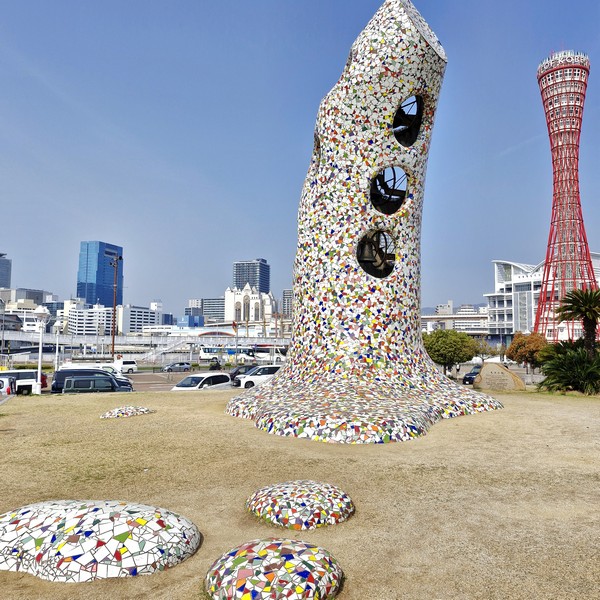
Beside the Starbucks store is the Bell of Hortensia, a colorful, modern mosaic sculpture. Installed on June 19, 1990, it represents the Hydrangea macrophylla, Kobe’s official flower.  It was established to commemorate the opening of the first Kobe Fashion Festival in November 1989, which was part of the World Fashion Festival ’89. When it was first installed at the “symbol monument of the fashion city of Kobe,” the bell was rung but, after the Great Hanshin earthquake, which devastated the park, it has not been rung.

Bell of Hortensia
Kobe Maritime Museum

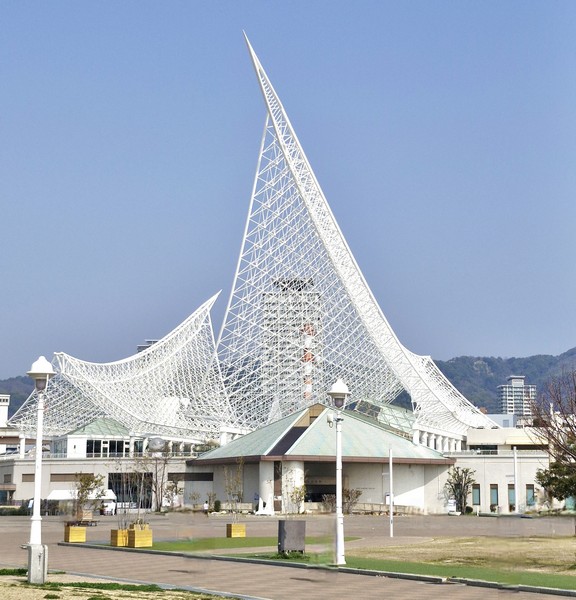
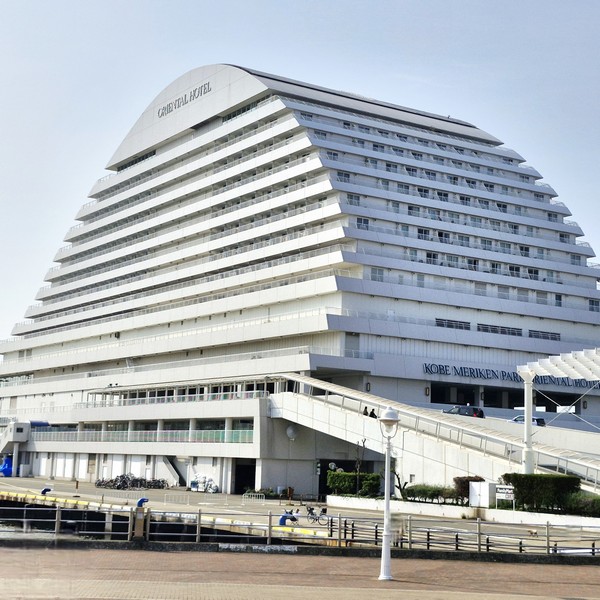
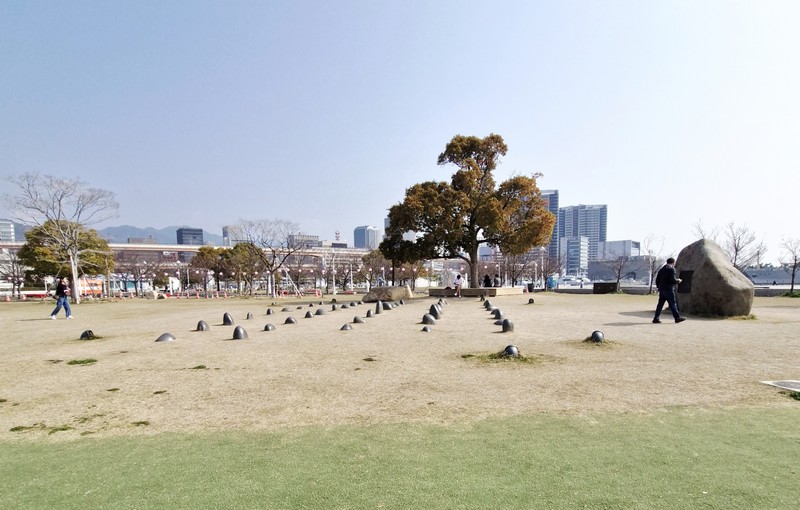
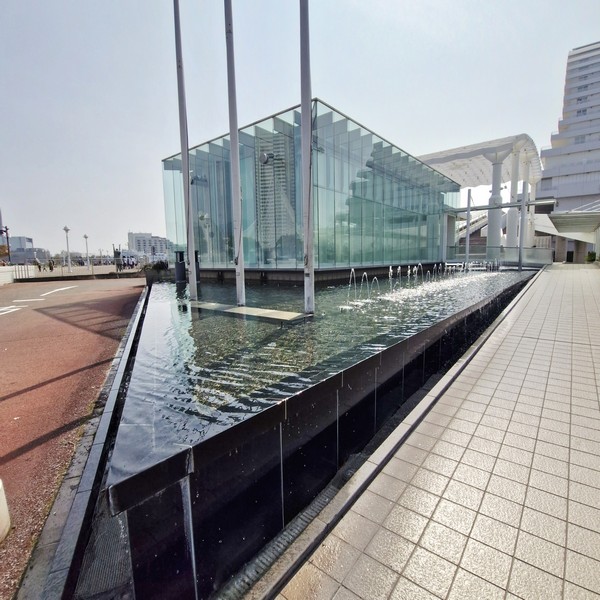
Built on an outcropping of reclaimed land, this waterfront park, a popular spot for locals and tourists, is covered in grassy lawn and open courtyards and is dotted with a collection of modern art installations and fountains. Meriken Park, the location of the Hotel Okura Kobe, Sannomiya Ferry Terminal (where the Jumbo Ferry, connecting Kobe, Shodoshima, and Takamatsu, and the Miyazaki Car Ferry, departs and arrives) and the wave-shaped Kobe Meriken Park Oriental Hotel, is home to some of the city’s more iconic contemporary architecture such as the red Kobe Port Tower and Kobe Maritime Museum.

Kobe Meriken Park Oriental Hotel

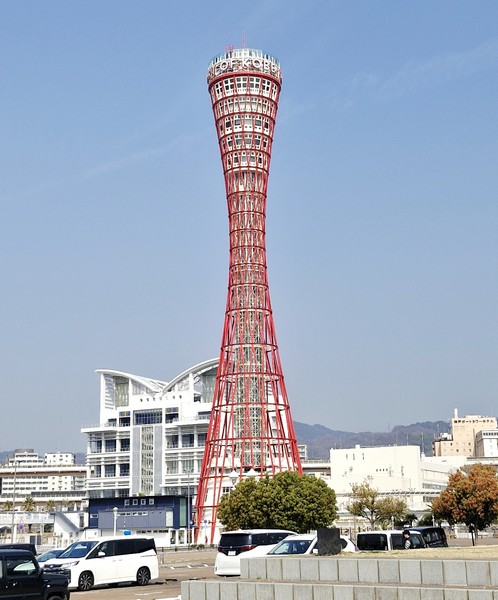
To the west of the Maritime Museum stands the 108 m. (354 ft.) high Kobe Port Tower, a unique, red-painted steel structure completed in 1963, was designed by the Nikken Sekkei Company to look like a tsuzumi, a Japanese drum. A symbol of the port and the city, it is the first tower built using a pipe lattice.  The tower has a total of 8 layers and is surrounded by 32 red steel staves as a symbol of welcome for vessels returning to the shore. It has five observation decks, approximately 100 m. above ground, including an open-air rooftop deck and a revolving cafe and bar.

Port of Kobe Tower

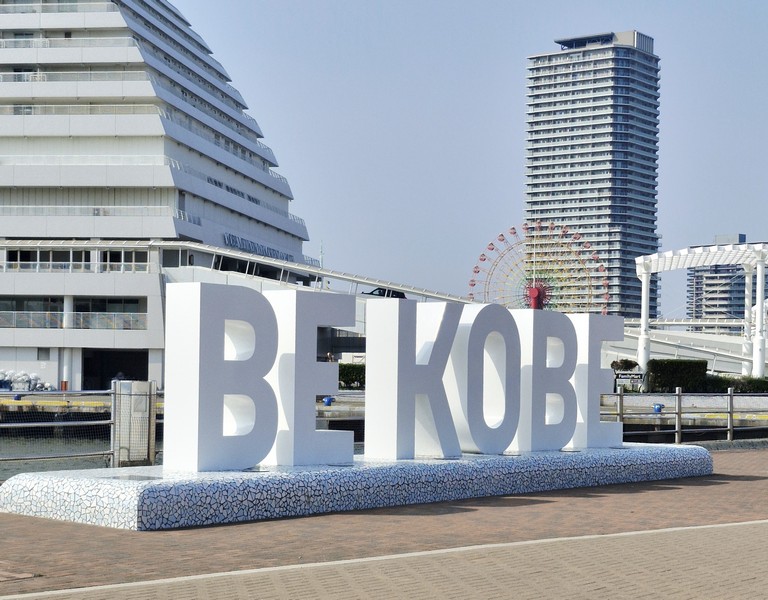
The “Be Kobe” Monument, installed in 2017 to commemorate the 150th anniversary of the opening of Kobe Port, is a popular photo spot.  The phrase “Be Kobe,” introduce in 2015 (the 20th anniversary of the Great Hanshin earthquake), is a civic pride message that expresses the idea that the chrm of Kobe lies in its people, inspired by those who work hard for the city’s recovery.

Be Kobe Sign

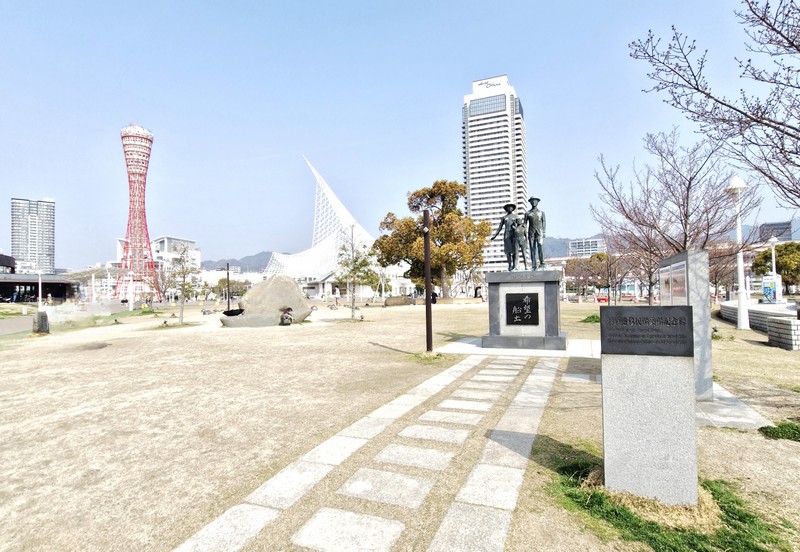
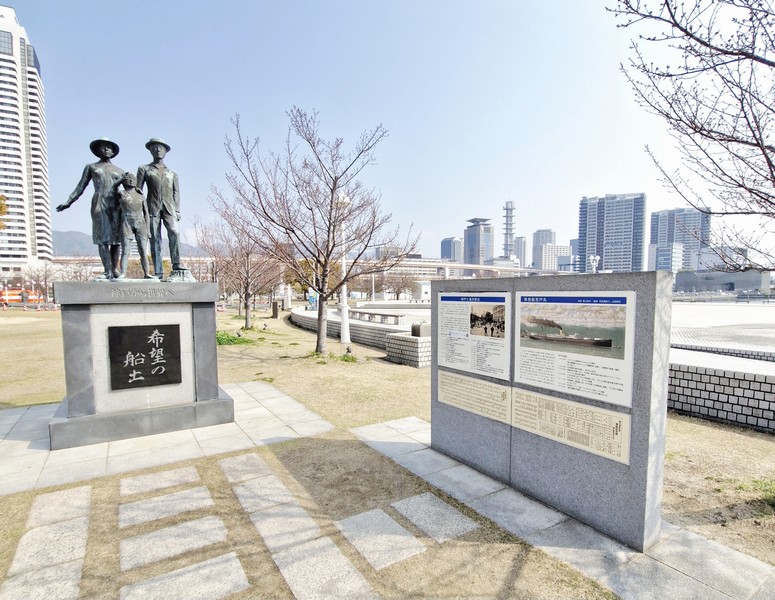
Kobe Port was once Japan’s most important departure point for overseas immigrants and the famous Kobe Port Emigrants Memorial Statue (also known as “Set Sail for Hope” or “Memorial Statue of Emigrants Boarding the Emigrant Ship”) honors the thousands of Japanese citizens who emigrated from Kobe Port, for new lives abroad, particularly to Brazil, in the early 20th century.

Kobe Port Emigrants Memorial Statue

Erected in 2001, it also serves as a reminder of the “National Kobe Emigrant Camp” history, where families awaited ships to travel abroad.  This bronze monument, erected in 2001, features a family (two adults and a child gazing out at the sea), symbolizing the departure.  The main statue is titled “Hope’s Departure.” The statue is seen as a bridge connecting Japan and the destination countries of immigrants, symbolizing international exchange and pioneering spirit.

Meriken Theatre Monument

The unique Meriken Theatre Monument, erected in 1987, commemorates Kobe as the location of the first public movie screening in Japan.  A popular photo spot, it was designed to look like a cinema screen and theatre seats. 

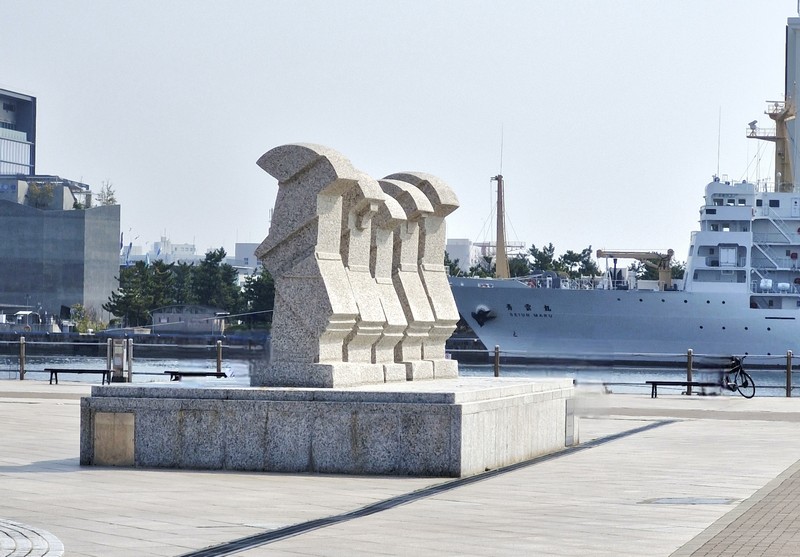
Kobe Kaientai Monument

The Kobe Kaientai Monument, a notable abstract sculpture, commemorates the Kobe Kaientai, a historical naval group active at the end of the Edo Period.

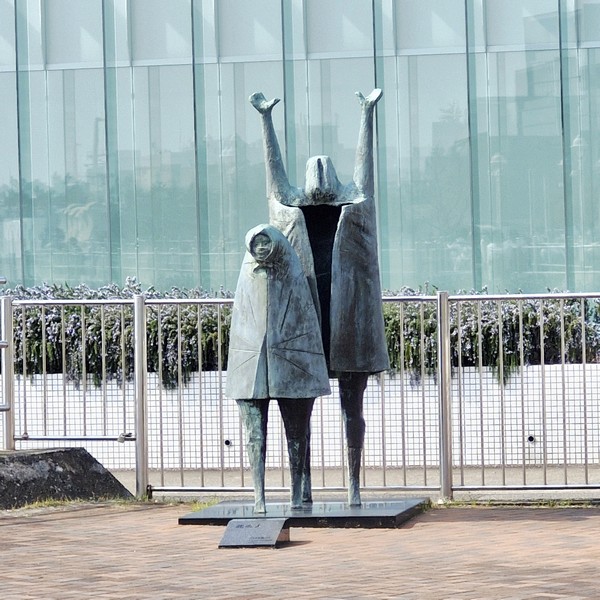
Save Northern People (Kaneichi Futakuchi)

“Save Northern People,” a notable abstract, human-shaped bronze sculpture created by sculptor Kaneichi Futakuchi, was a winner of the Port of Kobe Anniversary Commemorative Award.  It is often interpreted as a tribute to those who left Kobe in search of a better life far away.

Sannomiya Ferry Terminal
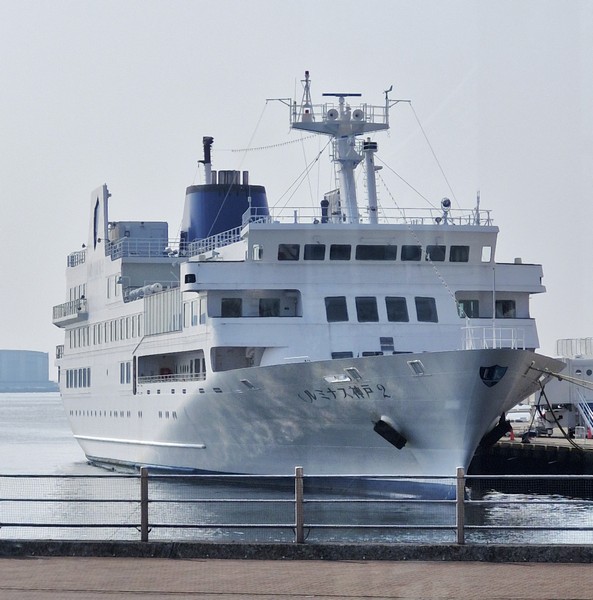
A ship docked at the harbor

Meriken Park: 2 Hatobacho, Chuo-ku, Kobe-shi, Hyogo-ken, 650-0042.

How to Get There: Meriken Park is about a 10-minute walk south of Motomachi Station, on the JR Kobe Line, or just across the sightseeing cruise terminal from Kobe Harborland.

Dotonbori District (Osaka, Japan)

Dotonbori District

The 4-star Candeo Hotels Osaka Shinsaibashi, the hotel that we stayed in, happened to be just 250 m. from Dōtonbori District, the vibrant, popular, neon-lit entertainment and dining district of Osaka for visitors to the city, boasting of a number of well-known restaurants offering a range of traditional and modern Japanese dishes.  Known as one of Osaka’s principal tourist and nightlife areas, the area runs along the Dōtonbori Canal, from Dōtonboribashi Bridge to Nipponbashi Bridge in the Namba district of the city’s Chūō Ward.

Check out “Hotel and Inn Review:  Candeo Hotels Osaka Shinsaibashi

Shinsaibashi Shopping Mall

Dōtonbori traces its history back to 1612, when merchant Nariyasu Dōton, the administrator of local canals, joined by Yasui Jihē, Yasui Kuhē, and Hirano Tōjirō, began construction of the canal on the southern edge of Osaka, aiming to increase commerce by widening the river.

View towards Shinsaibashi Shopping Mall

To get there, we passed through the huge tunnel of the Shinsaibashi shopping mall. We then proceeded to the main gathering spot, often called “Hina-dan,” which offers the best views of the iconic signs. Here, we encountered Kim Jong Un lookalike Howard X (Howard (X) Lee), a well-known professional Australian-Chinese impersonator and political activist.  Considered the world’s first professional Kim Jong Un impersonator, he is frequently spotted in Dotonbori and other Japan locations, holding a toy missile and attracting large crowds.

Kim Jong Un impersonator Howard X

When taking photos with crowds, he often appears in costume and is sometimes paired with Donald Trump impersonators, notably around major events like the 2019 G20 Summit in Osaka. Creating satirical scenes to promote democracy, his appearance sometimes leads to deportation or detention due to political sensitivities. To provoke reactions from North Korean delegations beyond Japan, he has appeared at the PyeongChang Olympics and the Paris Olympics and has a significant presence on social media platforms such as Instagram. 

View from Midosuji Avenue

Evenings are the best times to experience the dazzling, futuristic neon cityscape reflected on the canal.  Here, you can also take a Dotonbori Canal Cruise or city cruise, to see the neon lights from the water, or visit the massive Don Quijote store by the canal.  Though now mostly a dining and nightlife area, the Theater District is historically known as a hub for Kabuki and Bunraku puppet theaters. 

Dotonbori Canal

Centered along the Dotonbori Canal, Dōtonbori (bori from hori, meaning “canal”) is famous for its eccentric atmosphere and extravagant signage (including the iconic Glico Running Man Sign and the massive. 6.5 m. long moving crab sign at Kani Dōraku) and is a top tourist spot for nightlife, shopping, popular spots including Ichiran, and various street food stalls selling takoyaki (octopus balls), kitsune udon and ramen. 

Check out the “Glico Running Man Sign

The author and Grace with the Glico Running Man Sign in the background

Dotonbori is considered as the city’s food capital or kuidaore, a Japanese word meaning to “ruin oneself or go bankrupt by extravagant spending on food” or, more pithily, “eat until you drop.” It is part of a larger proverb: “Ruin yourself with fashions in Kyoto, ruin yourself with meals in Osaka,” reflecting local priorities (and artistry) in the clothing and food of Kyoto and Osaka, respectively.  This phrase, associated with Dōtonbori, is often used in tourist guides and advertisements.

Rows of restaurants at Dotonbori District

On our first night in Osaka, we decided to dine at Botejyu (founded in 1946), located at the second floor of the Comrade Doton Building.   We waited in line for several minutes before finally being seated.  The menu and ordering are accessed on your smartphone via a QR code. 

Botejyu Restaurant

Here, we tried out, among other dishes, the okonomiyaki, a savory Japanese pancake consisting of wheat flour batter and other ingredients (shredded cabbage, eggs, meat, etc.). This specialty’s classic mayonnaise ingredient was developed by Botejyu. 

Ganko Sushi

On another evening, we tried out Ganko Sushi (since 1963) and Torikizoku (a popular, affordable yakitori chain. The latter is located at the Kuidaore Building, in front of which is Kuidaore Taro (also known as the Kuidaore Ningyo), a mechanical drum-playing clown, installed in 1950 as a mascot for the now closed Kuidaore Taro Restaurant which moved to a new location slightly east of his old haunt. Every March the visiting rikishi for the Osaka Grand Sumo tournament used to line up with Kuidaore Taro for photos.

L-R: Jandy, Miguel, Matthew, Nenette, Mark, the author and Grace at Torikizoku Restaurant
The mechanical, drum playing clown Kuidaore Taro

How to Get There: Located in the Minami district, Dotonbori, adjacent to the Shinsaibashi-suji shopping street, is easily accessible near Namba Station.
Glico Running Man Sign (Osaka, Japan)

They say that any visit to Osaka is never complete without a photo-op with the Glico Running Man Sign, one of the most well-known and recognized landmarks in Osaka, in the background.  This iconic, huge, brightly lit neon/LED billboard, located in Osaka’s Dotonbori district, has glowed over the Dotombori Canal in Osaka‘s premier shopping and entertainment district for more than 90 years now. 

Check out “Dotonbori District

Glico Running Man Sign

It shows a runner, against a blue track with Osaka landmarks, reportedly inspired, in part, by the winning form of Fortunato Catalon, an early 20th century Filipino champion sprinter, from Tolosa, Leyte, known in the 1910s and 1920s, as “Asia’s Fastest Man,” in the 100-yard and 220-yard dashes during the 1917 Far Eastern Games held in Tokyo, as well as Japanese marathoner Shizu Kanaguri. It was first installed in 1935 by Ezaki Glico (manufacturer of one of Asia’s most famous confectioneries) company founder Ri-ichi Ezaki, to represent his energy-boosting caramel Glico candy that, according to lore (the Japanese love a backstory), could give you “enough energy to run 300 meters.” This energy product was created in 1922 by adding glycogen from oysters to the snack and, to this day, this running man has been used as the company’s mascot and logo.

Ezaki Glico’s most popular product is Pocky, confectionery-coated pretzel sticks, which comes in a number of tasty flavors, very popular in Japan and abroad (it is known as Mikado in some parts of the world). Glico’s other confectionery products include Pretz, Caplico, Bisco and Karujaga. Glico also makes ice-cream products and a few processed foods and curry roux blocks.  Glico has a museum, at their Osaka headquarters, featuring all sorts of nostalgic packaging and a collection of the free toys that are given away with each box. Currently on display, part of a special exhibition, is a selection of diorama’s of Dotombori and the Running Man billboard.

The sign, which now serves as a symbol of perseverance, energy, health, victory and the spirit of Osaka, has had several overhauls. Since 1972, the huge neon has shown the Running Man on a running track. In 1998,  some of Osaka‘s best-known landmarks, such as Osaka Castle and the Tsutenkaku Tower, were added to the background.  The previous five versions were all neon. The 2014 LED version follows a similar theme, with the landmarks taking a more dynamic role.

The author

Also, through the years, it has been occasionally altered to support the mighty Hanshin Tigers, Osaka’s baseball team (when Japan hosted the Soccer World Cup), and to celebrate various sporting triumphs or celebratory images, such as in 2020, to celebrate Takuma Sato and his second Indy 500 victory (the sign changed every 15 minutes to an image of Sato performing the “Glico Man Pose”).  The current 6th generation sign, installed in October 2014, is the first to use the new high-resolution LED technology which allows even more special events celebrated via the huge billboard.  It is 20 m. high, 10.38 m. wide and is illuminated from sunset until 12 midnight.

Jandy

A popular meeting place and spot to take photos, here visitors, both local and foreign, often mimic the runner’s pose (arms raised, one leg up). For the best experience, visit during the week or earlier in the day, though the sign is truly spectacular at night when the bridge is jam packed, especially at weekends, with people entering the Dotombori entertainment area.  A central point for shopping and food in Dotonbori, the area around the sign is crowded, with other bright, large signs.

Just east of the Glico Man billboard is Ebisubashi, originally constructed to provide access to the nearby Ebisu Shrine.  The bridge, more practically, provides a link between the Shinsaibashi-suji and Ebisubashi-suji shopping districts.  The bridge is also the location of a legendary curse, on Osaka’s baseball team, the Hanshin Tigers, which was considered broken in 2023.

Ebisubashi also makes for a convenient gathering point, due to the familiarity of the Glico Man, hence its nicknames, nanpa-bashi (mostly used by foreigners) and hikkake-bashi (“the pulling bridge”), mostly used by native Japanese.

Glico Running Man Sign: 1 Chrome-10-4Dotonbori Sistrict, Chuo Ward, 542-0071 Osaka.  Tel: +81 120-917-111.

How to Get There: The sign is located at the South bank of the Dotonbori Canal, near Ebisubashi Bridge.

Mitsutera Temple (Osaka, Japan)

Mitsutera Temple

Japan is known for being a heady mix of the old and new, and this is perhaps best exemplified by the way some of its high-rise blocks are carefully built around, or integrated with, ancient temples.  One such example is the ancient, charming Mitsutera Temple, known affectionately as Mittera-san by local residents.  Located along bustling Midosuji Avenue, a major artery in the center of Osaka, its main hall, dating back to the early 1800s, has been neatly embedded at the base of the large, 15-storey, 180-room Candeo Hotels Osaka Shinsaibashi, in the city’s Chuo Ward. The first few floors are atrium-style to provide ample space for the hall.

Check out “Hotel and Inn Review: Candeo Hotels Osaka Shinsaibashi

Entrance to hotel and temple

Mitsutera Temple, founded in the Nara Period (710-784) by the renowned monk Gyōki (one of 49 temples established by him during this period) to serve as a burial site for Emperor Ojin (Japan’s 15th emperor), on the orders of Japan’s 45th emperor, is a member of the Omuro school of the Shingon sect of Buddhism headquartered at Ninnaji temple in Kyoto. After it burned down in the late Edo Period (1603-1867), the current main hall was rebuilt in 1808 and, in 1945, remarkably survived the Great Osaka Air Raid unlike many other wooden structures in the city.

View of temple from Midosuji’s sidewalk
Temple bell (bonsho or tsurigane)

A decline in parishioner numbers and an increasing demand for simplified funerals have made it difficult for the temple to financially survive.  In a rare partnership and an attempt to pass down the temple to posterity, Mitsutera temple entered into a fixed-term land leasehold agreement, of 50 years, with Candeo Hotels Osaka Shinsaibashi wherein Mitsutera will tap into the rent to cover expenses, such as repairs to the main hall and altar fittings.  The construction project was undertaken jointly by Mitsutera and Tokyo Tatemono Co., a property developer based in Tokyo’s Chuo Ward.

The 11-faced statue of the Kanzeon Bodhisattva

From 2020 to 2023, it was physically merged and incorporated into the hotel, which was built directly above the temple. The entire main hall structure was jacked up and, to facilitate the new construction, relocated within the site and moved in one piece to sit alongside Midosuji’s sidewalk, allowing the tower block to be constructed behind and around it. On November 26, 2023, the temple’s main hall was opened there, creating a unique blend of traditional architecture and modern development.

For the aging temple, this creative solution preserved the history and architecture of this centuries-old temple, allowing hotel guests a special experience of staying almost at a temple, participating in religious practices, including morning prayers, eshakyo (transcription of sutra and Buddha images) and meditation. The main hall is within the first three floors.
Mitsutera Temple houses precious Buddhist statues and paintings that Osaka City designates as cultural properties. Decorated in lacquer, gold leaf, and flower petals, the main hall’s center is dominated by an 11-faced statue of the Kanzeon Bodhisattva, with eight other Buddhist statues (including figures such as the Buddhas Yakushi Nyorai and Kobo Daishi, among others) arrayed to the sides. 

This temple offers a black and white goshuin where you need to trace the lines and words color the picture and write your own wish. After that, they will help to stamp the special ink on the completed goshuin. Today, it is a pleasant experience to stroll in the area as the aroma of incense floats next to the fragrance of perfume from the boutiques of high fashion brands which line Midosuji.
Kannon Sacred Lottery (Omikuji) – fortune-telling paper slips found offering guidance on aspects like love, health, and work

Mitsutera Temple: corner of Midosuji Avenue and Mitsudera-suji Sts., 2 Chome-7-12 Shinsaibashisuji, Chuo Ward, Osaka, 542-0085, Japan. Tel: +81 6-6211-1982.
How to Get There: Mitsutera Temple, located near Shinsaibashi-suji and Dotonbori, conveniently situated within walking distance from both Namba Station and Shinsaibashi stations on the Osaka Metro Midosuji Line.

Nakamise-Dori (Tokyo, Japan)

Nakamise-Dori

After our visit to Senso-ji Temple, we proceeded to the approximately 250 m. (880-ft.) long Nakamise-dōri (仲見世通り), the best place in Tokyo to buy souvenirs.  One of Japan’s oldest streets, this shopping street leads, from the gorgeous Kaminarimon (“Thunder Gate”), to Sensō-ji temple itself.  Items sold here range from outrageously cheesy items to authentic and useful souvenirs.  For centuries, Japanese pilgrims and tourists who visit Sensō-ji every year flock here to shop at its small stores.   This stone-paved pedestrian street, retaining the feeling of old downtown Edo and the cultural florescence of the Meiji era, started during the Genroku and Tempo periods of the Edo era when horse carriage operators were granted the right to set up shops next to the east side of Niomon as compensation for cleaning the temple compound through forced labor.

Shops near the Kaminarimon Gate of Senso-ji Temple

In the early 18th century, Nakamise-dōri (translated as “inside street”) was said to have come about when neighbors of Sensō-ji were granted permission to set up shops on the approach to the temple. However, on May 1885, the government of Tokyo ordered all shop owners to leave but, on December of that same year, the area was reconstructed in Western-style brick. During the 1923 Great Kantō earthquake, many of the shops were destroyed.  In 1925, the shops were rebuilt using concrete, only to be destroyed again during the bombings of World War II.

The surrounding area had around 89 small traditional shops, many of them run by the same family for many generations.  I admired the shutters painted with different seasonal vistas. Stores sold traditional Japanese items such as chopsticks, yukatageta, wooden combs, maneki neko cat statuettes (a traditional good luck charm), hair accessories, elegant fans of all colors and sizes; handmade umbrellas; geta (traditional footwear), masks, folding fans, ukiyo-e (woodblock prints); kimono and other robes; samurai swords; and Buddhist scrolls.  You can also shop here for Godzilla toys, t-shirts and mobile phone straps. The shops at both sides of the last stretch near the temple sell official Senso-ji merchandise – omamori amulets, scrolls, incense to burn at the huge burner in front of the temple’s stairs, books about the temple (in Japanese) and o-mikuji fortunes.


Nakamise-Dori is a good place for visitors to try tabearuki (“walk-and-eat”) and enjoy Japanese street food such as tempting traditional kibi dango (sweet and soft rice cakes in a stick covered with millet flour), oden, (a winter snack), imo yokan (sweet potato jelly), odango (a sweet snack), kaminari okoshi (sweet puff rice crackers), colorful candies sold in beautiful traditional patterned cases; ningyo yaki (little sponge cakes filled with red bean paste and shaped like dolls, birds and the famous Kaminarimon, Asakusa’s symbolic lantern), deep-fried manju (a bun stuffed with red-bean paste), kibidango (a millet dumpling), freshly toasted sembei crackers, juicy fried meat croquettes, sweet melon pan bread, cooling matcha green tea ice cream and other green tea-flavored treats.

Trying out vanilla ice cream in a melonpan at Asakusa Sakura

Vanilla ice cream in a melonpan bun

There are also eating places that feature traditional dishes (hand-made noodles, sushi, tempura, etc.). For lunch, we dined at Tatsumiya Restaurant. Here, we were seated in a traditional Japanese setting – no shoes and on low tables with mats.

Check out “Restaurant Review: Tatsumiya Asakusa

Dining, Japanese style, at Tatsumiya Restaurant

During the holidays, the arcade is decorated with seasonal trappings – silk plum blossoms and kites during New Year’s Day, bright foliage during fall and cherry blossoms in spring. Running perpendicular to Nakamise-Dori is Shin-Nakamise (“New Nakamise”), a covered shopping arcade lined by various shops and restaurants.

Shin-Nakamise (New Nakamise)

Nakamise-Dori: 1 Asakusa, Taitō-ku, Tokyo, Japan. Open daily, typically from 10 AM to 7 PM but hours depend on the individual shops.

How to Get There: Nakamise-Dori, a 2 minute walk from Asakusa Station, is served by the Tokyo Metro Ginza Line, Toei Asakusa Line and Tobu railway lines. It is also a 10-min. walk from Tawaramachi Station on the Ginza Line. Take A3~A5 exit for Nakamise. This shopping street is traditionally approached via the Thunder Gate.


Asakusa Shrine (Tokyo, Japan)

Torii (Japanese gate) leading to Akasusa Shrine

The Asakusa Shrine (浅草神社 Asakusa-jinja), one of the most famous Shinto shrines in the city, is also known as Sansha-sama (Shrine of the Three gods, san means “three” and sama means “shrine”). The shrine. popular among the public, stands only a few dozen meters to the left of the main hall on the east side of Sensō-ji Temple, down a street marked by a large stone torii.

Akasusa Shrine

Part of a larger grouping of sacred buildings in the area, the shrine honors the three men who founded the Sensō-ji. According to legend, on May 17, 628, two fishermen brothers, named Hinokuma Hamanari and Hinokuma Takenari, picked up a bosatsu Kannon statuette of Sensoji Temple caught in a fishing-net in the Sumida River.  Hajino Nakatomo, the third man, was a wealthy landlord who, upon hearing about the discovery, approached the brothers.

Shrine Pavilion

He delivered an impassioned sermon about the Buddha to the brothers who were very impressed and subsequently converted to the Buddhist religion and devoted their lives to preaching the way of Buddhism. Nakatomo consecrated the Kannon statue in a small temple. These three men are worshiped here as Sanja Gongen.

The shrine, commissioned by Tokugawa Iemitsu, the third shogun of the Tokugawa dynasty, was built in 1649 during the Edo Period.  It was integrated with Sensoji Temple until the Edo period.  However, when the Gods and Buddha separation ordinance was promulgated in the Meiji period, it was separated from Sensoji and renamed Asakusa Shrine. Its beautiful, vermillon-lacquered shrine pavilion was built in the same style as the Nikko Toshogu, in the gongen-zukuri style of Shinto architecture.

Statue of Lion-Dog (Kumainu)

Unlike many other structures in the area, including the Sensō-ji Temple, the shrine, along with the Nitenmon Gate, where the only two buildings in the area to survived the  World War II Tokyo air raids of 1945.  In 1951, because of this rich and long history, both were designated as an Important Cultural Property by the Japanese Government.

Nitenmon Gate

The Niten-mon Gate, located to the east of the main hall and to the right of Asakusa Shrine, was erected in 1618 (the current gate was said to have been rebuilt in 1649) as a shrine gate, with statues of Toyoiwamado no Mikoto and Kushiiwamado no Mikoto placed on either side.

Ablution Fountain

The gate was left standing after the deity enshrined in Toshogu was moved to Koyozan, inside of Edo Castle. After the separation of the Buddhist and Shinto religions during the Meiji Restoration, Shinto deities were removed to Asakusa Shrine. In their place, a statue of Tatenmon was enshrined, but this has subsequently been lost. This massive, 8.13 m. wide (at the beam) structure has 8 pillars and was built in the mitsumune zukuri style with a tiled roof in built in the kiritzuma zukuri style.

Prayer Wall

The shrine‘s annual,  popular Sanja Matsuri festival, one of the Three Great Festivals of Edo (the old name of Tokyo), is held in late spring for 3 days (Friday to Sunday) every third weekend of May. which takes place over 3–4 days .  During the festival, the surrounding streets are closed to traffic, from dawn until late evening.  Well known for the “soul swing,” the festival vividly demonstrates the traditional Edo style, depicted in the old saying “fights and fireworks are Edo’s flowers.” During the festival, portable shrines called mikoshi are wildly swung around in a wild parade, reaching a climax when three mikoshi called ichi-no-miya, ni-no-miya and san-no-miya leave and return to Asakusa Shrine.  The procession includes 120 mikoshi from a total of 44 parishioner associations affiliated with Asakusa Shrine, making it Tokyo’s most spectacular festival.

A mikoshi (portable shrine) on display at Asakusa Station

Asakusa Shrine: 2-26-1, AsakusaTaitō-ku, Tokyo 111-0032, Japan. Tel: 03-3844-1575.  Website: www.asakusajinja.jp/english/

How to Get There:  The shrine is a 7-min. walk from Asakusa Station (Toei Asakusa Line, Tokyo Metro Ginza Line, Tobu Isesaki Line, Tsukuba Express.