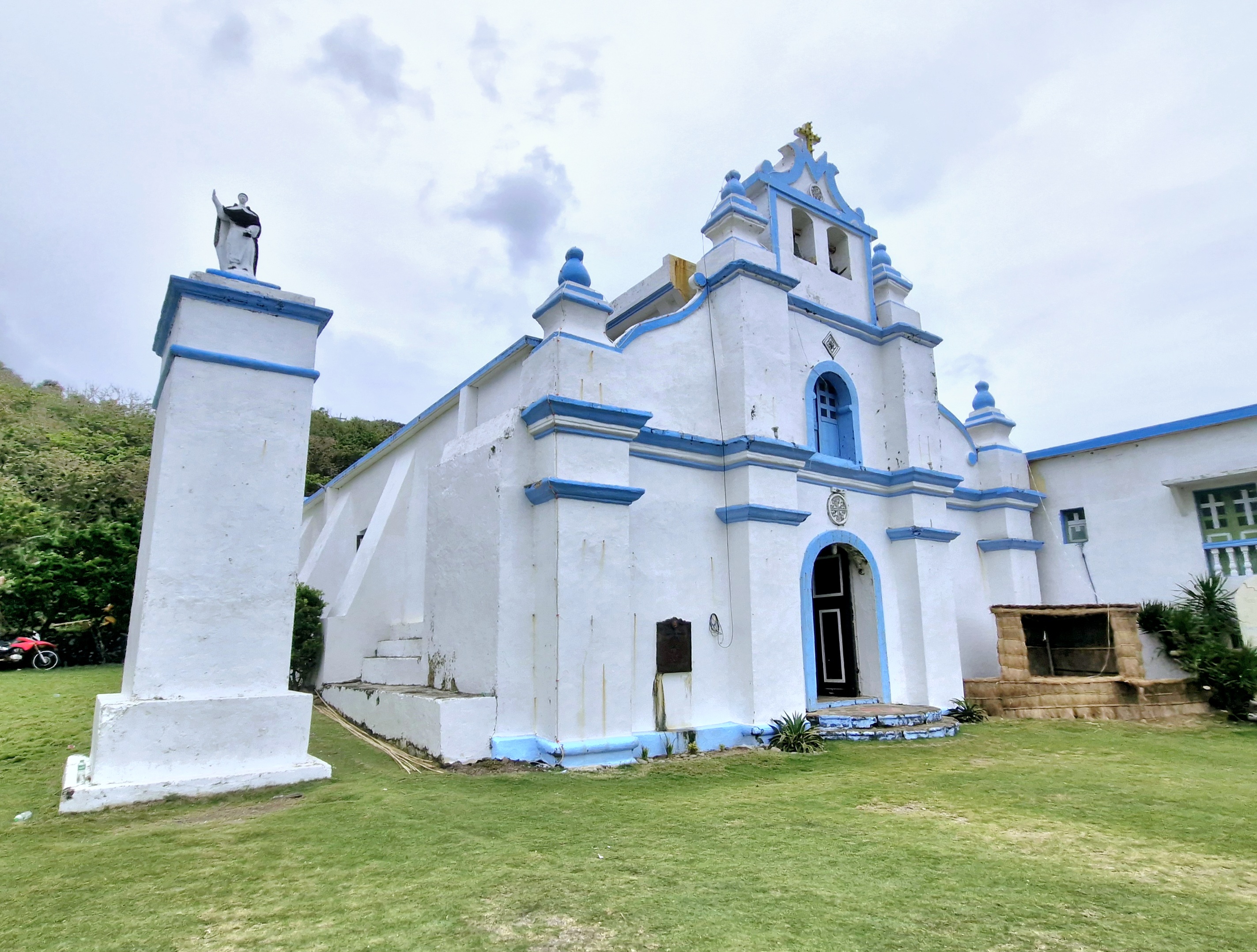
Church of St. Vincent Ferrer (Sabtang, Batanes)

Church of St. Vincent Ferrer

After our tour of Chavayan Village, we again boarded our van for 8.5-km. (20-min.) drive back to the población to visit the Spanish-era Church of St. Vincent Ferrer.  This church started as a small chapel in 1785.  In 1844, it was rebuilt in lime and stone by Dominican Fr. Antonio Vicente, OP.

Check out “Chavayan Village”
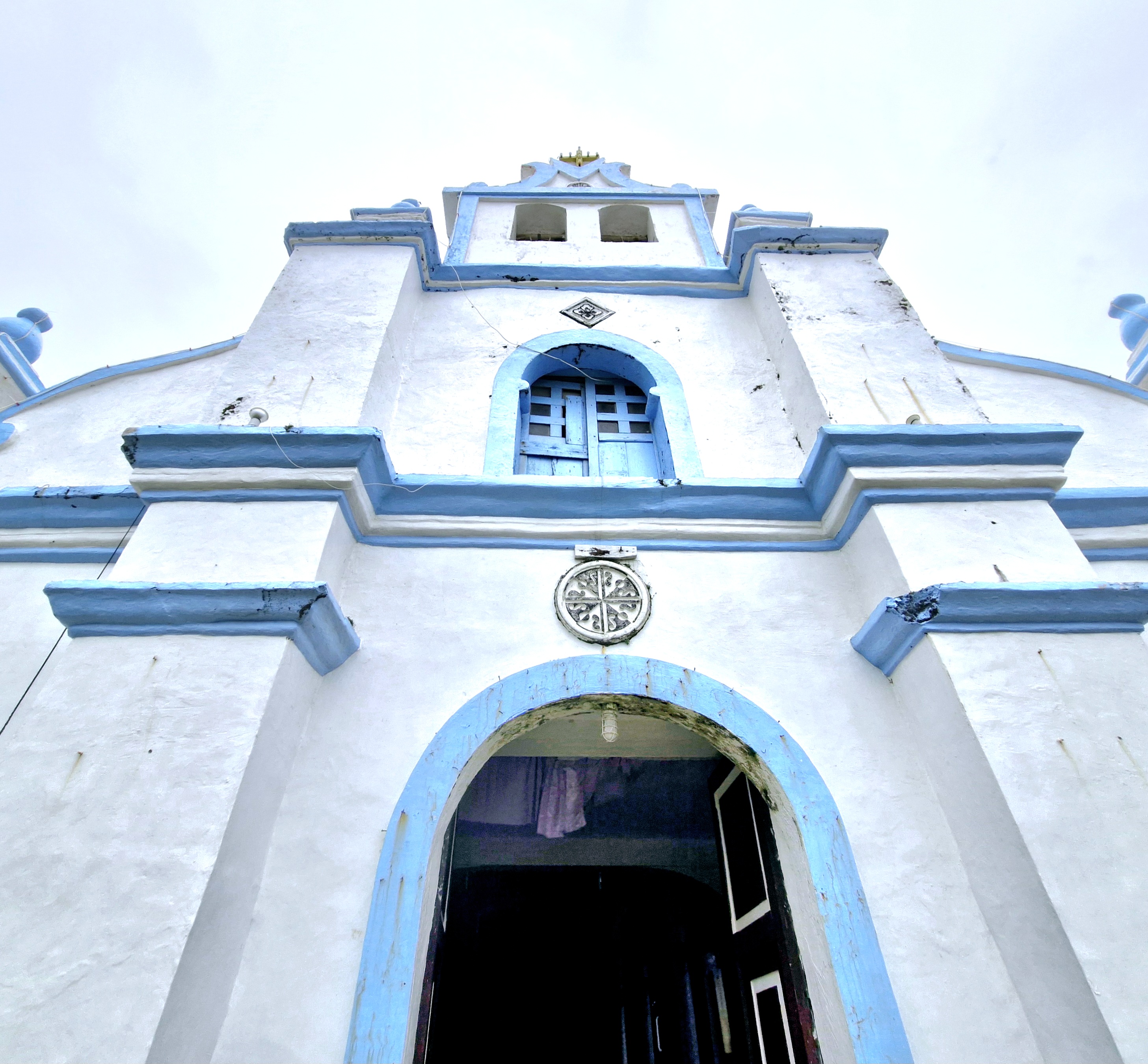
The church’s Baroque façade

In October 1956, after damage by a typhoon, Fr. Gumersindo Hernandez, OP, repaired the campanille and, from 1983 to 1984, Fr. Rafael Carpintero, OP, repaired the interior and replaced the cogon roofing with galvanized iron.
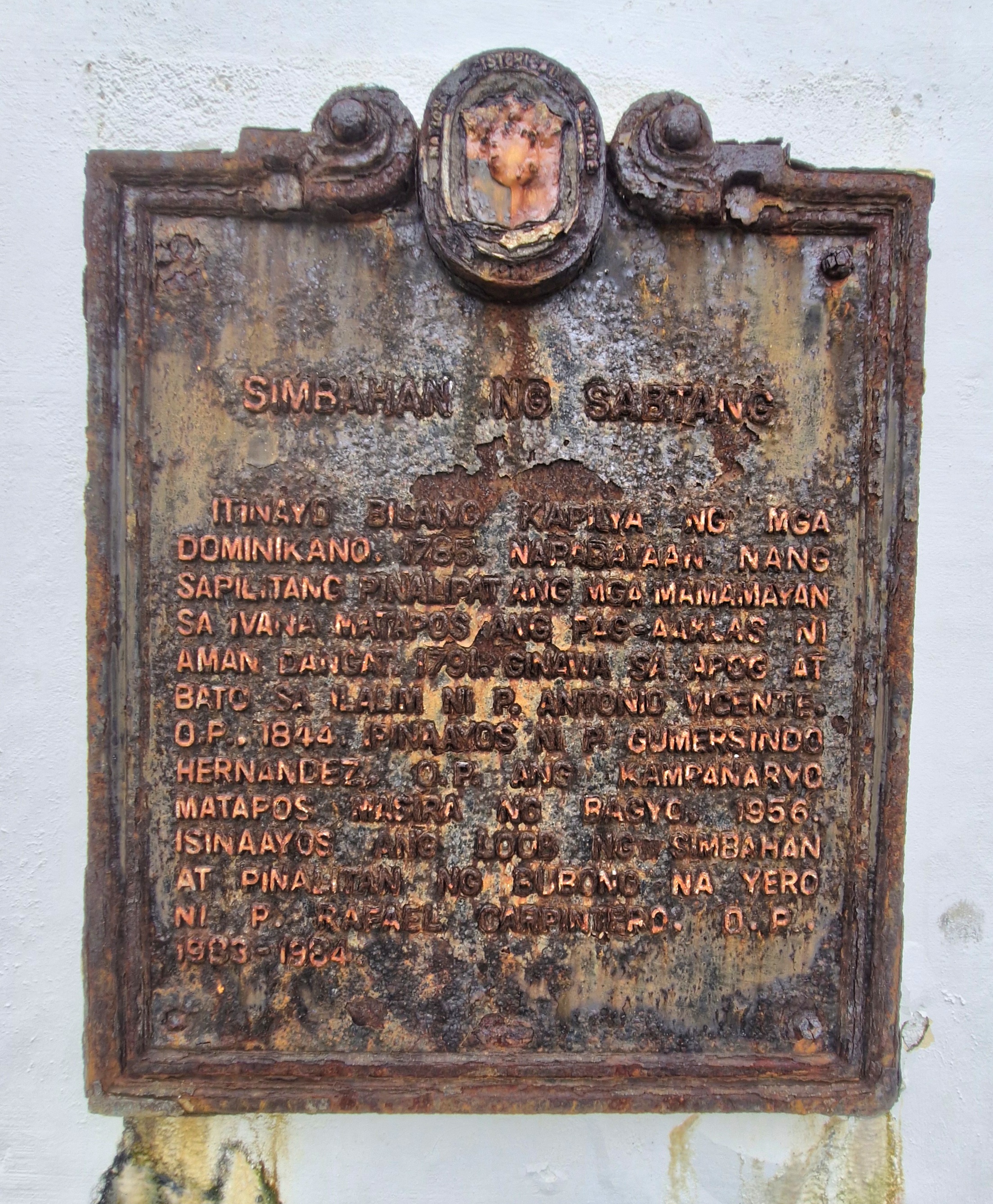
Historical plaque

In 2008, the church, convent and beaterio complex were declared as a National Historical Landmark by the National Historical Commission of the Philippines.
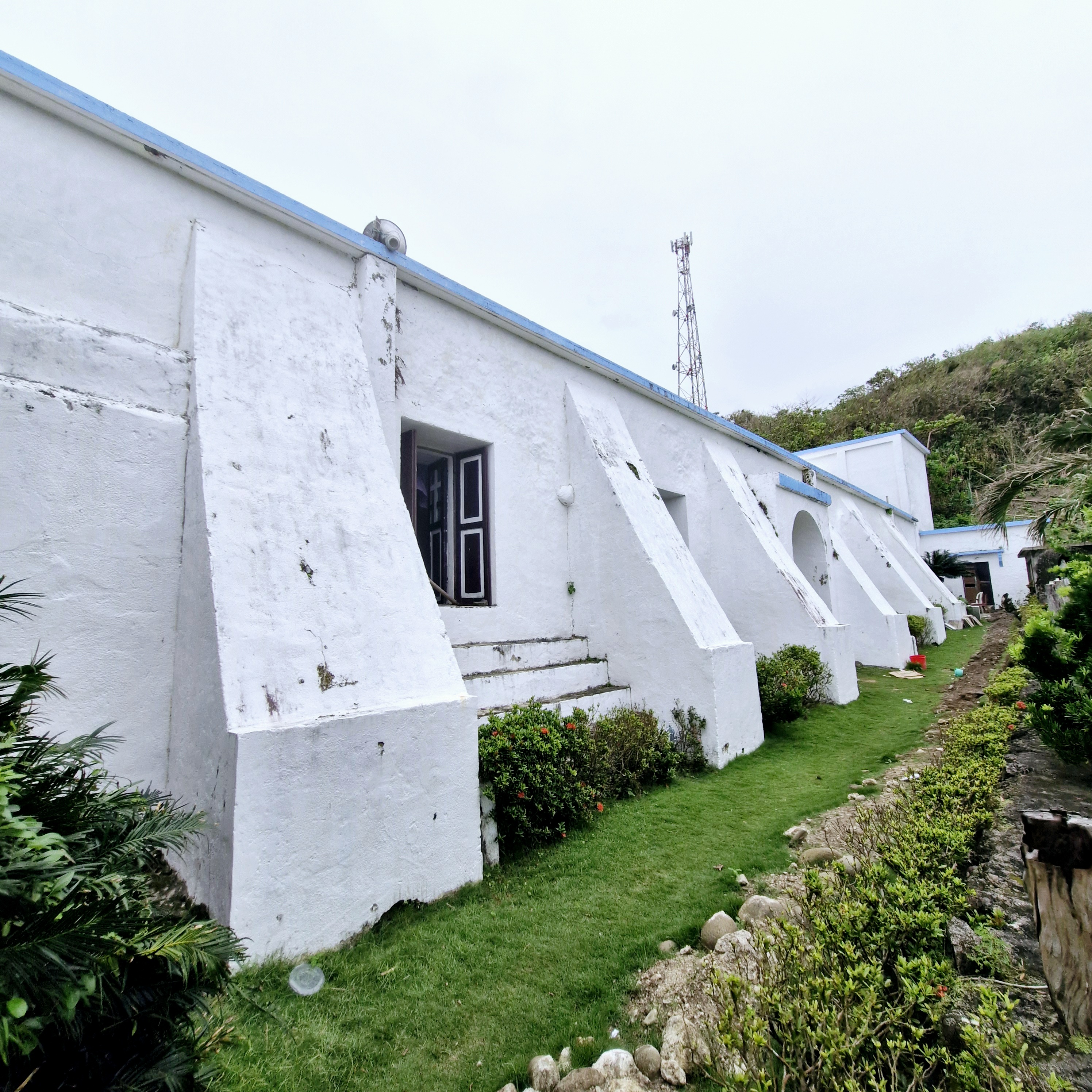
The massive buttresses at the sides

Like the Basco Cathedral and the Church of St. Charles Borromeo in Mahatao, this church has an espadaña-style facade, with two round arches for its two bells on the upper portion of the Baroque façade.

Check out “Cathedral of the Immaculate Conception” and “Church of St. Charles Borromeo”
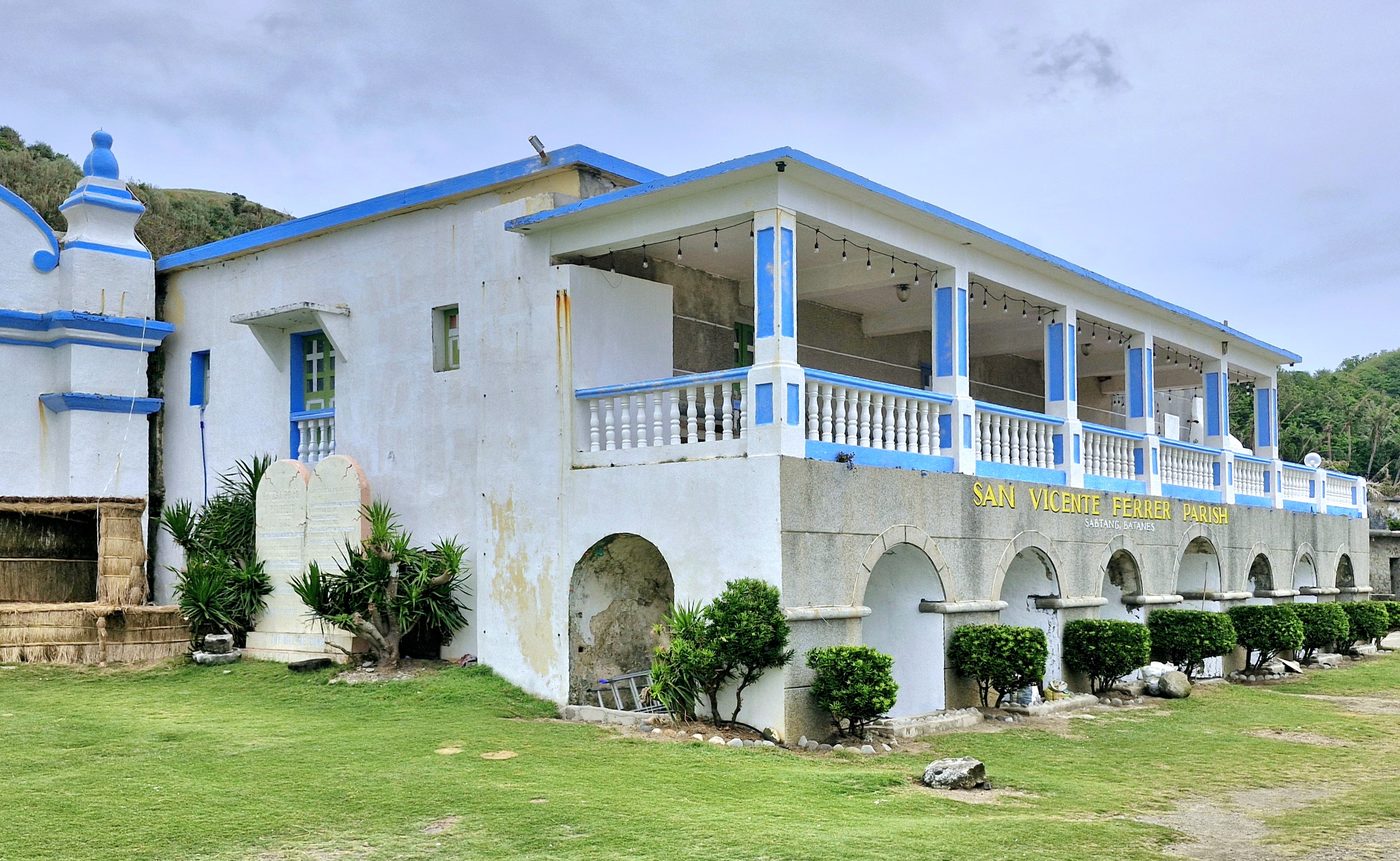
The church convent

Four massive and broad pilasters, topped by heavy set, urn-like finials, flank the semicircular arched main entrance, at the first level, and the semicircular arched window at the second level.
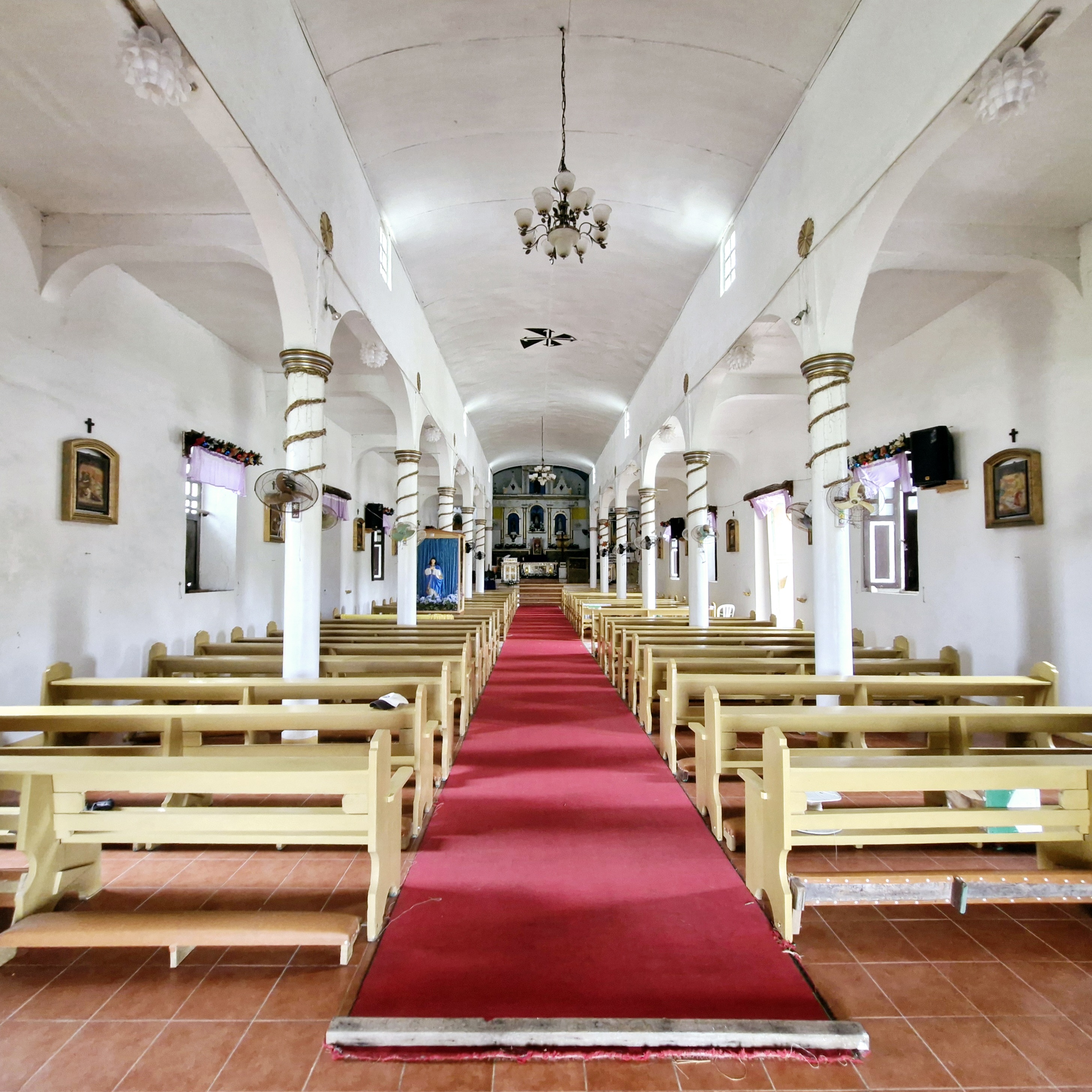
The church’s interior

The thick walls enclosing the nave, made with stone and lime, are supported by buttresses while, at the back, four round pillars support the choir loft (below which is the baptistery).  A pedestal, with a stone statue of St. Vincent Ferrer, stands a short distance to the right of the church.
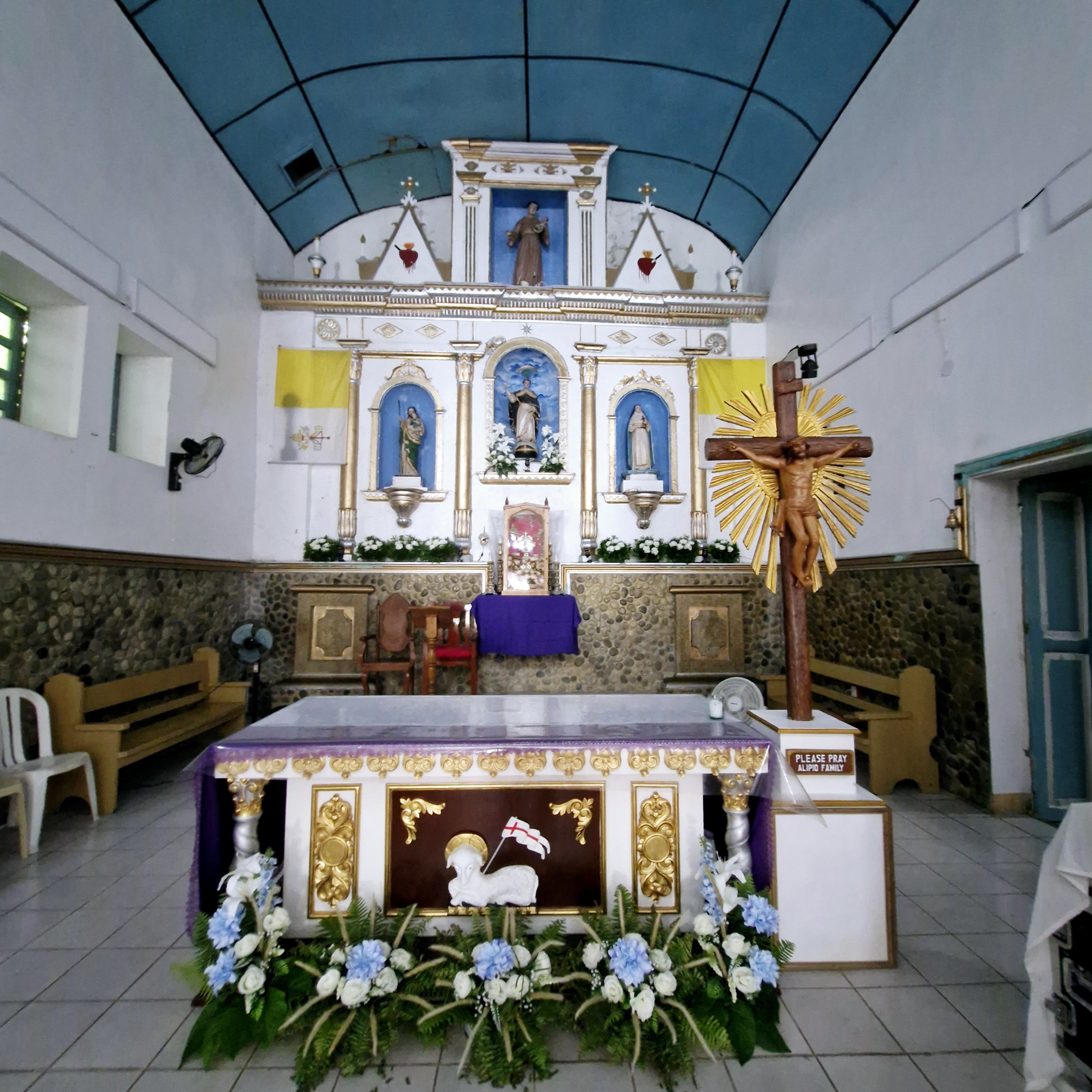
The main altar

Inside the church is the original Baroque retablo, with niches for statues of saints, above the high altar.  Made with polychrome and gilded woodwork, it was restored by Fr. Carpintero during the 1983 to 1984 renovation.
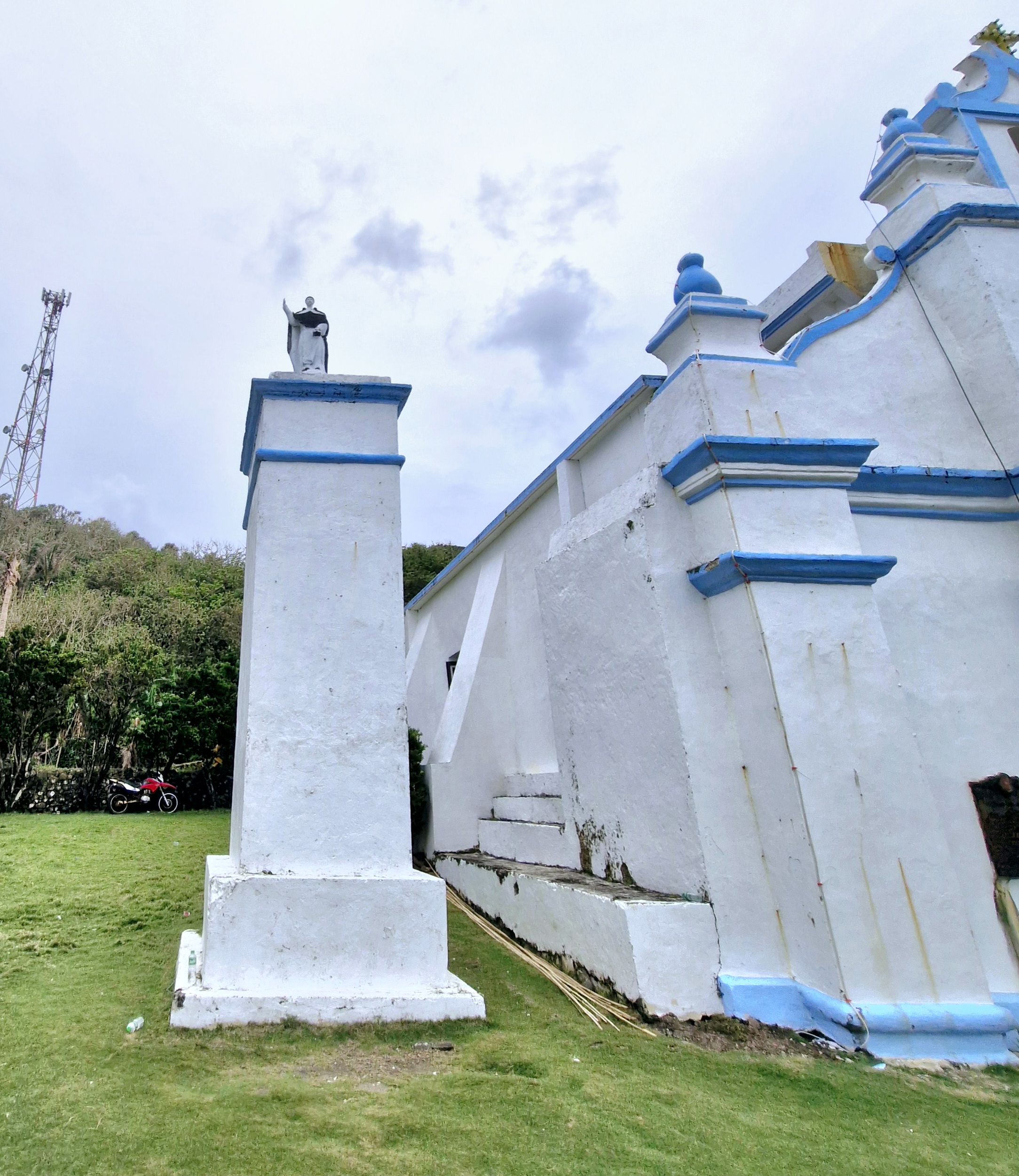
Stone statue, of St. Vincent Ferrer, on a pedestal

Church of St. Vincent Ferrer: Brgy. Malakdang (Poblacion) Sabtang, 3904 Batanes.  Mobile number: (0929) 110-2401. Feast of St. Vincent Ferrer: April 27.

How to Get There: There are scheduled 30 to 45-minute early morning boat trips by falowa (round-bottomed boat) from Ivana’s Radiwan Port to Sabtang. The church is located close to the port.

Sabtang Tourist Information Center: Brgy. Sinakan, 3904 Sabtang.  Mobile number: (0929) 226-8055.  E-mail: tourismsabtang@gmail.com.

Provincial Heritage and Tourism Office (PHTO): Mobile number: (0929) 230-5934. Website: www.breathtakingbatanes.com.
Chavayan Village (Sabtang, Batanes)

Chavayan Village

From Chamanatad-Tinan Viewpoint, it was just a short 1.1-km. drive, along a winding road, to the old, charming village of Chavayan.  The one of the smallest villages in Sabtang and the southernmost community in the province, it is situated between the mountains and the sea, facing the northern tip of Luzon Island. Here, you can find glimpses of the Ivatan way of life, now being threatened by our ever-changing world. Farming and fishing are the primary source of livelihood for the locals. The word chavayan was derived from the word cha (meaning “bountiful”) and vay, the arrowroot plant.

Check out “Chamanatad-Tinan Viewpoint”

Jandy, Grace and the author at the entrance to the village
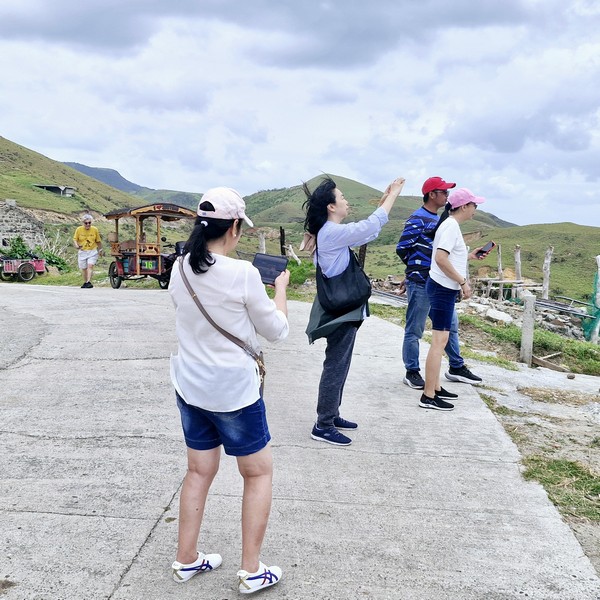
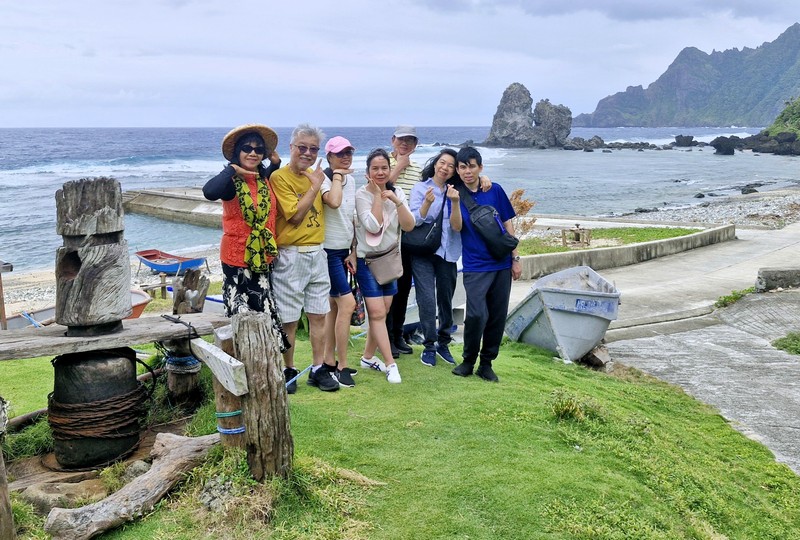
L-R: Gelyn, Jun, Lorraine, Lourdes, the author, Grace and Jandy. On the left is a now unused boat winch

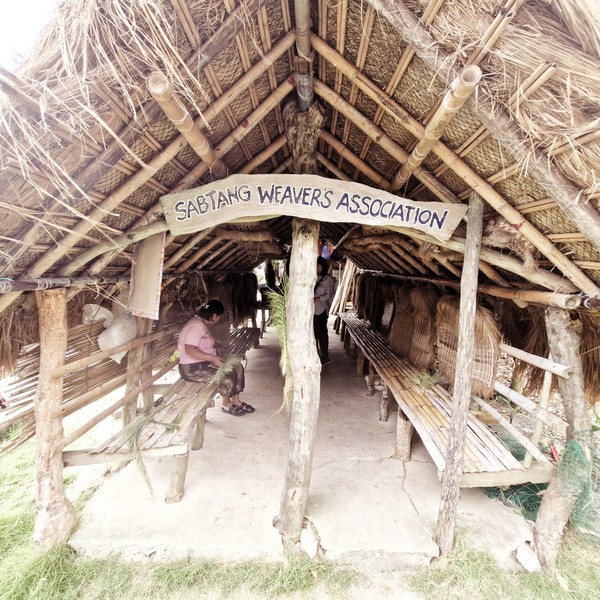
The iconic “welcome rotunda,” at the asdepen (or asdepan, meaning “entrance) signaled our arrival at the village. To its right is a small hut that serves as the shelter for the Sabtang Weavers Association, the most prominent feature of the village.

Sabtang Weavers Association

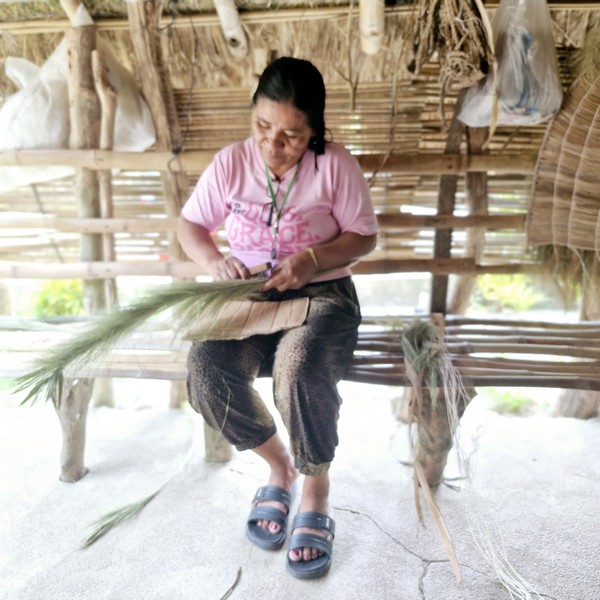
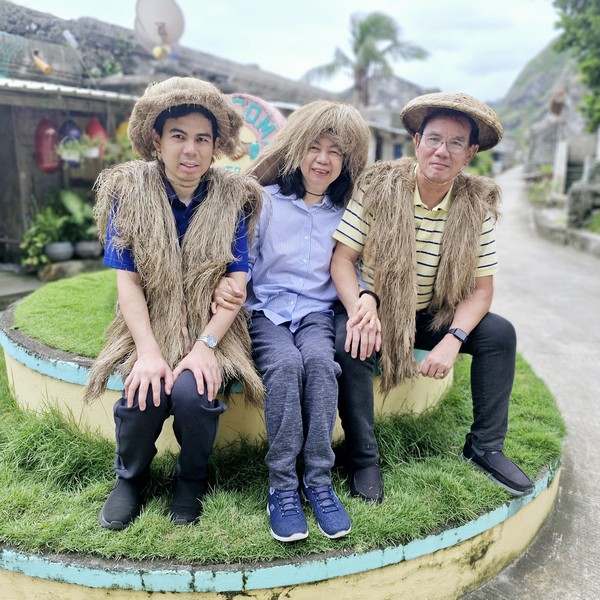
Here, we watched old womenfolk traditionally weaving unique souvenir items such as the soot, an Ivatan cape carefully made from finely stripped and dried banana or voyavoy palm leaves, which serves as protection from the scorching heat of the sun or the wind and rain.

Woman weaving a vakul

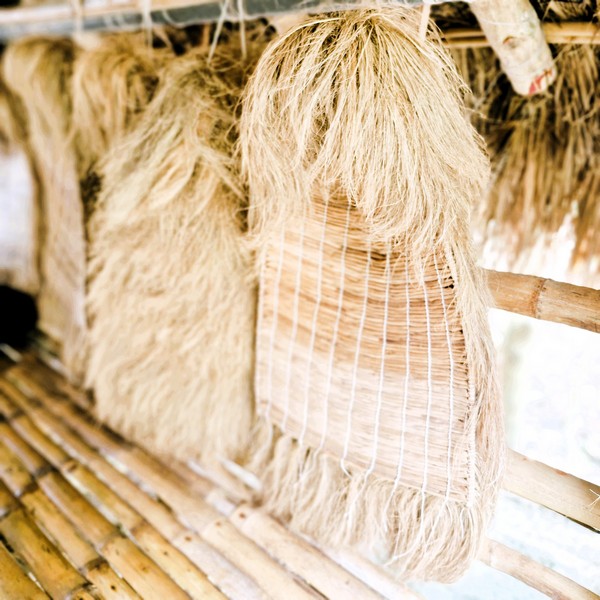
The vakul is a woman’s soot that covers the head and back and protects the wearer from the sun, rain and wind, keeping themselves cool during the long hours of work in the field.  The kanayi, on the other hand, is a man’s soot made with voyavoy palm leaves or dried abaca stalks.  Worn on the shoulders, it takes three weeks to a month to make but it lasts a lifetime. The talugong, a men’s headgear, normally goes along with the kanayi.

Vakul

Also displayed at their showroom are other handicrafts made out of grasses and palm trees such as abaca bags, purses, pasikin (basket), salakots,home decorations, and other handicrafts.  For photo ops, Grace Lorraine, Lourdes and Gelyn  tried out a vakul  (rented for only PhP20/vakul/person) while Jun, Jandy and I suited up with a kanayi and talugong.

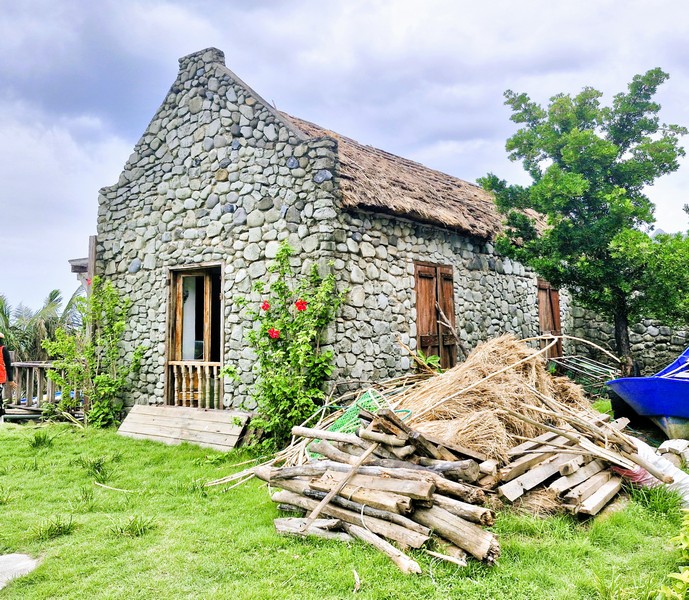
A sinadumparan

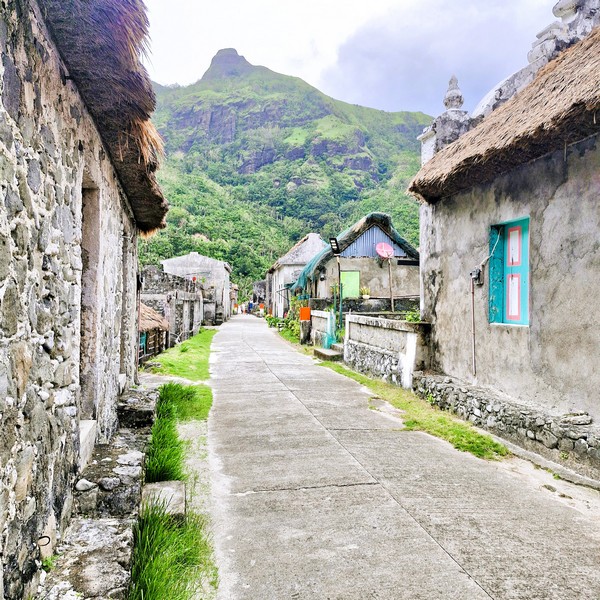
Later on, we walked along the narrow street and its rows of old sinadumparan (one of the three classes of stone houses on Batanes) stone houses, a style introduced by the Spaniards when they landed in the province during the late 1800s and some of them are already more than 100 years old.  To preserve the architecture and design of the traditional houses, the provincial government has declared this villages as well as the village of Diura in Mahatao as cultural zones.

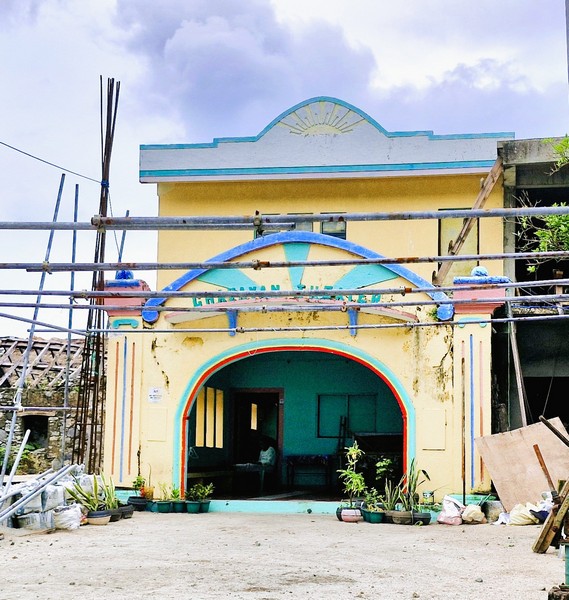
Chavayan Theater

These houses have thick walls are made with powdered limestone and corals, while the roofs are made of thatched cogon grass. Here, you can find the traditional detached Ivatan kitchen. The area has no commercial buildings and cellular site around and the life of the locals here are preserved and traditional.  The village does have a “teatro” (theater) where events are held.

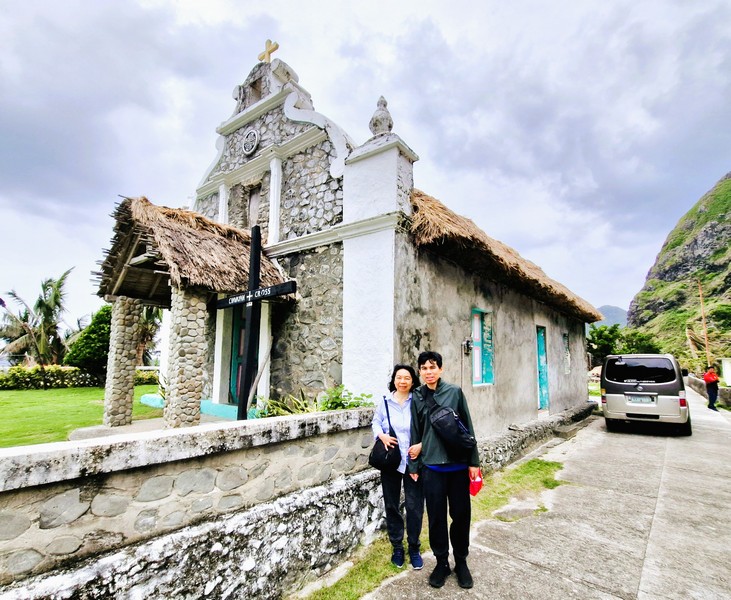
Grace and Jandy in front of the Chapel of St. Rose of Lima
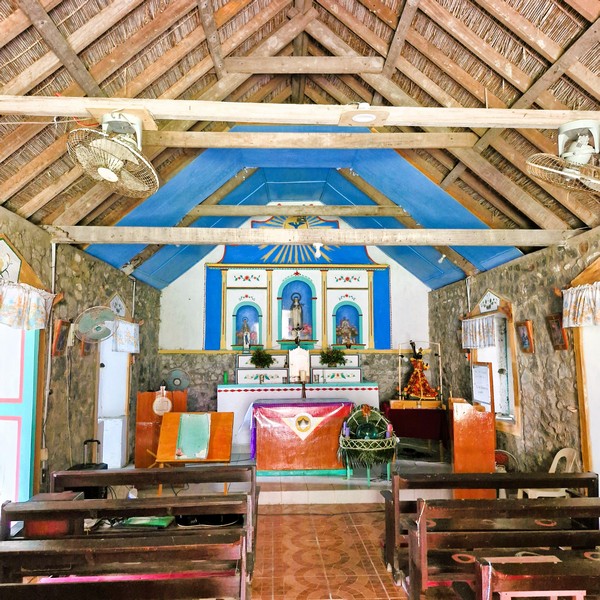
Interior of the chapel

Further out, located 10 m. from the beach, is the beautiful Chapel of St. Rose of Lima, the only house of worship in the islands that is still in its traditional form, with cogon grass as roofing.  With a pastel-colored façade, it was built, from 1951 to 1959, via Ivatan spirit of yaru (similar to the Filipino concept of bayanihan) organized by the late Ireneo Hornedo (who was also responsible for building the Chavayan “teatro” and the “welcome rotunda”).  Before venturing out to fish or farm, community prayers are held here before dawn, as villagers offer petitions for safety and abundance.

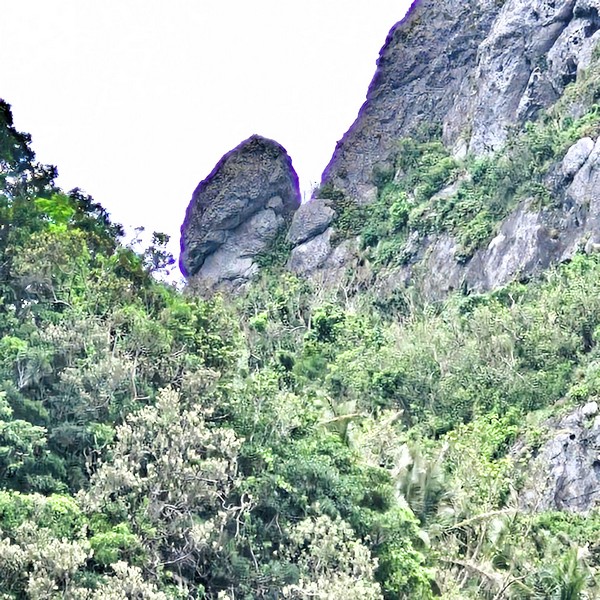
Monument of Satisfaction

Looking up into the cliff, you can make out Mother Nature’s most perfect sculpture; the phallic-looking Monument of Satisfaction. A small store, at the opposite end (avuyi) of the village, sells Chavayan-made native slippers or sandals, fondly called chavayanas,which fishermen use as protection for their feet on shallow, rocky coastal areas.

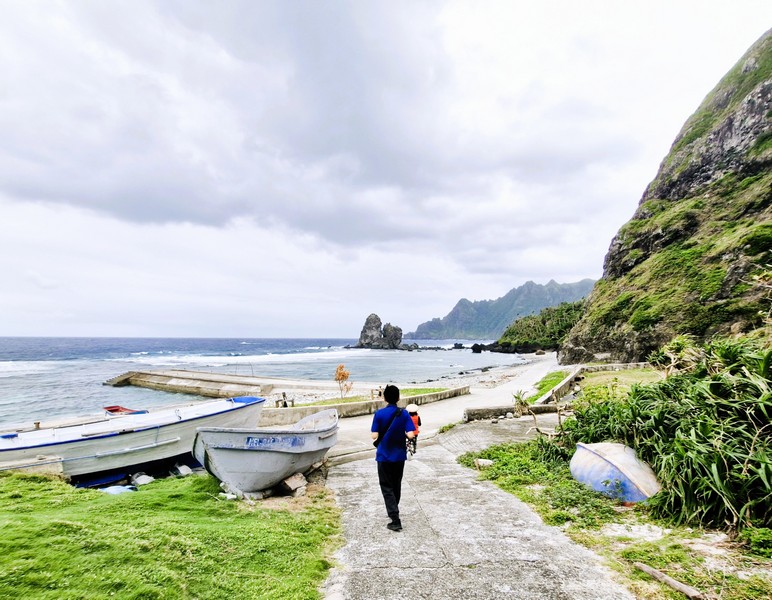
The road leading to the beach

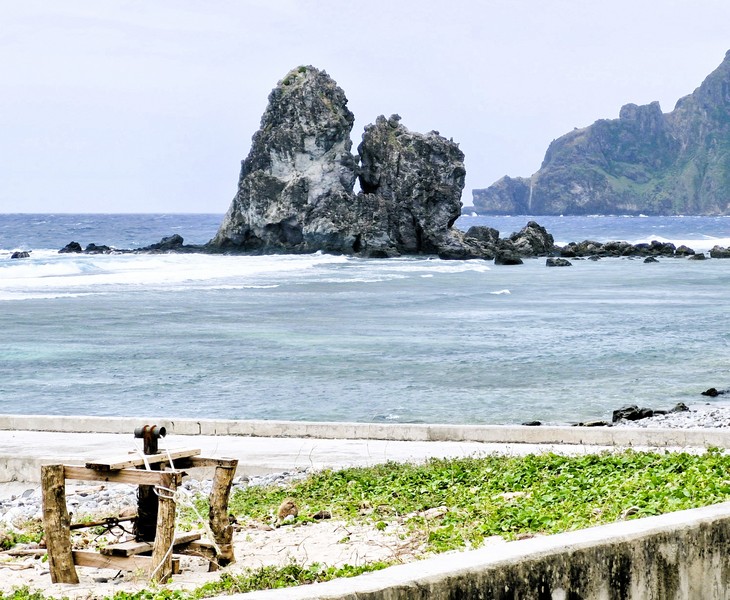
On the beach near the village, a popular photo spot, are the Kissing Rocks of Chavayan Village, two unique and imposing rock formations, along the serene and breathtaking bay, that appear to “kiss’ or come close together.

The “Kissing Rocks of Chavayan Village”

Chavayan Village: National Rd., 3904 Sabtang.

How to Get There: Sabtang, on Sabtang Island, is located close to the port.  There are scheduled 30 to 45-minute early morning boat trips by falowa (round-bottomed boat) from Ivana’s Radiwan Port to Sabtang.  From the port, you can rent a tricycle to take you to the viewpoint.

Sabtang Tourist Information Center: Brgy. Sinakan, 3904 Sabtang.  Mobile number: (0929) 226-8055.  E-mail: tourismsabtang@gmail.com.

Provincial Heritage and Tourism Office (PHTO): Mobile number: (0929) 230-5934. Website: www.breathtakingbatanes.com.
Chamantad-Tiñan Viewpoint (Sabtang, Batanes)

Chamantad-Tinan Viewpoint

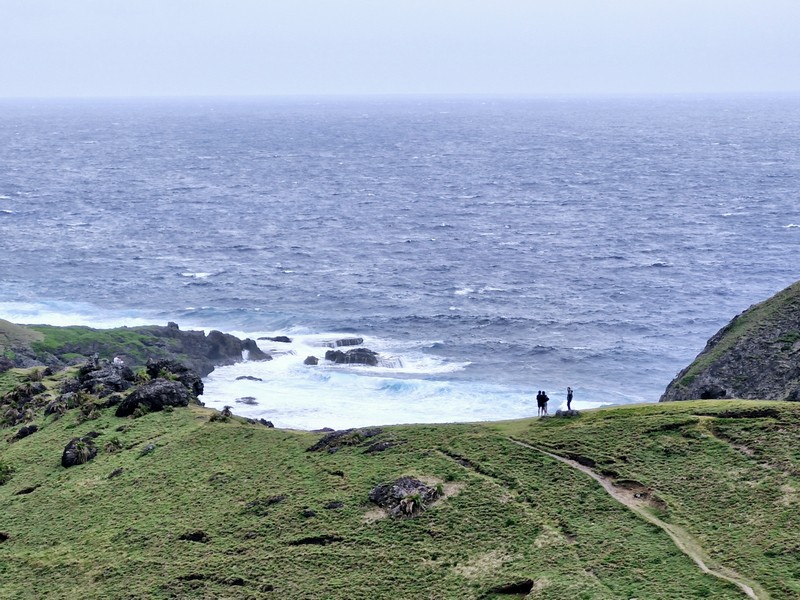
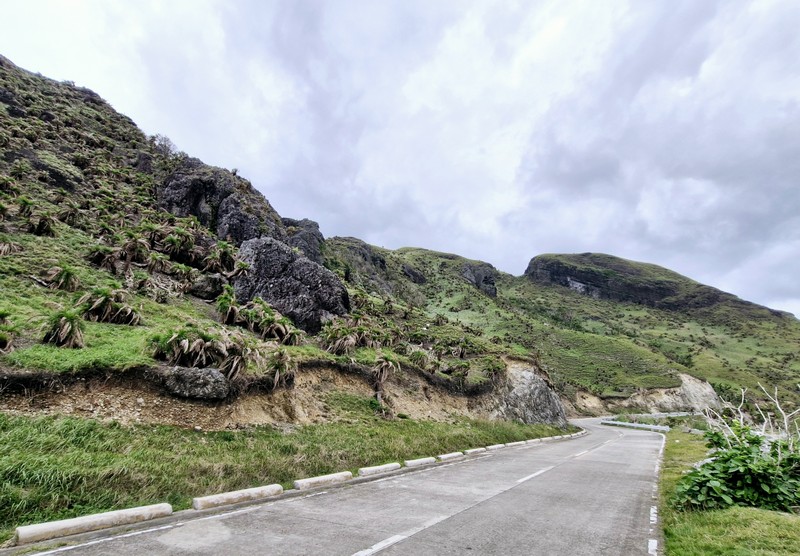
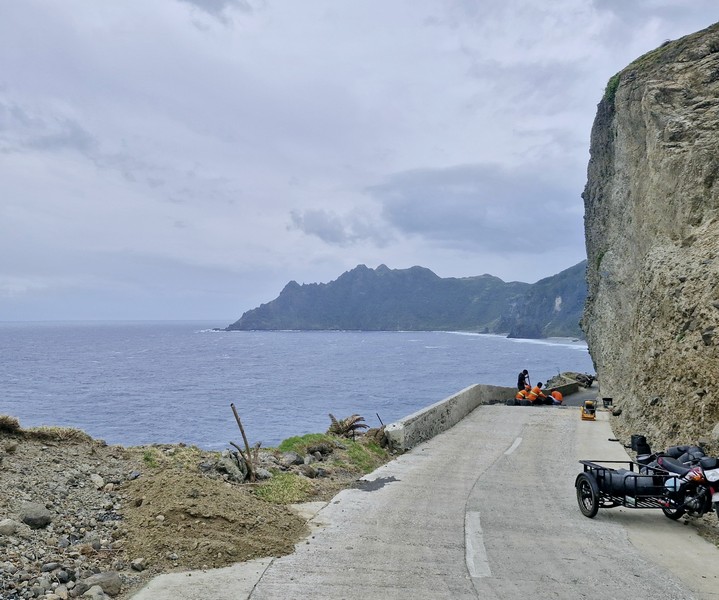
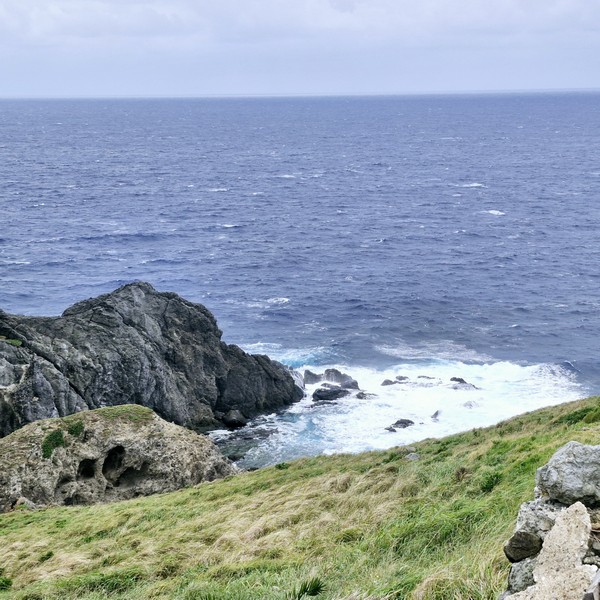
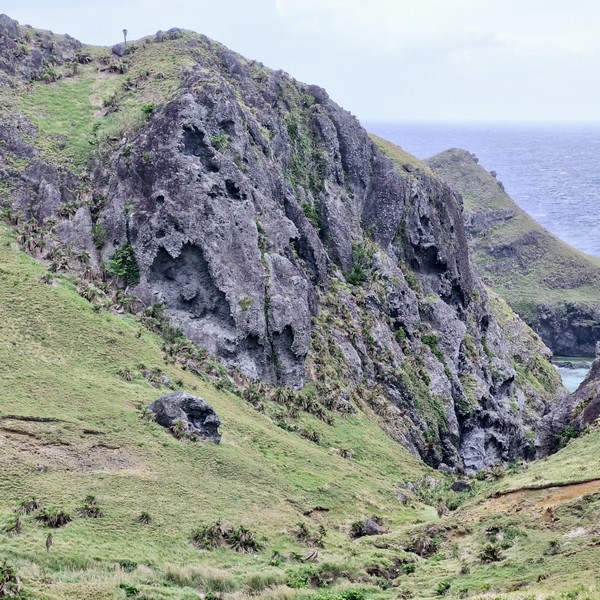
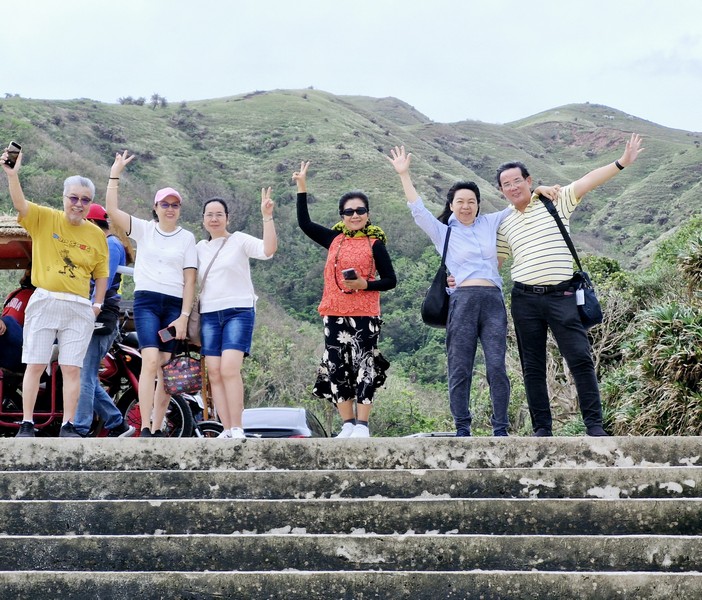
From Savidug Village, we all boarded a van for the 4,1-km. (10-min.) drive Chamantad-Tiñan Viewpoint.  One of the highest viewing sites in Sabtang Island, this is where tourists can enjoy the view of Chamantad Cove below and, beyond, Balintang Channel and Batan Island. This vast landscape, seated near the cove, is renowned for its curvy grass-carpeted scenery.

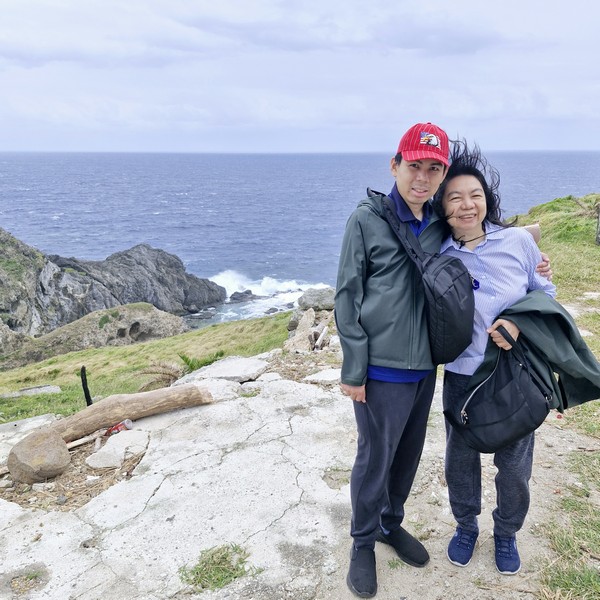
Jandy and Grace

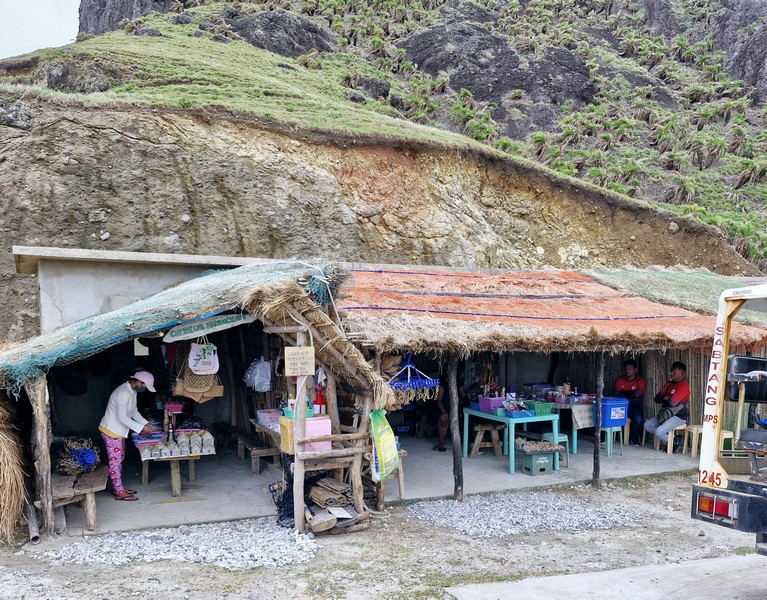
Before reaching the view point, there were plenty of huts along the highway offering a sample of their local sugarcane wine and Ivatan wild tea called tubho. At the entrance itself, there are huts where you can buy souvenirs and even taste, for free, some local delicacies as well as coconut and sugarcane wine.

Upon arrival, a calming atmosphere was provided by the sweeping landscapes and natural beauty of the vibrant colors of the rustic, rolling hills (especially during sunrise and sunset), a gentle breeze and the sound of the inviting waves crashing against the beautiful cliffs below. I could stare at this exquisite view all day.

The equivalent of Batan Island’s Racuh a Payaman and Vayang Rolling Hills, it was just beyond words and photos don’t do it justice.  Truly, Sabtang does not disappoint when it comes to rugged, breathtaking scenery and magnificent views.

Check out “Racuh a Payaman” and “Vayang Rolling Hills”

For those hiking, the 10-15-min. journey to the viewpoint is a scenic adventure in itself as it allows one to appreciate the rich biodiversity of the place. The rolling hills conquering the area come in a variety of low and high slopes giving visitors different perspectives. You can also see mountain goats climbing and balancing off the cliffs.  From here, a short walk will take you to the seascape lined with powdery white sand and small to medium-sized stones.

Souvenir shops
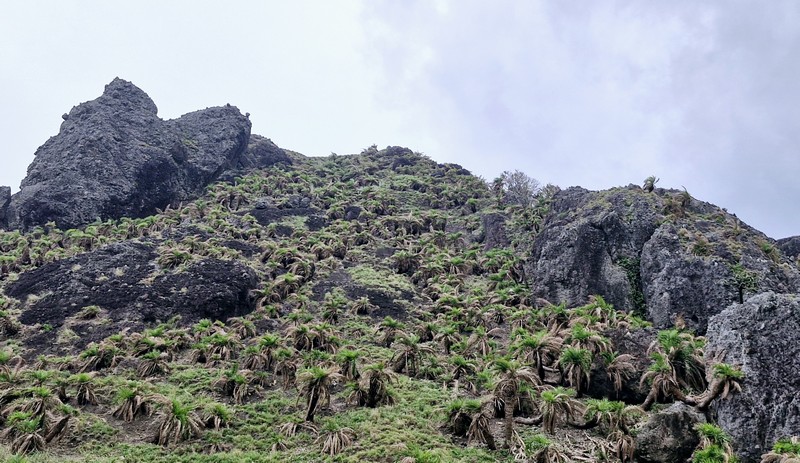
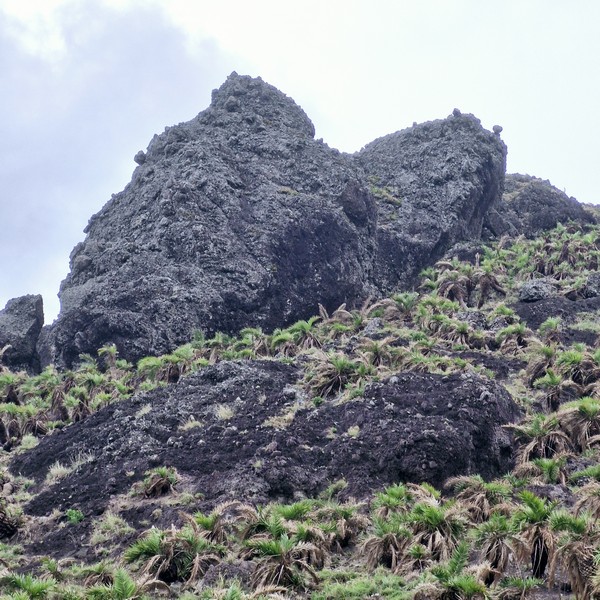
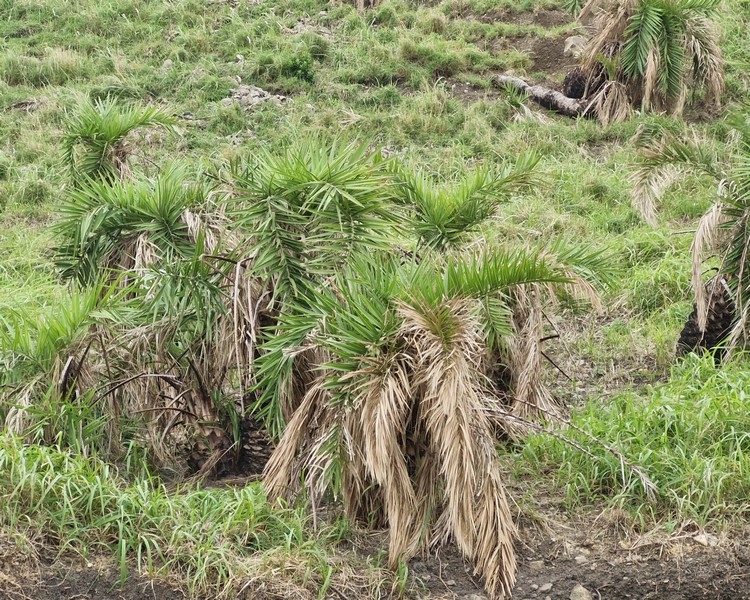
Voyavoy (Phoenix loureirii var hanceana) along the hillside

Chamantad-Tiñan Viewpoint: National Rd., Brgy. Chavayan, 3904 Sabtang.

How to Get There: Sabtang, on Sabtang Island, is located close to the port.  There are scheduled 30 to 45-minute early morning boat trips by falowa (round-bottomed boat) from Ivana’s Radiwan Port to Sabtang.  From the port, you can rent a tricycle to take you to the viewpoint.

Sabtang Tourist Information Center: Brgy. Sinakan, 3904 Sabtang.  Mobile number: (0929) 226-8055.  E-mail: tourismsabtang@gmail.com.

Provincial Heritage and Tourism Office (PHTO): Mobile number: (0929) 230-5934. Website: www.breathtakingbatanes.com.
Morong Beach and Ahaw Rock (Sabtang, Batanes)

Morong Beach

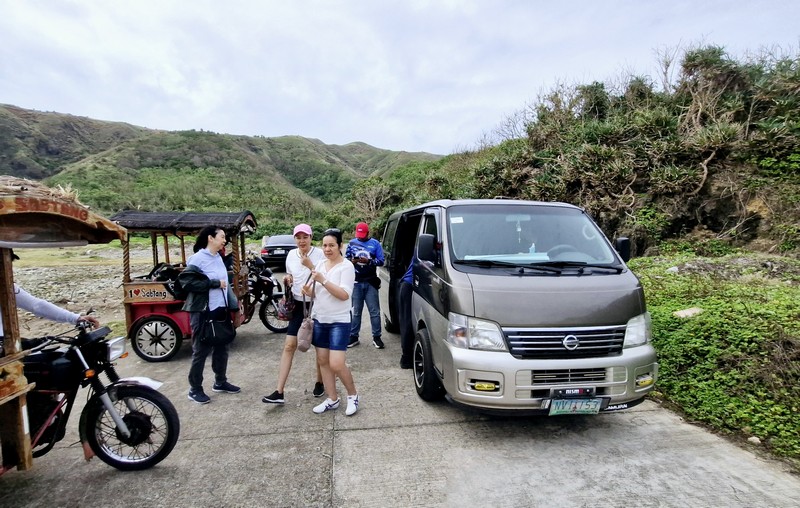
Upon arrival at Sabtang Port, we all boarded our van for the short 1.8-km. drive to our first part of our day tour of Sabtang Island – the short, 300 m. long, pristine white sand Morong Beach(also called Nakabuang Beach orWhite Beach).

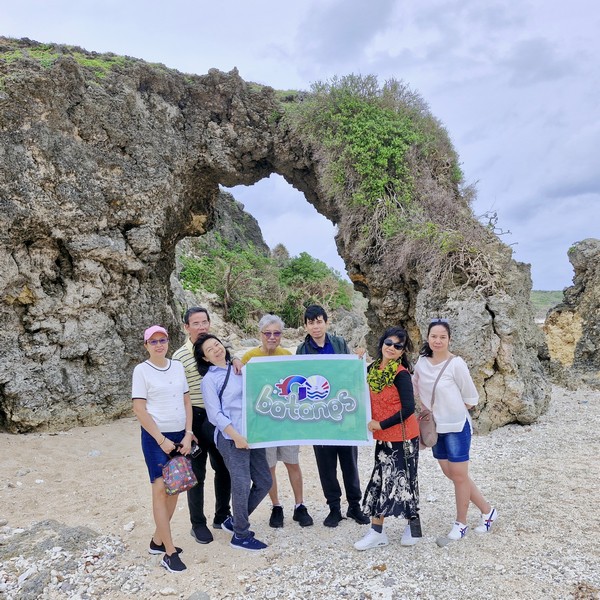
Arrival at Morong Beach
L-R: Jun, Lorraine, Lourdes, Gelyn, Grace and the author

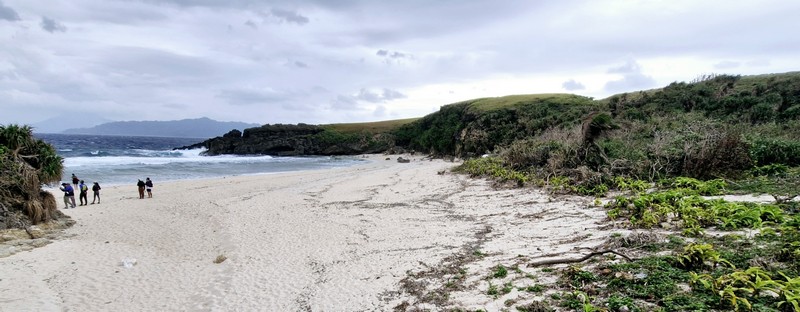
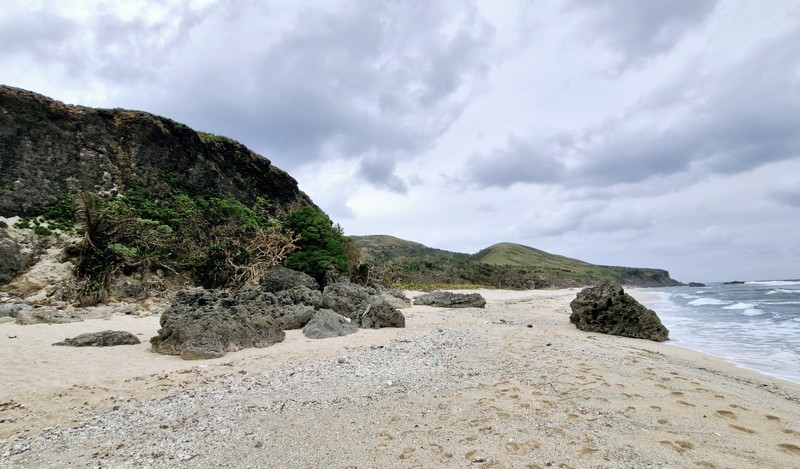
Noted for its wild and natural beauty and unique rock formations, it is surrounded low, grass-covered hills on all sides and is probably the most well-known of all the beaches fringing the coast of the island. 

Despite the province’s usual rough weather, its less-ferocious, glass-like turquoise waters is peaceful and friendly enough for swimming, snorkeling and beachcombing. Giant sea turtles come here to lay their eggs and juvenile tiger sharks patrol its waters.

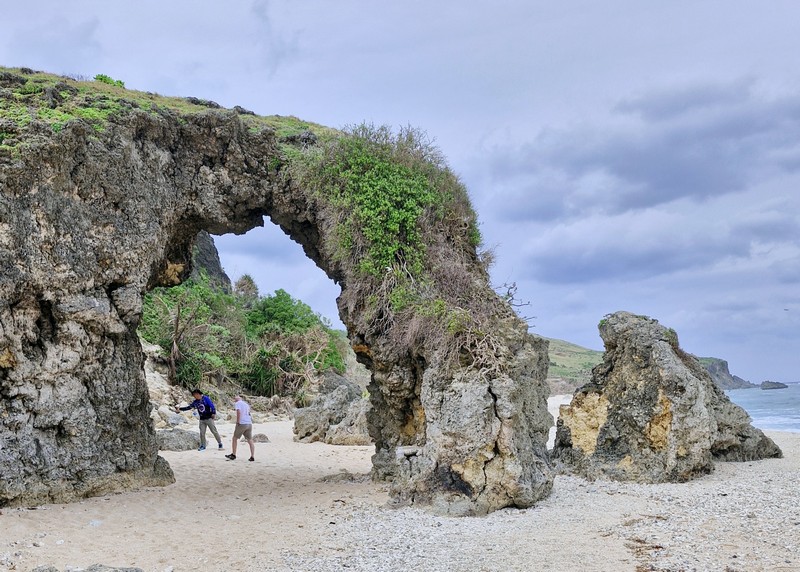
Ahaw Rock

In one area of the beach is a natural sandstone rock formation, called Ahaw Arch or Nakabuang Arch, where you can pass through.  It is iconic, not just for the island, but for Batanes as a whole. This rock formation is a favorite spot for picnickers.

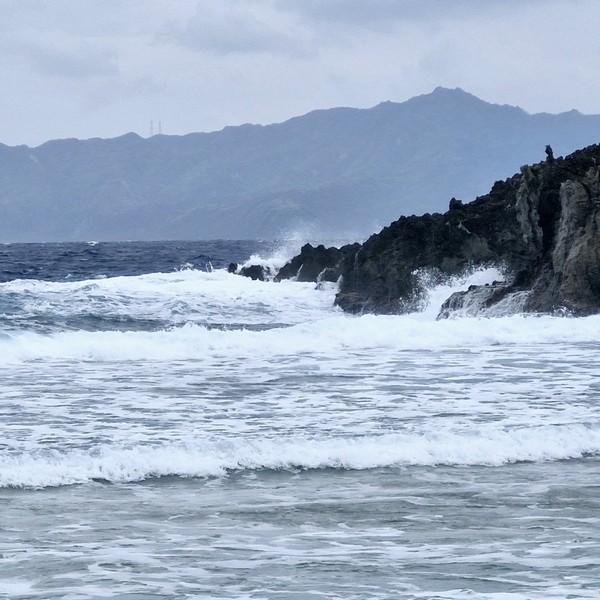
Waves crashing on the rocky shore

The beach’s few amenities include bathroom facilities and shaded areas with picnic tables.  There are no cottages here. Along the beach is the Paypanapanayan Canteen which serves authentic Ivatan dishes.  Also nearby is the Sabtang Weavers Association Café.

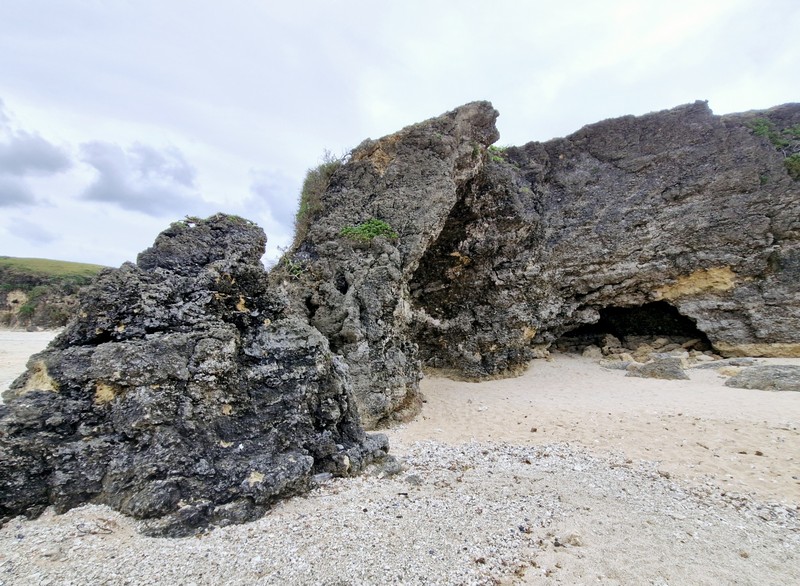
A sea-sculpted cave

Morong Beach: Sitio Morong, Brgy. Malakdang, 3904 Sabtang.

How to Get There: Sabtang, on Sabtang Island, is located close to the port.  There are scheduled 30 to 45-minute early morning boat trips by falowa (round-bottomed boat) from Ivana’s Radiwan Port to Sabtang.

Sabtang Tourist Information Center: Brgy. Sinakan, 3904 Sabtang.  Mobile number: (0929) 226-8055.  E-mail: tourismsabtang@gmail.com.

Provincial Heritage and Tourism Office (PHTO): Mobile number: (0929) 230-5934. Website: www.breathtakingbatanes.com.