Ramon Hofilena: The "Father of Heritage Conservation" in Silay City (Negros Occidental)

Manuel Severino Hofilena Heritage House

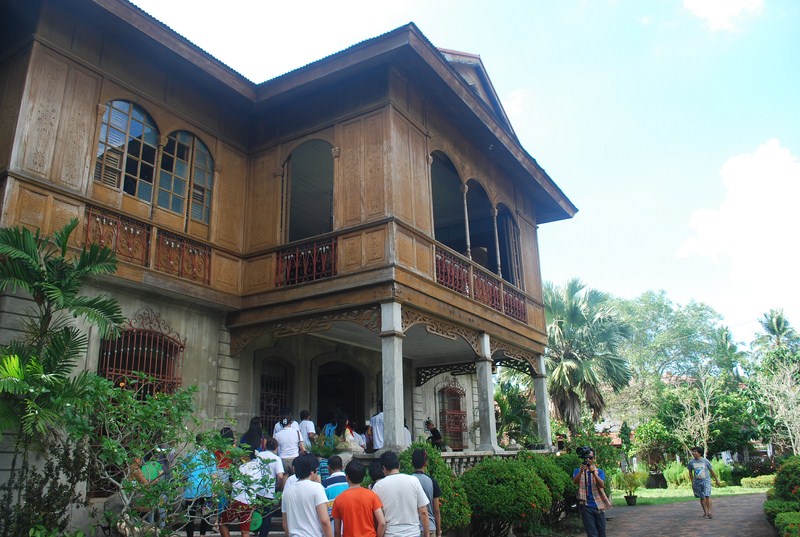
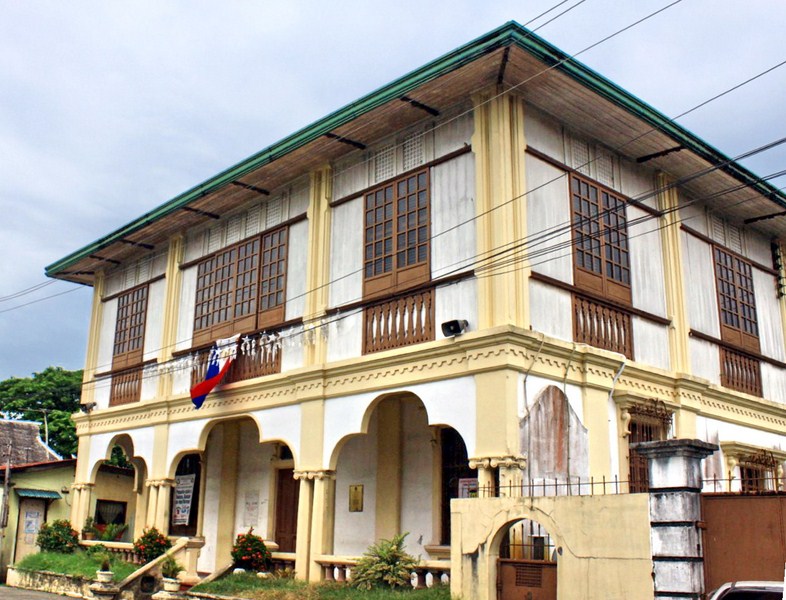
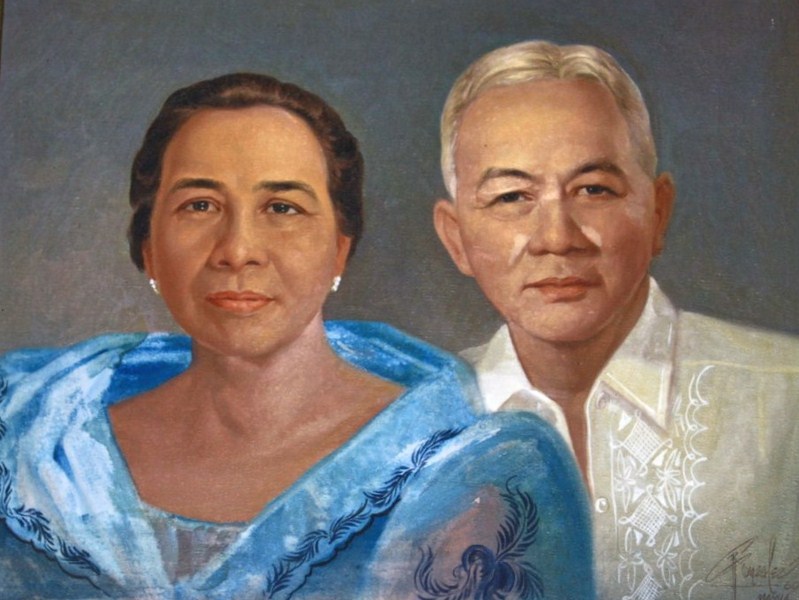
Certainly one of the highlights of our three-day visit to Silay City (Nregros Occidental), with my wife Grace and children Jandy and Cheska, was, aside from attending the 8th Locsin Family Reunion (my first), our tour of some of Silay’s 31 ancestral homes, accompanied by my young Silayanon cousin  Neil Solomon “Solo” Locsin.  Our longest visit was at the Manuel Severino Hofilena Heritage House, an illustrado’s house built in 1934.  A visit here was by appointment with current owner Ramon “Monching” Hofilena but Solo set it up for us with call to him. On hand to greet us was the 72-year old Ramon Hofilena himself.  

Ramon Hofilena

Since 1962, Monching has been welcoming visitors to his family’s ancestral house, the first Heritage House in Silay to be opened to visitors.  Also, since his return from New York in the 1970s, Monching has also been on a life-long crusade  to restore and protect Negrense cultural heritage.  He organized the Annual Cultural Tour of Negros Occidental (ACTNO), the longest running (nearly 40 years) cultural tour in the world.  Its itinerary includes Bacolod  City, Silay City (Jalandoni and Hofileña heritage homes), Victorias City (Church of St Joseph the Worker); Manapla (Chapel of the Carwheels) and Talisay City (PhP600/person, limited to 55 people).  The tour is often conducted yearly on all Saturdays of December, except holidays, from 9 AM to 5:30 PM.

The living room

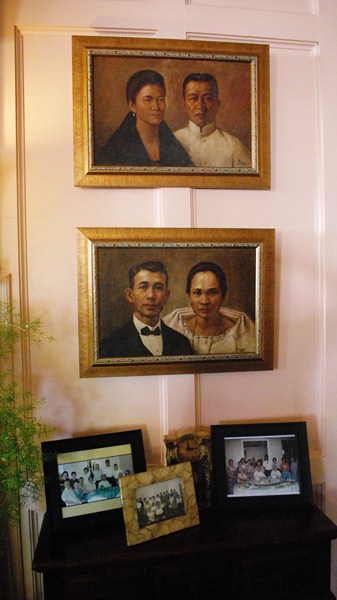
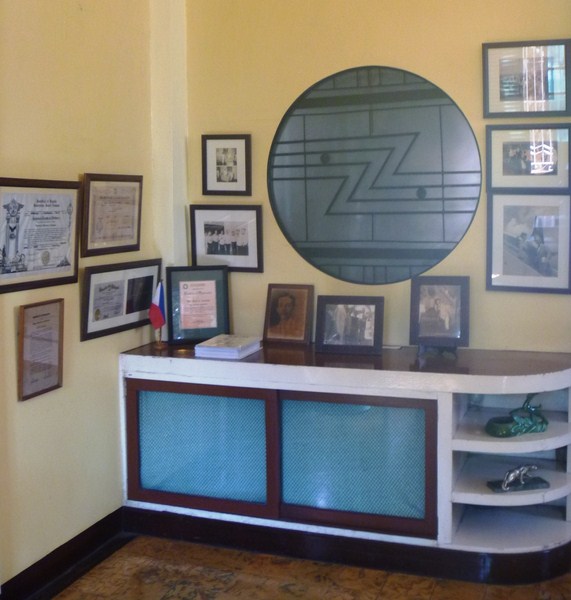
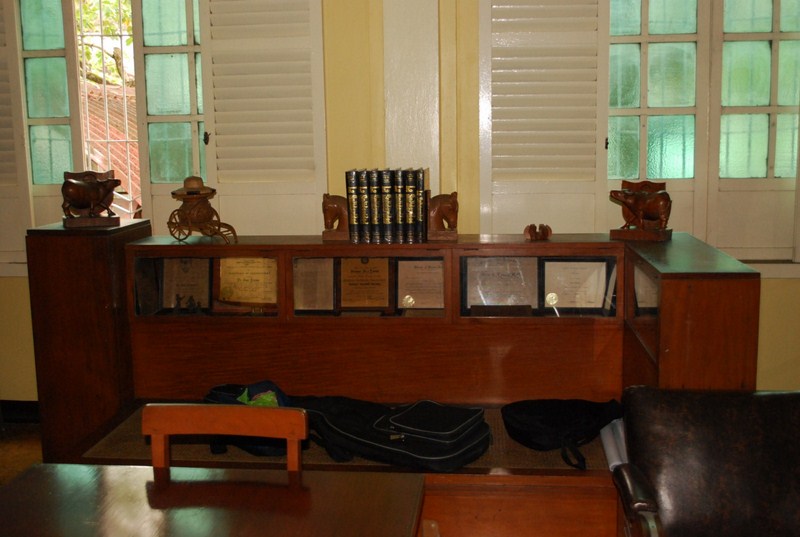
The interiors of the house to be  exudes touches of genteel elegance.  The formal living room still has its original 1930s Art Deco period furniture.  Beside it is a 150-200 year old, German-made M.F. Rachals upright piano handed down by Monching’s great grandmother. Monching, a lover of art and culture, gave us a two-hour guided tour of his collection of museum-worthy pieces such as  antique lamps and chandeliers, large Ming dynasty jars, copies of the world’s first pocket books, silver picture frames (with pictures of his parents and 8 siblings; all of whom were involved in the arts: piano teachers, ballet and flamenco dancers, theater artists), a dining table set with fine china, silverware, wooden images of St. Vincent Ferrer, saved from the island’s old churches), wine glasses and silver candelabras, none of them reproductions.

The dining room


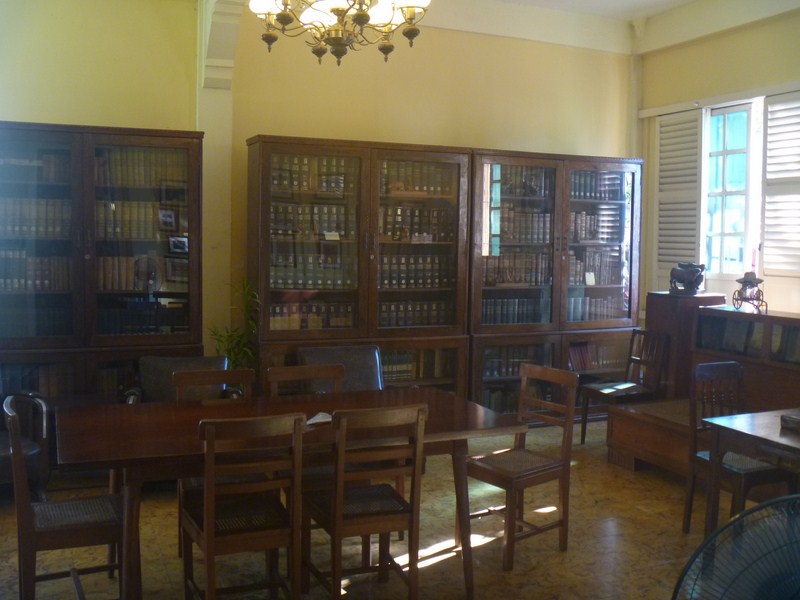
The comedor (dining room) has hardwood and glass cabinets (plateras ) that display Pre-Hispanic Chinese porcelain and ceramics, all of them archeological finds discovered in Silay (some an incredible 3,000 years old).  Monching also has a  collection of small dolls (said to be the smallest in the world, you need a magnifying glass to appreciate them) and curios from around the world, including tektites (meteorite stones) and anting-antings (good luck amulets).  The house also has an old press from Silay Printmaking (founded in 1970), the oldest printmaking workshop outside Manila.  Monching is working to popularize printmaking as an art form.  

Monching shows us his painting collection

Upstairs, lining the walls, are Monching’s  impressive collection (the most comprehensive personal collection on public display) of more than 1,000 works by foreign artists Francisco Goya, Pablo Picasso, Albrecht Durer, Katsushika Hokusai and Utagawa Hiroshige; National Hero Dr. Jose Rizal (when he was 15 year old student at Ateneo) and works of local artists from the 19th century to the present – Juan Luna, Felix Resurreccion Hidalgo, Ang Kiukok, Fernando Amorsolo, H.R. Ocampo, Jose T. Joya, Cesar Legaspi, Napoleon Abueva, Vicente Manansala and Bencab (Benedicto Cabrera).  Monching, with much emotion, gives special mention to abstract expressionist paintings of Conrado Judith, a poor and unknown Silaynon high-school graduate with no formal art education who died from tuberculosis at the age of 34. His canvas paintings, some damaged by sun and rain, were discovered by Monching in his thatch house.

L-R: Ramon Hofilena, Solo Locsin, Grace, Jandy, me and Cheska
Manuel Severino Hofilena Heritage House: Cinco de Noviembre St., Silay City, Negros Occidental.  Visits are by appointment.  Tel: (034) 495-4561.

Adaptive Reuse in Silay City (Negros Occidental)

Victor Fernandez Gaston Heritage House (Balay Negrense)

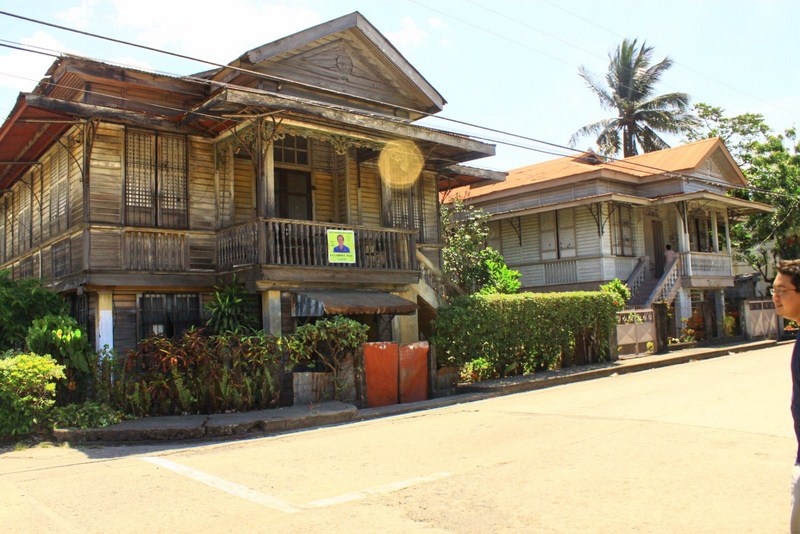
Most of the heritage houses in Silay City are still residential homes, lived in by the descendants of the original owners or bought by others who continue to live in them and not open to the public. However, a few of  them have been converted to museums, a bakery, restaurants, shops or city government and private offices in an action called adaptive reuse, referring to the process of reusing an old site or building for a purpose other than which it was built or designed for.

Check out “Silay City’s Ancestral Houses

Hofilena Museum (Manuel Hofilena Ancestral House)

Three ancestral houses have been opened for visitors – the Victor Fernandez Gaston Heritage House (Balay Negrense), the Manuel Severino Hofileña Heritage House (visits by appointment) and the Bernardino and Ysabel Lopez-Jalandoni Ancestral House (a lifestyle museum, commonly called The Pink House). The first two are located along Cinco de Noviembre Street while the latter is along Rizal Street.

Check out “Balay Negrense,” Ramon Hofilena: The “Father of Heritage Conservation” in Silay City and the “Bernardino-Ysabel Jalandoni Museum

Bernardino-Ysabel Jalandoni Museum

NOTE:

A number of ancestral houses have also been converted into bed and breakfasts. On June 11, 2016, the charming, two-storey German Unson Heritage House was opened as a bed and breakfast with four spacious rooms – German-Fe Room, Lourdes Room, Rene Room and the Carmen-Cristina Room. The house was built in 1938 and was restored in its original design in mid-1970s. On April 6, 1993, it was declared as a heritage house by the National Historical Institute.

The Generoso Reyes Gamboa Twin House, owned by Generoso and wife Olympia Severino, both heroes of Cinco de Noviembre, was built for their sons Ernesto and Generoso Jr.  In 2020, the present owners have now converted the house into the 1898 Casa and Restorante, a bed and breakfast with 5 bedrooms on the ground floor and a main dining room at the second floor. It is considered to be the first twin house in the Philippines, with both houses (the one beside it) being mirror images of each other.  The house is embellished with beautiful, ornamental Art Nouveau pierced screens or “calados” (ornately carved room dividers depicting stylized flowers, lyres and anahaw leaves) and cast-iron brackets.


Generoso Gamboa Twin House

Two ancestral houses, along Generoso Gamboa Street (formerly Plaridel Street), were bought by the Silay City government and were converted into offices – the Angel Araneta Ledesma Ancestral House (now the Arts and Culture Office) and the Benita Jara Ancestral House (now the Sangguniang Panglungsod building). The former, a Colonial Plantation-style heritage house called the Green House (Balay Verde) by the locals, was built in the 1930s and features American clapboard with material sourced from the Araneta family’s lumber business.

Benta Jara Ancestral House (Sanggunian Panglungsod)

Also along this street is the Alejandro Amechazura Heritage House, now the office of Celsoy Agro-Industrial Corporation. This simple and graceful house, built between the 1920s and 1930s, is a good example of American Period architecture. It has an entrance porch with double columns on a concrete base.  Repetitive pointed arches on the lower floor hints at a Neo-Gothic influence. 

Maria Golez Ledesma Ancestral House

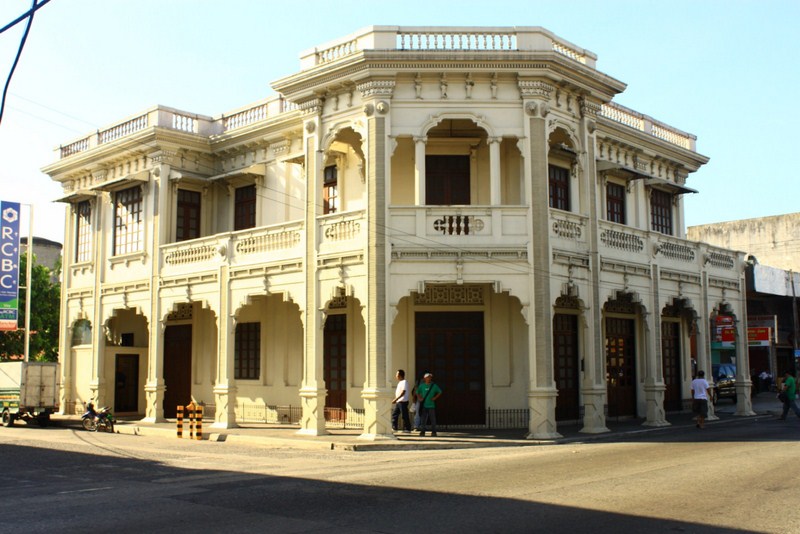
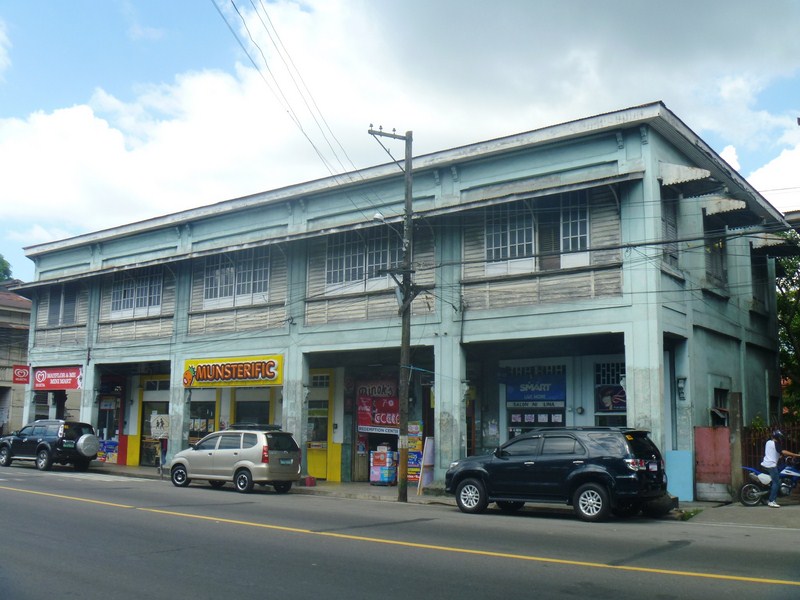
A lot of adaptive reuse can be seen along Rizal Street, the city’s main road, where a number of ancestral houses were converted to commercial establishments. The regal Maria Ledesma Golez Ancestral House, an excellent example of adaptive architectural reuse, was purchased by Rizal Commercial Banking Corporation (RCBC) in 1992.  RCBC remodeled the interiors while the exterior was preserved. The first floor was converted into their Silay branch while the second floor is used as a storage area.  Embellished with masques, caryatids and lion heads, Art Deco elements are prevalent, especially in the archways and corner entrance.  On April 6, 1993, it was declared as a Heritage House by the NHI.

Lino Lopez Severino Ancestral House

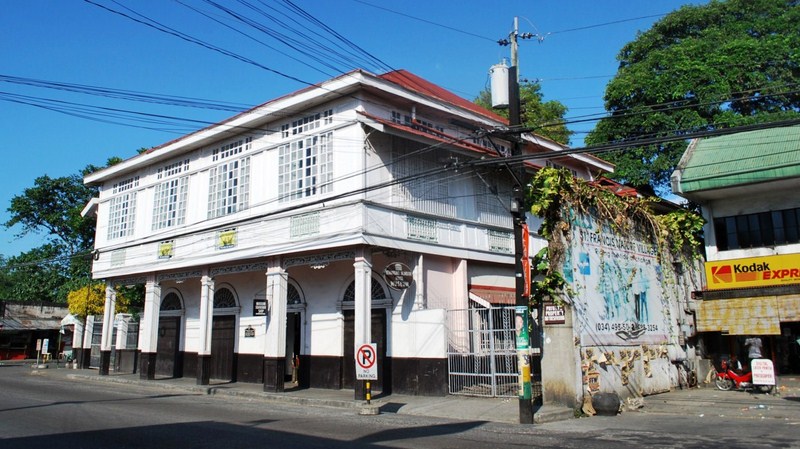
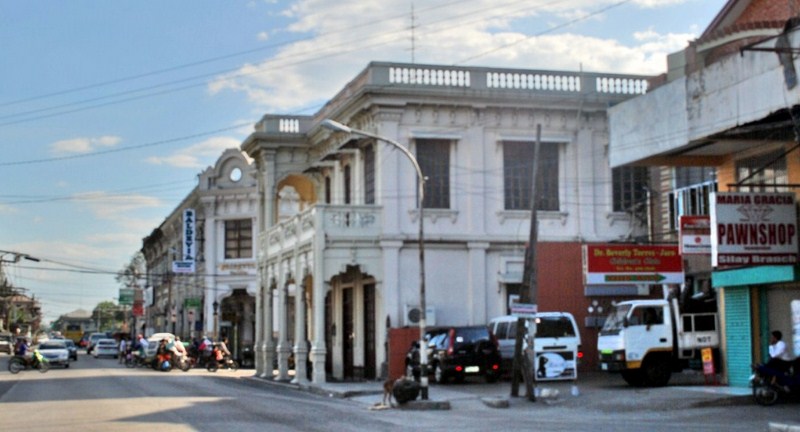
Another heritage structure that has been converted for commercial use is the Lino Lope Severino Building, the first department store in Negros. This Art Deco structure is now owned by two separate individuals, the left wing of the building, rented by a religious group, was bought by an Indian businessman while the right wing, a pension house (Baldevia Pension House) with function rooms available for rent at the second floor, was bought by the Baldevia family.

NOTE:

In 2013, a MacDonald’s Fries and Sundae Station was opened in the building (now called the Baldevia Building).  Also on the ground floor are a pawn shop outlet, a drug store and a Chooks-to-Go branch.


Antonio Novella Sian Heritage House

The Antonio Novella Sian Ancestral House, at cor. of Rizal and Zamora Streets, features traditional media agua (canopy over a window) and sliding ventanillas on the second floor, also has a suite of shops at the ground floor – barber shop, convenience store (Mayflor & Me Minimart) and a bakery.

NOTE:

In October 2019, a MacDonald’s branch was opened at the Antonio Novella Sian Ancestral House


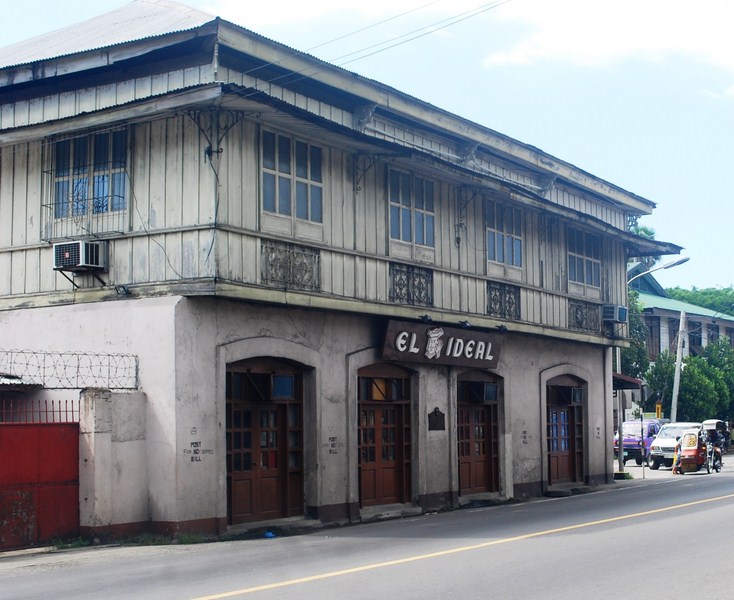
El Ideal Bakery

The Cesar Lacson Locsin Ancestral House is home to El Ideal Bakery which started operations in 1920, making it one of the oldest bakeries in the country. It specializes in homemade breads (pan gasiosa), biscuits (quinamoncil, biscocho prinsipe, broas, sinambag, favorita, lubid-lubid, quinihad, etc.) fresh lumpiang ubod (made of fresh young coconut trunk sauteed in pork, shrimps and hard boiled egg, and wrapped with a flavorful garlic sauce) and cookies (angel cookies) as well as pastries such as guapple pie (a combination of apple and guava pie) dulce gatas (Silay City’s version of the pastillas, made with carabao milk and sugar) and the traditional piaya (a type of flat bread). Ms. Maritess Villanueva Sanchez, its current proprietor, is the granddaughter of Cesar.

Check out “Restaurant Review: El Ideal Bakery


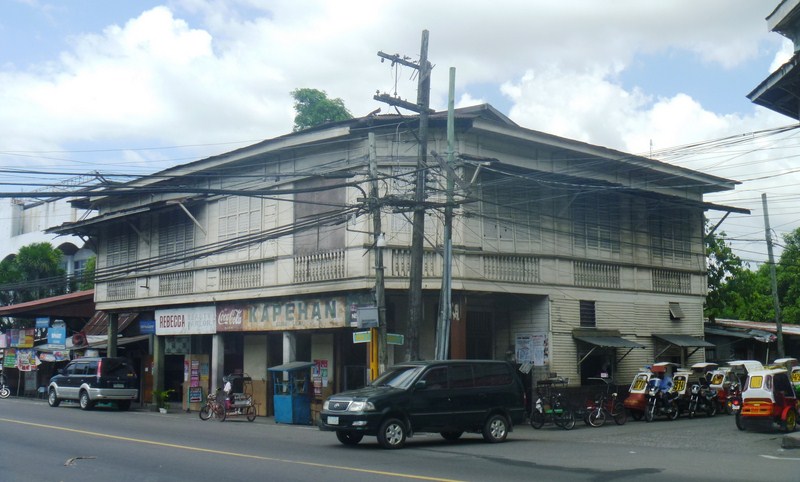
Kapitan Marciano Montelibano Lacson Ancestral House

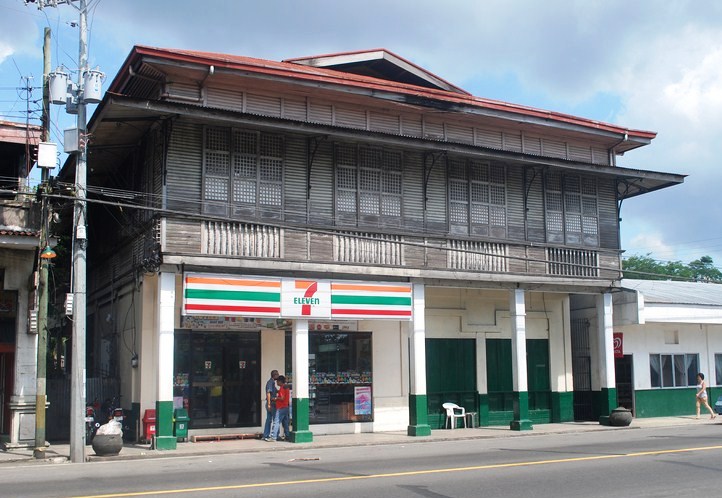
The Kapitan Marciano Montelibano Lacson Ancestral House, at Rizal cor. Zamora Streets, Brgy. II, is home of New City Cafe (Kapehan Sang Silay).  The lower floor of the Josefita Tionko Lacson Ancestral House has a branch of 7-11.

Josefita Tionko Lacson House

German Unson Heritage House Bed and Breakfast: 5 Zamora Street.  Tel: (034) 432-2943.  Mobile number: (0921) 762-2359. E-mail: guheritagehouse@gmail.com.

1898 Casa and Restorante: 960 Zamora cor. Cinco de Noviembre Street. Tel: (034) 485-5566.  Mobile number: (0951)) 769-3655.

El Ideal Bakery: 118 Rizal cor. Eusebio Streets.  Tel: (034) 495-4430.

Bernardino-Ysabel Jalandoni Museum: cor. Rizal and Severino Sts..  Open Tuesdays to Sundays, 9 AM-5 PM.  Admission: PhP50.  Tel: (034) 495-5093.

Balay Negrense: Cinco de Noviembre St., Brgy. III.  Open Tuesdays to Sundays, 9 AM-5 PM. Tel: (034) 714-7676 and 495-4916.

Manuel Severino Hofilena Heritage House: Cinco de Noviembre St..  Visits are by appointment.  Tel: (034) 495-4561.

Jose C. Locsin Ancestral House (Silay City, Negros Occidental)

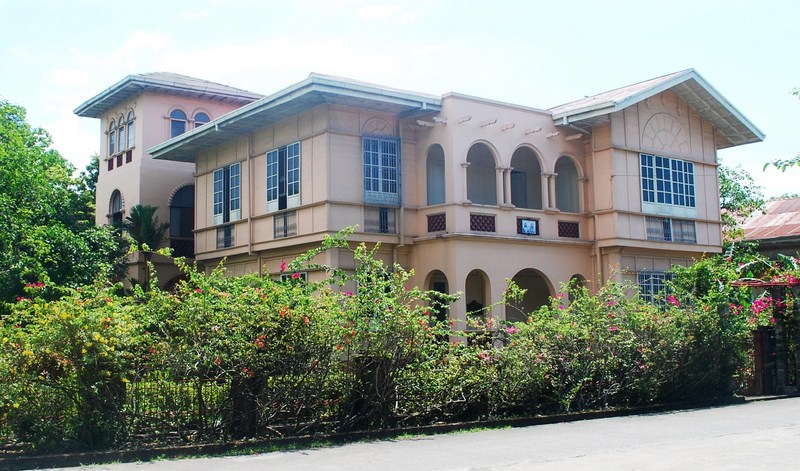
Jose C. Locsin Ancestral House

This wouldn’t be the first time I would be visiting Negros Occidental, having visited Bacolod City during a GPS mapping tour, but this would be the first time I would be visiting Silay City, hometown of my late mom.  With me was my wife Grace, my son Jandy and daughter Cheska.  Arriving at the New Bacolod-Silay International Airport, via a Cebu Pacific flight from Manila, we would be attending the 8th Nationwide Locsin Family Grand Reunion to be held from April 9 to 10.

Check out “New Bacolod-Silay International Airport

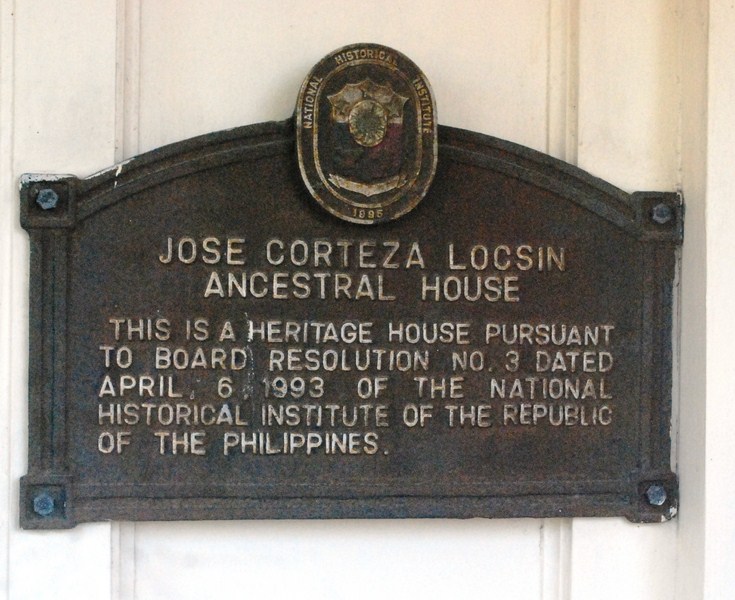
Historical plaque installed by the National Historical Institute (now National Historical Commission of the Philippines) in 1995

Upon arrival, we were picked up at the airport by my cousins (both a generation younger than me) Neil Solomon “Solo” and Lorenzo “Enzo” Locsin.  After a short 15min. (11.2-km.) drive, we arrived at Silay City.

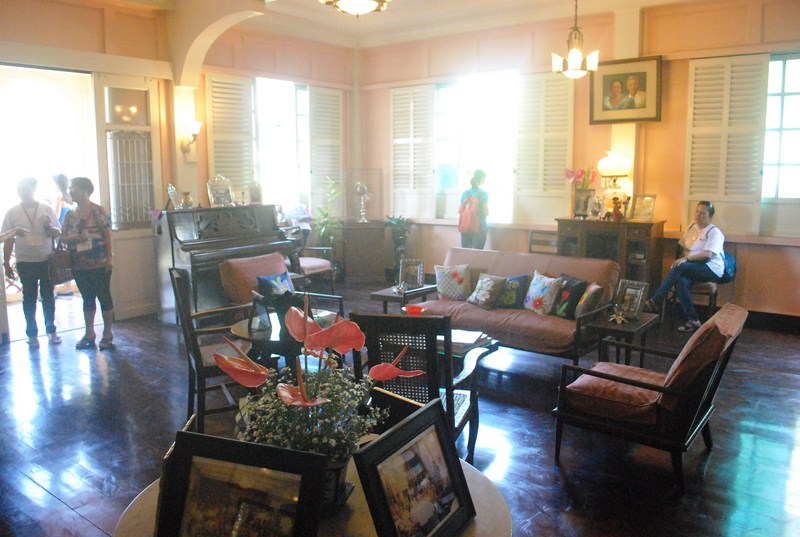
The living area

Upon arrival, Solo billeted us at the one-storey house of the late Tita Conchi Locsin, my mom’s first cousin and sister of the late Philippine Free Press editor Teodoro M. Locsin Sr. (father of Teodoro “Teddy Boy” Locsin Jr.).  Solo now resides here.  Just across is the 80 year old, two-storey ancestral house of my late maternal grandfather Dr. Jose Corteza Locsin.

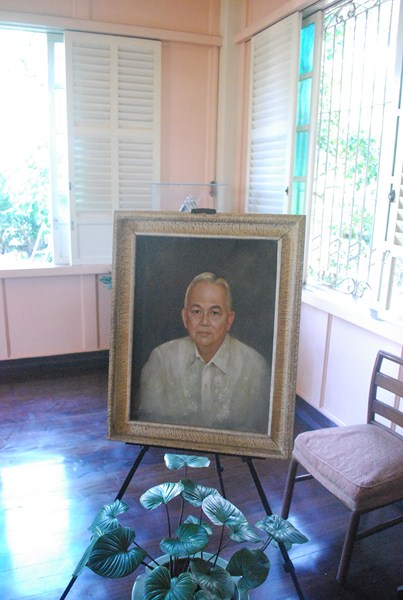
Portrait of Sen. Jose C. Locsin

Born in Silay on August 27, 1891 in Silay, Jose Corteza Locsin was the third child among the five children of Domingo Locsín and Enriqueta Corteza, devout Roman Catholics who were originally from Molo, Iloilo but resettled in Silay, acquired lands there and engaged in sugarcane farming.  After finishing his primary education in Silay, José C. Locsín was sent to Manila to study, first at Liceo de Manila, obtaining his Bachelor of Arts degree in 1907, and afterwards at the Universidad de Santo Tomas where, at age 21, he graduated with the degree of Doctor of Medicine, receiving the honor “Meritissimus.”

Starting his medical profession in Silay, he established the Maternity and Children’s Hospital (later the Silay General Hospital) and was also responsible for the establishment of a Rest and Resettlement Center for Tuberculosis in the mountain barangay of Patag. He also organized several women’s clubs to run puericulture centers  and was also responsible for the establishment of the Negros Occidental Provincial Hospital (and, later, its School of Nursing). He was named representative of the Social Welfare Commissioner in Negros Occidental, elected president of the Negros Occidental Medical Association and, in 1938, he became president of the Philippine Medical Association (reelected in 1939).

Although a medical practitioner, he had an inclination for politics and, because of his service to the people of Silay, he decided to run for public office and was elected as Municipal Councilor . After that, he was elected Provincial Board Member of Negros Occidental and, in 1925, became Governor of the Province of Negros Occidental, building roads and bridges throughout the province, establishing a waterworks system and, together with the Provincial Board, initiated the construction of the Provincial Capitol building. Placing a high priority in improving the province’s educational system, he was responsible for having had more schools built during his term than all the governors before him combined.

After his three year term as governor, he ran for Congress and, in 1928, was elected Representative of the 1st District of Negros Occidental, a district whose primary means of livelihood rely on the sugar industry. He worked for the modernization of sugar centrals, increased the share of sugarcane planters in the sugar produced, and raised the wages of farm laborers. As Chairman of the Committee on Public Instruction for three years, he worked on the establishment of schools in remote barrios and well as plazas in towns to promote cultural events.

As a delegate to the 1935 Constitutional Convention, he was chairman of that body’s Committee on Nationalization of Natural Resources where he advocated safeguards to protect the national patrimony. He was responsible for the inclusion of social justice in the Constitution’s declaration of principles. He was a member of the Philippine economic mission headed by Senator Laurel which worked for the Laurel-Langley Trade Agreement of 1945.  From 1945 to 1946, Dr. Locsín served under President Sergio Osmena as Secretary of the Department of Health and Public Welfare to help people recuperate from the ravages of World War II.

From 1951 to 1957, he served the country as a senator and was chairman of two Senate committees: Account and Health as well as a member of other Senate committees. As Chairman of the Health Committee, he worked for the approval of various measures to ensure and promote the health and safety of people through the establishment of Rural Health Units, the standardization of hospital services, and the National Campaign Against Tuberculosis. In addition, he also secured appropriations for the construction of new hospitals, health centers, clinics and other health care facilities and, at the same time, worked for the improvement of salary levels of public health care personnel, especially doctors. As Chairman of the Committee on Accounts, in order to prevent any deficiency during his term, he strived to maintain the annual appropriation.

As a senator, his other achievements include sponsorship of the Rural Banks Act; authorship of the Flag Ceremony Law (which gave importance to recognizing and respecting the Philippine flag); increase of the salary of public school teachers; and passage of a measure to celebrate the centennial of the birth of Dr. Jose Rizal in an appropriate manner.  It was during his term as senator that Pres. Carlos Garcia signed Republic Act 1621 in June 12, 1957 making Silay the second town in Negros Occidental to become a city.

His greatest contribution to the upliftment of the Filipino people was during his term (from 1958 to 1961) as Chairman of the National Economic Council (NEC, now the National Economic and Development Authority, or NEDA) when he authored the bill popularly known as the “Filipino First Policy,” which gave impetus and encouragement to agro-industrial development, resulting in the establishment of more cement factories, flour mills, and FILOIL–the first of the Filipino-owned gasoline companies.

It also led to the banning of importation of plywood, the financing of irrigation and fertilizer programs, the construction of artesian wells and hydro-electric power plants in different parts of the Philippines, and the development of new industries through the Industrial Dispersal Program, and the program for social and economic development of the Mindanao Region.

At the same time that he was Chairman of NEC, he headed the National Productivity Board of the Philippines, contributing to the establishment of the Asian Productivity Organization (APO) of which he was unanimously elected its first Chairman in May 1961 during its inaugural meeting in Tokyo, Japan, an honor not only to himself but to the Philippines which he represented.

In 1961, when his term as NEC Chairman ended, he was appointed as Acting Secretary of the Department of Agriculture and Natural Resources where he had the licensing of forest concessions investigated which led to a marked reduction in the granting of such licenses and the filing of legal cases against illegal logging in the country.

As a staunch member of the Nacionalista Party, Dr. Locsín was a dedicated advocate of its principles and a loyal supporter of its members, supporting Ferdinand Marcos’ candidacy for president in 1965 after he switched allegiance and ran under the Nationalista Party. However, when Marcos declared Martial Law in 1972, he was disheartened and regretted having given his support to Marcos’ presidency. Although no longer active in politics during the time of Martial Law, Dr. Locsín wore a black ribbon, even on his deathbed, as a sign of protest against Marcos symbolizing his mourning of the death of democracy.

In 1974, Dr. Locsín suffered a stroke (which some say was brought about by his frustration with not being able to directly do anything about abolishing Martial Law) and, from then on, underwent several surgical procedures due to problems with his gallbladder and prostate.  In 1976, because of complications brought about by old age and his illnesses, he became bedridden and, on May 1, 1977, he died at the age of 88.

He married the former Salvacion Locsin Montelibano and had eighteen children with her (one of whom, Julio Cesar, died of typhoid at the age of four). In 1959, he experienced another loss when his wife died of cardiac arrest at the age of 61. In 1962, at the age of 70, he remarried. His second wife, Delia Ediltrudes Santiago, a social worker from Bacolod, bore him a son (Popeye) and a daughter (Marla).


Salvacion and Jose Locsin

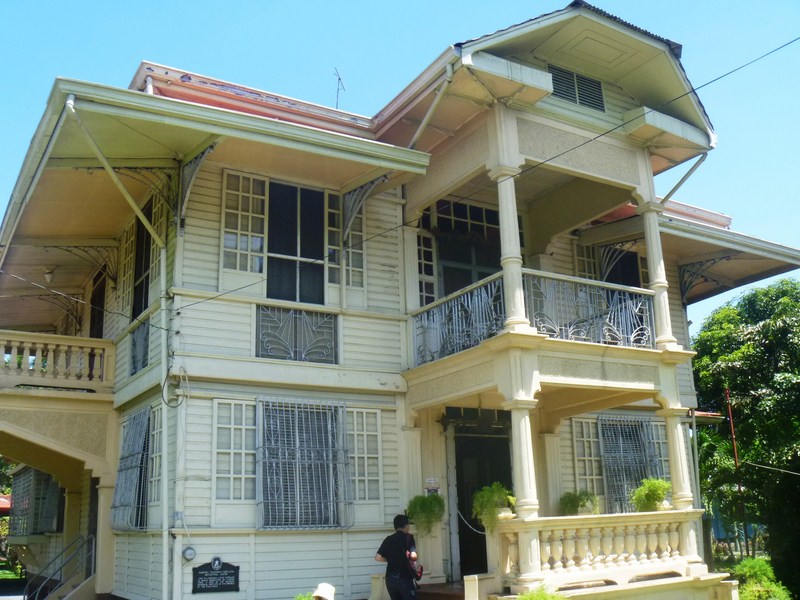
Built in in the 1930s in the Art Deco style of architecture, the house, fondly called Balay Daku (“Big House”), is beautifully preserved and one of the biggest in the city.  It has been named as a Heritage Houses of the Philippines by the National Historical Commission of the Philippines on April 6, 1993 and an NHCP marker, installed in 1995, can be found outside the front door of the house.

AUTHORS NOTES:

The central façade has a Spanish Mission Revival style, with arcades (a series of arches supported by columns) on the ground floor entrance porch and the second floor balcony with its projecting vigas (exposed beams). Arches are also seen in other windows as well as moldings above the windows.  Elsewhere in the façade are huge French windows with sliding wood and glass and persiana panels, below which are grilled ventanillas with sliding wooden panels for added ventilation.

Now resided in by my elderly aunt Rosario “Charet” Locsin (sister of Conchi), it still retains most of the original furniture of the house (upright piano, aparadors, china cabinet, solihiya chairs, etc.),  baldosa (tilework) and hardwood flooring.

There were portraits of the late senator’s parents, painted by Fernando Amorsolo (National Artist of the Philippines for Painting in 1972) as well as photos of the senator with different Philippine presidents.

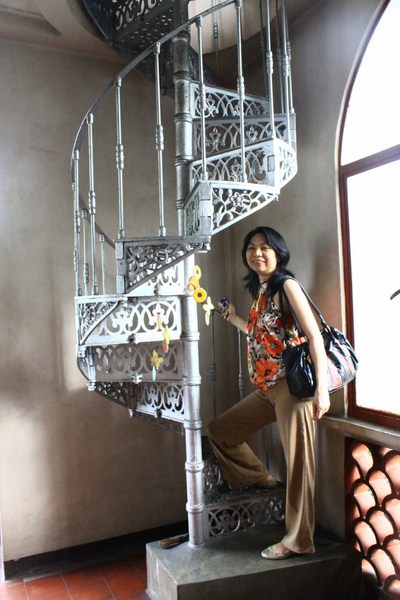
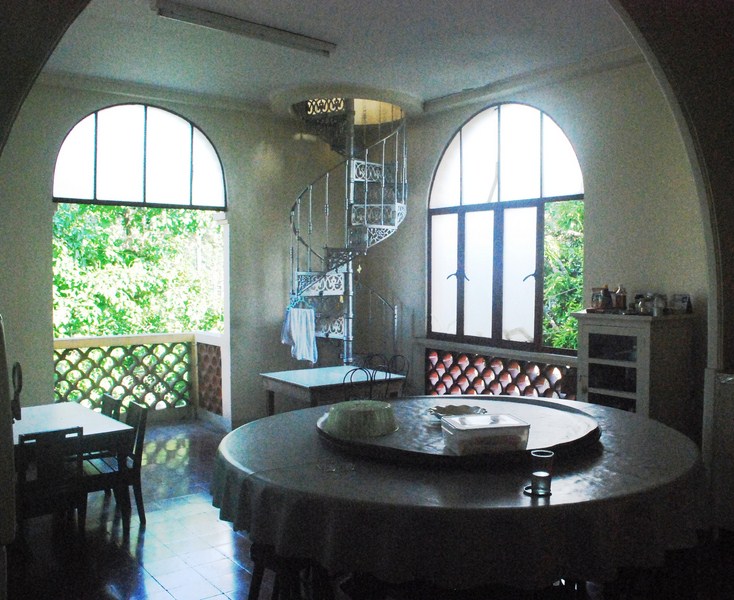
On the steps leading up to the second floor of the house is a haunting bronze bust of four-year-old Julio Cesar created by sculptor Guillermo Tolentino (National Artist of the Philippines for Sculpture in 1973).  At the informal dining area is a spiral staircase with exquisite fretwork patterns.

The exquisite spiral staircase

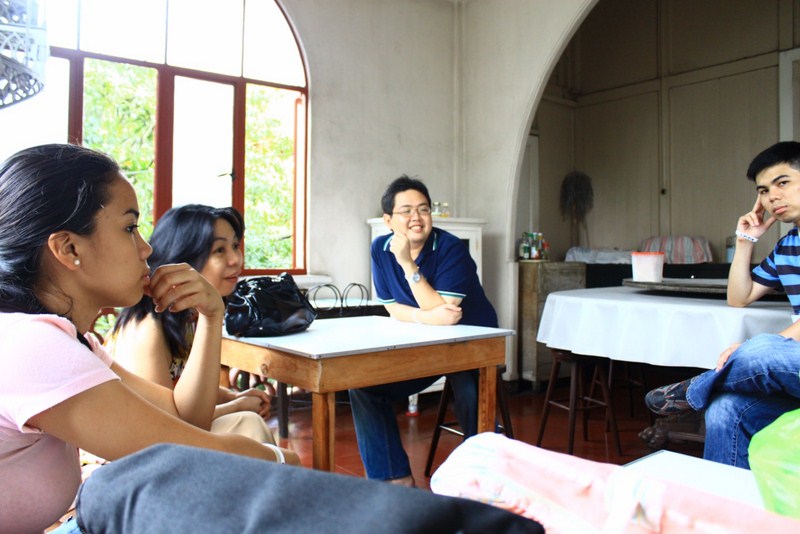
During our stay in Silay, Solo would sometimes invite us to have our breakfast there or for snacks of homemade Silaynon delicacies such as tsokolate (made from round cacao tablets and fresh carabao’s milk), bizcocho (thin slices of toasted bread much like the biscocho, but without the butter and sugar), the sweet and decadent dulce gatas (a mixture of fresh carabao’s milk and muscovado sugar reduced to a thick caramel-like concoction) and meringue prepared by my Tita Charet.

The informal dining area

L-R: Cheska, Grace, Solo and Jandy

Jose C. Locsin Ancestral House: Juan Valencia cor. J.Pitong Ledesma Sts., Silay City Heritage Zone, SilayNegros Occidental Philippines. Coordinates: 10.7981254, 122.9741791

A Good Friday Roadside Scene (Tarlac)

On our way back to Manila from our Holy Week vacation at Lingayen (Pamgasinan) with my kids Jandy and Cheska, we encountered, along the highway in Camiling, a group of barefoot Filipino men  marching along the road, one carrying a heavy wooden cross while others were whipping their already bloody backs.  Curious, we stopped and parked our Toyota Revo along the road to join the crowd of onlookers observing this annual, gory Good Friday religious ritual.

A gory Good Friday roadside staple

During the Lenten season, many Filipino devotees (including some women), as a form of worship and supplication, perform religious penance during the week leading up to Easter Sunday.  However, these practices, widely believed by devotees to cleanse sin, cure illnesses and even grant wishes, are discouraged by the Catholic Bishops Conference of the Philippines who describe them as “inappropriate.”  However, these practices cannot be easily relinquished as it is already embedded in local culture and tradition. 

The man with the cross

Normally, those carrying the cross wear a maroon robe but the man we observed was, like the others, just naked from the waist up.  His face, also like the others, was covered by a piece of cloth with a crown of leaves on their head.  Bloody gashes, from the repeated strikes of their whips, could be seen on the backs of the flagellants who believe that their sacrifice would, somehow, grant salvation for their sins.

The self-flagellants

The self-flagellation ritual starts with the tying of ropes around the arms and legs of the flagellants (the one carrying the cross was similarly tied).  Then, with a blades, wounds are inflicted on their backs.  They then march, under the scorching heat of the sun, for about 4 to 5 hours.  Every 500 m. or so, they stop to rest.

Church of St. Anthony of Padua (Macau)

From the Protestant Cemetery, Jandy, Cheska and I walked over to the nearby Church of St. Anthony of Padua (Igreja de Santo António) at Sto. Antonio Square.  Consider to be the very first church of Macau, the original church, which marks the site where the Jesuits set up their earliest headquarters in the city, was first built of bamboo and wood before 1560. A stone church was erected in 1638, burned down in 1809 and rebuilt in 1810 and again in 1875. The present Neo-Classical church was a reconstruction carried out again in 1930.  Further construction and repair works were done on the facade and tower in 1940.

Church of St. Anthony of Padua

Previously, members of the Portuguese community would hold wedding ceremonies there, so giving rise to the Chinese name of Fa Vong Tong (Church of Flowers). The 2-storey church has a simple asymmetrical Neo-Classical facade, a 3-storey high bell tower and is topped by a boldly ornamented classical pediment. Decorative window architraves on the second level stretch the width of the building, providing additional architectural interest to the design.

Church of St. Anthony of Padua – Interior

Macau Cathedral (Macau)

From St. Lawrence Church, Jandy Cheska and I walked over to Cathedral Square where the Macau Cathedral, Paco Episcopal Bishop’s House and Cartorio da Se and a fountain (added in the place of a car park when the courtyard was beautified from 2005-2006) are located.

Cathedral Square

Macau Cathedral (also called Se Cathedral or, simply Se) is the mother church of the Catholic Diocese of Macau, which once included the Catholic parishes in China, Japan and Korea. It was built around 1622 and repaired in 1743 and 1780. The cathedral was originally constructed with taipa (compound material consisting soil and straw).

Macau Cathedral and its Fountain

During the restoration of 1780, the religious services of the Cathedral were temporarily transferred to the old chapel of the Holy House of Mercy. The cathedral was damaged by a typhoon in 1836 and its services were then transferred to St. Dominic’s Church, until repairs were completed in 1850, following the design of local architect Tomas d’Aquino.

Macau Cathedral – Interior

The facade is characterized by a massive front entrance with pilasters and the twin bell towers in front that stand out on the streetscape. The exterior is clad in Shanghai plaster, giving the church a monolithic subdued grey appearance.  Compared to the other churches I saw in Macau, the cathedral is somewhat plain. The cathedral holds sacred relics of Japanese martyrs from the persecution of Christians in the 17th century.

Paco Episcopal Bishop’s House

To the left of the cathedral (or right, if you’re looking out from it) is the Paço Episcopal Bishop’s House.  Finished in stucco and painted cream, with white trimmings, it more like the other churches I saw in Macau. Right in front of the Cathedral is the Cartório da Sé (Cathedral Registrar) where marriage registrations, births and deaths are recorded.

Cartorio Da Se

Macau Cathedral: 1 Cathedral Square, Macau

St. Lawrence Church (Macau)

From St. Augustine Square, Jandy, Cheska and I walked next to Rua de Sao Lourenco to visit St. Lawrence’s Church (Igreja do Sao Lourenco), one of the oldest churches of Macau. It was originally built with wood by the Jesuits in 1560, with clay in 1618 and reconstructed in stone around 1803. The present church was the result of the works carried out in 1846.

St. Lawrence’s Church

Located on a hilly part on the southern coastline of Macau, overlooking the sea, we approached the church via a beautiful stone staircase and entered it via an ornamental double swing, wrought iron gate decorated by a simple Greek cross symbol.  Also here, on the front steps leading to the church, families of Portuguese sailors used to gather to pray and wait for the return of their loved ones, hence it was given the name Feng Shun Tang (Hall of the Soothing Winds).

The Beautiful Stone Staircase

The church has a Neo-Classical facade divided into 3 sections, with the center flanked by the 2 square bell towers, each measuring around 21 m. high. The facade is filled with classical features like the pilasters and volutes over the windows and is topped by an iron cross and the symbol of Mary consisting of the intertwined letters A and M (Auspice Mari’a, a monogram of the Virgin Mary).

Facade of St. Lawrence’s Church

The central section of the main facade is characterized by a pediment interrupted in the middle by an oval emblem. The ground plan of the church is in the shape of a Latin cross, measuring 37 m. by 29 m.. The shorter arms of the building form two interior chapels. The longer extension of the building corresponds to the main nave inside.

St. Lawrence’s Church – Interior

Ornamented pillars and exquisite chandeliers create an elegant church interior, heightening its ambiance. The main altar separated by a vaulted arch and the nave is covered with Chinese tiles.

Sir Robert Ho Tung Library (Macau)

From St. Augustine Church, we proceeded to the 3-storey Sir Robert Ho Tung Library.  Built before 1894, it was originally the residence of Dona Carolina Cunha. Hong Kong businessman Sir Robert Ho Tung purchased it in 1918, using it as his retreat until his relocation to Macau during World War II when Hong Kong fell into the hands of the Japanese in 1941.

Sir Robert Ho Tung Library

He passed away in 1955 and in accordance with his will, the building was presented to the Macao Government for conversion into a public library.  In 1958, the Sir Robert Ho Tung Library was officially opened  to the general public.

Sir Robert Ho Tung Library – Facade

This Macanese mansion has 5 interconnecting corridors on the ground floor, while the 2 upper layers are decorated with 5 arched-windows. Its arcaded facade, decorated with pilasters and Ionic columns, is highlighted in white stucco against yellow plastered walls, with molding running along the facade’s width. The roof dome, with 4 ridges, is built in red bricks. The library’s intricate steel gate and arches open to the St Augustine Square and the St Joseph Seminary.

Seminary of St. Joseph

In 2005, a new MOP20 million, 4-storey building was constructed near the back garden of the mansion, making the now 30,000 sq. m. library the biggest public library in Macau.  The library displays historical archives and ancient literature. At the second level, the Ho Sir Literature Archive provides 16 various categories of ancient literature and books on Chinese history and Catholicism, including the compendium of Weng Fang Gang’s Siku Tiyao (Complete Library of the Four Treasures) which constitues a large collection of books on Chinese history.

St. Augustine’s Church (Macau)

From Dom Pedro V Theater, we walked further up the square to St. Augustine’s Church, part of a monastery founded in 1586 by Spanish Augustinians, was rebuilt in 1828. The facade was originally of the Baroque style but the existing facade, dating from 1814, is more Neo-Classic. This church maintains the tradition of organizing one of the most popular processions through the city, the Easter Procession, with thousands of devotees..

St. Augustine’s Church

Its normal (10:30 AM in Tagalog and 4:30 PM in English) Sunday religious service takes into account an especially strong participation from Macau’s large Filipino community. The church has a simple, Neo-Classical facade which contrasts with the elaborate decoration of the interior nave, chancel and service area. The main entrance, flanked by 2 pairs of granite Doric columns, has windows framed with simple white relief plasterwork and a triangular pediment, on the top, with a centrally located niche with statue of the Virgin Mary.

St. Augustine’s Church – Interior

The nave is divided into 3 sections by 2 rows of archways supported on Corinthian-inspired columns. The wooden ceiling over the nave is decorated with paintings, mostly over the main altar area. There are small side altars and niches following up to the main altar, with some decorative details that display a Baroque influence. Over the main entrance there is a choir that extends to the side walls, forming a narrow balcony, a design similar to that of the Church of St. Dominic’s.

St. Augustine’s Church – High Altar

St Augustine Church’s marble-clad high altar contains a statue of Christ carrying the cross, Our Lord of the Passion (Nosso Senhor dos Passos)

Dom Pedro V Theater (Macau)

From Largo de Leal Senado, Jandy, Cheska and I walked all the way to Augustine’s Square (Largo de Santo Agontinho), site of various classified buildings such as St. Augustine’s Church, Dom Pedro V Theater, St. Joseph’s Seminary and Sir Robert Ho Tung Library. Its cobblestone pavement unifies the area and reflects a traditionally Portuguese streetscape.

St. Augustine’s Square

We first visited the Dom Pedro V Theater, built in 1860 and renovated in 1873.  The first Western-style theater in China, today it is one of the most important cultural landmarks in the context of the local Macanese community and is a venue for important public events and celebrations that remains in use to this day. The Dom Pedro V Theater is Neo-Classical in design, incorporating a portico front on a rectilinear plan.

Dom Pedro V Theater

The facade is topped with a triangular pediment supported on 4 sets of Ionic columns. Three archways, each measuring 3 m. wide by 6 m. high, rise on pedestals resting on granite steps. The ornamentation on the green stucco facade is relatively restrained, with festoons above the arches and simple floral patterns around frames accentuated in white plaster. Similarly the cornice and architrave mouldings are highlighted in white, in contrast with the building.

Dom Pedro V Theater – Facade