
Fourth Part of NCCA Heritage Tour
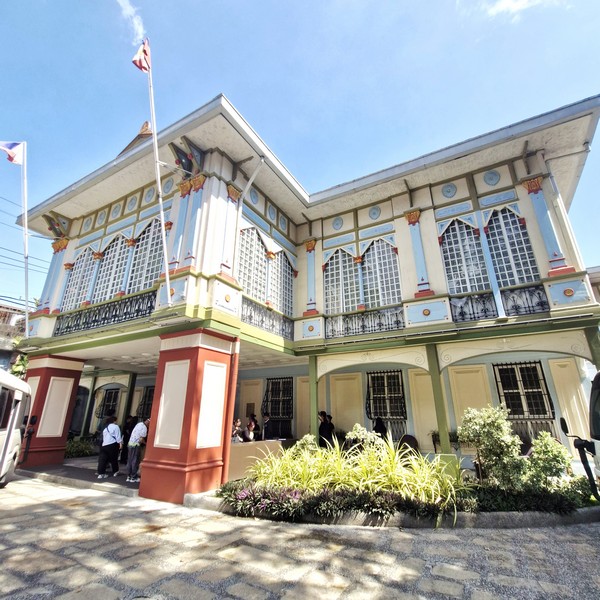
The stunning, Spanish-Era, Neo-Gothic-style Teus Mansion (beside the Goldenberg Mansion), preserving the legacy of Philippine leadership by displaying rare portraits and historical memorabilia of the nation’s 17 Philippine presidents (that were previously shown in the Kalayaan Hall Presidential Museum and Library), takes its name from Valentin Teus Yrissari (1832-1909), a Spanish businessman, of Basque descent, from Navarra (at the foot of the Pyreness), who arrived in the Philippines in 1847 at the age of 15.
Check out “Goldenberg Mansion“
In 1856, Teus acquired a local distillery in Hagonoy, Bulacan, owned by Elias Menchatorre. Later, he merged his operations with Ynchausti y Cia, a company supplying equipment and abaca rope (for ship’s rigging) for steamships, which evolved into the renowned Tanduay Distillers.
In 1871, Valentin became alcalde primero of the Ayuntamiento (City Council) de Manila and, the following year, was honored as Comendador de la Real Orden de Isabela la Catolica. He later married Teresa Ferrater Ponte (1847 – 1892), the niece of the capitán general. Following Ponte’s demise, Valentin, now 62, married Maria Dolores Menendez Valdes de Cornellana Ferrater, Teresa’s 20-year old niece, at San Miguel Church. They had 4 children: Valentin Jr. (who died young), Concepcion (known as Concha), Valentin III (or Tito), and Dolores (affectionately called Lolin).
Initially residing in Binondo, Valentin, in a gesture of affection, surprised Dolores with Teus Mansion in the 1890s, a new residence, in the fashionable arrabal of San Miguel, built on the ruins of an older convent probably destroyed during the 1880 earthquake. He and his family would occupy this residence in Manila but, periodically, every five years, Valentin would journey to Spain. In 1909, Valentin unexpectedly died, leaving Dolores to manage the household and the family affairs. After Dolores’s own demise, the family eventually relocated to Spain by selling their interests there.
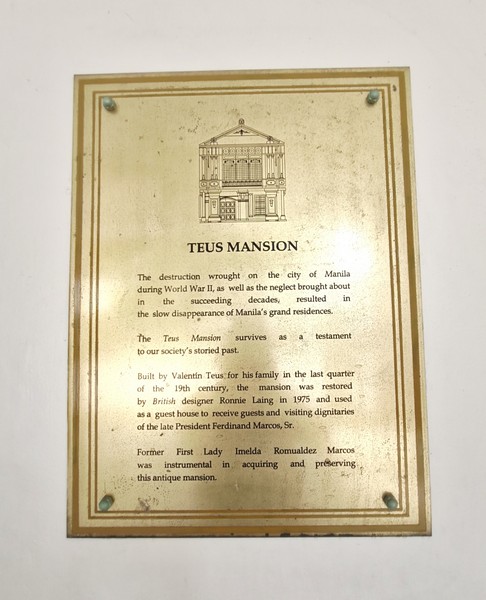
The mansion was inherited by Concepción Teus, the eldest child, who rarely visited it, leaving an old man as caretaker. The once proud mansion deteriorated. The kitchen roof fell in and the attic became home to a bat colony. In 1974, Concepción opted to sell the mansion (none of her 7 children and 48 grandchildren were interested) to First Lady Imelda Marcos. In 1975, she engaged British interior designer Ronnie Laing and antique dealer Viring de Asis to renovate the Teus Mansion as a guest residence, becoming one of the Marcos mansions.
The former dining room was made into two bedrooms and partitions, in another bedroom, were taken down to create a spacious living-dining area. Bathrooms and closets were cleverly added, their entrances cleverly camouflaged behind aparador (cabinet) fronts. The original downstairs carriageway now serves as an entrance hall. The rest were transformed into 12 bedrooms which, with the existing five upstairs, gave the old home a total of 17 bedrooms. Notable guests at the Teus Mansion included the Italian-American socialite Cristina Ford, who was close associate of Imelda.
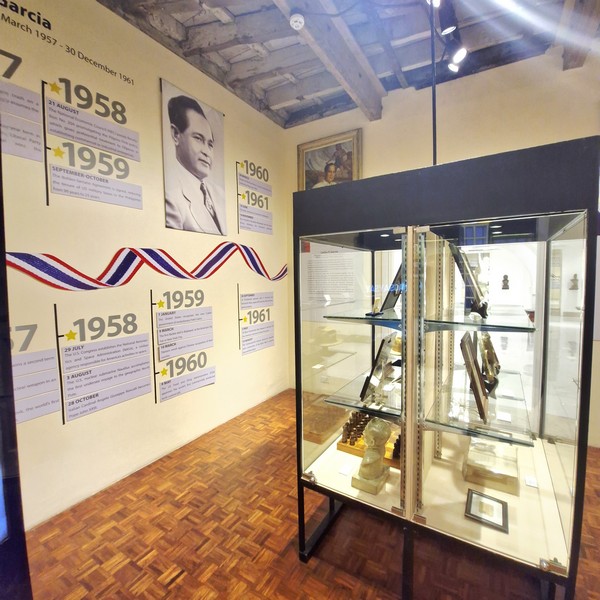
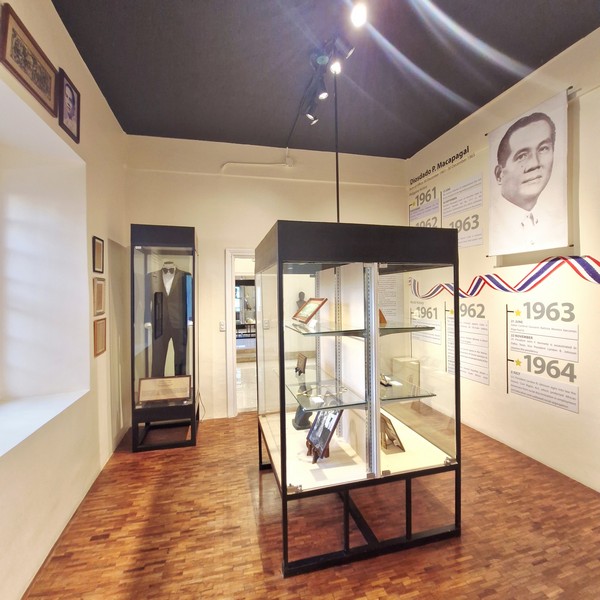
After the People Power Revolution of 1986, the Teus Mansion, and other properties within the Malacañang Palace complex, became possessions of the Government of the Philippines but was left unused and remained closed to the public.
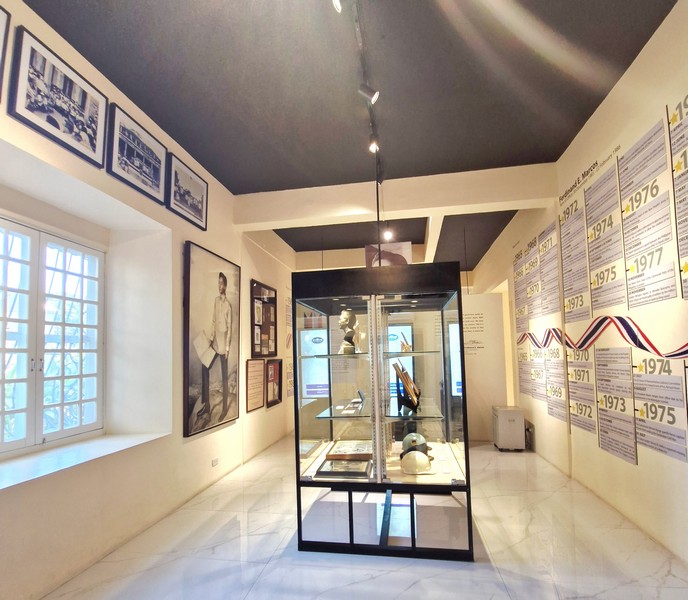
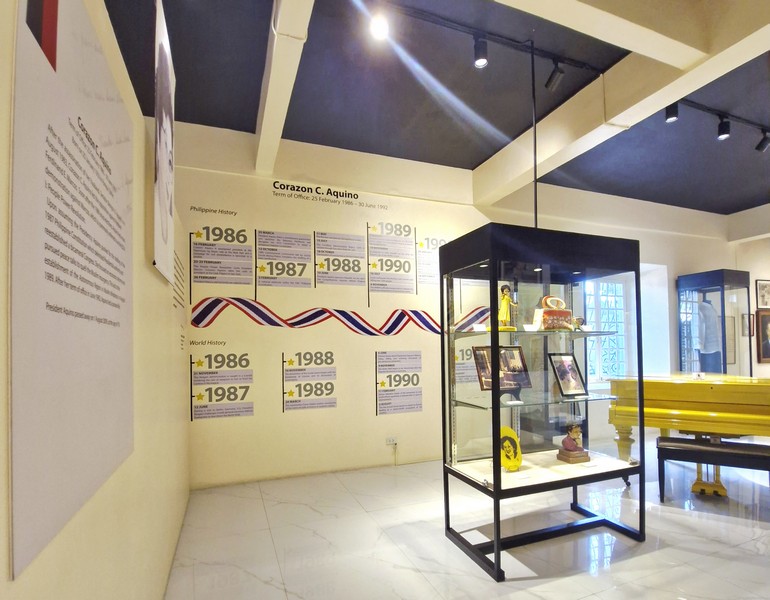
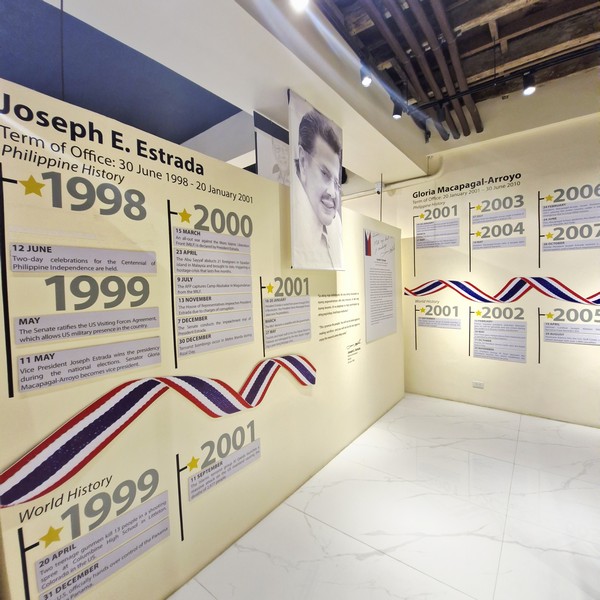
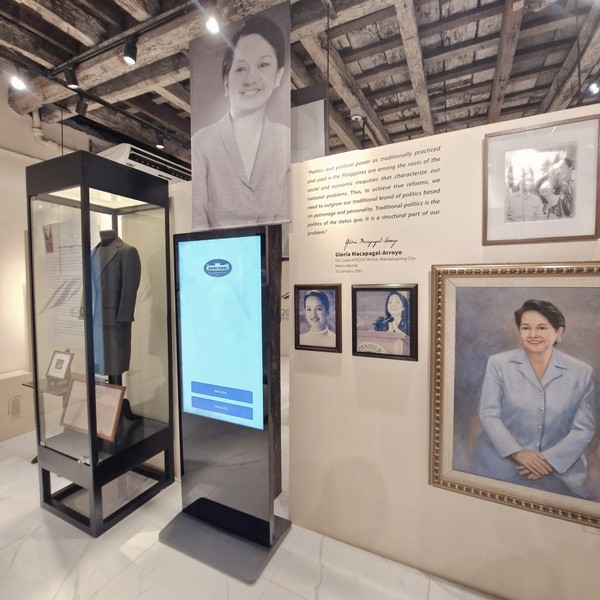
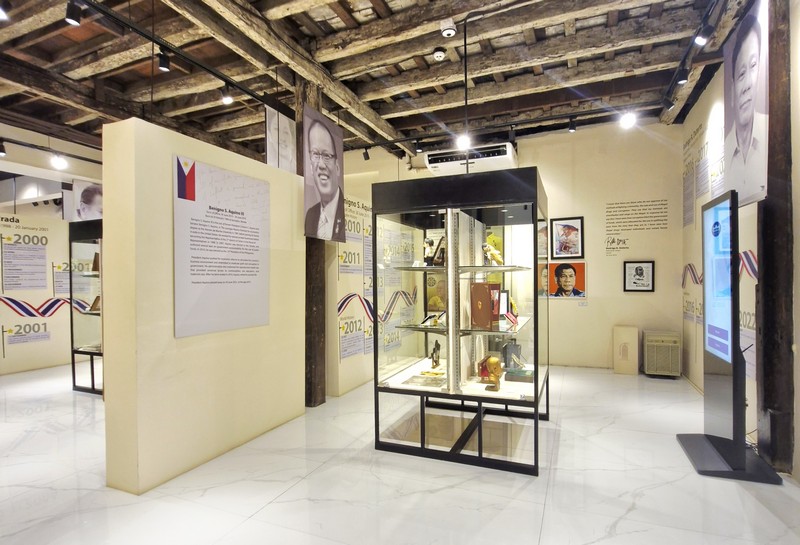
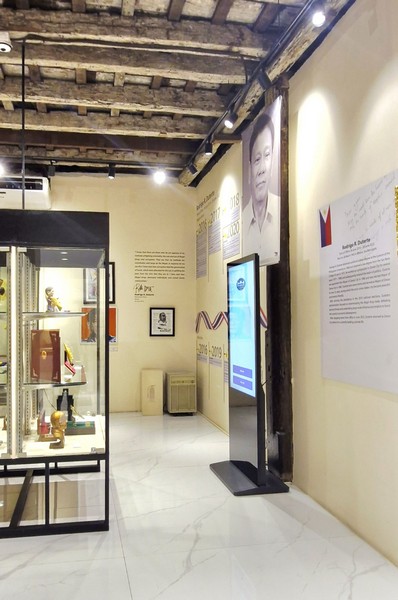
On May 12, 2023, President Bongbong Marcos issued Executive Order No. 26 to conserve and protect cultural heritage sites around Malacañang Palace, including the Teus Mansion. That same year, the Teus Mansion underwent renovations, overseen by First Lady Liza Araneta Marcos, to house collections from the Presidential Museum (formerly located in Kalayaan Hall). The supervision of these properties was transferred to the Social Secretary’s Office from the former Office of the Deputy Executive Secretary for General Administration.
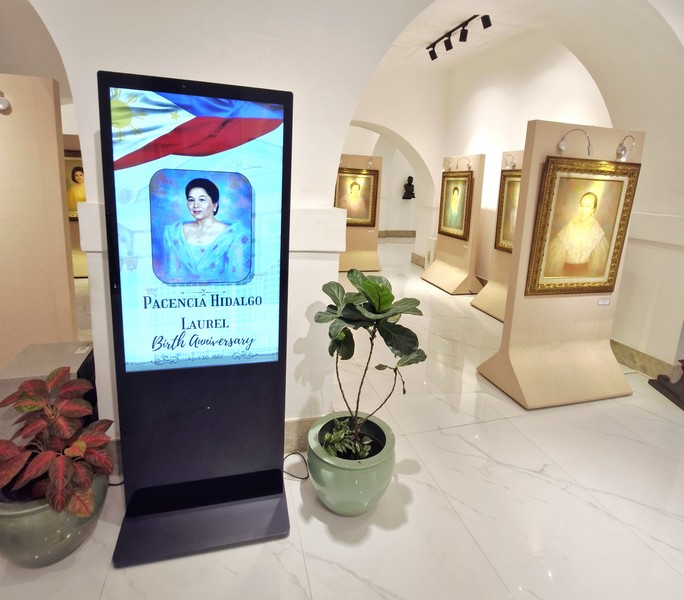
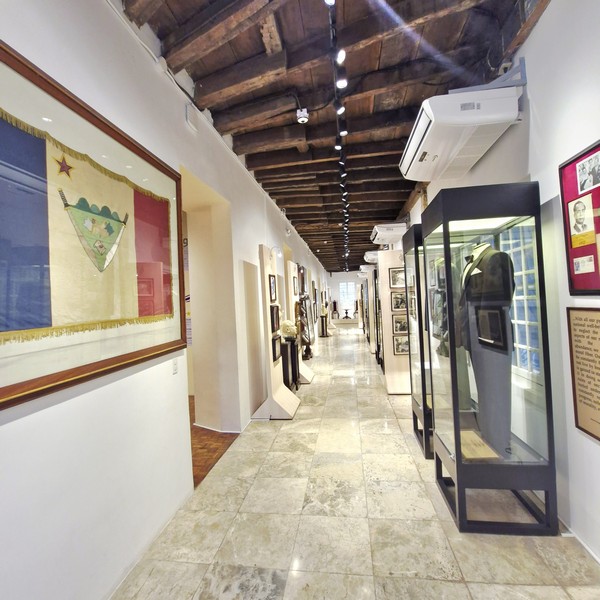
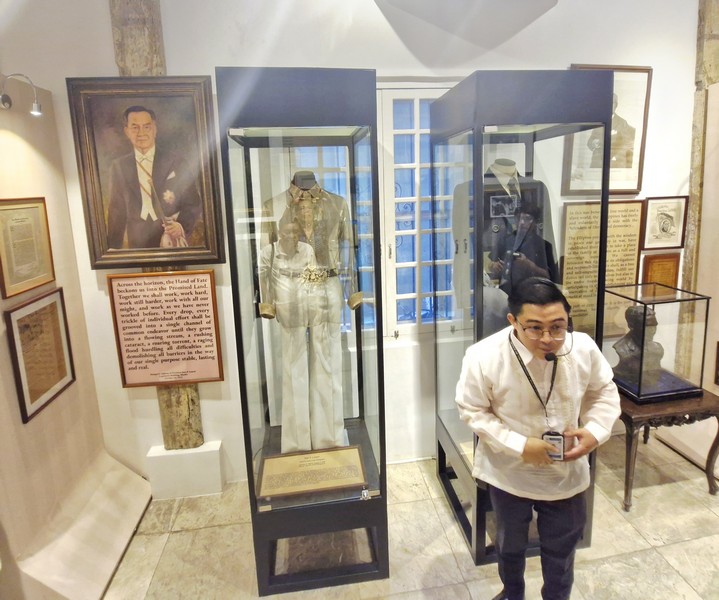
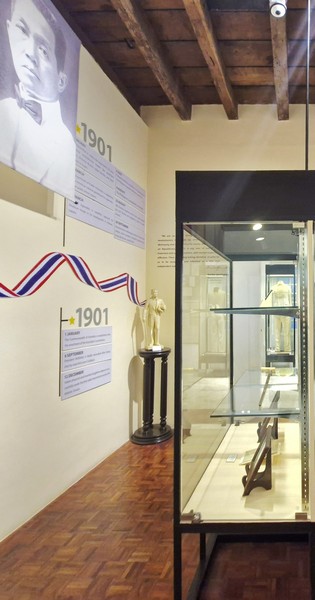
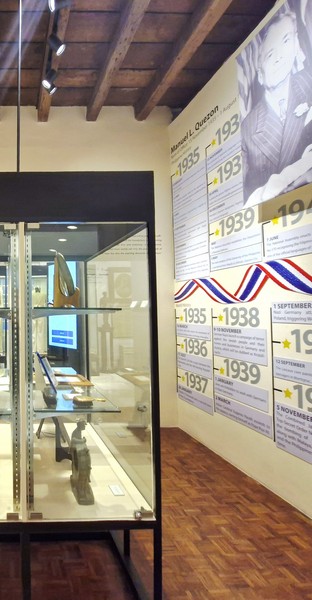
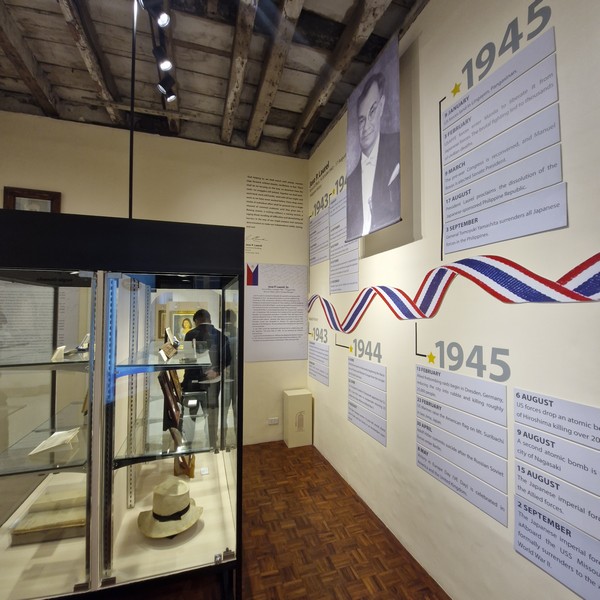
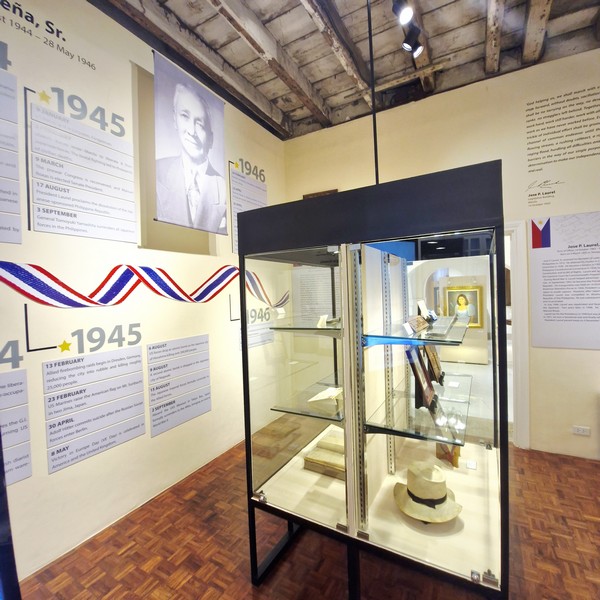
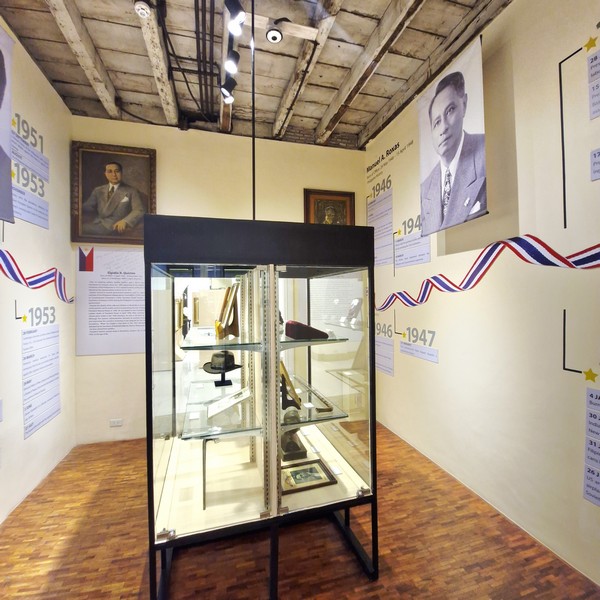
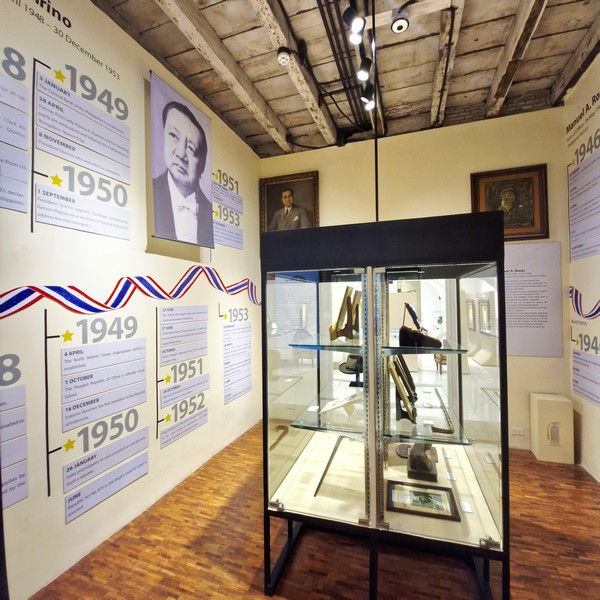
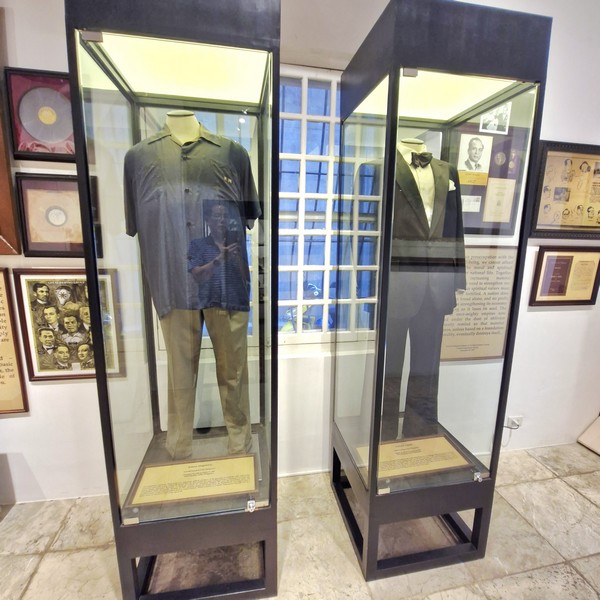
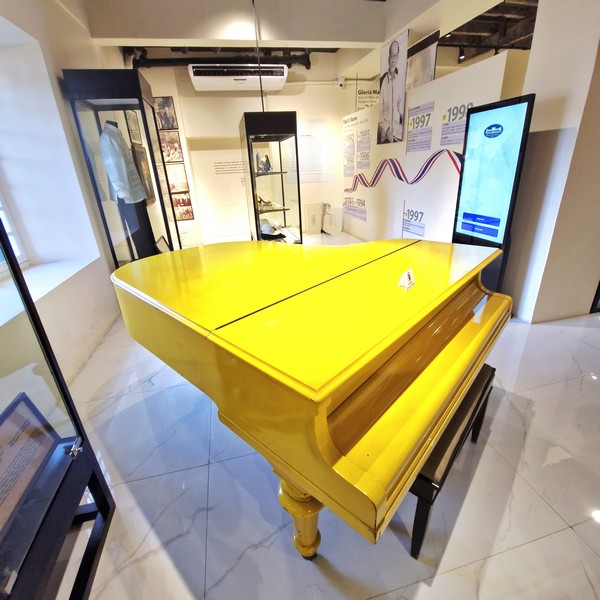
The rooms were transformed into galleries exhibiting artifacts, personal belongings, clothing, souvenirs, gifts, photographs, and memorabilia of Philippine Presidents, from Emilio Aguinaldo to Rodrigo Duterte. One or two rooms is devoted to each president,. Wall text and photographs sustain the main narrative. Memorabilia from government collections and loans or gifts from presidential families include medals and decorations, commemorative coins, and miscellanea like eyeglasses, a golf club, chess pieces, automobile license plates, a buntal hat and a cap, flyers from long-ago elections, souvenirs of EDSA I, and sculptures like one of President Ramos’ head puffing on a cigar.
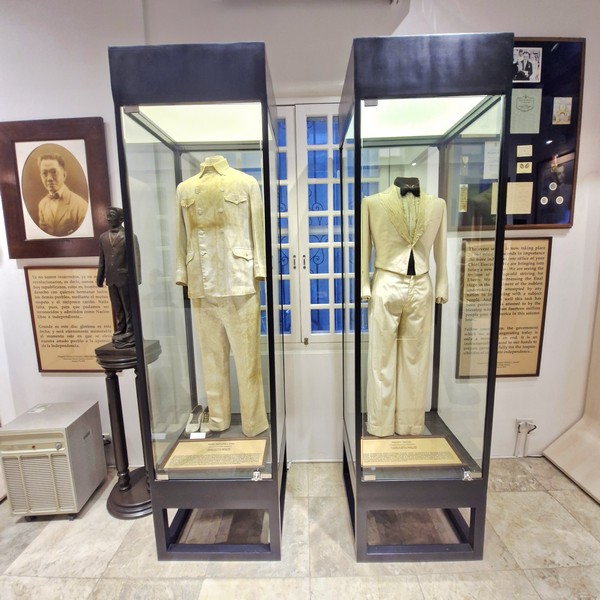
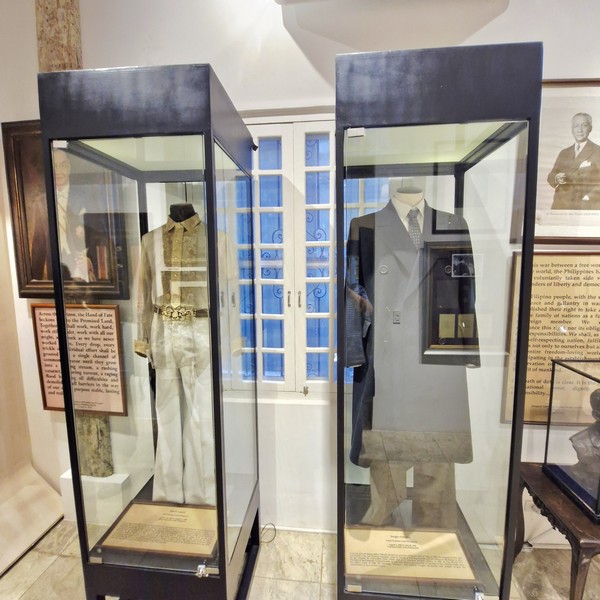
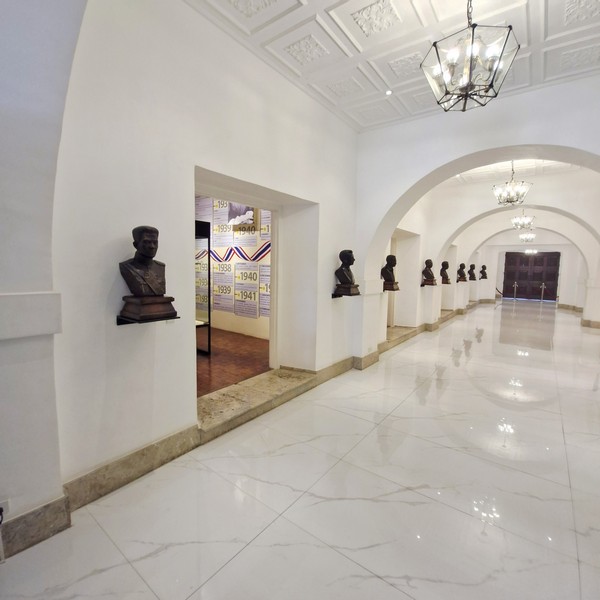
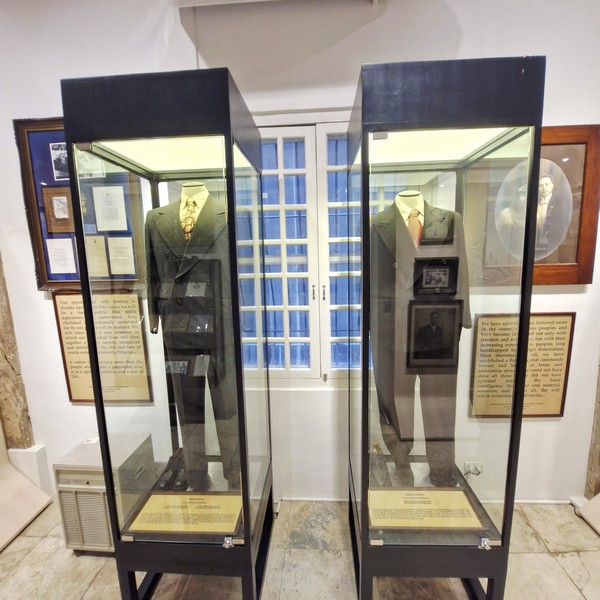
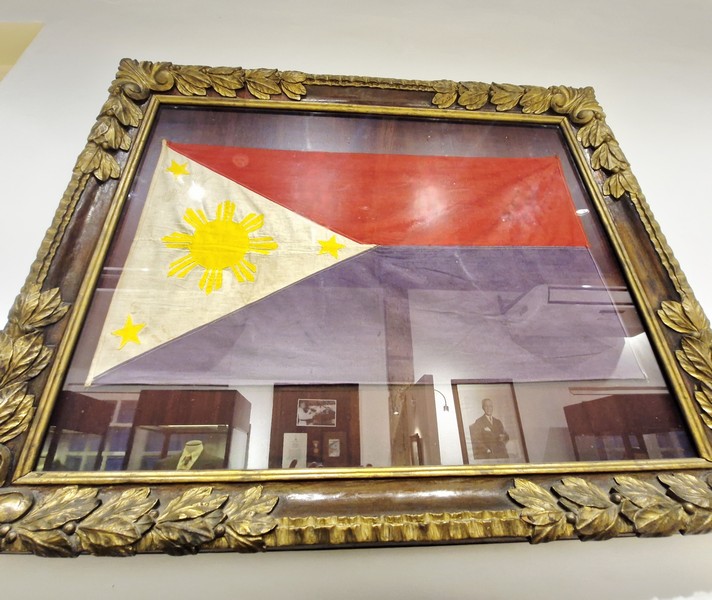
The Osmeña Room has a Philippine flag signifying that the Republic was then at war, with the red section above the blue. Barong Tagalog and/or suits of most of the presidents, on mannequins, provide an unintended history of Philippine men’s fashion. The main hall is lined with busts of presidents and there is also a gallery with portraits of First Ladies.
AUTHOR’S NOTES:
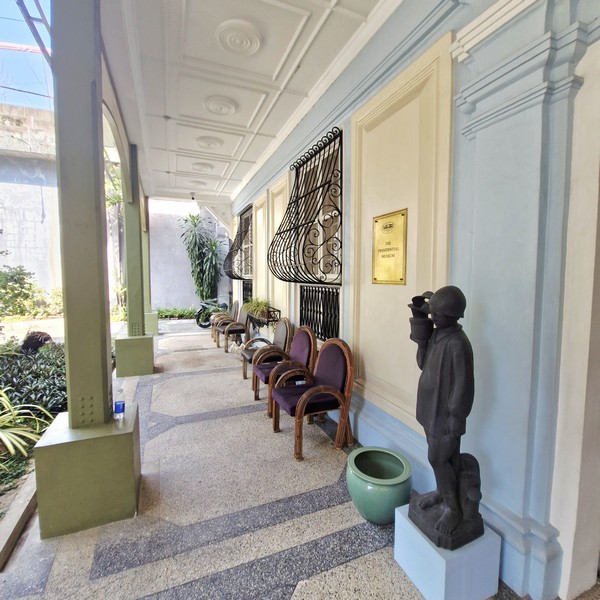
The two-storey façade, with Neo-Gothic windows (flanked by paired and single flat pilasters), on the upper floor, and quadrilateral windows, on the ground floor, features a protruding central section, topped by a triangular pediment (flanked by 8-petalled finials and topped by an acroterion), holding the porte cochere below. Below the windows are grilled ventanillas. The massive wrought iron gate of the mansion opens up to a stone courtyard with a circular fountain.
Teus Mansion: Gen. Solano cor. J. Nepomuceno (formerly Tanduay) Sts., San Miguel, Manila. Tel: (02) 8249 8310 local 9009. Open Tuesdays to Sundays, 10 AM to 6 PM. Admission is free. E-mail: tours_mht@op.gov.ph. Website: www.teusmansion.gov.ph. Coordinates: 14°35′30″N 120°59′22″E.
National Commission for Culture and the Arts (NCCA): NCCA Bldg., 633 General Luna St., Intramuros, Manila, 1002. Tel: (632) 8527-2192. E-mail: info@ncca.gov.ph. Website: www.ncca.gov.ph.
Pingback: Goldenberg Mansion (City of Manila, Metro Manila) – B.L.A.S.T. – Live Life to the Fullest ……… Don't Stay Put
Pingback: Bahay Ugnayan (City of Manila, Metro Manila) – B.L.A.S.T. – Live Life to the Fullest ……… Don't Stay Put