New Year at the Dusit Thani Manila

After a one-year hiatus, we returned to our new tradition of spending New Years Eve at a hotel, away from the noise (and the smoke pollution associated with it) of firecrackers and fireworks.  More so now as I have my one year grandson Kyle with me.  This time we spent it at the Dusit Thani Manila, right in the heart of Makati’s financial district.

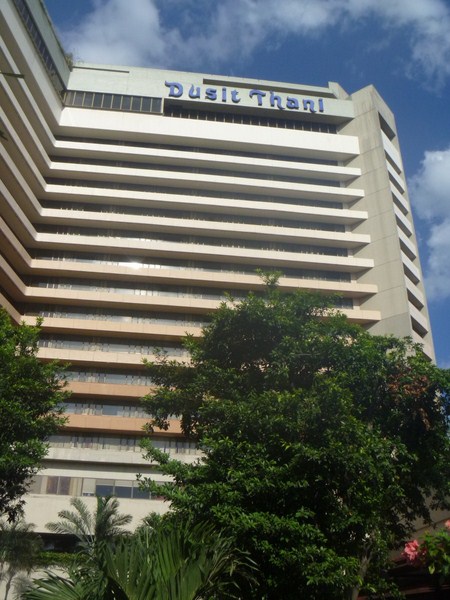
Dusit Thani Manila

Dusit Thani Manila

Surrounded by malls (SM Dept. Store is right across), restaurants, bars and boutiques, its location, aside from its affordability (it was the most reasonably priced of the 8 hotels I checked out), is the hotel’s most outstanding feature, it being along EDSA, one of Metro Manila’s major thoroughfares, which abounds with buses, taxicabs and what have you. The hotel is also located about 200 meters from the Ayala MRT station.

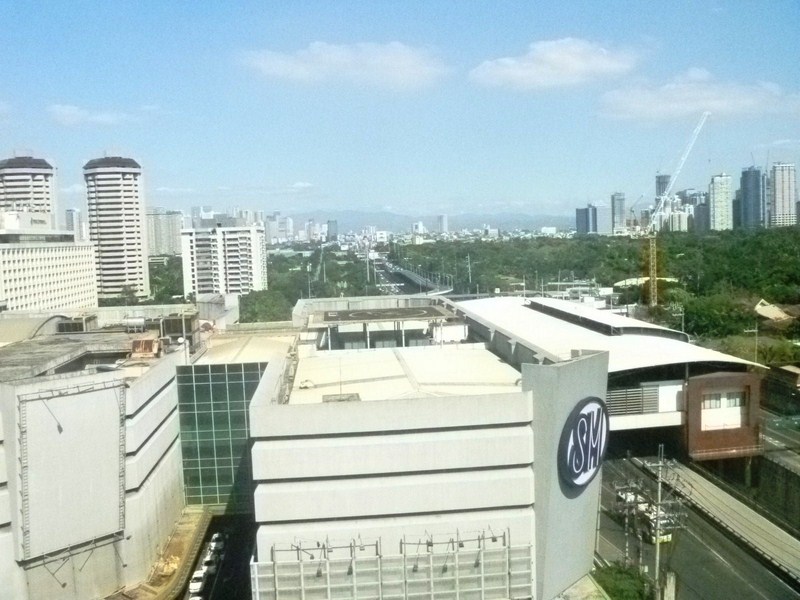
View of EDSA, Ayala MRT Station and Ayala Center from our room

View of EDSA, Ayala MRT Station and SM from our room

Formerly the Manila Garden Hotel and, later, the Japan Airlines (JAL)-owned Nikko Hotel Manila, it was acquired by the Dusit group (one of over 22 properties owned in Thailand and overseas) in 1995 and was renamed Dusit Hotel Nikko. On April 2008, it was renamed Dusit Thani Manila.  The hotel underwent an extensive US$20 million renovation which included  a state-of-the-art monochromatic beige-colored repainting of its facade. In 2011, it won 15 prestigious trophies (including “Hotel of the Year”) from the Singapore-based Hospitality Asia Platinum Awards (HAPA).

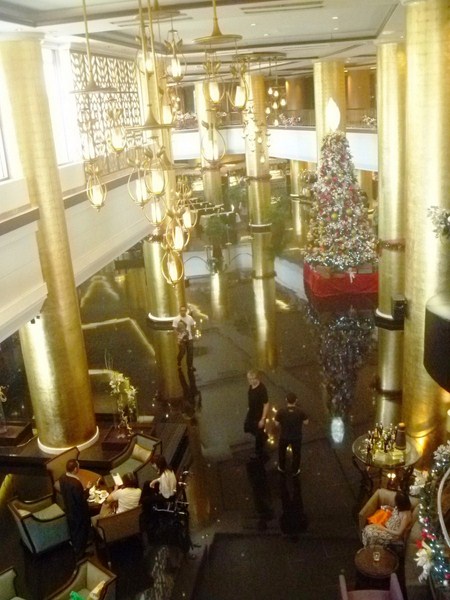
The impressive lobby with its gold leaf-covered columns

The impressive lobby with its gold leaf-covered columns

As I approached the hotel’s driveway, what first comes into sight is its Patrick Blanc-inspired vertical garden, with its 5-piece, 8-meter high green wall.  While bringing an aesthetic beauty to the surroundings of the hotel, it also has a significant impact on environment and atmosphere as it specifically lowers the temperature at the driveway, especially when the afternoon sun rays hit the entrance. Its water feature also helps cool the air that passes through the open spaces between walls. In recognition of these efforts, the hotel received a 2012 Silver certification by Earth Check, a globally renowned organization that grades environmental standards.

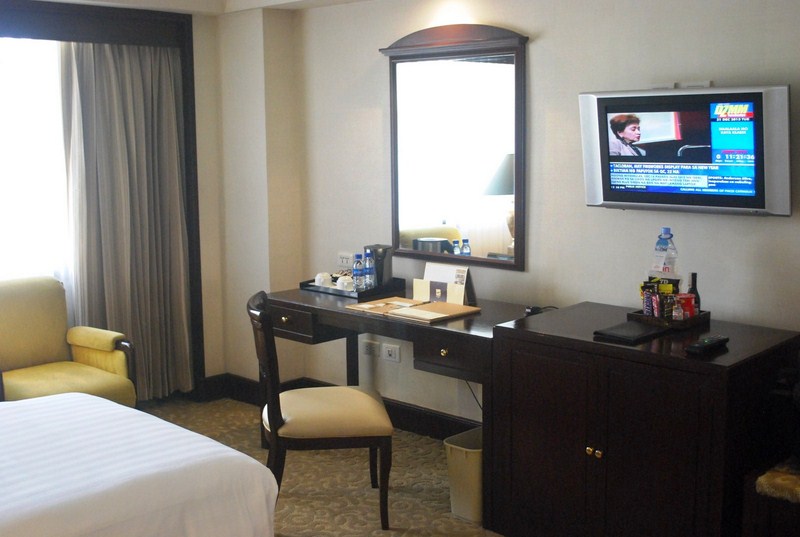
Room 1153

Room 1153

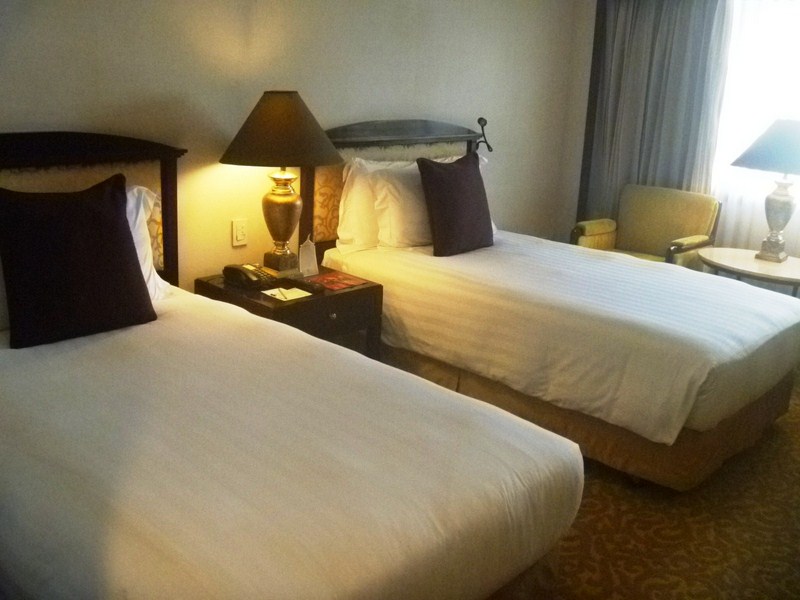
Our twin beds

Our twin beds

Upon entering the hotel’s spacious, impressive and tastefully decorated lobby (with its tall, decorated Christmas tree),  I noticed the lobby’s columns which were covered in real, elegant gold leaf, just like temples in Thailand.  While checking in (ultra fast to say the least), i was given a cold, herb-infused towel that refreshed me with its subtle fragrance.

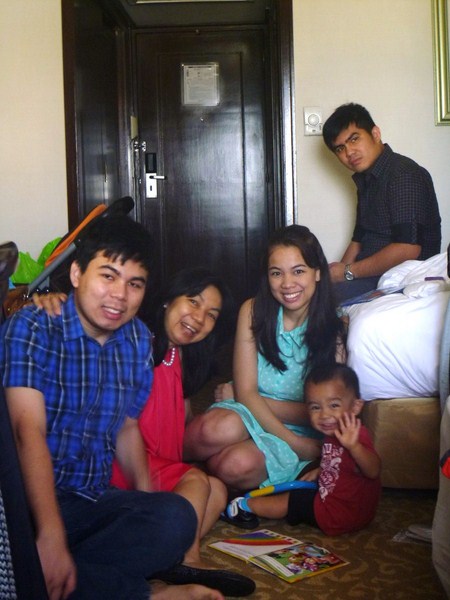
My family

My family

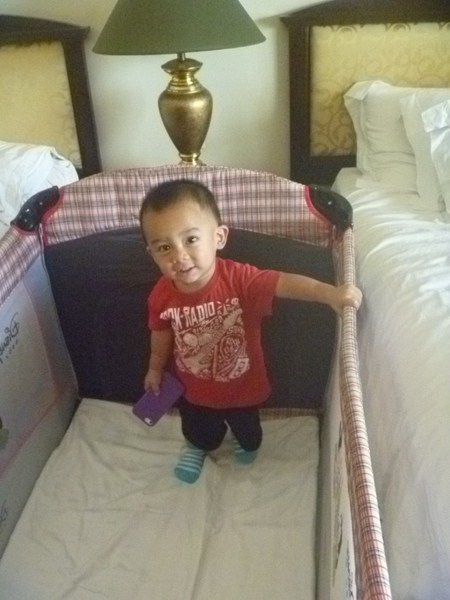
We stayed in an luxurious de luxe room with 2 comfortable double beds (Rm. 1153).  Our room, like all the others (the hotel has 538 rooms) at Dusit Thani Manila, are equipped with state-of-the-art facilities such as LCD flat screen TVs with satellite channels, a work desk, minibar, mini fridge; in-room safe; coffee and tea making facility, air conditioning and free (and surprisingly fast) wi-fi. Our ensuite bath had a bathtub.  They even offered, free of charge, a Disney-inspired baby cot for Kyle. Some of the other rooms benefit from Executive Club lounge access which offers complimentary drinks and snacks.

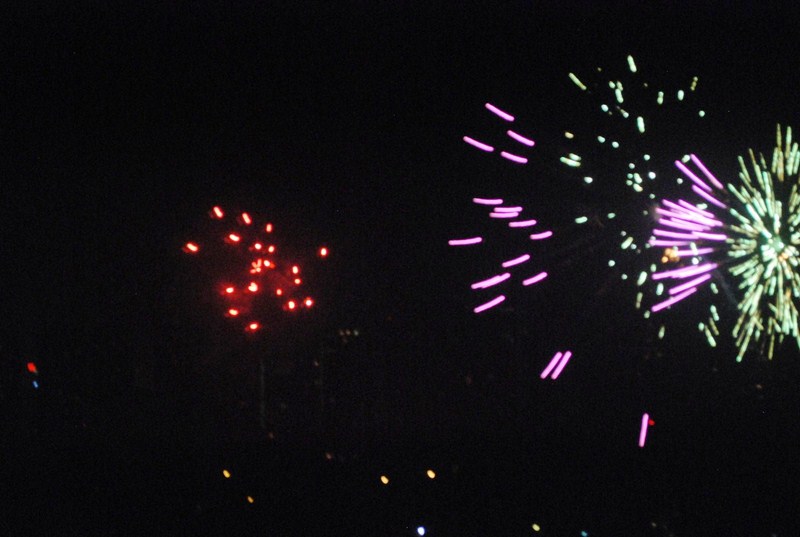
The pyrotechnic spectacle seen from our window

The pyrotechnic spectacle seen from our window

Come 8 PM, we attended a New Year’s Eve anticipated mass at the Molave Room at the mezzanine floor. Though we didn’t avail of the the hotel’s New Year Countdown Package, we  were still regaled by the fireworks display from our hotel room window which faced EDSA.  As I enjoyed the pyrotechnic spectacle with my family, I thank God for bonding moments such as these and I also prayed that others would also experienced what I felt.

Breakfast at Basix Coffee Shop

Breakfast at Basix Coffee Shop

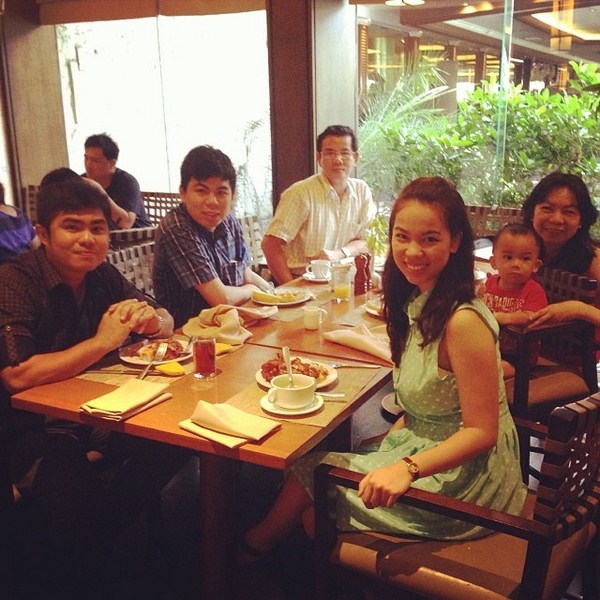
The next day, we had breakfast at Basix, the hotel’s ground floor, 24-hour coffee shop.  As the hotel was fully booked, tables and chairs were set up at the hotel lobby to accommodate the guests queuing up for a breakfast buffet of delectable international options.  It included cold cuts, ham, bacon, cheese, bread, pancakes, fruits, etc..

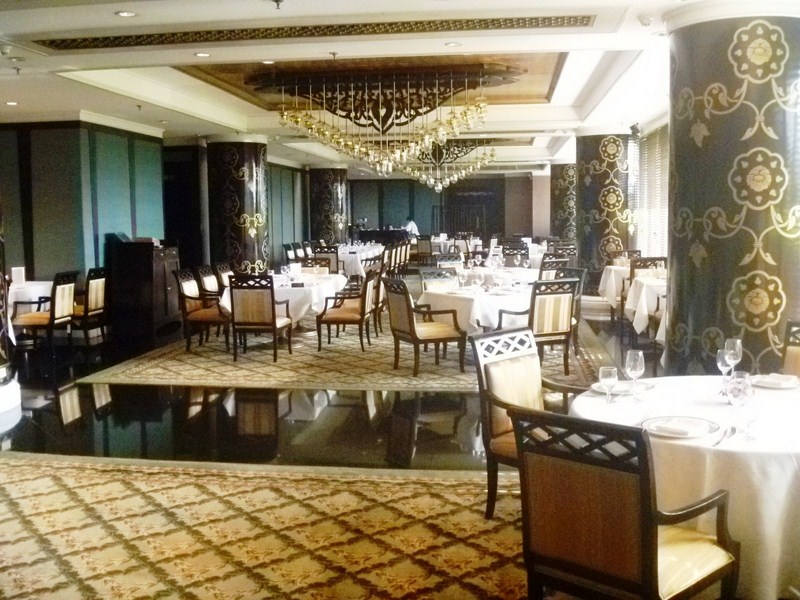
Benjarong Royal Thai Restaurant

Benjarong Royal Thai Restaurant

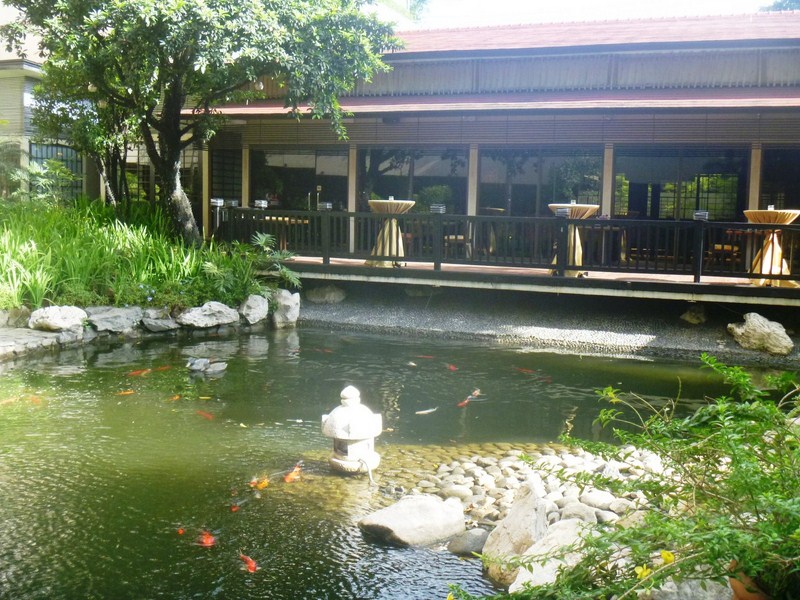
Dusit Thani also has 3 international restaurants.Western Tosca Restaurant, awarded “Most Exquisite Dining Experience” in 2011, offers Italian cuisine. UMU Japanese Sake Bar & Restaurant, awarded the  “Most Cosmopolitan Bar and Restaurant” in 2011 by HAPA, serves Japanese food and its private rooms offer views over the hotel’s highly-maintained and beautifully manicured  Japanese Garden and koi pond. The second level Benjarong Royal Thai Restaurant, awarded “Most Authentic Asian Cuisine Restaurant” in 2012 by HAPA, serves authentic Thai dishes.

The Japanese Garden and Koi Pond

The Japanese Garden and Koi Pond

The hotel also has  meeting and banquet facilities; an outdoor swimming pool; spa (Devarana – awarded “Signature Spa Experience” in 2011 by HAPA); business center; VIP room facilities; flower shop; 24-hour front desk; barber shop; beauty parlor;  24-hour medical clinic; souvenir/gift shop; and wellness center (DFit).

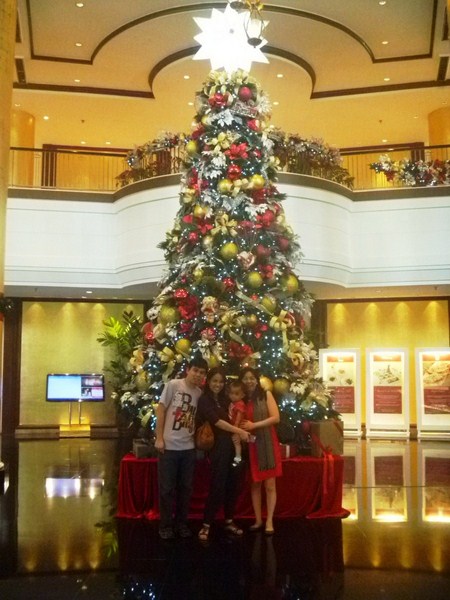
Posing in front of the lobby's huge Christmas tree prior to leaving

Posing in front of the lobby’s huge Christmas tree prior to leaving

They offer express check-in/check-out; luggage storage, 24-hour room service; airport shuttle; laundry; dry cleaning; ironing service, currency exchange; shoe shine, car rental; tours; safety deposit box, massage and fax/photocopying service.

Kyle in his Disney-inspired baby cot

Kyle in his Disney-inspired baby cot

Dusit Thani Manila: Ayala Center, Makati City.  Tel: (632) 238-8888. Fax: (632) 238-8800. E-mail: dtmn@dusit.com.  Website: www.dusit.com.

Filipino Heroes Memorial (Corregidor Island)

Our Corregidor Island tour included visits to the Japanese Garden of Peace and the Filipino Heroes Memorial, both a first for me as well as the rest of my family.

Check out “Japanese Garden of Peace

Filipino Heroes Memorial

Filipino Heroes Memorial

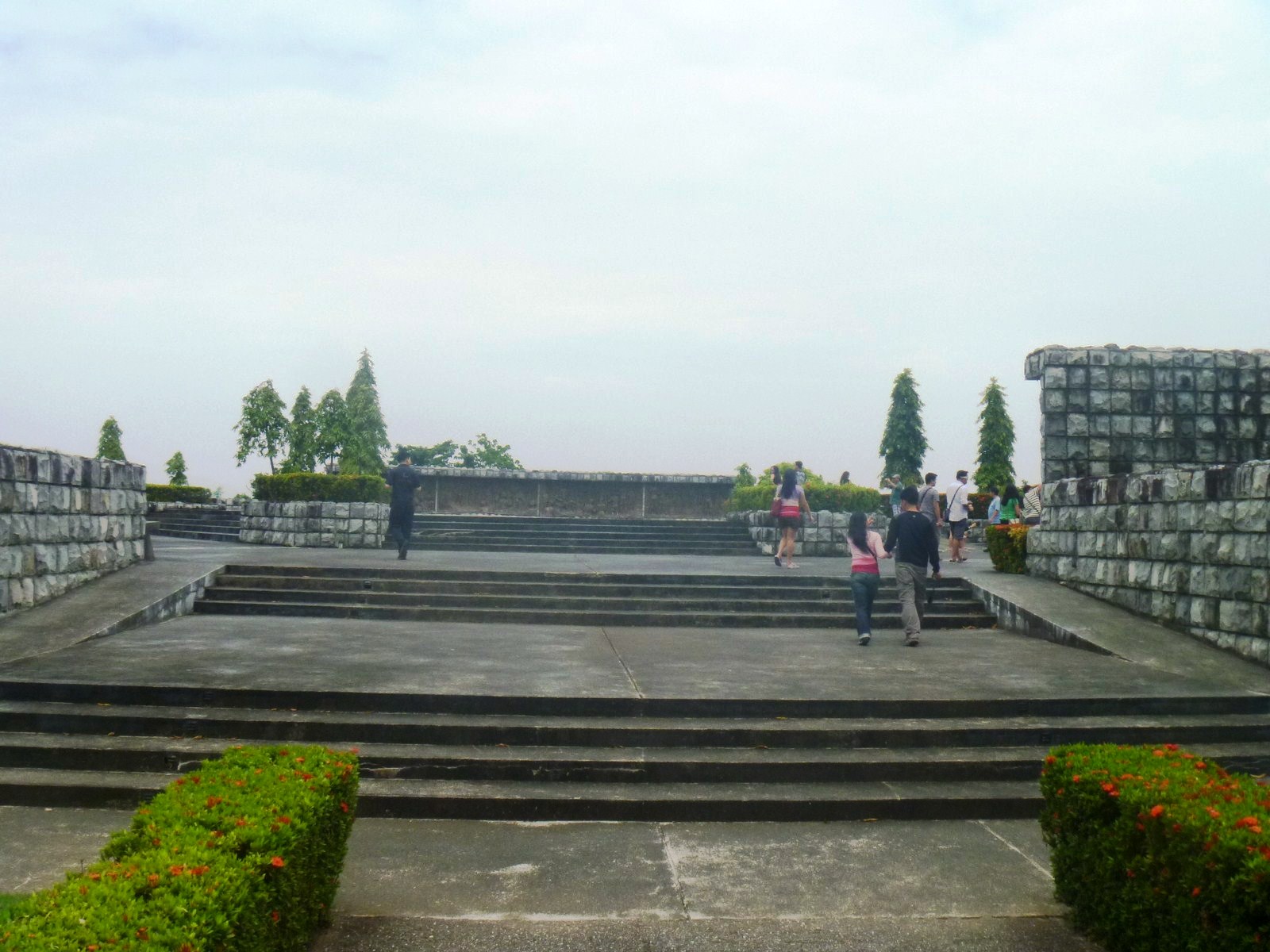
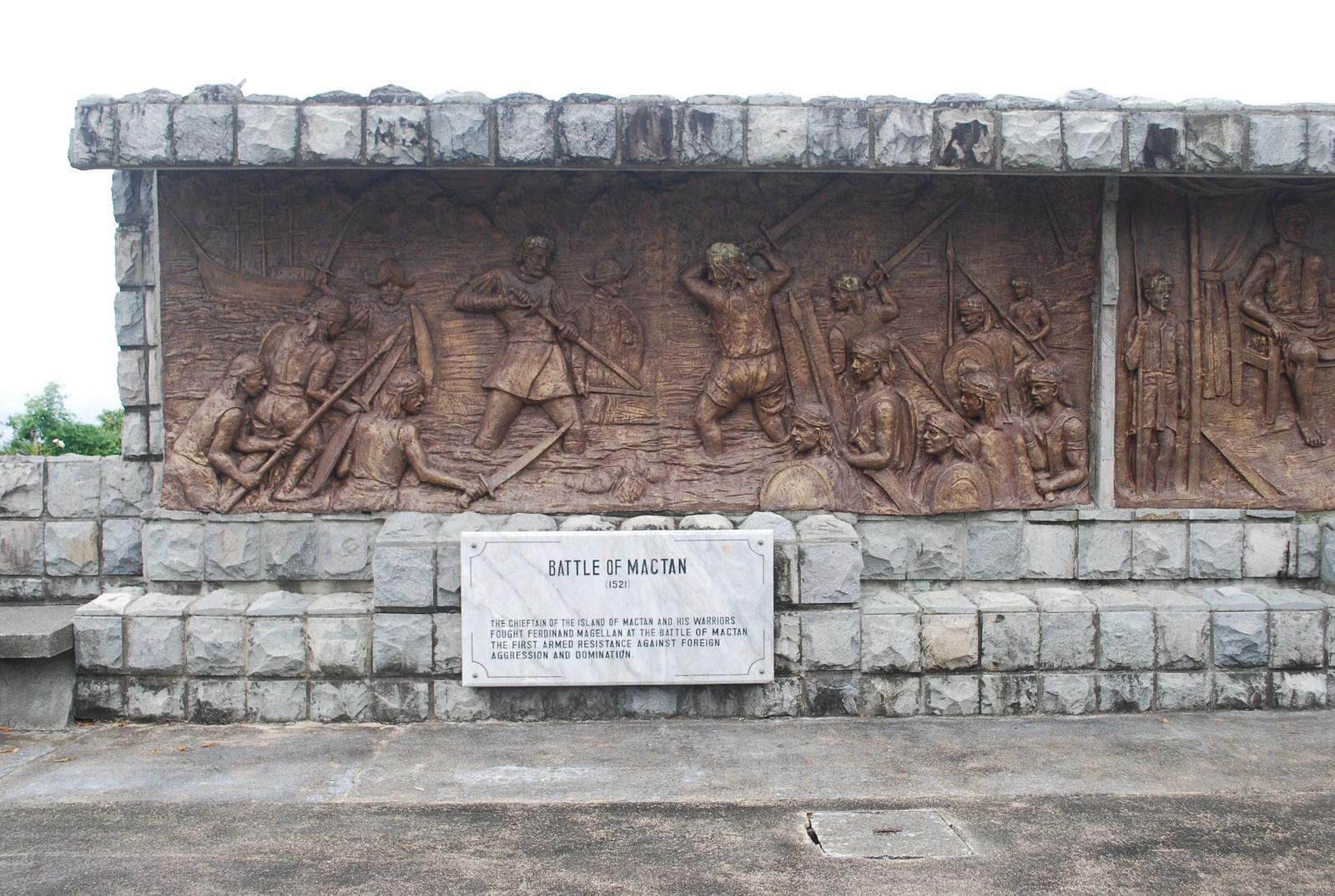
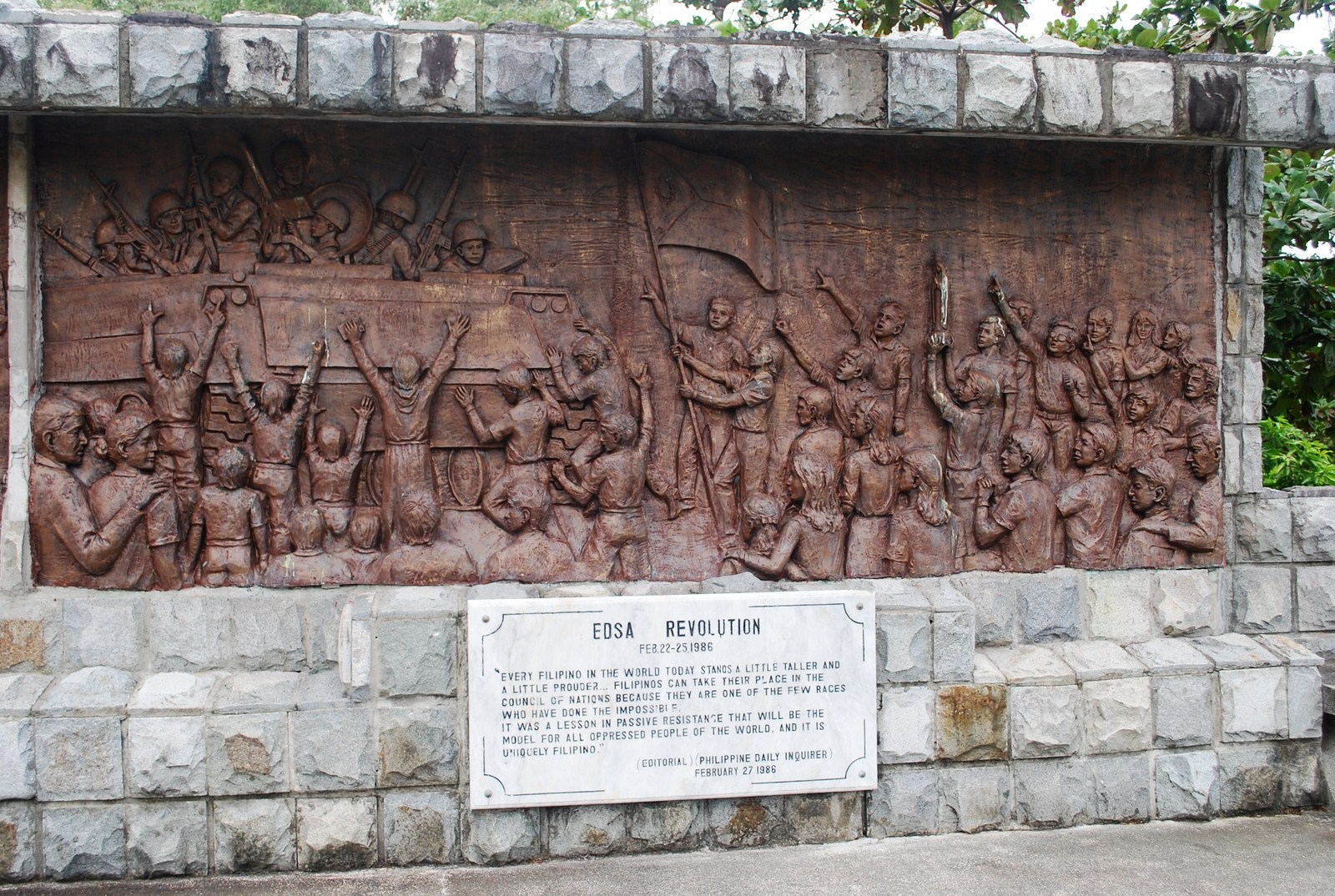
Our first stop was the Filipino Heroes Memorial, one of the most recent additions to Corregidor.  This is a 6,000-sq. m. complex at Tailside designed by Arch. Francisco Mañosa and inaugurated on August 28, 1992 by Pres. Fidel V. Ramos.  It consists of 14 murals, chronologically encircling the park, done by sculptor Manuel Casal.  It depicts famous as well as obscure heroes who revolted and battled heroically through the centuries; from the Battle of Mactan (1521) to the People Power Revolt at EDSA (1986).

The Battle of Mactan

The Battle of Mactan

EDSA Revolution

EDSA Revolution

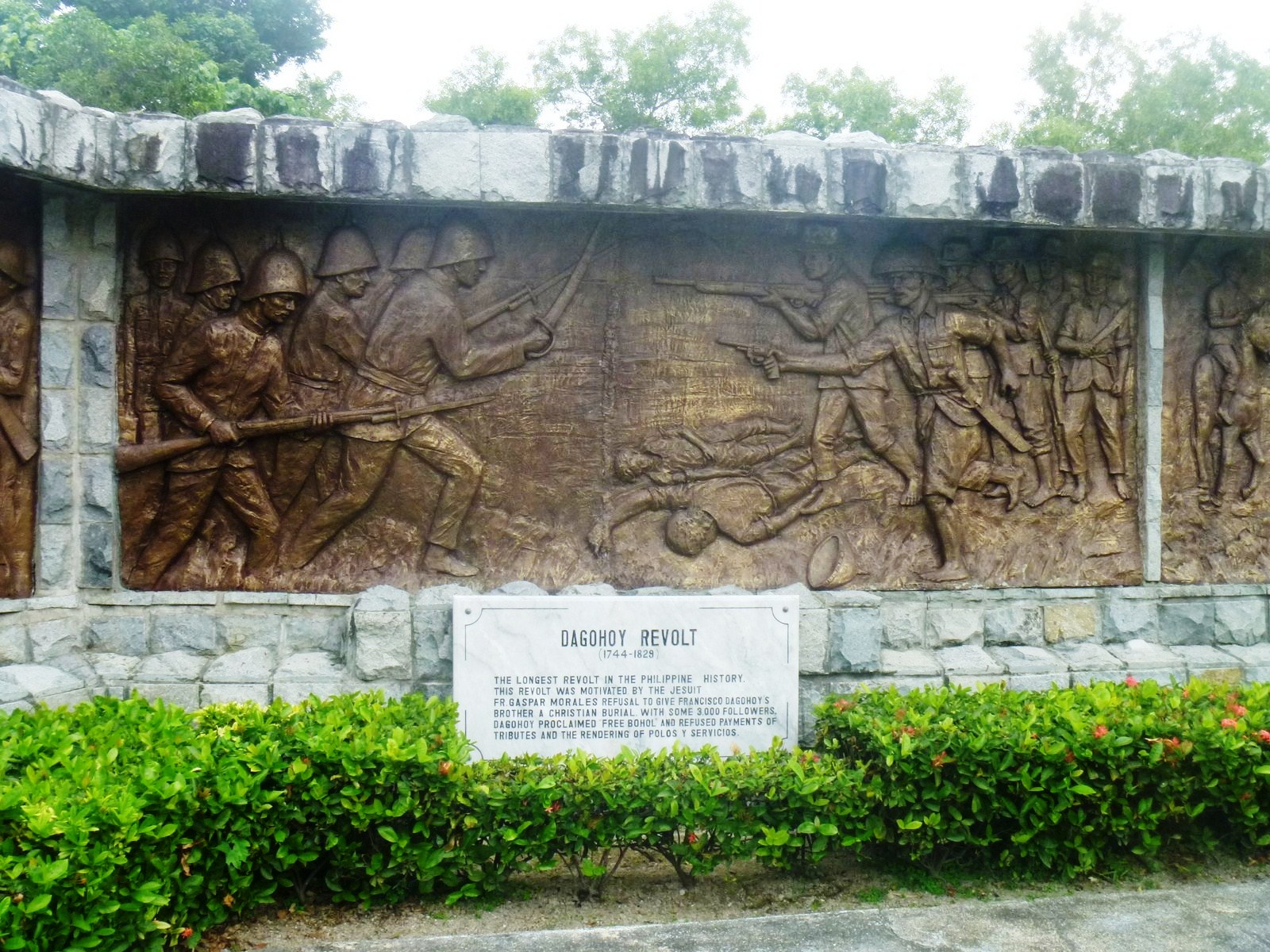
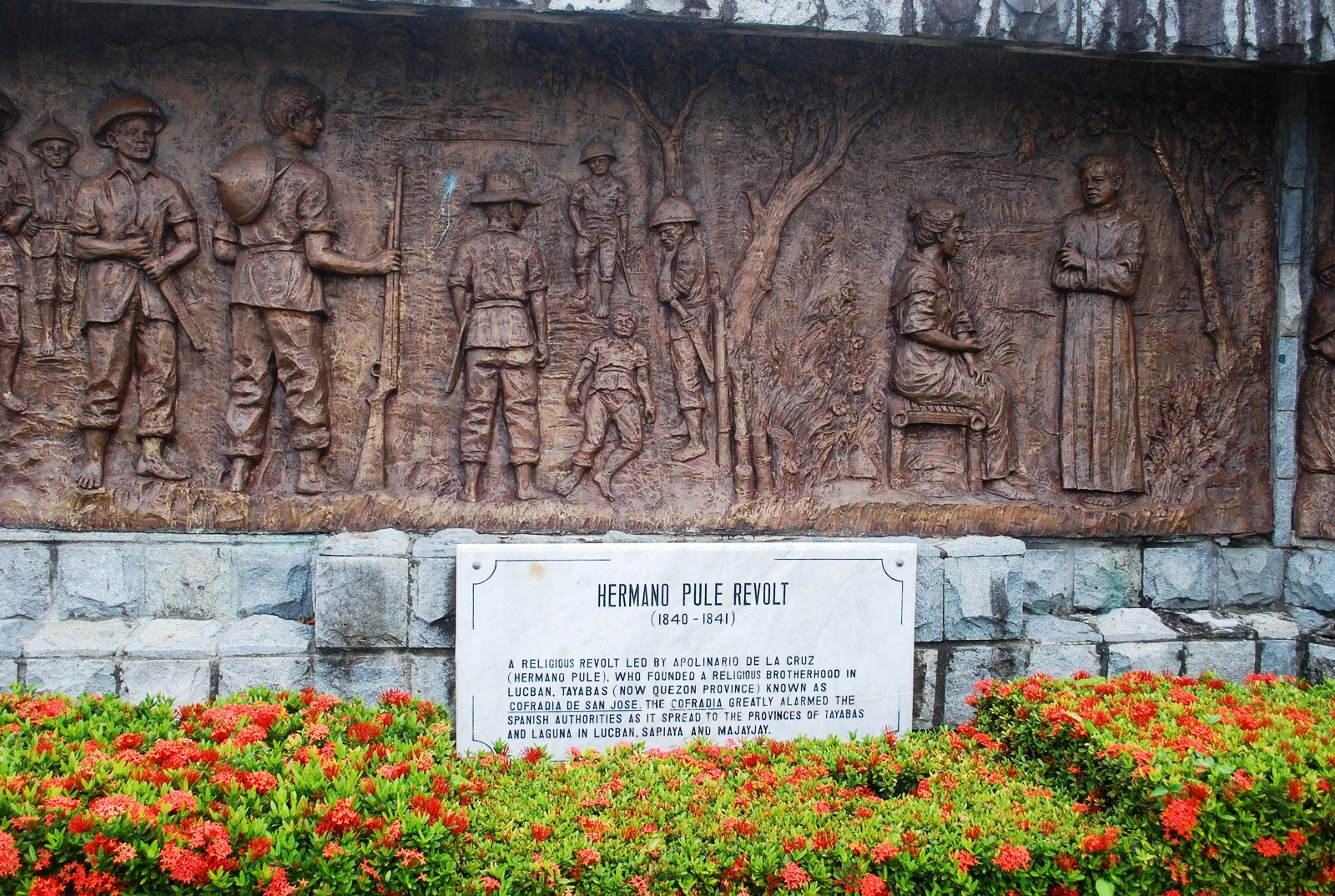
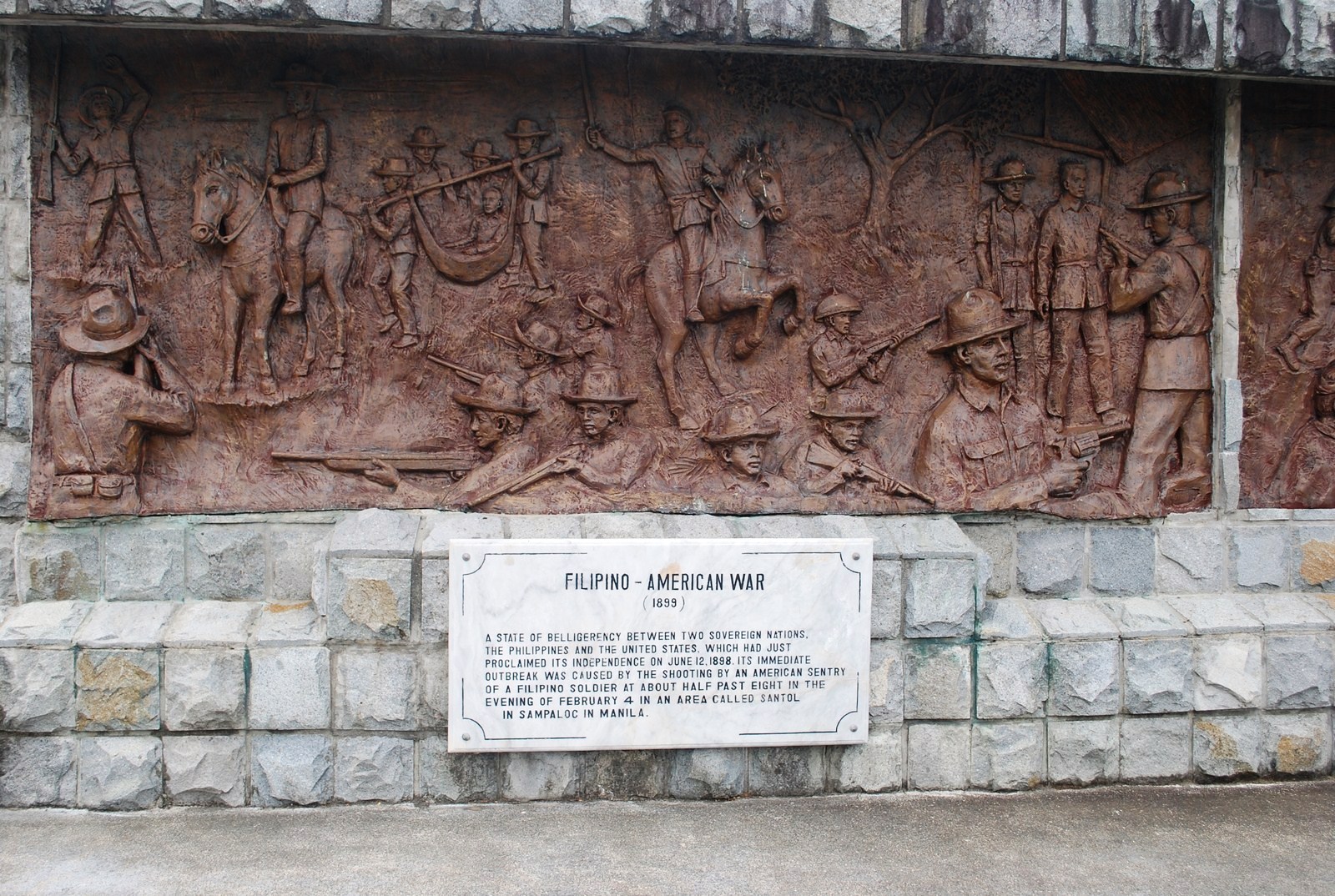
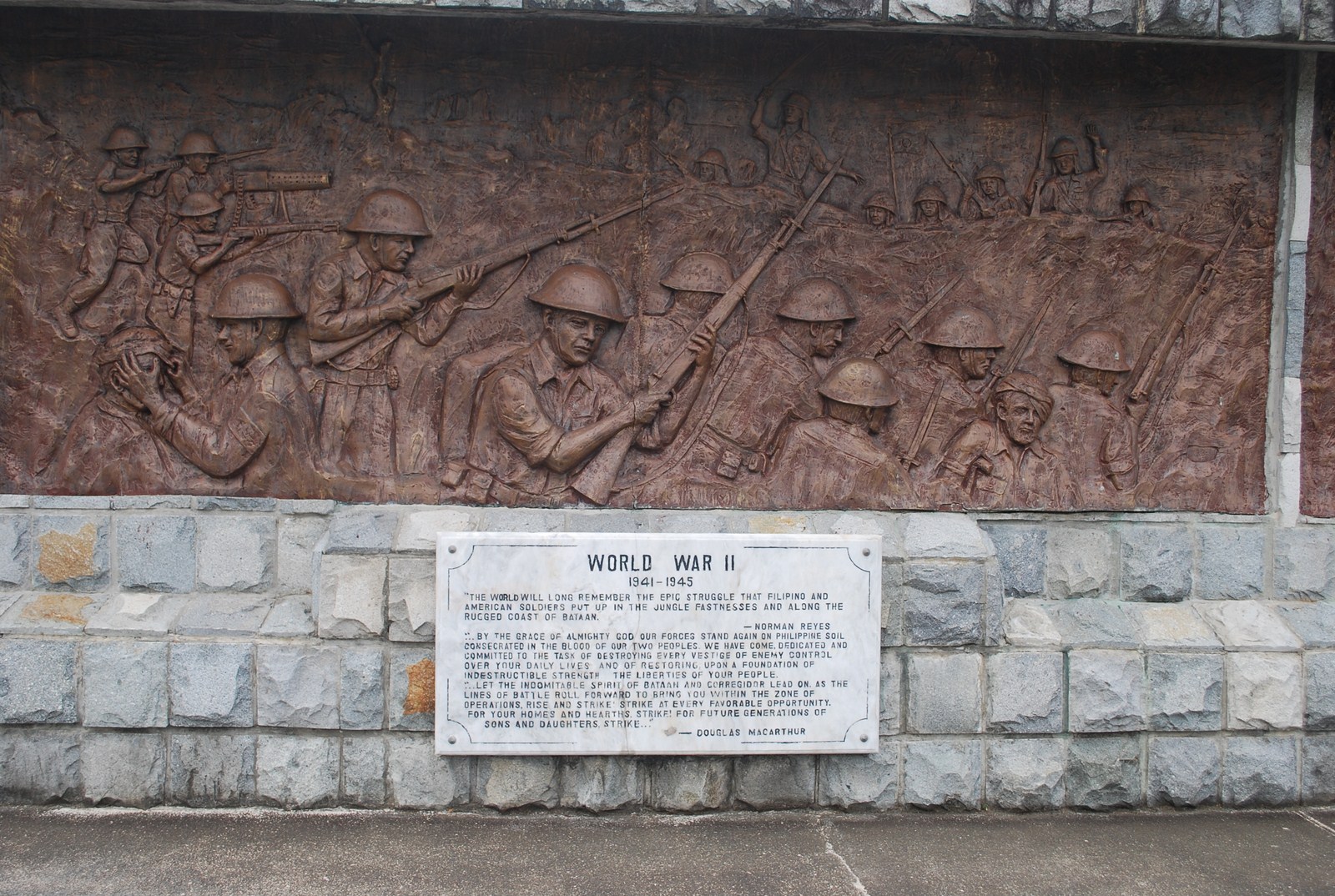
Other murals depicted include Datu Sirongan and Sultan Kudarat in Mindanao (16th to 17th century),  the Bankao’s Apostasy in Leyte (1621), Sumuroy Rebellion (1645-50), the Dagohoy Revolt (1744), the Palaris Revolt in Pangasinan (1782), Diego and Gabriela Silang in the Ilocos (1763), the Hermano Pule Revolt (1840-41), the Philippine Revolution (1896), the Filipino-American War of 1899, World War II and the Guerilla Movement.

Dagohoy Revolt

Dagohoy Revolt

Hermano Pule Revolt

Hermano Pule Revolt

Filipino-American War

Filipino-American War

World War II

World War II

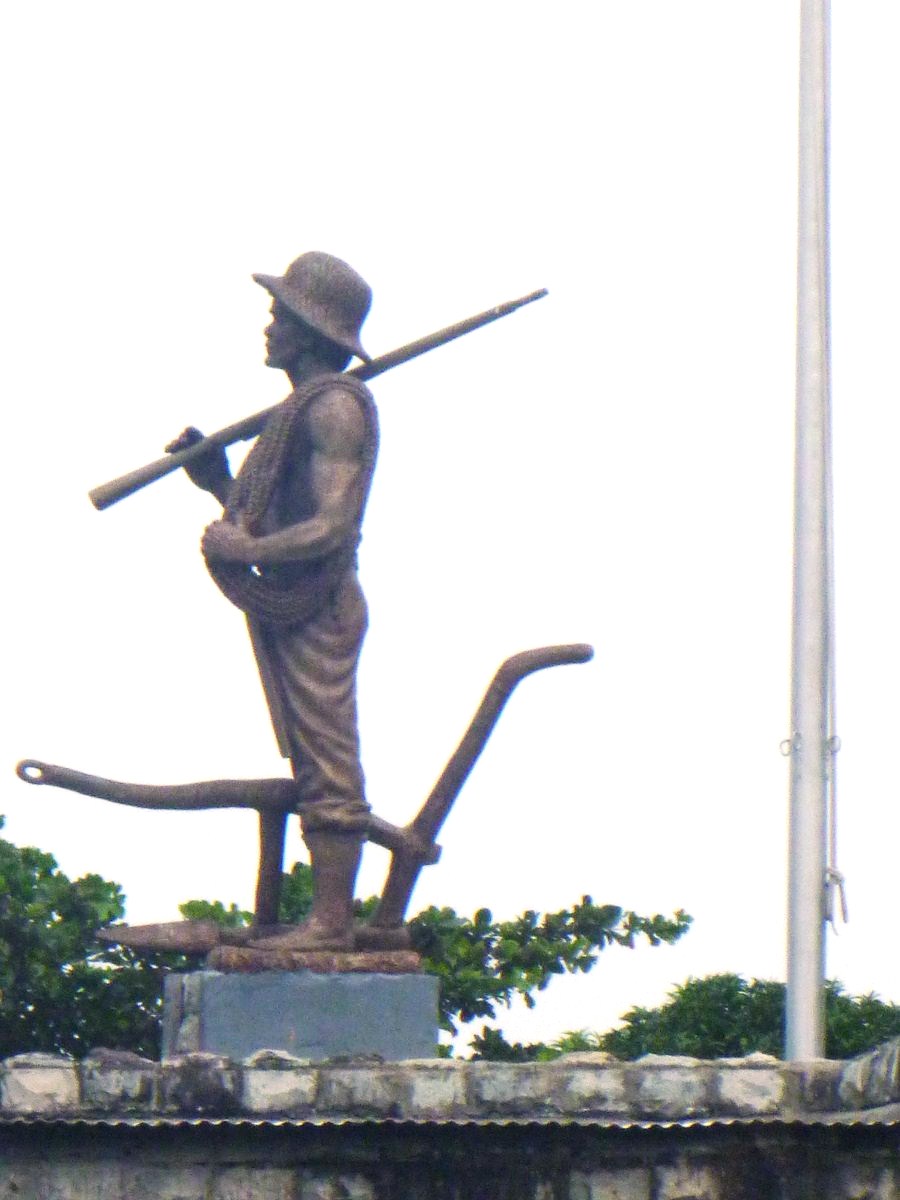
A statue of a Filipino guerrilla was also sculpted by Manuel Casal. A piece of trivia we gathered from our tour guide was that, during the Japanese Occupation, Filipinos guerillas and spies disguised themselves as farmers. To distinguish the farmer from the guerilla, the Japanese employed the palm test: True farmers have hard, calloused palms, guerillas didn’t. There is a room dedicated to photos of prominent Filipinos who died for freedom and liberty.

Statue of the Filipino Guerilla

Statue of the Filipino Guerilla

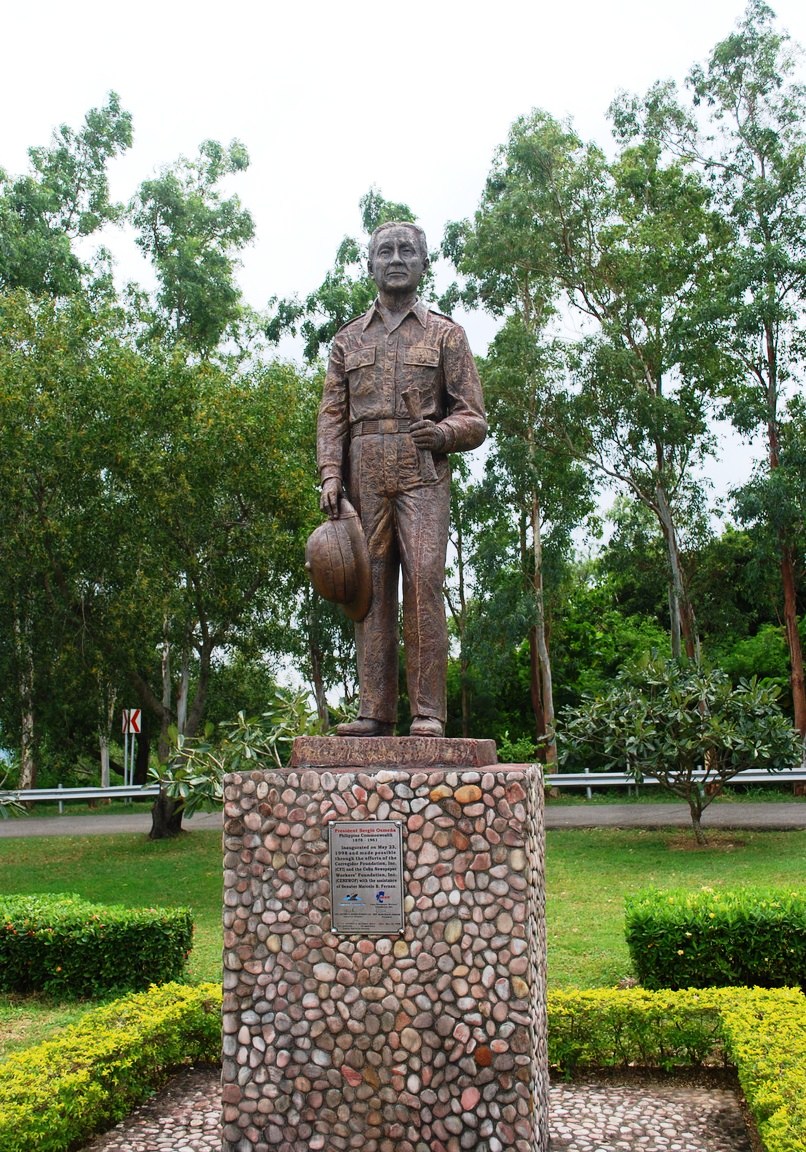
Beside the Filipino Heroes Memorial is a small park dedicated to President Sergio Osmena, the second president of the Philippine Commonwealth. Erected in this park is the statue of Osmena which was inaugurated on May 23, 1998 through the efforts of the Corregidor Foundation and the Cebu Newspaper Workers’ Foundation with the assistance of the late Sen. Marcelo B. Fernan.

Statue of Pres. Sergio Osmena

Statue of Pres. Sergio Osmena

Sun Cruises, Inc. (SCI) – Reservation Office: CCP Terminal A, CCP Complex, Roxas Blvd., Manila.  Tel: (632) 831-8140 and (632) 834-6857 to 58.  Fax: (632) 834-1523.  E-mail: suncruises@magsaysay.com.ph.

Sun Cruises, Inc. (SCI) – Sales Office: 21/F,  Times Plaza Bldg., Ermita, Manila.  Tel: (632) 527-5555 local 4511 and 4512.  Fax: (632) 527-5555 local 4513.  E-mail: sales@suncruises.com.ph.

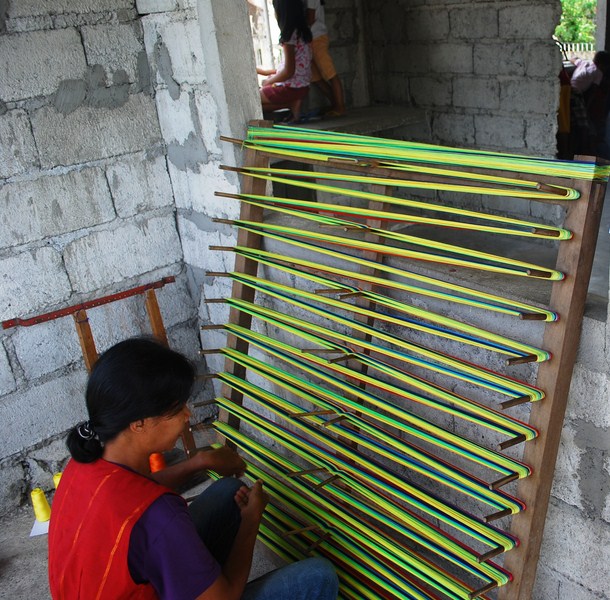
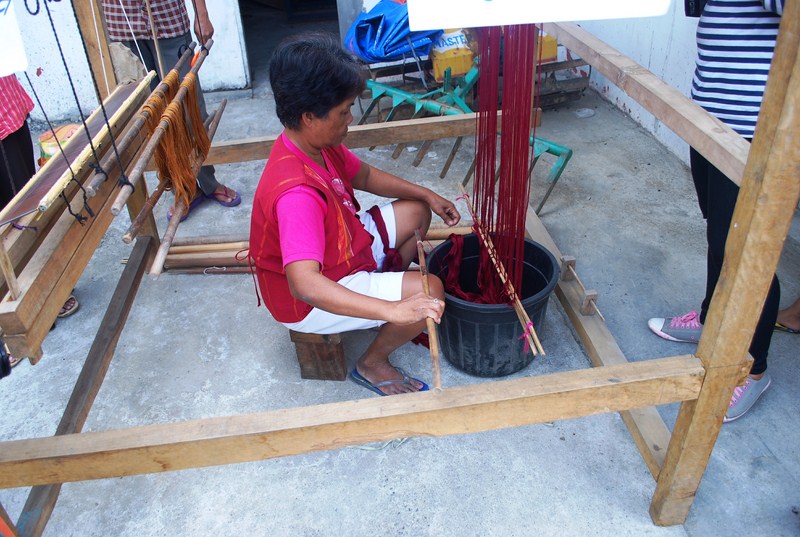
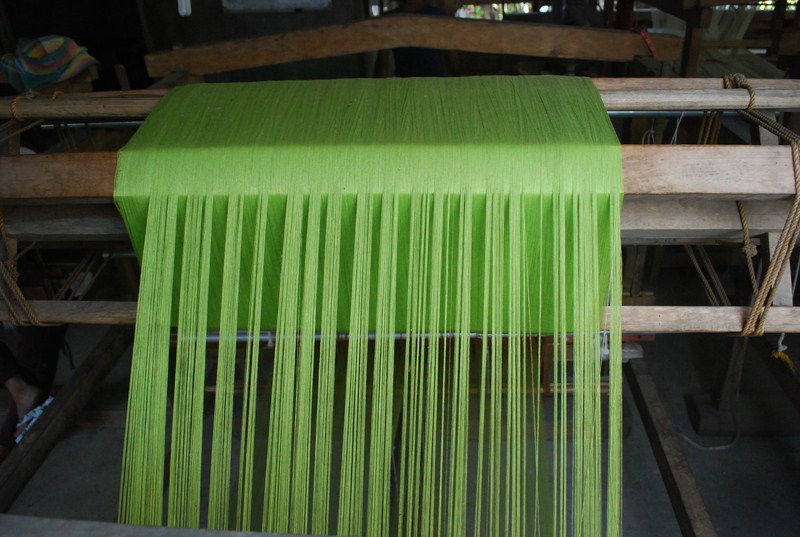
Sagada Weaving and Souvenir Shop

Come morning, after breakfast, it was time to check out at our inn for our return trip to Manila. We all boarded our hired jeepney and made our way, out of the poblacion, along Sagada’s narrow, Bontoc Road which was filled with parked vehicles and people, it being market day.  

Sagada Weaving & Souvenir Shop

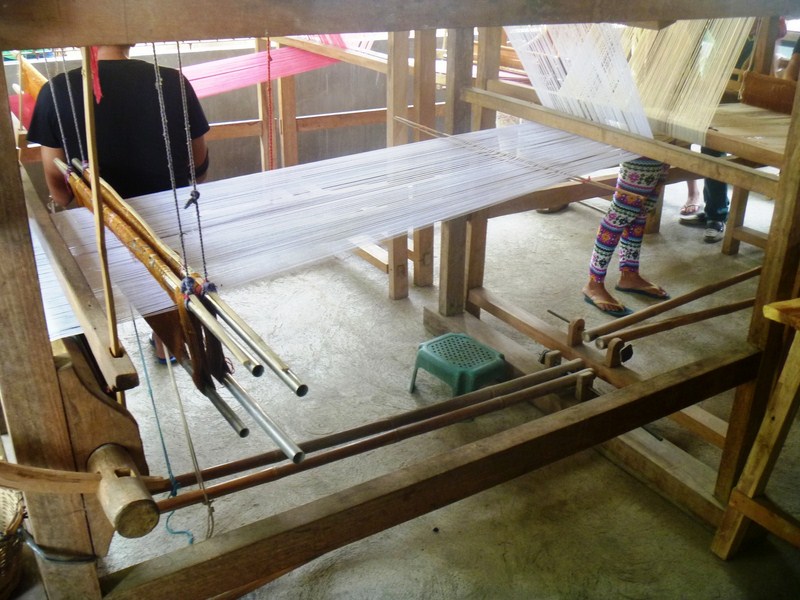
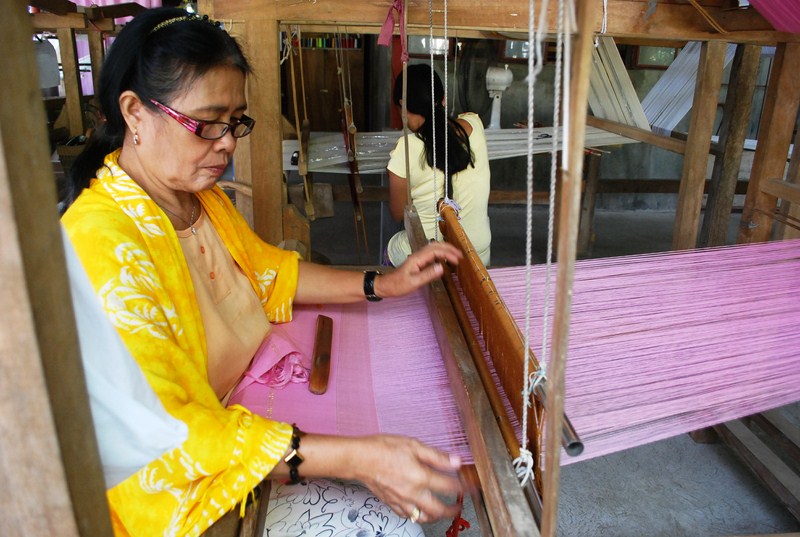
Past the St. Theodore’s Hospital, the traffic began to ease and we were soon on our way. We made a stopover at the Sagada Weaving and Souvenir Shop.  This pioneering weaving firm is one of the town’s biggest employers. Here, we got to interview Mr. Ezra Keithley Aranduque, the owner who showed us around the weaving area (his weavers were on leave, though, it being the holidays).  This venerable Sagada institution, an offshoot of the now-defunct weaving business of Lepanto Crafts established in 1968, was started in Sagada by the late Andrea Bondad (Ezra’s mother) in 1978. The cloth was originally woven from thread obtained through trade with lowlanders.

With Mr. Ezra Aranduque

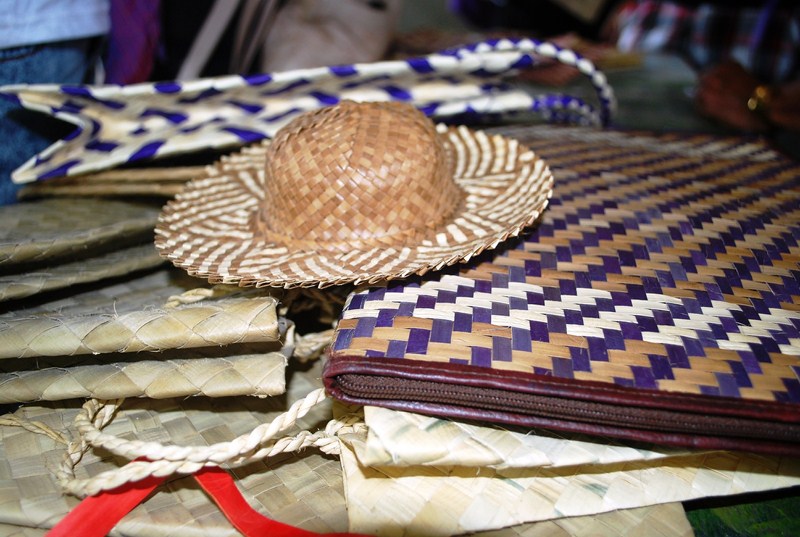
Today, they produce and sell, at reasonable prices, quality products hand-woven by backstrap looms, such as backpacks, purses, hats, ponchos, shoulder bags, wallets, slippers, blankets, place mats, table runners and other products.  They also sell traditional Cordilleran clothes such as tapis (traditional-style Igorot skirts), wanes (men’s g-strings) and bakget (women’s belts with tails).  All these are also sold in select stores in Baguio City (Benguet), Bontoc, Kalinga and Apayao.

Jocie tries out a loom

According to Ezra, his weavers use traditional, intricate Cordilleran designs which consists mostly of vibrant red and black stripes on a white center panel with additional red, yellow, black and green motifs such as oweg (snakes, a fertility symbol) and tekka (lizards, a symbol of longevity) running through it.  Rivers are represented by zigzag lines, and mountains and rice paddies by triangles.

Sewers at work at the souvenir shop

The tapis, wanes and blankets are woven using 2 distinct patterns – the simpler kinayan or the more elaborate and popular pinagpagan.  They spent more than one month to produce just 28 m. of this durable and strong, handwoven fabric which has vanished from handwoven fabrics produced in the region. In 2011, the Bureau of Trade Marks of the Intellectual Property Office (IPO) and the Bureau of Patents has granted Sagada Weaving patent certificates (IPO Certificate of Registration No. 4-2009-006672) for its local design described as consisting of a diamond and 2 half diamonds forming an X design of any two colors.  The Bureau of Patents also granted Sagada Weaving (Patent Registration Nos. 3-2009-00441 to 00446) exclusive rights, throughout the country, to make, use, sell or import an industrial design which consists of  6 color combinations with diamond and X designs.


Finished souvenir products

Sagada Weaving and Souvenir Shop: Bontoc Road, Nangonogan, Sagada 2619, Mountain Province.  Mobile number: (0918) 927-6488 and (0919) 557-1431 (Mr. Ezra Aranduque). E-mail: weavings@sagadaweaving1968.com and sagadaweaving1968@yahoo.com.  Website: www.sagadaweaving1968.com.

Carriedo Fountain (Manila)

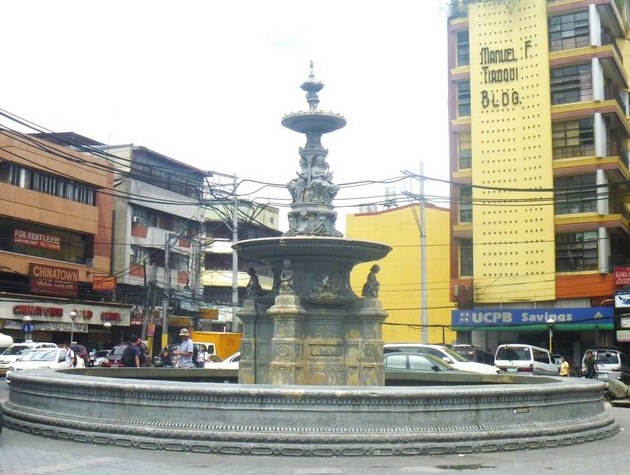
Carriedo Fountain

The National Shrine of the Perpetual Adoration of the Blessed Sacrament, more popularly known as Sta. Cruz Church, is surrounded by three open spaces which, in the 1900s, came to be known as downtown Manila – Plaza Sta. Cruz in front, Plaza Goiti at the rear, and a wide street on the right leading to Calle Escolta. The centerpiece of the 1-hectare Plaza Sta. Cruz is the 19th century the Spanish-era Carriedo Fountain (Fuente Carriedo).

Check out “National Shrine of the Perpetual Adoration of the Blessed Sacrament

Built in May 1882 (at a cost of 745,590 pesos) as part of the Carriedo water works system, it was inaugurated by Governor-General Fernando Primo de Rivera on July 24, 1882. The fountain was built in honor of Don Francisco Carriedo y Peredo (November 7, 1690 – September 1743), 18th-century Capitán General of Manila, who conceived of and eventually funded Manila’s pipe water system.

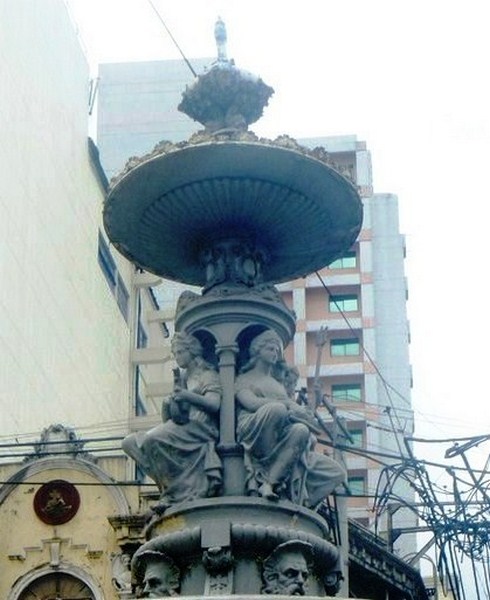
The centerpiece of the fountain

A Basque from Santander, Spain and general of the Santa Familia galleon, Carriedo raised funds for the construction of the water system of Manila and donated 10,000 pesos drawn from his fortune from the Manila- Acapulco trade. However, he did not live to see his resolve of creating a water system in Manila take fruit.

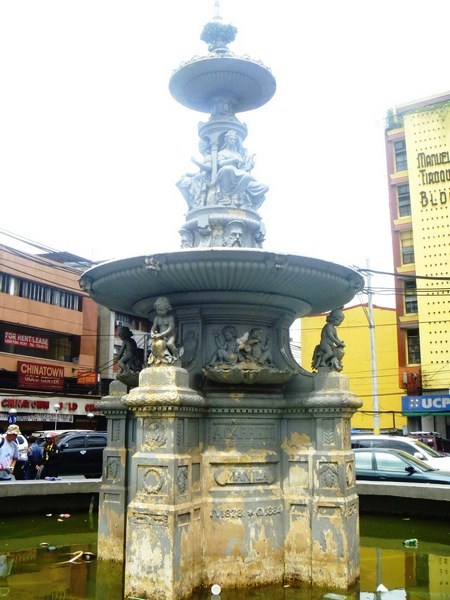
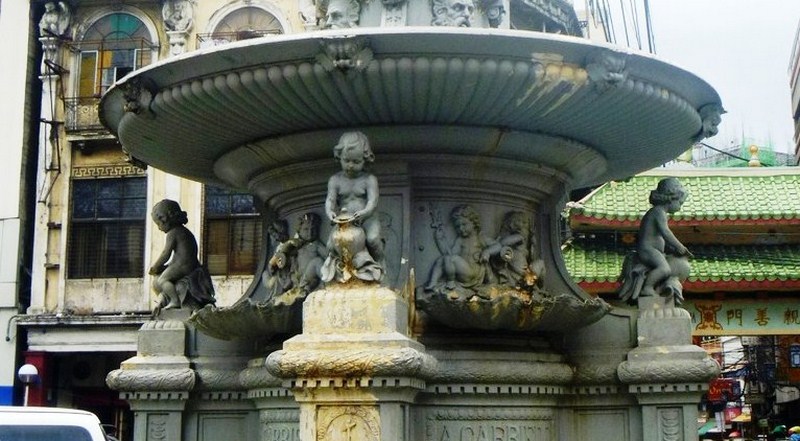
The lower pedestal and vasque

The fountain was moved three times before its current location at Plaza Santa Cruz, right in front of the Santa Cruz Church. Since Don Francisco resided in Santa Mesa, the fountain was first located at the Rotonda de Sampaloc, the intersection between LegardaLacson and Magsaysay streets which today forms the  Nagtahan Interchange that separates Sampaloc from Santa Mesa.

The upper pedestal and vasque

In 1976, due to traffic concerns, the roundabout was cleared and the fountain was then transferred to the Balara Filters Park, in front of the Metropolitan Waterworks and Sewerage System (MWSS) Building right after MWSS moved from their office in Arroceros, Manila, in the latter part of the 1970s.

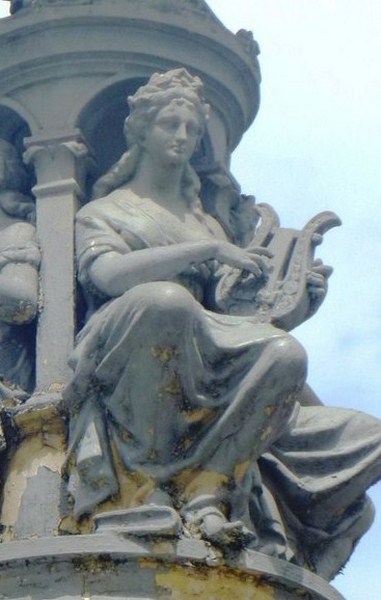
Seated female figure holding a harp

In the 1990s, then-Manila Mayor Alfredo Lim convinced MWSS administrator Mr. Luis E. V. Sison to bring back the Carriedo Fountain to Manila. A replica of the original fountain, using plaster as the primary material, was built by National Artist Napoleon Abueva.

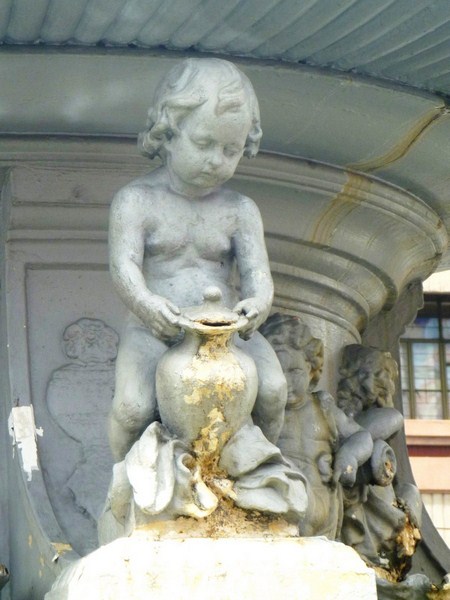
Cherub sitting on an urn

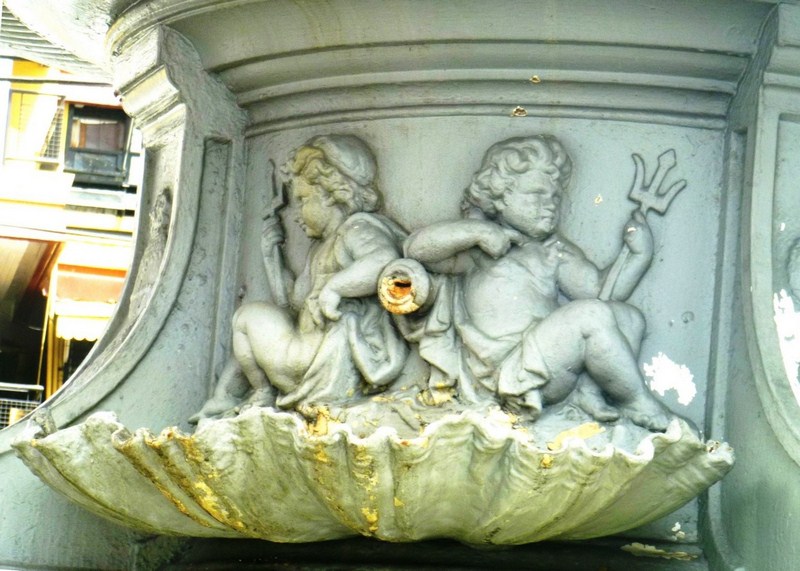
Two bas reliefs of cherubs, sitting on a shell-like basin, holding tridents. The water spout is between them

During our visit, the fountain wasn’t operating and the stagnant water in the basin was littered with floating garbage and green with algae.

AUTHOR’S NOTES:

This Classical-style fountain features a large circular basin to hold the water at the center of which is a pedestal with statues of four cherubs holding urns. The pedestal is also decorated by bas reliefs of 4 pairs of cherubs, seated on shell-like basins, holding tridents.

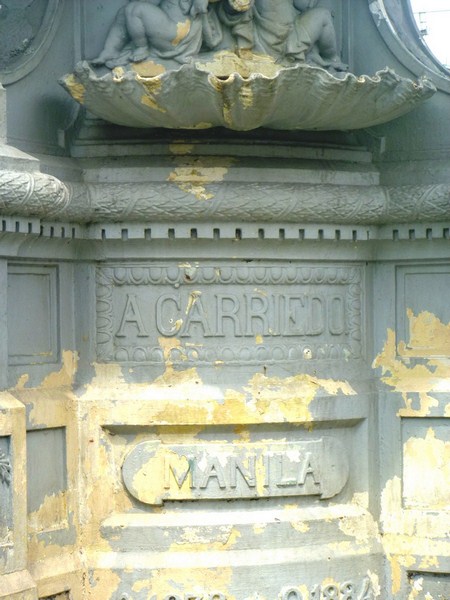
The words “A Carriedo” (the letter “A” is a mystery) and “Manila” (below it) are also engraved around this pedestal.

The pedestal supports a large vasque, above which is another smaller pedestal supporting a smaller vasque. Around the smaller pedestal are four bas reliefs of bearded heads (probably depicting Neptune, the Roman god of freshwater and the sea).

Above these heads are four seated female figures, one is holding a trident and the other a harp. This set up is reminiscent of the Statue of Queen Anne at St. Paul’s Churchyard in London (England) which has the seated female figures representing England with a trident; Ireland with a harp; France with a truncheon and a crown; and North America holding a bow and arrow with a quiver at her back, her right foot resting on a severed head.

Above the smaller vasque is an urn-like finial. Water spouts from the top of this finial,   at water spouts between the two trident-wielding cherubs; the urns of the cherubs; the side of the bigger vasque and the inner perimeter of the circular basin.

The words “A Carriedo” and “Manila” engraved on the pedestal

Carriedo Fountain: Plaza Santa Cruz, Manila

Calvo Building (Escolta, Manila)

Calvo Building

The historic Calvo Building, an outstanding example of Beaux Arts architecture, is one of the remaining buildings from the earlier part of the 20th century along Escolta Street. It was designed by architect and civil engineer Fernando H. Ocampo, Sr. (of Arguille & Ocampo Architects) and inaugurated on August 14, 1938 on the land owned by the couple Angel Calvo and real estate businesswoman Emiliana Mortera Calvo.

Plaque installed by National Historical Commission of the Philippines in 2018

On November 1944, during World War II, it was temporarily used by Japanese Imperial Forces and was destroyed during the 1945 Battle of Manila and restored in 1946. On August 14, 2018, a historical marker (entitled Gusaling Calvo) was installed by the National Historical Commission of the Philippines.

Cartouche above the arched window

This 4-storey building was one of the most prestigious business addresses of its time.  Its tenants were:

  • Philippine Bank of Commerce (ground floor)
  • Lissar Commercial (ground floor)
  • Aquino-Lichauco Law Offices (second floor)
  • Offices of Araneta & Co. (third floor)
  • MV Villar Records Store – then Manila’s biggest vinyl record bar
  • Sabater Optical
  • Mareco Broadcasting – owner of 105 Crossover FM
  • Mabuhay Records – a recording company that produced albums for kundiman legends Ruben Tagalog, Sylvia dela Torre and Pilita Corrales
  • Sorriente-Santos Department Store – the first store that introduced the “buy-one-take-one” selling strategy.
  • Luisa & Son (roof deck) – a pre-war soda fountain popular with Manila’s high society.

The truncated corner

On March 1, 1950, the GMA Kapuso Network was also born at a makeshift studio at the fourth floor of the building (before moving to its present location in Diliman, Quezon City) when former American war correspondent for United Press Robert “Uncle Bob” Stewart (who eventually fell in love with a Filipina and the country as a whole) transmitted the first signal of  Republic Broadcasting System, now radio station DZBB-AM. Stewart would later expand his media enterprise into television, and Radio Broadcasting System would later be renamed GMA.

Today, Uno Seafood Wharf Palace, Mercury Drug and Tropical Hut flank the entrance to the building, with Wah Yuen Hot Pot and Seafood Restaurant in its Calle Soda side.

Old pre-World War II photo of Calvo Building without its fourth floor

Its mezzanine is home to the little-known Escolta Museum which contains memorabilia from the past.  During the post-war years, a fourth floor was added to the three-storey edifice.

Check out “Escolta Museum”

The ground floor lobby

Its front being a flagstop for the tranvia (electric tram line), it is the only building along Escolta that is pushed back. It house one of the few classic-style and rare, manually operated Otis elevators.

The richly-decorated and stunning facade at the second level has arched windows (except at the truncated corner) flanked by Ionic pilasters, above which is a cornice embellished by garlands and gracefully broken, in alternating sections, by cartouches supported by corbels above the window’s arch.

Photo of Don Angel Calvo

Calvo Building: 266 Escolta cor. Soda Sts., BinondoManila. Coordinates: 14.597141°N 120.978221°E.

How to Get There: The building is accessible from the LRT1-Carriedo station. The Pasig Ferry also has an Escolta stop.

Museo Valenzuela (Valenzuela City)

I recently got an invitation from Lakbay Norte colleague and now La Consolacion College School of International Hospitality Management Prof. Melissa  Dizon-Dulalia to join a Lakbay-Aral tour of Valenzuela City with her students as guests of City Mayor Sherwin T. Gatchalian.  I brought along, as my photographer, my son Jandy.  We met up with Melissa and her students at La Consolacion College where a chartered airconditioned Genesis bus was waiting for us to bring us to Valenzuela City.    

Museo Valenzuela

Aside from the Melissa’s 42 Tourism Planning and Destination Development Class students, joining us were fellow media colleague Mr. Rogine de Mata Rogelio of Pilipino Mirror; travel photographer Nico Karabatsos; travel agents Mr. Sandy Mella Clamor (Managing Director of Emmaus Travel & Tours) and Ms. Bingbing Rubio (Pogi Travels); and Ms. Violeta  C. Imperial (founder of Nature Awareness & Conservation Club, Inc.).

Mayor Sherwin Gatchalian with media and travel agents
Mayor Gatchalian with La Consolacion College students

We all left La Consolacion College by 8:45 AM and arrived at the 2-storey Museo Valenzuela, beside the National Shrine of Our Lady of Fatima, by 9:20 AM.  Here, we were joined by my good friend and fellow travel blogger Mr. Mark Vincent Nunez (www.mvlnunez.blogspot.com) and travel agent and Valenzuela City resident Ms. Rosanna Kho (Gen. Manager of Kho Travel & Tours).  

Museum curator Jonathan C. Balsamo

At the museum, we were welcomed by museum curator and historian Mr. Jonathan C. Balsamo who presented a video documentary, created by the City Cultural Affairs and Tourism Development Office (CATDO), featuring historical experts’ commentary on the life of local son and least depicted national hero Dr. Pio Valenzuela (July 11, 1869-April 6, 1956), Katipunan co-founder (together with Andres Bonifacio and Emilio Jacinto), mayor of Polo (the former name of the city) from September 6, 1899-February 1900 and Bulacan governor from 1921-1925.  The city was renamed after him on September 11, 1963.

Diorama – Pagkamakabayan and Paglilingkod
Diorama – Pagkamulat and Pagkilala

The museum, which gives public access on factual information on Dr. Pio, is among the major efforts of Mayor Gatchalian to prevent Dr. Pio’s deeds from dying in vain.  It has a bust sculpture of Dr. Pio and a permanent, full-dimensional diorama exhibit, opened last March 16, 2010, of the life of Dr. Valenzuela during and after the Philippine Revolution. The 150 hand-made dolls, fashioned out of resin and wire, were created by artists of the Balikatan sa Kaunlaran National Foundation, the same team behind the Pinaglabanan diorama exhibited at the Museo ng Katipunan in San Juan City. Also on display are the doctor’s memorabilia (clothes, old photos, awards, medical equipment, furniture, etc.).

Pio Valenzuela and wife Marciana de Castro
Dr. Pio’s clothes
The doctor’s medical equipment
Dr. Pio’s swivel chair

It also exhibits paintings of past Valenzuela mayors and a model of San Diego de Alcala Church.  Serving as the cultural and historical center of the city, the museum is also the repository of Valenzuela City’s rich heritage and provides a venue for cultural, historical and artistic presentations as well as seminars on national and local issues.

A picture gallery of Valenzuela mayors
Model of Church of San Diego Alcala

Museo Valenzuela: Fatima Ave., Brgy. Marulas, Valenzuela City, Metro Manila. Tel: (632) 291-0672.

Symbios Holistic and Wellness Sanctuary (San Mateo, Rizal)

I recently got an invitation from Ms. Melissa Dizon, a professor, former Exec. Director of North Philippines Visitors Bureau (NPVB) and a Lakbay Norte colleague, to join her in a dance-movement therapy session to be conducted by Ms. Riza Regis (an author, she also conducts crystal healing sessions) at the Symbios Holistic and Wellness Sanctuary, an extension of the BioVitale Holistic Center.

Dance-movement therapy session with Ms. Riza Regis

The center, a brainchild of owner Dr. Sonny Viloria (a proponent of complementary medicine which blends scientific Western practices with Eastern mysticism), is located in San Mateo, Rizal.  Aside from dance-movement therapy, the center also offers laughter yoga (by Paulo Trinidad); Reiki healing (by Mr. Arnel Belenzo); meditation, sound therapy and shiva-shi movement (by Ms. Yet) and lectures on natural medicine by Dr. Viloria himself.

Mandala Farm Estates

I met up with Melissa, with her daughter Bianca and her friend Mr. Jon Ryan ” J.R.” Ng (a photographer and magazine writer), very early in the morning at the Jollibee outlet at the Welcome Rotunda in Quezon City.  With J.R. at the wheel of his car, we motored all the way to Mandala Farm Estates where we asked the security guards at the subdivision gate for directions to the center.

The gateway to the center

After some confusion with the given directions, we finally made it to the center’s parking area where we were met by Mr. Ronnie Cruz Bernardo, the center’s de facto media consultant.   From the parking, we entered a marble gateway with wooden swing doors, flanked by a Buddha statue and a door bell, and went down, via a pathway (which varies from a combination of gravel, stones and railway sleepers, to stamped concrete) with a number of horseshoe bends, to the center’s native-style, open-air pavilion.

A pond and foliage-lined horseshoe bend

Another horseshoe bend along the gravel and stamped concrete trail

The pavilion had a floor of polished wooden planks and bamboo slats and wooden columns that supported wooden rafters and a roof of nipa and bamboo.  It is furnished with eclectic furniture from Pampanga, Thailand and Burma, a large area rug plus lots of Eastern statuary of deities (Kuan Yin, Buddha, etc.), all tastefully arranged by Mr. Chris Munar. One side of the pavilion has a breathtaking view of the mountains of Rizal.

Native-style pavilion

The view of mountains from the pavilion

At the pavilion, we were welcomed with a merienda of suman which we washed down with oxygenated water or a refreshing and healthy tea made with lemon grass (tanglad) and camote tops (talbos) infused with mint and sweetened with muscovado sugar.

Lemon grass and camote tops tea

After merienda, Ronnie toured us around the 6,000-sq. m. sanctuary. Near the pavilion are Balinese-style, tastefully designed and furnished cottages (made with concrete as well as local wood, nipa, bamboo and sawali) with capiz windows that can accommodate 6 guests while below the pavilion is a social area (where one can set up tents) with a koi pond and mini fountain.  Beside it is the food tent and the sun therapy (essential for natural healing) area with its pair of cushioned lounge chairs.

Sun therapy area

Balinese-style cottage

Part of the nature trail is lighted, come cool evening, by eco-friendly, solar-powered lamps and the natural light of fireflies (alitaptap).  Just about every nook and cranny of  the center is filled with the healing sound of natural water.  Running within the property is a crystal-clear brook which feeds a man-made, stone-lined lagoon (an ideal swimming area) below with cool spring water.  On one side of the lagoon is an Eastern-themed bas relief while overlooking the lagoon is a wooden meditation platform.

The man-made lagoon
The meditation platform overlooking the lagoon

A pond, with a covered bamboo and nipa platform (where one can do fishing), is filled with organic tilapia, floating duck weed and Azola (mosquito fern), a natural weed that is very rich in protein, vitamins and minerals.  Smaller ponds can also be found along the trail.  The piece de resistance is a small waterfall whose natural beauty inspired Dr. Viloria to buy the property.

Tilapia pond

The center’s resident waterfall


A duyan and benches beneath a bamboo grove
The hilltop meditation platform

Up a hill, accessed by a wooden stair, is a meditation platform, a mini version of the pavilion, where one can do yoga, meditate, relax or just take a mid-afternoon siesta while enjoying the great nature view.  Intersperse within a shady bamboo and giant fern grove are a pair of wooden benches and a native hammock (duyan).
A small pond

Come lunch, we were all served, inside a food tent, tawilis, pinakbet, kalabasa in coconut milk, pako (vegetable fern) salad and clam soup, all complement with organic rice cooked in pandan leaves.  This self-sufficient center promotes the locavore lifestyle – eating food that is locally produced.

Food preparation cottage

Meals served here are prepared, by chef Jen (a London-trained therapist and food connoisseur) at her food preparation cottage, from mostly homegrown, organic ingredients; from papayas, guavas, bananas, camote (sweet potatoes), taro, wild spinach, medicinal herbs and spices as well as tilapia and free-range (stress-free with no hormones and antibiotics) native chicken and ducks.   From these, they are able to prepare their very own signature dishes such as laing, chicken adobo, banana heart salad, chicken sinampalukan (sour soup with chicken and tamarind leaves) and tilapia in coconut milk and petsay.

Our locavore lunch

Our merienda cena of lumpiang ubod

Prior to leaving the center, we were all treated to a merienda cena, again at the food tent, of fresh lumpiang ubod, a Negros Occidental (especially in my mom’s hometown Silay City) favorite (and mine).  This spring roll is filled with sautéed ubod (heart of palm), shrimps, tahure (bean cake) and bits of pork.  Its sauce, topped with roasted garlic bits, created a unique flavor. Melissa and I liked  it so much, we shared a second piece.

In the near future, the center plans to include regular hilot (the ancient Filipino art of massage) and dagdagay (a soothing and cleansing routine using native sticks for tired feet, from Ifugao and Mountain Province) service for its regular patrons.

Symbios Holistic and Wellness Sanctuary: Mandala Farm Estate, Timberland Heights, San Mateo, Rizal.
BioVitale Holistic Center: G/F, CRB Bldg., EDSA, Cubao, Quezon City.  Tel: (632) 448-7625 to 26. Mobile number: (0921) 260-8459.

The "Real" Bagbag Bridge? (Calumpit, Bulacan)

On our way to Pulilan, I was on the lookout for the Bagbag Bridge, site of, according to Wikipinino.org:

“the first battle between Filipino and American soldiers during the retreat of Aguinaldo to the Ilocos Region and of the longest battle during the Filipino-American Wars (sic) led by Gen. Gregorio del Pilar on April 25, 1899.  The bridge commemorates the bravery displayed by the Filipinos as they victor (sic) in the battle against the American forces.”

Bagbag Bridge

Upon crossing a concrete bridge, I espied the much lower, similarly concreted bridge on the right.  This old, now disused bridge was impassable as one span has fallen into the river.  I guess I got the right bridge as pictures at the the Bulacan provincial government website depicts it as such.  However, looking at it, it begs the question “Was it the actual bridge that was the site of that battle?”  “We’re Filipino forces really victorious in that battle?”  First, let me state the facts, on the Battle of Calumpit, as I researched it at “Philippine-American War, 1899-1902” (written by Arnaldo Dumindin).
After taking Quingua (now Plaridel), Calumpit, only 8 kms. (5 miles) north of Malolos, became the next American objective. Gen. Antonio Luna, however, was nowhere near the town as he left for Guagua to punish Gen.  Tomas Mascardo, the military commander of Pampanga, for leaving his post to inspect troops (others say to attend a fiesta or visit a girlfriend) at Arayat (Pampanga). 
Gen. Mascardo, with around 21,000 men under his command at the time, had been supposed to strengthen the defense of the Calumpit–Apalit Line by providing reinforcements in the area when needed.  Luna took most of the defending cavalry and the artillery with him, leaving Gen.  Gregorio Del Pilar to counter the advancing American troops. Aguinaldo had ordered Luna to retreat and burn the railway bridge spanning the Bagbag River, but Luna ignored the order.
However, on April 23, 1899, Gen. Del Pilar did cut the iron girders of the railway bridge, with the intention of making the bridge collapse once the enemy’s armored artillery transport train, with 6 pounders and rapid fire guns, passed over it. However, the section of the bridge prematurely collapsed, under its own weight, before the train had reached it. Chinese porters pushed the train to the mouth of the river.  

Col. Frederick Funston, with 6 men, crawled, under heavy fire, across the ironwork of the bridge and, upon reaching the broken span, dropped into the water and swam to the opposite shore, where Filipino trenches were located. Upon reaching the opposite bank, they charged the trenches and killed 25 Filipinos.  Other troops promptly repaired the bridge to let their supply wagons cross over the river.

By nightfall of April 25, Luna had returned from Guagua with only Filipinos in the barrio of Sta. Lucia holding out against the Americans in the Bagbag sector. Gen. Luna tried to fight and repulse the Americans, but he was eventually forced to retreat, destroying bridges as his troops fell back to slow the American advance.

Based on this research, the bridge in question was actually a railway bridge made of iron, not concrete.  The bridge in the recent photo I took was probably a more recent replacement but the location may be the same.  Here’s an actual photo taken of the damaged railway bridge, then being repaired by American troops, taken after the battle.  Aside from the difference in the materials used, I also noticed that the bridge supports are also different in size and shape.

Second, there was no Filipino victory in this battle.  Probably, the victory being referred to was the April 23, 1899 (not April 25) Battle of Quingua (now Plaridel) where the same Gen. Gregorio del Pilar, with 700 to 1,000 men, halted the advance of 62 Scouts plus a troop of the 4th Cavalry, all led by Maj. James Franklin Bell; or of their subsequent halting of the cavalry charge of Col. John M. Stotsenberg (who was killed together with 6 of his men).  This all happened in Quingua, not Calumpit.  In spite of these small victories, the Americans still triumphed in the end and took the town. 

This moment in history deserves a second look ……..

Church of St. Rose of Lima (Bagacay, Albay)

Church of St. Rose of Lima

The Church of St. Rose of Lima was said to have been started in 1660 (stamped on the church entrance), the year Bacacay became independent from Tabaco.    In 1952, it was heavily damaged by super typhoon “Trix” and again, in 1987, by another super typhoon, “Sisang,” which destroyed the roof and broke its glass windows.

AUTHOR’S NOTES:

Its 2-level façade, built with volcanic rock from Mayon Volcano, has semicircular arched main entrance with a poorly conceived and totally inappropriate white-painted concreteportico  built over it.  An earlier, late 1900s photo of the church shows it without one.


It is flanked by paired pilasters and statued niches with single pilasters at the end.  Above is a triangular pediment with a centrally located oculus. The church’s orientation is peculiar as it faces northwest instead of the bay, contrary to the stipulations of the Laws of the Indies.

The 3-storey bell tower

On the left is the 3-storey bell tower with a domed roof and receding storeys. Also on the left side of the church are the ruins of the old church and belfry, with meter-tick walls of volcanic rocks an high windows.  Outside the church is a statue of the risen Christ.

The church’s modern interior

Church of St. Rose of Lima: Bes St., Bagacay, Albay. Tel: (052) 487-2003. Feast of St. Rose of Lima: August 30.

How to Get There: Bacacay is located 502.6 kms. (a 10-hour drive) from Manila and 37.2 kms. (a 1-hour drive) from Legaspi City.

Sto. Domingo: Birthplace of the Sarung Banggi (Albay)

The next day, Bernard and I left the Governor’s Mansion in Legaspi City and took a jeep to Quick & Hearty for a buffet Filipino breakfast.  Here, we met up with Mr. Martin A. Calleja, head of Bicol Adventures Philippines and Viento de Mar Beach Resort in Bacacay. After breakfast, we made a short stopover at the DOT Region V office at Rawis where we met up with Regional Director Maria O. Ravanilla.  From here, we made the short 11.5 km. drive to the nearby quaint town of Sto. Domingo.

The author with Bernard and Dir. Maria Ravanilla

Sto. Domingo, formerly called Libog (a corruption of the Bicol term libot meaning “roundabout”), is nestled at the foot of Mayon Volcano. The town is noted for its numerous beach resorts along the jet black sand Kalayukaii Beach in Brgy. Kalayukaii, located 3 kms. east of the town.  At the Spanish-era (the former tribunal and presidencia built in 1832) municipal hall in Plaza Pugad Lawin, we made a courtesy call on Mayor Herbie  B. Aguas.

The municipal hall and fountain at Plaza Pugad Lawin

Also at the plaza, across the fountain and municipal hall is the picturesque Church of St. Dominic Guzman, the town’s most prominent landmark.

Check out “Church of St. Dominic Guzman

Church of St. Dominic Guzman

The town is also the birthplace of Potenciano V. Gregorio (May 19, 1880-February 12, 1939), the composer of the famous local ditty Sarung Banggi (meaning “one night”), the best known song in the Bicol dialect, on May 10, 1910.  The 8-day (May 18-25) Sarung Banggi Summer Festival, which features a folk song festival, immortalizes this love song and pays tribute to its illustrious local son.   His ancestral house was burned when a fire hit the town in 1961.

Potenciano V. Gregorio Mausoleum

On May 2005, Mayor Aguas, together with then Albay Gov. Fernando and First District Rep. Edcel Lagman, had Gregorio’s remains exhumed in La Loma Cemetery and brought home to Sto. Domingo for a municipal vigil and reinterred at the town’s cemetery with military honors. In 2006, a mausoleum and his bust, also at the town plaza, was erected and his remains transferred there.  In 2010, Gregorio was declared a municipal artist by the Sangguniang Bayan.

Mayor’s Office: Municipal Hall, Plaza Pugad Lawin, St. Domingo, Albay.  Tel: (052) 435-1357.
Department of Tourism Regional Office V: Rawis, Legaspi City.  Tel: (052) 435-0085 and 482-0715.  Fax: (052) 482-0712. E-mail: dot_bicol@yahoo.com. Website: www.wowbicol.com.