Hoa Sen Water Puppet Theatre (Ha Long City, Vietnam)

Vietnamese water puppetry

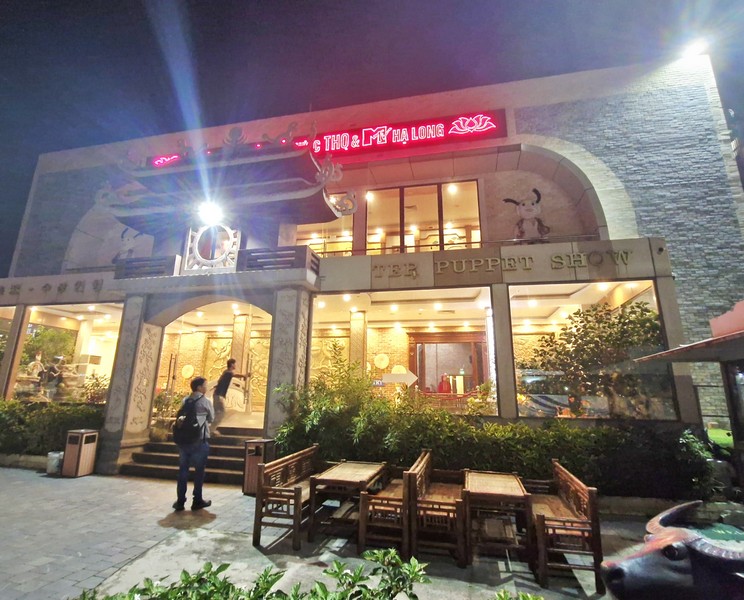
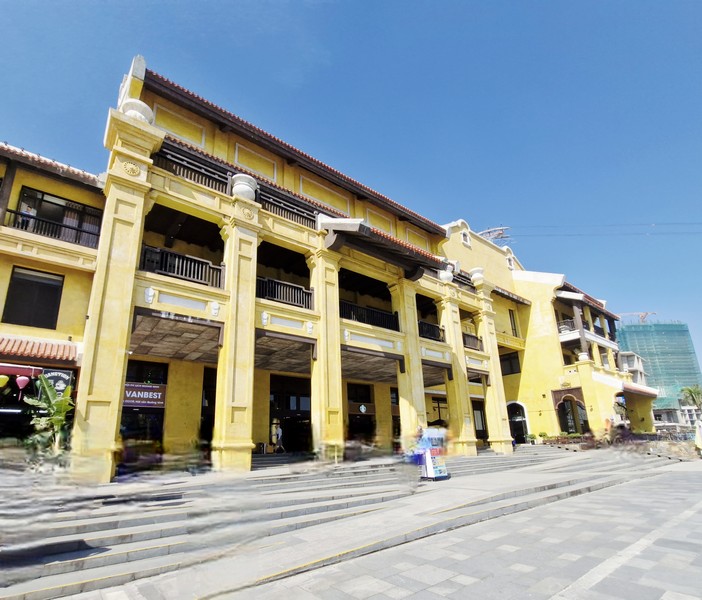
After the end of our Ambrose Day Cruise, we again boarded our coach for the short 6.9-km. drive to Hoa Sen Water Puppet Theatre (Thanh Long Water Puppet Theatre) where we were to watch a water puppet show, a unique art form, central to Vietnamese culture, offering insight into local traditions, rural life, folklore, and historical tales, accompanied by live music. 

Check out “Ambrose Day Cruise

Hoa Sen Water Puppet Theatre

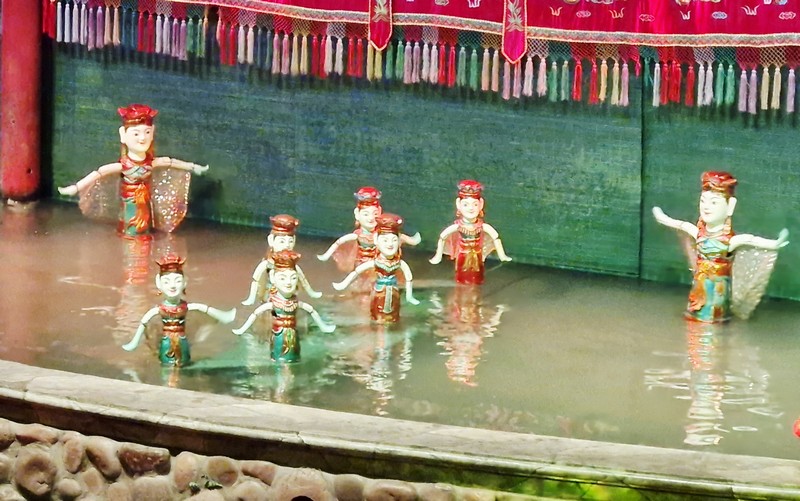
A dedicated venue for traditional Vietnamese water puppetry (Múa rối nước) which originated in the 11th century from the rice-farming villages of the Red River Delta here, we watched ancient Vietnamese water puppetry featuring puppets, made of fig wood carved and painted skillfully in various fascinating shapes as well as symbolic facial expressions, moving on a water stage. 
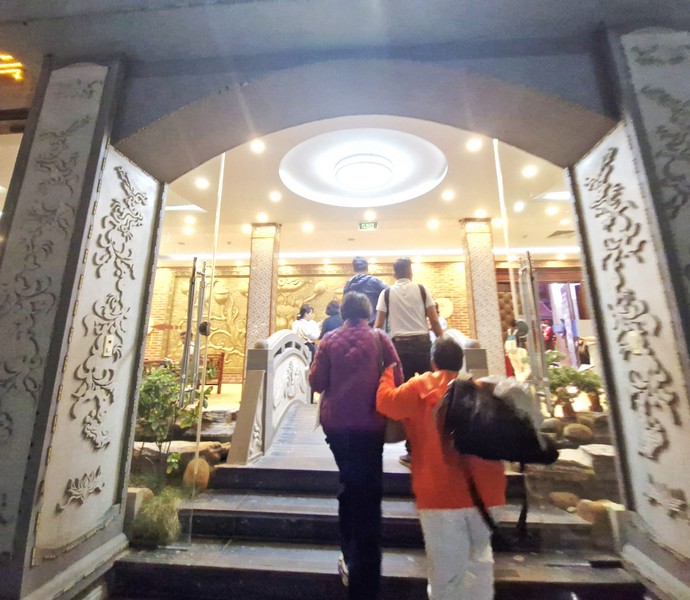
Shows feature scenes of rice planting, fishing, dragon dances, and folk stories, bringing Vietnamese village life to the stage. Family-friendly, children especially enjoy the colorful puppets and engaging stories.
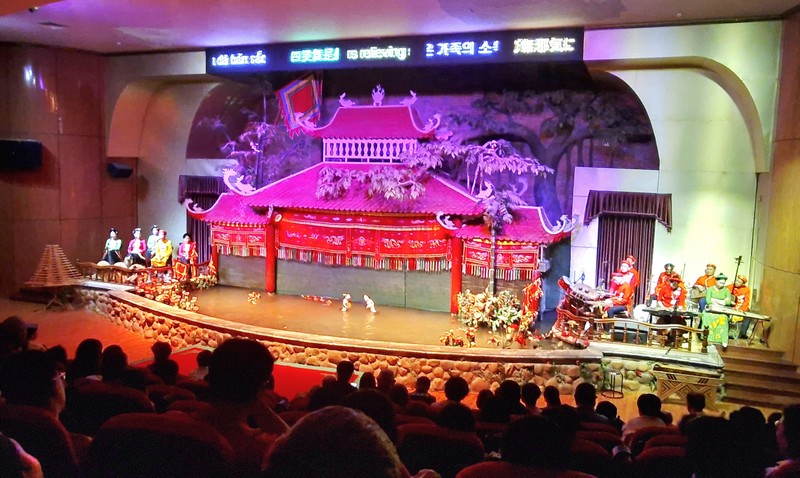
The stage

Traditionally performed during festivals, celebrations, and special occasions such as the Lunar New Year, over time, it evolved from a humble village entertainment into a distinctive form of traditional Vietnamese performing art. 
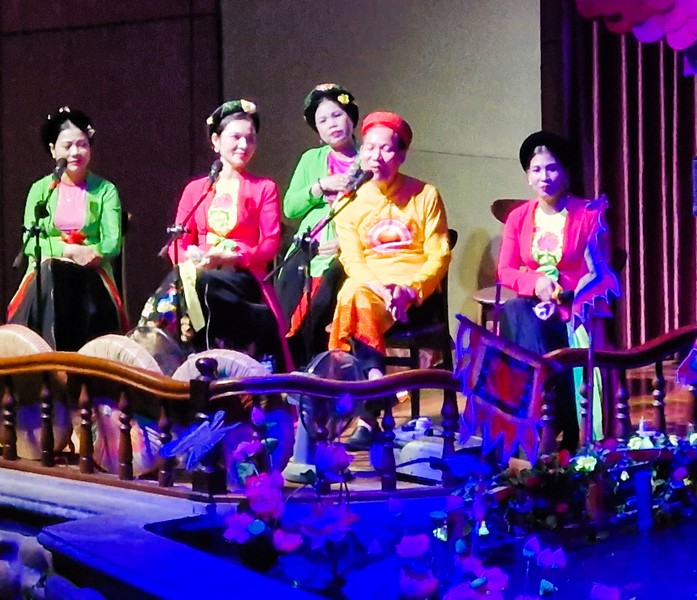
The singers to the left of the stage

Aside from Hoa Sen, there are two other water puppet theaters in Halong that are famous for water puppetry: Hoang Gia International Park (Bai Chay Tourist Area) and Yen Duc Village (Dong Trieu District). Since performing water puppets requires a large body of water, Halong Bay is an ideal place to showcase the colors of this rich and special cultural show, making it a popular, easily accessible cultural activity for visitors to the region.
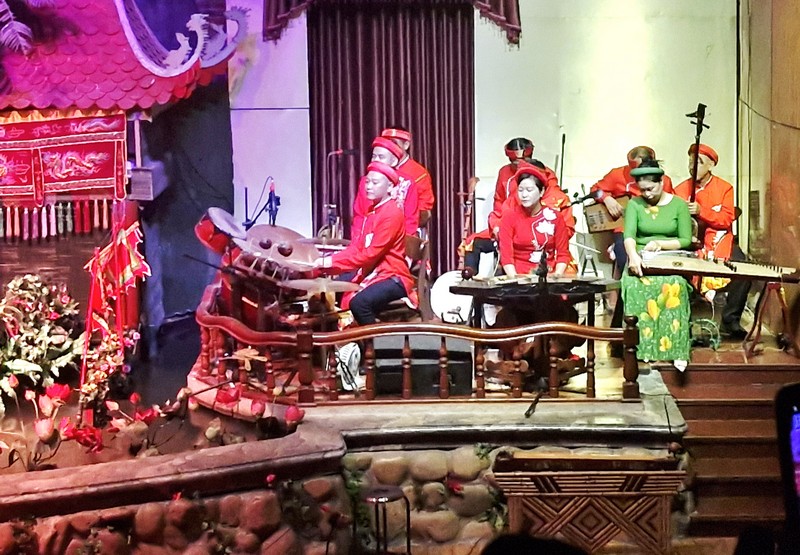
The folk orchestra to the right of the stage

A showcase of the traditional daily lives of Vietnam’s farmers, from their way of making a living on the rice field to how they entertain themselves after hard working hours, the Hoa Sen Water Puppet Theatre covers an area of nearly 1,000 sq. m., with a seating capacity of up to 500 people at one time. It organizes a special performance, combining 16 different local fairy tales with interesting stories about Vietnam’s culture.
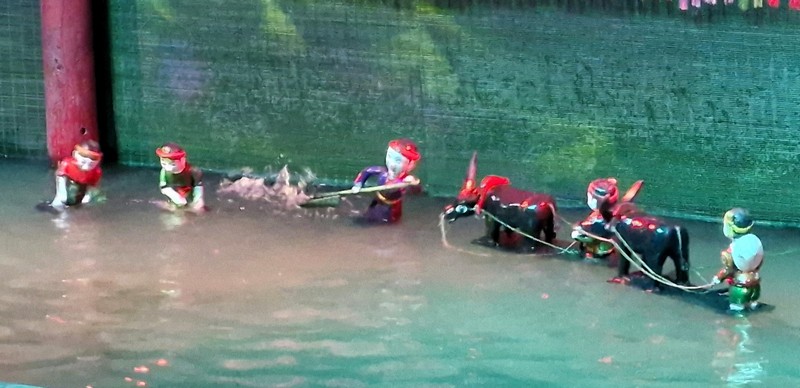
The farming theme

The themes of the 30 to 35-minute show focus on the daily life of farmers, folklore, historical tales and the general aspects of the Vietnamese’s spiritual life.  Puppets are manipulated by puppeteers standing in waist-deep water behind a screen, creating a magical effect. To the left and right of the stage are two small folk orchestra of 5 and 7 people, respectively. Currently, there are 3 water puppet shows in a day, with each show lasting from 30 – 35 minutes.
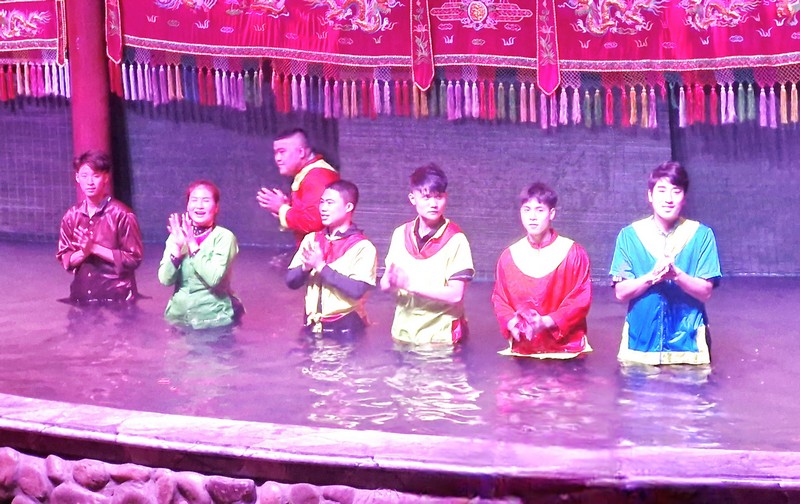
The puppeteers

Hoa Sen Water Puppet Theatre: No. 46 – The 2nd Peninsular, Hoang Quoc Viet, Halong City. Admission: 150,000vnd/pax
Sung Hot Cave (Ha Long, Vietnam)

Sung Hot Cave

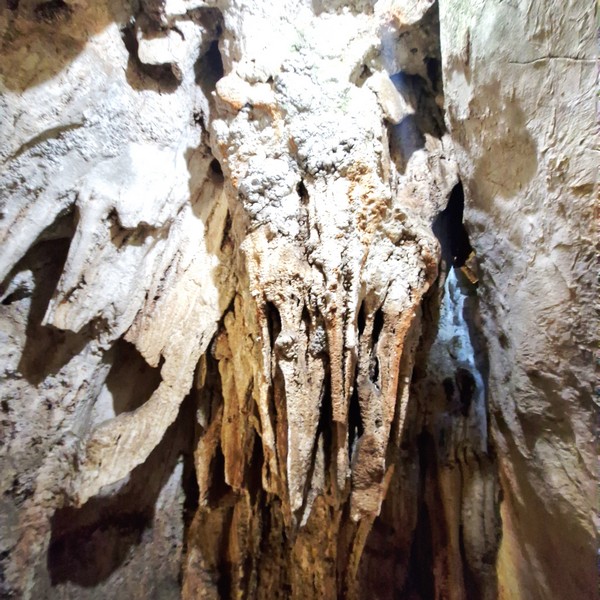
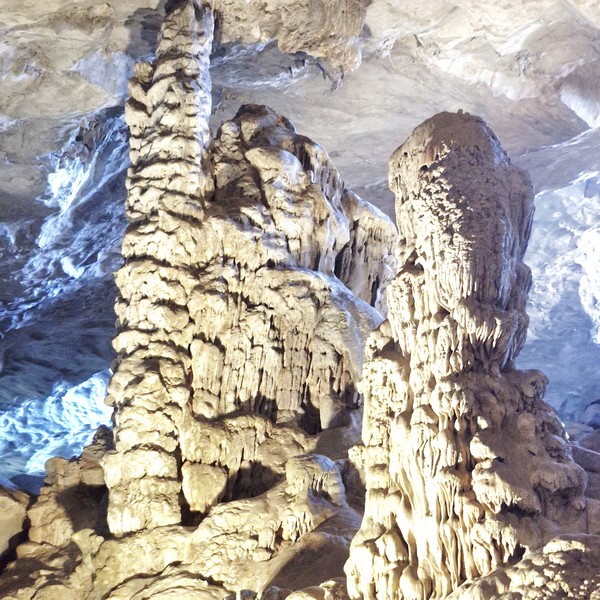
The large, mysterious and beautiful Sung Sot Cave (also called “Surprising Cave”), on Bo Hon Island in the center of Ha Long Bay and the Tonkin Gulf, is the largest (it can accommodate up to 1,000 visitors at a time) and, possibly, the most prominent and most frequented by visitors of all the caverns in Halong.  Situated in a limestone massif, with an extremely developed karst terrain, is known for its impressive stalactites that hang from the ceiling, stalagmites that rise from the floor and vast, multi-chambered interior.

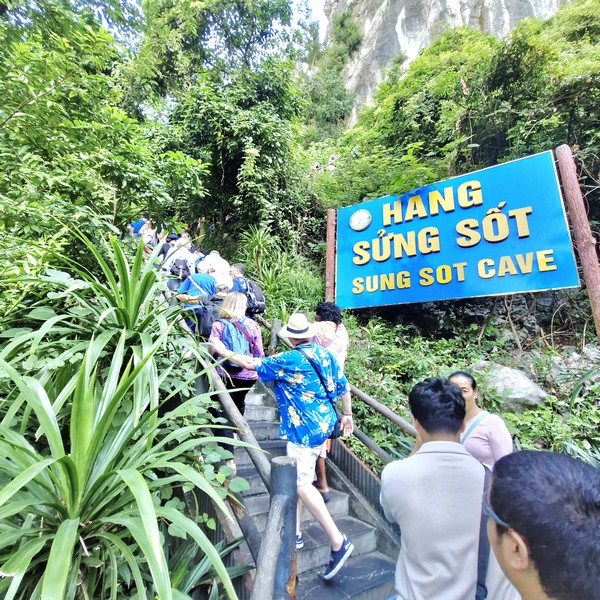
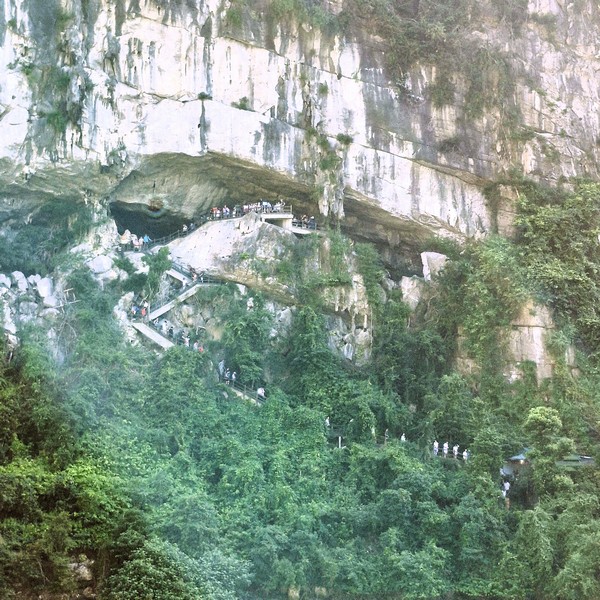
The winding stone stairway leading up to the cave entrance

In 1901, French geologist Henri Mansuy, in search of minerals, discovered this cave, describing it as “a cathedral crafted by nature herself,” giving rise to the moniker Grotte de la surprise, “the cave of surprise.” However, this name was not officially recognized until nearly 40 years later when a French travelogue was published in 1938. In 1993, just one year before UNESCO declared Ha Long Bay’s core region as a World Natural Heritage site, Sung Sot Cave welcomed its first visitors. Dubbed the “Opera House of Ha Long Bay,” it was named one of the top ten most beautiful caves in the world by the Czech Association of Travel Agents and Brokers.  

The stone stairway amidst lush vegetation

According to legend, thousands of years ago, during the reign of King Hung, the Van Lang kingdom faced an invasion by the Yin from China. In this moment of crisis, Thanh Giong, a three-year-old boy, miraculously appeared to aid the king. Riding a colossal iron horse and wielding a mighty sword, Thanh Giong, with extraordinary strength and courage, defeated the invaders. Breathtaking Halong Bay is said to be the site of this epic confrontation. After the battle, Thanh Giong ascended to heaven from this cave, leaving behind his legendary steed and weapon.

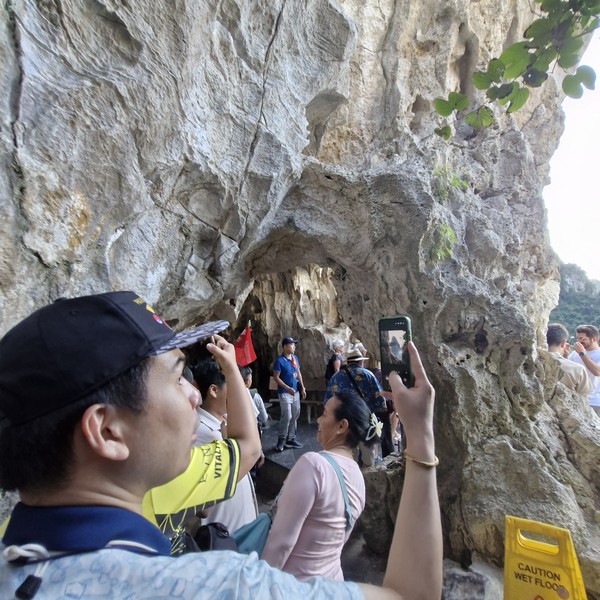
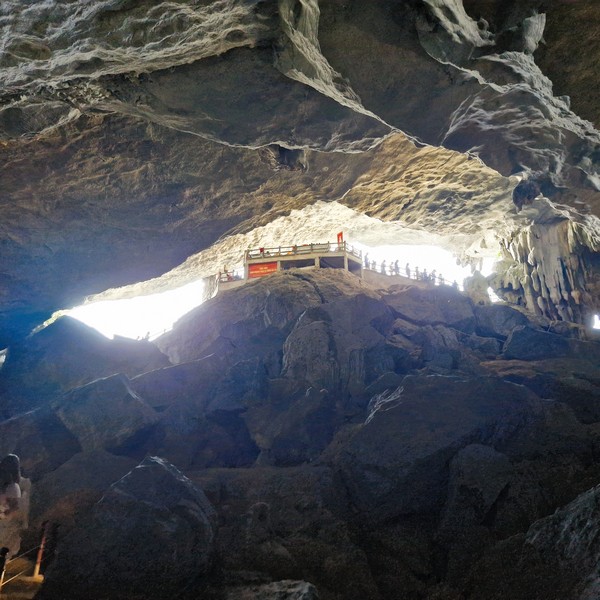
The cave entrance

Ha Long Bay has many other caves with varying degrees of accessibility and visitor numbers, some of which may be affected by tourism. Other caves with stalactites exist in the bay. Cap La Cave, in the Bai Tu Long Bay area, known for its unique stalactites and pristine nature, though it may not be currently accessible to visitors. Sung Sot Cave is an old phreatic cave which also include Tam Cung, Lau Dai, Thien Cung, Dau Go, Hoang Long and Thien Long.

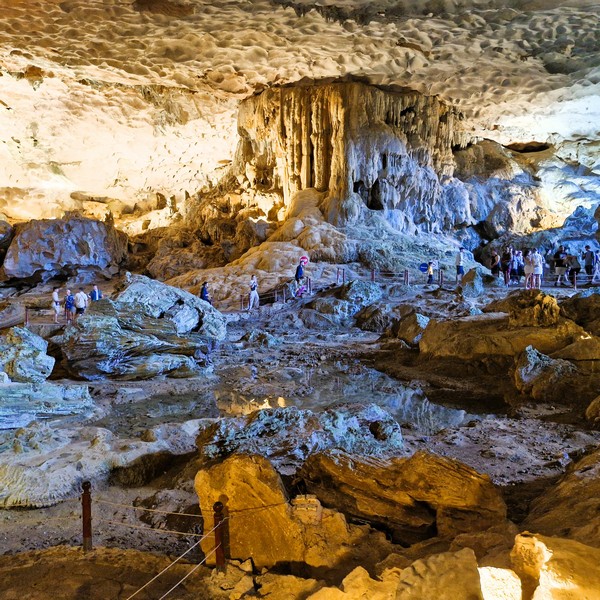
The first chamber

Nowadays, these caves lie at various heights. From its truncated entrance chambers on a ledge high on the cliff, a passage of more than 10 m. high and wide descends to the south. Covering a total area of more than 12,000 sq. m., the cave is divided into three chambers with a wealth of stalagmites of various shapes. 

A cave pool

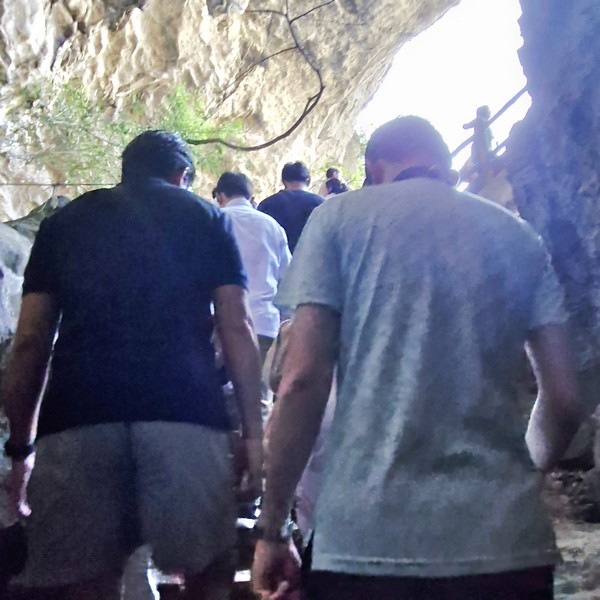
The island, and its cave, was the second stop of our Ambrose Day Cruise. Upon arrival at the island, Jandy and I, as well as other tourists from other boats, disembarked and queued up to climb around 100 winding stone steps, surrounded by lush forests, and then descend 10 stone steps to reach the cave entrance which is a small rock breach, 25 m. above sea level, halfway up the limestone mountain. 

Check out “Ambrose Day Cruise

Part of the 800 m. long stone walkway

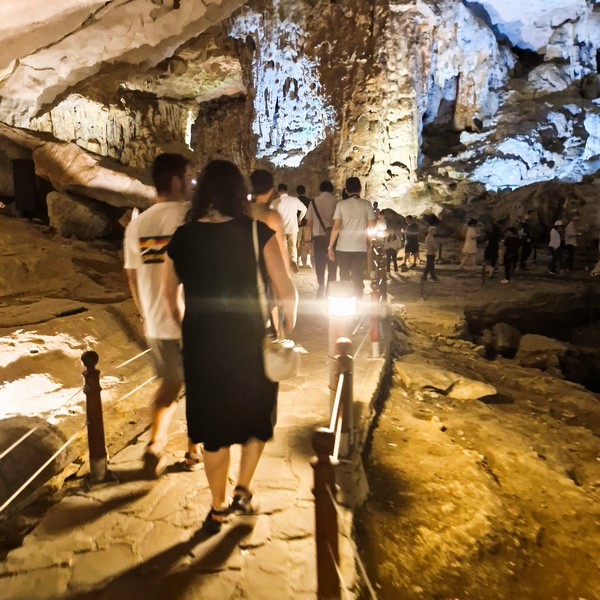
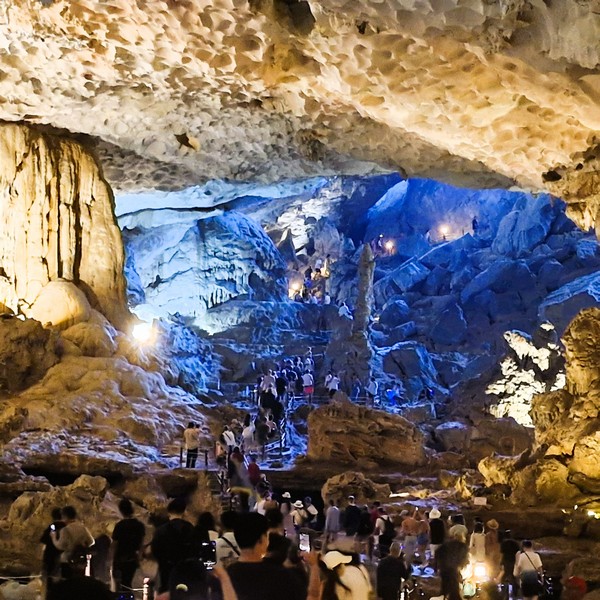
The path inside the cave was through an 800-m. long stone walkway, with gradual ups and downs, and lit, with colorful lampposts, to highlight its features, creating a vivid tableau and transforming the cave’s cold, empty feeling into a lively, captivating scene.  Some parts have a diffused orange light that creates a fanciful atmosphere, making the space more mysterious and attractive.  A dry cave, it allows for comfortable one-way exploration on foot, with a separate entrance and exit. 

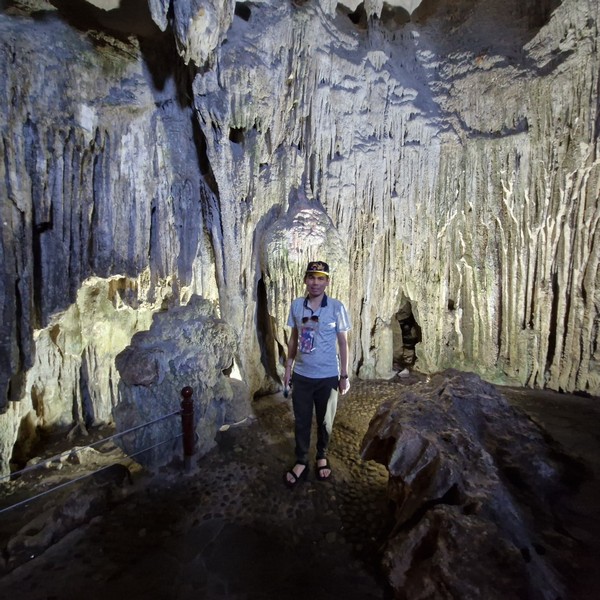
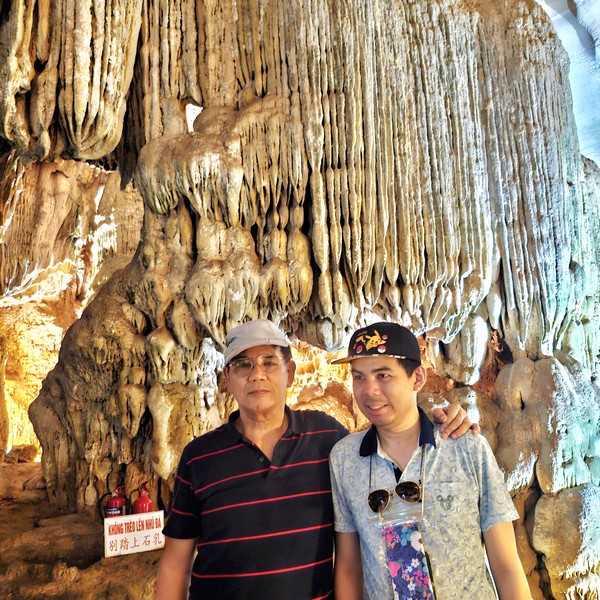
Jandy in front of a cave drapery

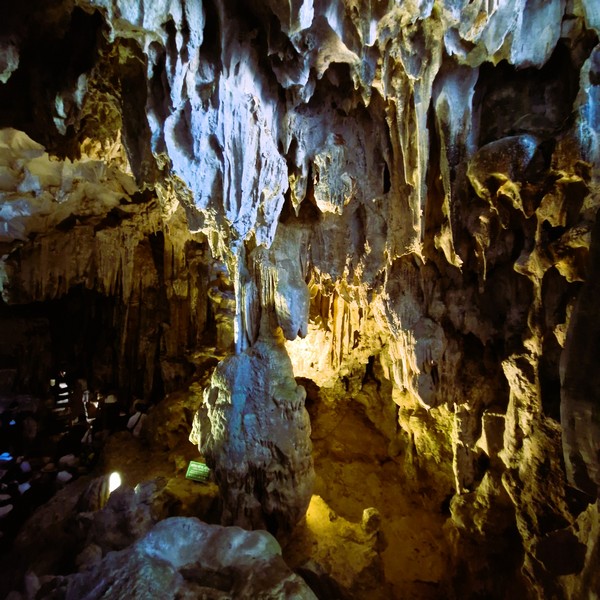
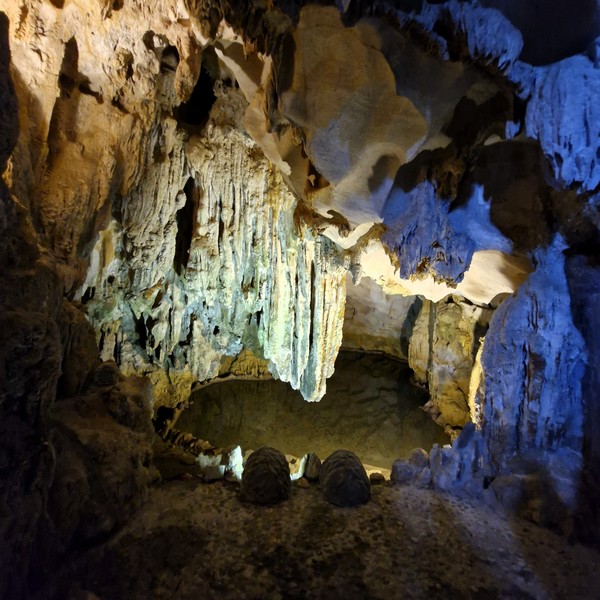
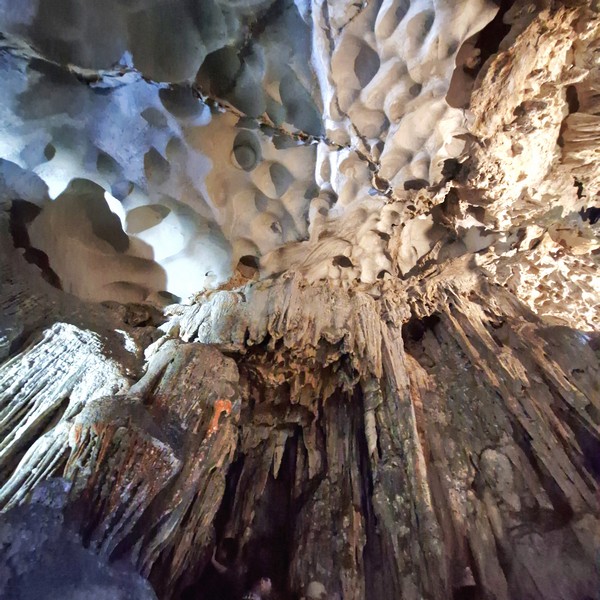
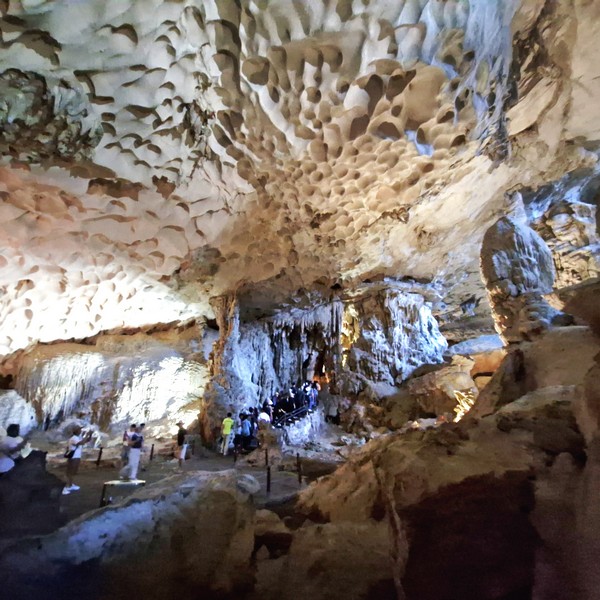
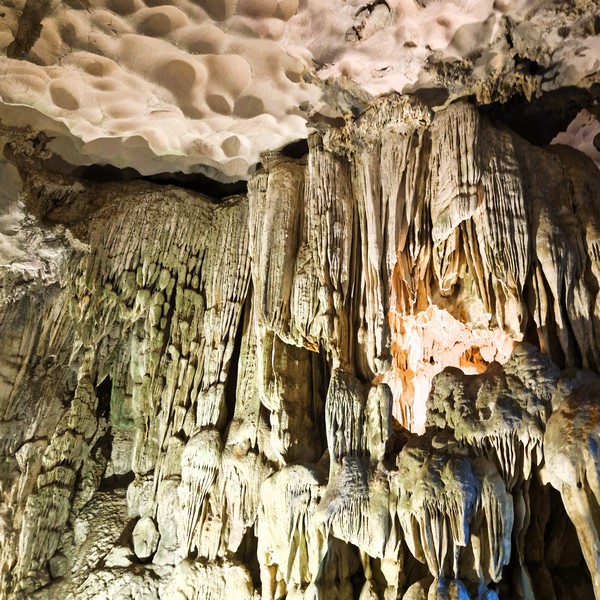
At the. first chamber, the smallest of the three chambers at nearly 3,000 sq. m, is likely a “waiting room.” Here, there is a small, serene and shallow freshwater lake formed by rainwater trickling through the limestone cracks in the cave ceiling, with clear water that allows you to view the lake’s bottom, adding to the chamber’s mystical ambiance.  Its ceiling is covered with a layer of “velvet carpet,” with gleaming stalactite chandeliers hung 25 to 30 m. high in the outer chamber, including stone sculptures, banyan trees, dinosaurs, elephants, flowers, seals, etc.

The cave ceiling

The “Stone Waterfall,” on the eastern wall, is a massive, 18-m. wide flowstone formation that appears to be frozen in mid-flow.  Created by centuries of mineral-rich water flowing down a cave wall, its varying mineral content creates striking color variations ranging from pure white to amber and deep russet tones.  

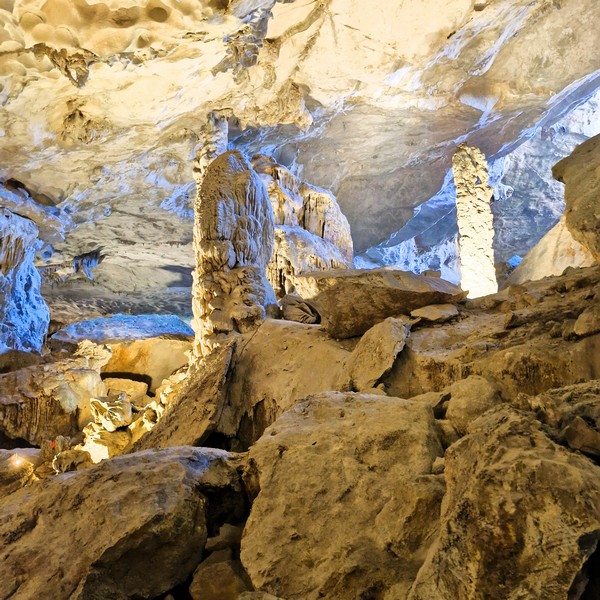
The “Elephant,” near the transition between the first and second chambers, is a stalactite-stalagmite combination with a massive body created by the joining of the ceiling and floor, a clearly-defined trunk and tusks formed by small stalactites.

The second chamber (known as the “Royal Garden”), stretching an impressive 7,000 sq. m., is connected to the first chamber by a narrow rock path.  It opened to an enormous space with and enormous freshwater lake, stunning rock formations and huge and beautiful stalactites and stalagmites in unique and interesting shapes such as a buddha, a bird, a monkey climbing on the rock column, etc..  The “Royal Garden Stone,” a massive, flat-topped formation in the center of the chamber, resembles a royal viewing platform surrounded by stalagmites that look like courtiers paying homage.

The “Stone Curtain,” along the western wall, are thin, delicate (some just 2 to 3 cms. thick) and wavy stalactites that create an appearance of stone curtains or draperies, with beautiful banding patterns caused by varying mineral content.  The “Sword Lake,” a small, sword-shaped pool in the center of the chamber, is said to mirror Hanoi’s Sword Lake.  During certain lighting conditions, the stalactite’s reflection creates the illusion of a sword rising from the water. The “Buddha’s Palm,” a flat, hand-shaped formation near the exit, is believed to resemble Buddha’s hand in blessing.  Though conservation efforts now discourage this practice, many visitors still touch this formation for good luck.

The author with Jandy

Inside this chamber, there are also said to be monkeys scurrying around in quest of food and fun. Compared to the first chamber, this chamber’s karstification process has resulted in a clearer and more ventilated atmosphere due to its ceiling being peppered with thousands of small holes or natural skylights that creates magical light beams during midday hours. There are also several delicate rimstone pools, with crystal-clear waters reaching depths of 30 cms. that reflect the surrounding formations, contain unique microorganisms that have adapted to the cave environment.

The truly breathtaking third and last chamber, further inside, is the biggest chamber, able to accommodate thousands of people. Inside is a 12 m. high rock formation said to be the petrified form of the legendary, stern-faced Vietnamese hero Thanh Giong.

Near the entrance is a stone block, fashioned like a massive, battle-ready horse, and a long sword that Thanh Giong left behind to drive away evil spirits.  Also inside the cave are little ponds and lakes which are regarded as the hoofprints of Thanh Giong’s horse or Giong’s footprints. The cave’s highest point is a “royal garden” with a lake, many plant species, several bird species and panoramic views of the bay.

The cave exit

The final ascent to the cave’s exit took around 275 steps plus another 250 steps, another physical effort, down to the dock. Thought beautiful, with stunning natural formations and a cool, humid environment, our cave exploration was very tiring due to the inclines.

Exiting the cave

How to Get There: Sung Sot Cave, one of the destinations in the tour route 2 (one of 6 routes that bring visitors around Halong Bay), is a short boat ride, from two major ports in Halong – Tuần Châu Wharf (about 12 kilometers from Halong city center) or Halong International Cruise Port (it came into operation in 2019 and is closer to the city center and hence easy to travel), to the island.

To visit Sung Sot cave, travelers must first purchase entrance tickets to the harbor and then boat tickets. Tickets can be purchased at the booth on the right of the entrance of Tuần Châu Wharf. If you want to visit this cave, you need to buy a ticket for route 2, the only one with swimming and full of all kinds of experiences, from visiting caves, boating (or kayaking), swimming, sightseeing and relaxing. This is a half-day tour that lasts from noon to evening. It includes attractions such as Cave Park Conservation Center – Soi Sim Island, Ti Top Island, Sung Sot Cave, Bo Nau Cave, Ho Dong Tien Cave, Luon Cave, Trong Cave, and Trinh Nu Cave.

Entrance tickets for route 2:

Day trip ticket: VND 290,000 (USD 12.1) per person

Ticket for 2 days and 1 night: VND 590,000 (USD 24.6) per person

Ticket for 3 days and 2 nights: VND 790,000 (USD 33) per person

Boat tickets:

The boat fare for individual passengers for route 2 (including Sung Sot cave) is regulated by Halong Bay Management Board as VND 200,000 (USD 8.4) or VND 250 000 (USD 10.5)/pax + entrance ticket (not included) including food, drink and 50 000 VND (2.1 USD)/pax ticket for bamboo boat/kayaking and tour guides). The tour lasts from 5 to 6 hours. The departure times of the boats are 6:30 – 8 AM and 12 – 1:00 PM.

Ambrose Day Cruise (Ha Long, Vietnam)

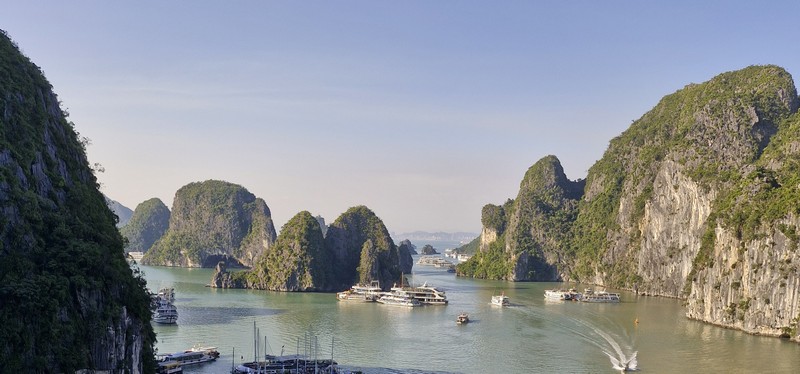
Ha Long Bay

After breakfast at Tru by Hilton Viet Tri City Centre, we all boarded our coach for the over 4-hour/258-km. drive, including short stopovers at Hanoi and Hai Durong, to Ha Long Bay arriving, before noon, at the Ha Long International Cruise Port which just came into operation in 2019, is closer to the city center and, hence, easy to travel.

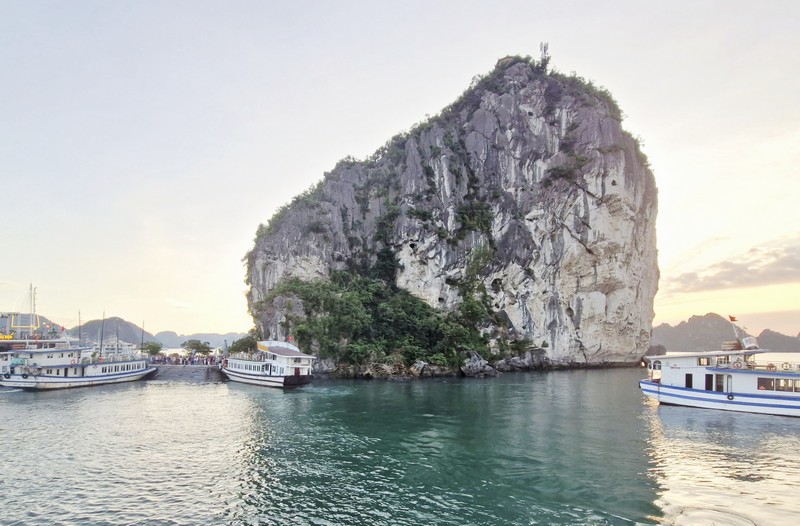
Ha Long International Cruise Port

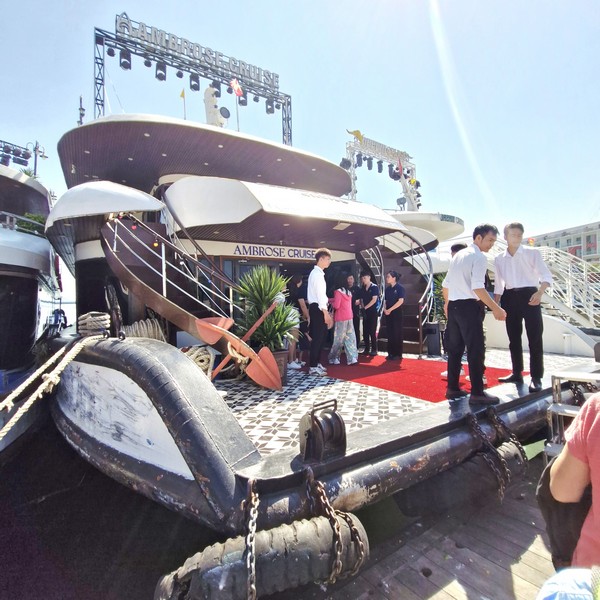
Upon entering the terminal, we walked towards the berthing area of Ambrose Cruise which was to take us on a a modern, 5-star luxury six-hour day cruise of Ha Long Bay.

Ambrose Day Cruise

Launched in 2025, Ambrose Cruise is a 40 m. long, vessel, with three luxurious decks with an area of 400 sq. m.. Built in an elegant and sophisticated Indochina style, it can accommodate up to 99 guests.

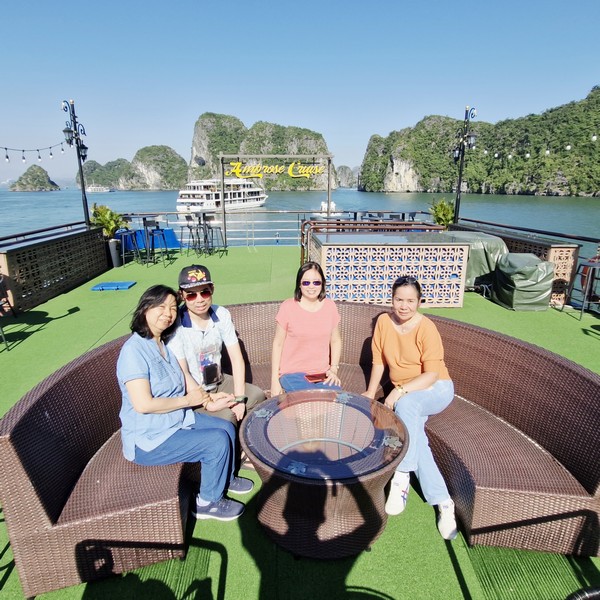
L-R: Grace, Jandy, Lorraine and Lourdes at the sun deck
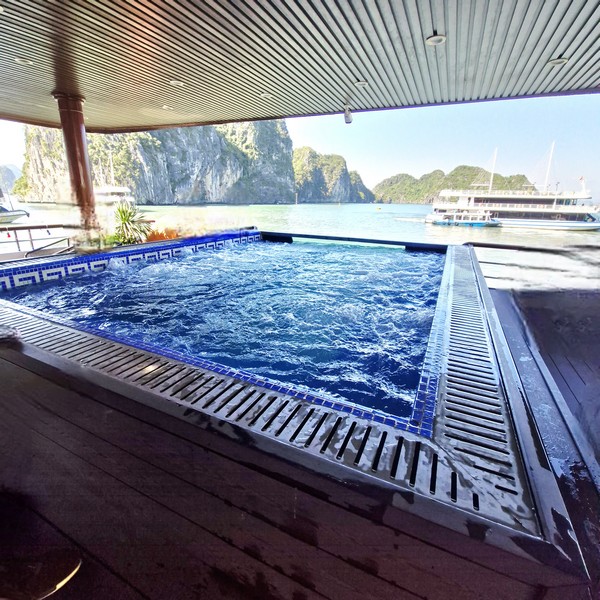
The jacuzzi pool

It has an infinity Jacuzzi pool on the second deck, an ocean-view restaurant and bar, a grand stage with a large LED screen and state-of-the-art sound and lighting systems, and a spacious outdoor lounge area.  I liken it to a “floating hotel” with high-class, 5-star standards.

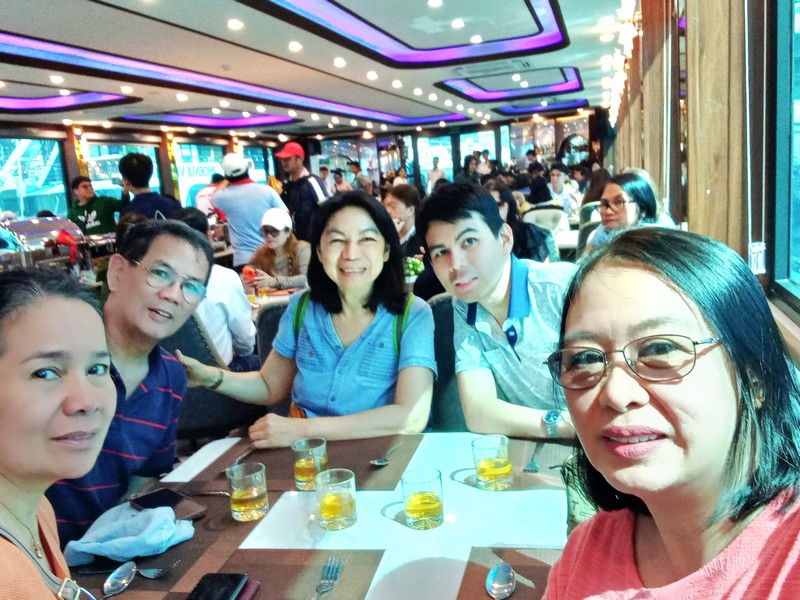
L-R: Lourdes, the author, Grace, Jandy and Lorraine at the dining area
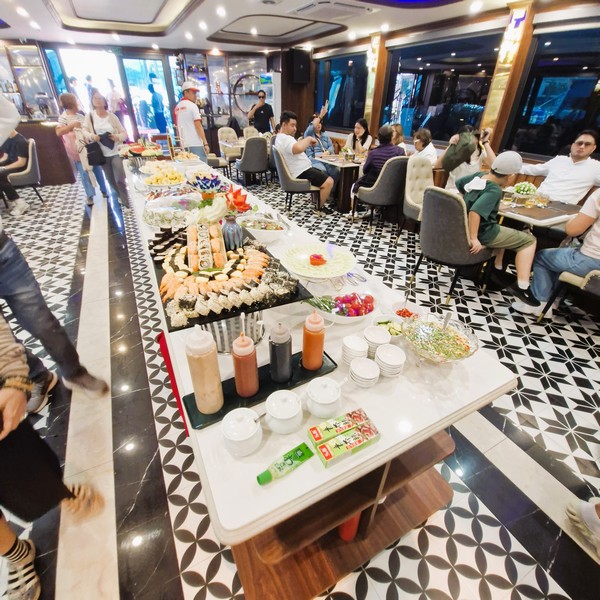
The lunch buffet

We arrived just in time for a premium gourmet buffet lunch with a wide selection of local traditional Vietnamese dishes, including vegetarian/vegan options, seafood, fish and chicken.  The spacious dining area featured a wooden ceiling, a yellow lighting system and black and white pattern floor tiles. 

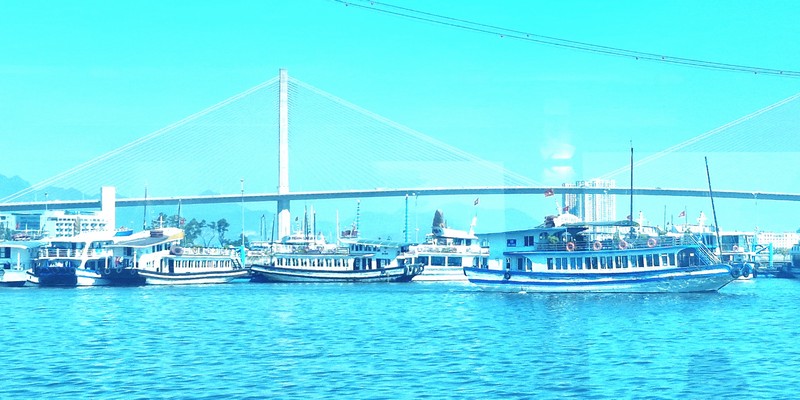
Bai Chay Bridge
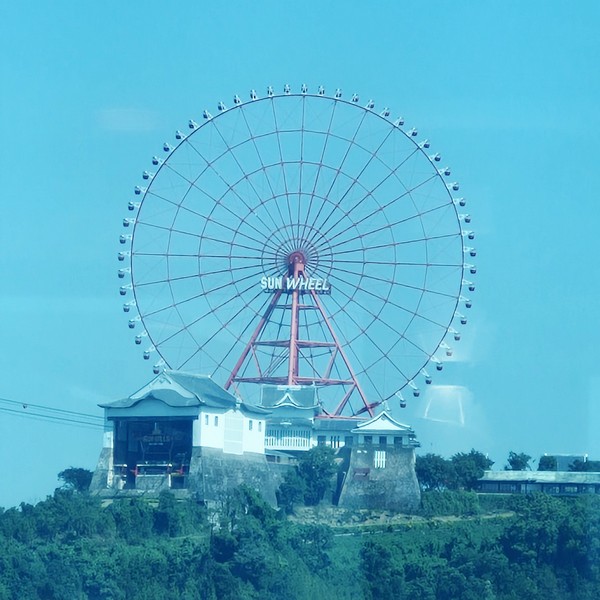
The Sun Wheel
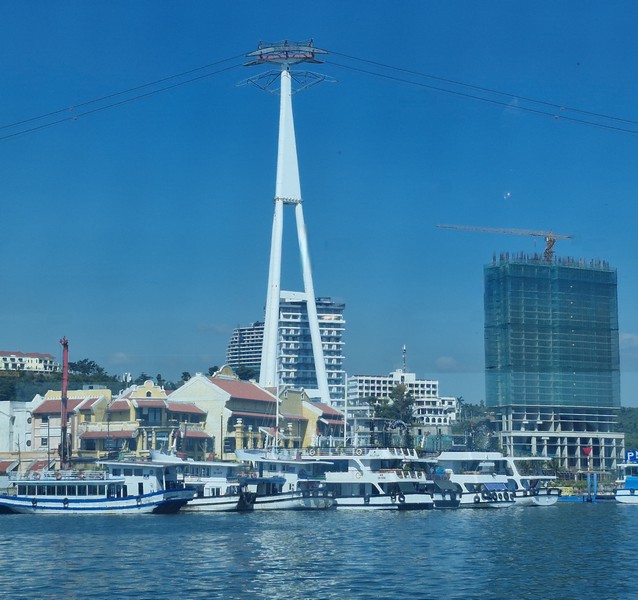
The cable car tower of Queen Cable Car

We were soon on our way and, as we were dining, we had great panoramic views, from large windows, of the city’s harbor as well as its iconic landmarks such as the breathtaking Sun Wheel (a towering Ferris wheel, with 64 cabins, perched atop Ba Deo Mountain), the Queen Cable Car (known for having the world’s tallest cable car tower and a double-decker cabin) and the Ban Chay Bridge (a unique cable-stayed bridge) and, soon enough, of limestone islands such as Hon Ga Choi, Hon Dinh Huong and Hon Cay Dua.

Bo Hon Island

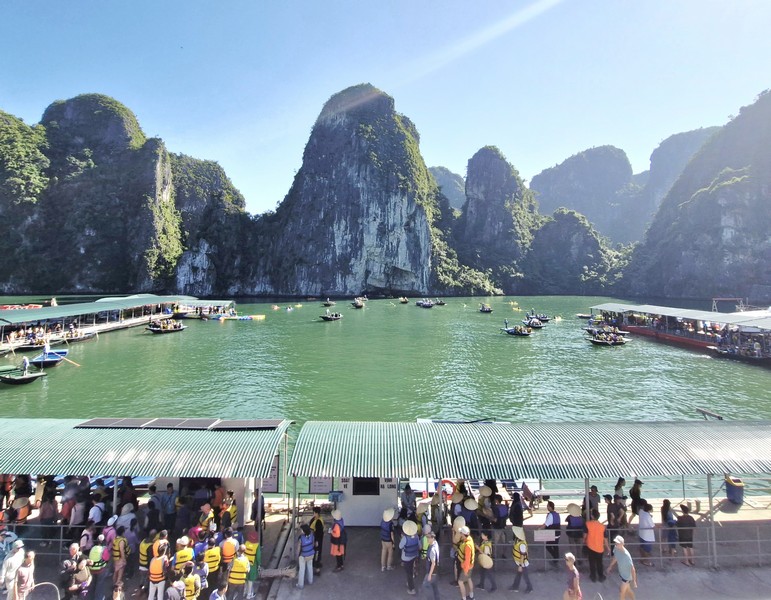
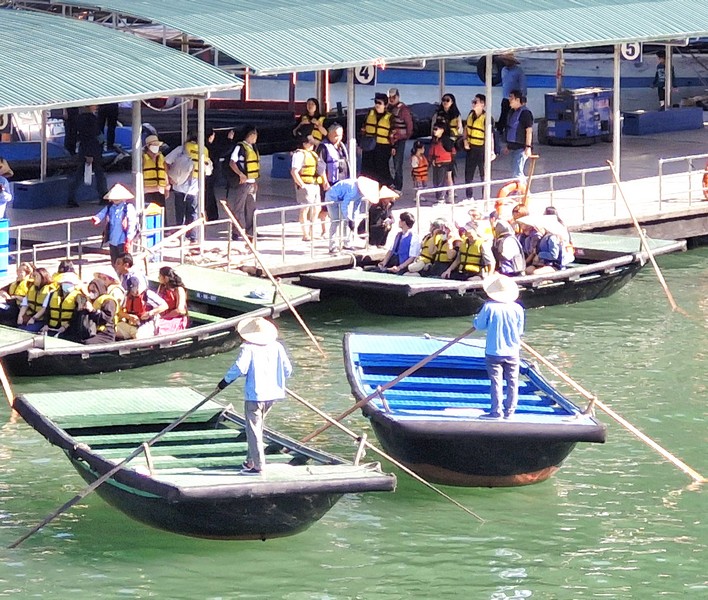
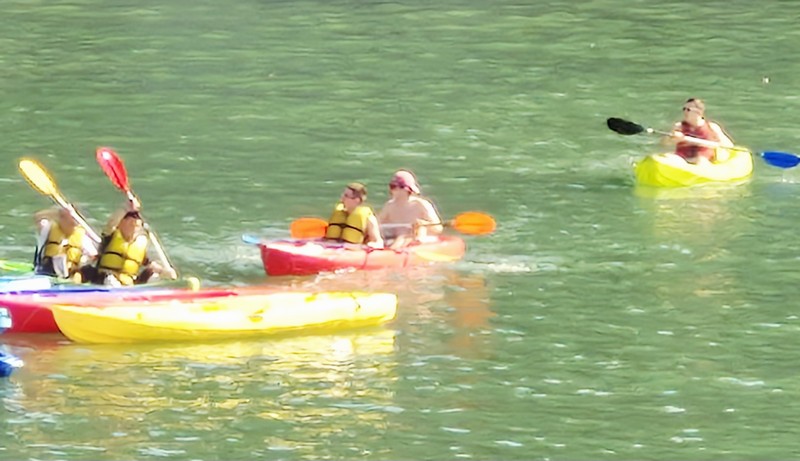
The first stop in our itinerary was Bo Hon Island where tourists can ride traditional bamboo rafts (a relaxed, local-guided option perfect for families or those wanting to soak in the scenery without paddling) or go kayaking (a self-paced adventure), paddling through the low archway of the natural tunnel of Luon Cave (Hang Luon), into a serene, enclosed lagoon, surrounded by limestone cliffs with lush vegetation, where you can spot rare orchids, ferns and playful golden monkeys.

Tradinional bamboo rafts
Kayaking at Ha Long Bay

Our next stop, also on Bo Hon Island, was Sung Sot Cave/Surprising Cave (Thien Cung Cave), the largest and the most beautiful cave in Ha Long Bay.

Check out “Sung Hot Cave

Sung Hot Cave

After disembarking from the boat, Jandy and I and joined other tourists, from other boats, in exploring the cave’s stunning formations of stalactites and stalagmites and two vast chambers.

Ti Top Island

Our last stop was the 3.7-hectare Ti Top Island, one of the smallest islands making up Ha Long Bay and a not-to-be-missed stopover for tourists in the journey of exploring the bay. Originally called Nghia Dia or Hong Thap Tu, the island was renamed after the Russian cosmonaut Gherman Titov during his visit to Ha Long Bay in 1962. Here, tourist can go swimming along the beautiful, crescent-shaped Vang Trang Beach, with its smooth white sand beach, or hike up 400 steep steps, up a 100-meter high hill, to the island’s peak for spectacular panoramic bay views.

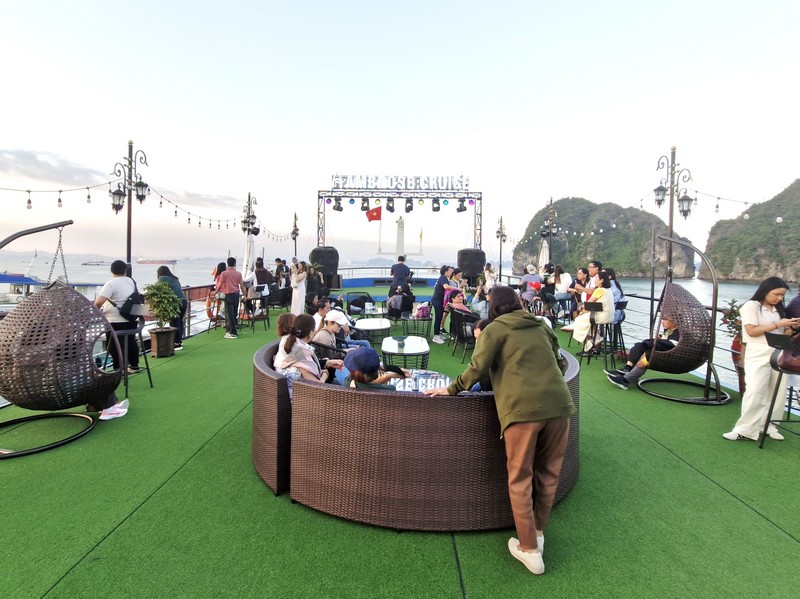
Sunset party at sundeck

Come sunset, a party was held on the sundeck where guests relaxed and served Vietnamese tea, cake, fresh fruits, and snacks.

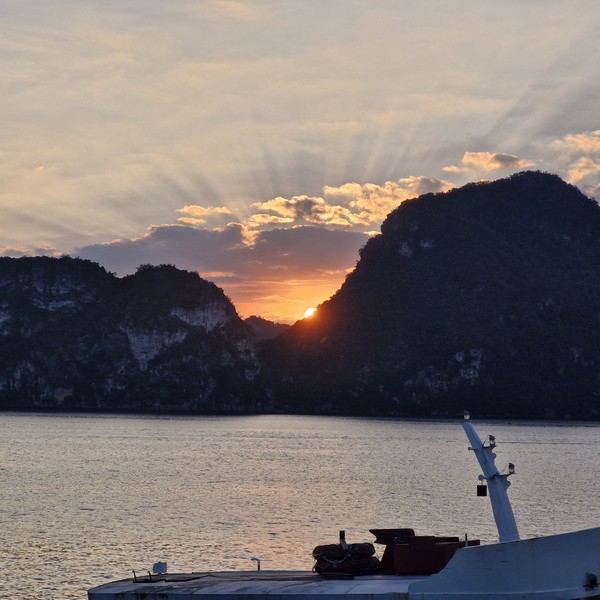
Sunset at Ha Long Bay

Ambrose Cruises: 173 An Duong Vuong Street, Tay Ho, Hanoi, Vietnam. Tel/ Whatsapp: +84.987.876.013.  Email: contact@cruise-halong-bay.com.